








What is a List Bombing?
Imagine your mailbox suddenly overflowing with hundreds, or even thousands, of unwanted letters all at once. It’s not just a few junk mails; it’s a massive pile, making it impossible to find the important letters you’re waiting for. That’s kind of like what a “list bombing” is, but for your email inbox instead of your physical mailbox.
List bombing happens when someone uses a computer program to sign up your email address for tons of different online newsletters, services, and websites all at the same time. These are often legitimate services, like shopping sites, blogs, or news updates. The problem isn’t the services themselves, but the sheer number of emails flooding your inbox in a very short period. It can be super annoying and can even hide other, more serious problems.
How Does a List Bombing Work?
So, how does this digital deluge happen? It’s usually not a person sitting there typing your email address into hundreds of forms. That would take forever! Instead, bad actors use special computer programs, often called bots, to do the work. These bots are incredibly fast and can sign up an email address for thousands of mailing lists in minutes.
Here’s a simple breakdown of the steps:
- Getting Your Email: The first step is for the bad actor to get your email address. They might find it from a data breach (where someone else’s website got hacked and email lists were stolen), or sometimes even guess common email patterns.
- Using a Bot: They use a special computer program, like a robot, that’s designed to visit many websites quickly.
- Filling Out Forms: This bot automatically finds “sign-up” forms on different websites, types in your email address, and clicks “subscribe.”
- The Flood: Because the bot works so fast, your email inbox suddenly starts receiving hundreds or even thousands of confirmation emails, welcome messages, and newsletter updates from all these different services.
It can feel like a really confusing and frustrating experience. You might wonder why so many random companies are suddenly sending you emails.
Why Do People Do List Bombing?
You might be asking, “Why would anyone want to do this?” It seems like a lot of effort just to annoy someone. Well, list bombing usually has a bigger, darker purpose behind it than just making your inbox messy. Think of it like a diversion, a way to distract you.
Here are some of the main reasons why someone might launch a list bombing attack:
- To Hide Something More Serious: This is the most common reason. Imagine your inbox is flooded with thousands of emails. In the middle of all that chaos, a few really important emails might get lost. These important emails could be things like “Your password has been changed,” “A big purchase was just made from your account,” or “Your bank account login failed.” The list bombing acts as a smoke screen, hiding these critical alerts so you don’t see them until it’s too late.
- To Overwhelm and Distract: By filling your inbox, the attacker hopes to overwhelm you. You might get so frustrated trying to sort through the spam that you miss important updates or even give up trying to use your email for a while. This distraction could allow them to carry out other malicious activities without you noticing.
- Denial of Service (DoS) for Email: While not a traditional DoS attack on a server, a list bomb can effectively make your email service unusable by filling up your storage limit or making it impossible to find real emails.
- As a Form of Harassment: In some cases, a list bombing can be used simply to harass or annoy someone, especially if the attacker knows the person’s email address and wants to cause trouble.
It’s important to understand that list bombing is not just a prank; it’s often a sign that something else might be going on, and it’s a good idea to be extra careful with your online accounts if you experience it.
What Happens During a List Bombing Attack?
When a list bombing attack is in full swing, your email experience can quickly turn into a nightmare. Let’s explore some of the immediate effects:
Your Inbox Explodes
The most obvious effect is the sheer volume of emails. Instead of seeing a few new messages, you might open your email and find hundreds, even thousands, of unread emails from services you’ve never heard of. It’s like a digital avalanche.
Important Emails Get Lost
Because there are so many new messages, genuine emails from your friends, family, work, or important online services can easily get pushed down and buried. You might miss a crucial message, an appointment reminder, or a time-sensitive alert.
Email Service Slows Down or Fails
Some email providers have limits on how much storage space you get. If thousands of emails arrive all at once, your inbox could fill up completely, stopping new, legitimate emails from arriving. Your email program or website might also become very slow or even crash because it’s trying to process so many messages at once.
Feeling of Being Attacked
It can be very unsettling. You might feel like your privacy has been invaded and that someone is targeting you specifically. This can create stress and make you feel unsafe online.
Possible Account Takeovers
Remember how we talked about list bombing often being a distraction? While your inbox is under attack, the real danger might be happening elsewhere. An attacker might be trying to log into your other accounts, like online shopping sites, social media, or even your bank. They might have already stolen your password and are trying to change it, or they’re making purchases. The list bomb is designed to hide the alert emails for these actions.
It’s a scary situation, and understanding what’s happening is the first step to protecting yourself.
How to Tell if You’re Being List Bombed
Sometimes, getting a lot of emails can be normal, especially around holidays or if you’ve recently signed up for many things. But a list bomb has some clear signs that make it different.
Look out for these clues:
- Sudden Huge Spike: The biggest sign is a sudden, massive increase in emails. We’re talking hundreds or thousands in a very short time, like an hour or a day.
- Emails from Unknown Senders: Many of these emails will be from companies or websites you’ve never heard of, or for products and services you have no interest in.
- No Double Opt-in: Most legitimate newsletters ask you to confirm your subscription by clicking a link in an email. This is called “double opt-in.” In a list bombing, you’ll get many emails that seem to skip this step, simply welcoming you to a service you didn’t ask for.
- Look for Security Alerts: This is crucial. While all the junk is coming in, quickly scan for emails that look like security alerts from your bank, social media, shopping sites, or other important accounts. These might say “password reset requested” or “new login detected.” These are the ones the list bombing is trying to hide.
If you notice these things, it’s very likely you’re experiencing a list bombing attack. Don’t panic, but do act quickly.
What to Do if You’re a Victim of List Bombing
If you find yourself in the middle of a list bombing attack, it can feel overwhelming. But there are steps you can take to protect yourself and regain control of your inbox.
1. Don’t Panic and Don’t Unsubscribe
Your first reaction might be to hit “unsubscribe” on every single email. Don’t! This can actually make things worse. Unsubscribing confirms to the sender that your email address is active, which is exactly what the bad actor wants to know. It can also be very time-consuming and might not stop the flood quickly.
2. Check Your Important Accounts Immediately
Remember, the list bomb is often a distraction. The very first thing you should do is check your most important online accounts directly. Don’t click on links in emails! Instead, open a web browser and go directly to the websites for your bank, credit card companies, PayPal, major shopping sites (like Amazon), social media, and any other accounts linked to your email.
- Change your passwords for these important accounts. Choose strong, unique passwords for each one.
- Look for any unusual activity, like transactions you didn’t make or login attempts from strange locations.
- If you see anything suspicious, contact the company’s support team right away.
3. Use Your Email Provider’s Tools
Most email services have tools to help with spam. Here’s what you can do:
- Mark as Spam/Junk: Select many of the unwanted emails and mark them as spam or junk. This helps your email provider learn what to filter in the future.
- Create Filters/Rules: You can often set up rules to automatically move emails from unknown senders or with specific keywords into a junk folder, or even delete them. This won’t stop the emails from arriving, but it will keep your main inbox clearer.
- Report to Your Provider: Some email providers have ways to report a list bombing attack directly. Check their help sections.
4. Consider Changing Your Email Address (Last Resort)
If the attack is severe and ongoing, and you can’t get it under control, as a last resort, you might consider changing your primary email address. This is a big step, as it means updating it everywhere, but it can completely stop the attack on that address. Before you do this, make sure all your important accounts are secure and updated with a new, safe email address.
5. Secure Your Future
After the immediate crisis, take steps to prevent this from happening again. We’ll talk more about this in the next section.
Preventing Future List Bombing Attacks
Once you’ve dealt with an ongoing list bombing, it’s wise to take steps to make it harder for attackers in the future. Think of it like putting stronger locks on your doors after a break-in.
1. Use Strong, Unique Passwords and Two-Factor Authentication (2FA)
This is probably the most important step for overall online safety. A list bombing often happens because your email address (and maybe a password) was exposed in a data breach. If an attacker gets your email and password, they can do a lot of damage.
- Strong Passwords: Use long passwords that mix capital and small letters, numbers, and symbols.
- Unique Passwords: Never use the same password for different websites. If one site gets hacked, all your other accounts are still safe.
- Two-Factor Authentication (2FA): This is like having a second lock on your door. Even if someone knows your password, they can’t get in without a special code sent to your phone or a separate app. Turn on 2FA for your email, bank, and all important online accounts. It’s a game-changer for security.
2. Be Careful Where You Share Your Email
Think twice before giving your email address to every website you visit. If you only need to sign up for something temporarily, consider using a “throwaway” or secondary email address that you don’t use for important communications.
3. Monitor Your Accounts Regularly
Even without a list bombing, it’s a good habit to regularly check your bank statements, credit card activity, and important online accounts for anything suspicious. Quick checks can catch problems before they become big.
4. Keep Software Updated
Make sure your computer’s operating system, web browser, and antivirus software are always up to date. Updates often include important security fixes that protect you from new threats.
Building Trust in the Online World: Reviews and Loyalty
In a world where threats like list bombing exist, it becomes even more important for businesses to build trust and show their customers they care about their experience. When people feel safe and valued, they are more likely to engage with brands, share their thoughts, and become loyal customers. This is where tools that focus on customer experience truly shine.
The Power of Reviews
Imagine you’re thinking about buying something online. If you see a product with many positive reviews from other people, you’re much more likely to feel good about buying it, right? Reviews are like word-of-mouth recommendations on a grand scale. They help new customers feel confident in a purchase and show that a brand is transparent and cares about what its customers think.
- Authenticity Builds Confidence: When customers see real feedback, it builds trust. This trust is vital in an online environment where scams and attacks like list bombing can make people wary. Knowing that a business values authentic feedback and provides a clear, secure way to share it helps customers feel safer.
- Better Decisions: Reviews help people make smarter choices, which leads to happier customers and fewer returns. This creates a positive cycle of satisfaction.
- Customer Voice: A platform that allows customers to easily and securely leave product reviews gives them a voice. When customers feel heard, they feel more connected to a brand, reinforcing the idea that this is a safe and trustworthy place to engage.
Think about how much you trust your friends’ advice. Reviews are similar! Businesses that use powerful ecommerce product reviews tools, like those offered by Yotpo, make it easy for customers to share their experiences and help new shoppers feel confident. This positive experience stands in stark contrast to the chaos and distrust created by list bombing. When customers trust a brand, they are less likely to confuse legitimate communication with spam.
Rewarding Loyalty for a Secure Connection
Beyond a single purchase, what makes customers come back again and again? It’s often feeling appreciated and part of a community. Loyalty programs are a fantastic way for businesses to say “thank you” to their best customers and keep them coming back.
A good loyalty program does more than just offer discounts:
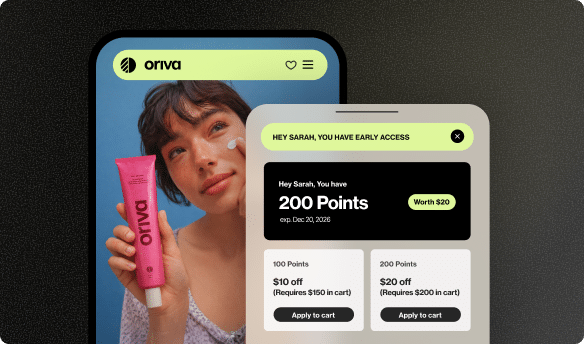
- Building Relationships: Loyalty programs help businesses build stronger, lasting relationships with their customers. When customers enroll in a loyalty program, they willingly share some information, but they do so because they trust the brand and see value in the relationship. This is a deliberate, opted-in connection, far removed from the forced subscription of a list bomb.
- Exclusive Benefits: Getting special rewards, early access to new products, or VIP treatment makes customers feel special. This encourages them to keep engaging with the brand rather than looking elsewhere.
- Safe and Valued Engagement: In a world where personal data can be misused, loyalty programs provide a structured and transparent way for customers to engage with a brand. They know their information is being used to give them benefits, not to overwhelm their inbox with junk. Companies using leading loyalty rewards program software understand the importance of secure and respectful customer interactions.
By offering strong loyalty programs, brands show they value their customers beyond a single transaction. This commitment to customer retention and a positive customer experience builds a strong foundation of trust, making it clear that their interactions are legitimate and beneficial, unlike the harmful intent of list bombing. Yotpo’s loyalty solutions help brands create these meaningful connections.
In conclusion, while list bombing is a nasty online trick designed to create chaos and hide other dangers, it also highlights how vital trust, transparency, and a great customer experience are in the online world. Businesses that focus on these things, using tools like best-in-class Reviews and Loyalty programs, stand out as beacons of reliability, ensuring their customers feel safe, heard, and valued, rather than bombarded.










 Join a free demo, personalized to fit your needs