








What is a Leading Indicator?
Imagine you’re planning a picnic. What’s the first thing you check? The weather forecast, right? You want to know if it will be sunny or rainy *before* you pack your basket and blanket. That weather forecast is a perfect example of a leading indicator. It’s a clue that helps you guess what might happen in the future, so you can be ready for it!
In simple terms, a leading indicator is like a helpful hint or an early warning sign. It’s something that changes *before* another, bigger change happens. Businesses, just like people planning picnics, love leading indicators because they help them make smart choices. They want to know what their customers might do next, so they can prepare and make their business even better.
Leading vs. Lagging Indicators: What’s the Difference?
To really understand leading indicators, it helps to compare them with their cousin: lagging indicators. Think of it this way:
* Leading indicators are like looking *forward*. They give you a peek into what’s coming.
* Lagging indicators are like looking *backward*. They tell you what has *already* happened.
Let’s use an example you might know. If you start to feel a little tickle in your throat and a tiny sneeze, those are leading indicators that you might be getting a cold. They happen *before* you’re full-on sick with a runny nose and cough. Once you have a full-blown cold, that’s a lagging indicator that you were exposed to germs a few days ago.
For businesses, it’s similar. A happy customer leaving a great review could be a leading indicator that they’ll buy more things later. But knowing how much money the business made last month? That’s a lagging indicator. It tells you about past success, but doesn’t necessarily predict future sales directly.
Here’s a quick table to help you spot the difference:
| Type of Indicator | What it Does | When it Happens | Example for You | Example for a Business |
|---|---|---|---|---|
| Leading Indicator | Helps predict the future | Before a big change | Clouds gathering in the sky | A customer shares a product with a friend |
| Lagging Indicator | Shows what already happened | After a big change | It just rained a lot | Total sales for last month |
Businesses need both kinds of indicators. Lagging indicators show if past plans worked, but leading indicators are what help them get ready for tomorrow.
Why Are Leading Indicators Like a Crystal Ball for Businesses?
Imagine having a bit of a superpower – the ability to see just a little bit into the future. That’s sort of what leading indicators offer businesses. They are incredibly useful for several reasons:
* Planning Ahead: If a business sees a leading indicator that customers are getting excited about a new toy, they can make sure they have enough of that toy in stock.
* Preventing Problems: If they see a leading indicator that customers are starting to have trouble with something, they can fix it *before* lots of people get upset.
* Finding Opportunities: Leading indicators can point to new trends or things customers want, helping businesses create new and exciting products or services.
They help businesses be proactive instead of just reacting to things after they happen. This means smoother operations, happier customers, and ultimately, a more successful business.
Common Leading Indicators You Might See Every Day
Leading indicators aren’t just for big businesses; they’re all around us!
* At School: If you study hard for a test every night, that’s a leading indicator that you’ll probably get a good grade. If you don’t study at all, well, that might be a leading indicator of a different outcome!
* On the Road: Seeing a “Road Work Ahead” sign is a leading indicator that you might encounter traffic or a detour soon.
* In Sports: If a basketball player practices their free throws every day, that’s a leading indicator they’ll be good at them in the game.
These everyday examples show that noticing small changes or actions can often give us a good idea of what’s coming next. It’s all about paying attention and understanding what those early signals mean.
Leading Indicators in the World of Online Shopping (eCommerce)
The world of online shopping, also known as eCommerce, is a bustling place. Businesses selling things online constantly try to understand what their customers want and how to keep them happy. This is where leading indicators become super important.
Online businesses look at many different clues to guess what customers might do. They want to know if customers are happy, if they’re likely to buy again, or if they might tell their friends about a cool new product. These insights help them improve the eCommerce customer experience. Let’s dive into some of the most powerful leading indicators for online stores.
How Customer Feedback and Reviews Show What’s Ahead
Imagine you’re looking for a new game. You probably check what other kids are saying about it, right? Customer reviews are like those opinions, but for products online. When customers share what they think, it’s a huge leading indicator for businesses.
* Positive Reviews: If lots of people are leaving happy, glowing reviews about a product, it’s a strong leading indicator that many more people will want to buy it. This tells the business that their product is a hit and they should keep making it, maybe even telling more people about it through word-of-mouth marketing.
* Negative Reviews: On the flip side, if reviews start mentioning a specific problem, that’s a leading indicator the business needs to fix something fast. Maybe a toy breaks easily, or clothes don’t fit right. The business can jump in, make improvements, and prevent future customers from being unhappy.
Collecting and understanding what customers say is incredibly powerful. Tools like Yotpo Reviews help businesses gather these important opinions. They make it easy for customers to share their thoughts and for businesses to listen. Learning how to ask customers for reviews in a friendly way is also key. These reviews, which are a form of User-Generated Content (UGC), are like a friendly heads-up from your customer friends! They help businesses understand what makes shoppers happy and what might cause them to look elsewhere.
Loyalty Programs: Predicting Future Customer Love
Have you ever collected stickers or points for something you really wanted? That’s a bit like a loyalty program. It’s a special club where customers earn rewards for buying from a particular store. And these programs are packed with leading indicators!
When a customer signs up for a loyalty program, it’s a big clue they really like that store. It’s a leading indicator they are likely to:
* Buy Again: They’ve committed to earning points, so they’re probably planning to make more purchases.
* Spend More: To reach the next reward level, they might buy a little extra.
* Become a “Regular”: They’re not just a one-time shopper; they’re becoming a loyal fan.
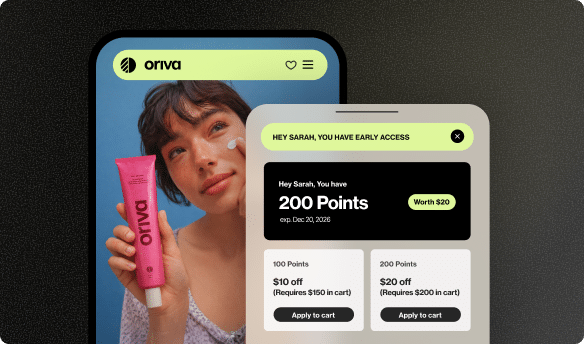
Businesses use Yotpo Loyalty to create these exciting programs. It helps them see which customers are most engaged and likely to stick around. Knowing this helps businesses keep their best customers happy, which is a huge part of customer retention. You can even explore best loyalty programs to see how different businesses encourage repeat business. When a customer joins a loyalty program, it’s like they’re telling the business, “I really like what you do, and I plan to keep coming back!”
How Businesses Use Leading Indicators to Grow
Knowing about leading indicators is one thing; using them is another! Smart businesses use these clues to make decisions that help them grow.
Here are some ways they put leading indicators to work:
* Adjusting Products: If customer reviews (leading indicator) suggest a product is too complicated, the business might simplify it *before* many customers get frustrated and return it.
* Improving Service: If questions to customer support (leading indicator) suddenly increase about a certain topic, the business can update their FAQs or train their team *before* things get overwhelmed.
* Targeting Marketing: If a lot of customers are sharing pictures of a product online (leading indicator of excitement), the business can create more ads showing that product. This helps with eCommerce advertising strategies.
* Stocking Up: If a new trend starts appearing in social media comments (leading indicator of future demand), the business can order more of those trending items *before* they run out.
* Building Community: If lots of customers are talking positively about their experiences, the business can encourage more eCommerce product reviews and build a community around their brand. This positive buzz can significantly boost their ecommerce conversion rate.
By watching these early signs, businesses can act quickly. They don’t wait for big problems to appear; they solve smaller ones while they are still small, or seize opportunities before they pass.
Bringing it All Together: Reviews and Loyalty Working Hand-in-Hand
While Reviews and Loyalty are distinct tools, they often work together like best friends to give businesses even stronger leading indicators. Think about it:
* When a customer earns points in a loyalty program, they might be encouraged to leave a review about their latest purchase. A positive review from a loyal customer is a super strong leading indicator for others to trust the brand.
* Seeing great reviews from other shoppers might make someone more likely to sign up for a loyalty program, wanting to be part of that happy customer group. This shows how positive Google Seller Ratings can lead to more trust.
* If a loyal customer leaves a negative review, it’s an extra strong leading indicator that something might be seriously wrong, as they normally love the brand. This gives the business a chance to reach out and fix the issue, keeping that valuable customer.
These two powerful tools, Reviews and Loyalty, each provide their own early warnings and exciting predictions. But when used together, they create a clearer picture of what makes customers happy and what will make them keep coming back. They help businesses understand the entire ecommerce marketing funnel and how customers move through it.
Measuring Success with Leading Indicators
So, how do businesses keep track of these leading indicators? It’s not just about looking once; it’s about checking them regularly, like a gardener checking their plants.
Businesses use different ways to measure and watch their leading indicators:
1. Counting Reviews: They might count how many new reviews they get each week and what the average star rating is. A drop in reviews or ratings could be a leading indicator of a problem.
2. Loyalty Program Sign-ups: Tracking how many new customers join their loyalty program shows growing interest.
3. Customer Activity: They look at how often loyalty members buy, or how many people click on product pages after seeing a review. This helps with marketing campaign measurement.
4. Feedback Trends: They analyze what themes or keywords appear most often in customer comments and questions.
When businesses see a leading indicator start to change – like fewer people joining their loyalty program or more negative comments appearing – they know it’s time to investigate. They can then adjust their strategy, maybe by offering a new reward or improving a product, to ensure future success. This proactive approach helps them maintain strong eCommerce retention.
In the end, understanding and using leading indicators is all about being smart and prepared. Just like you check the weather before your picnic, businesses use these early clues to make sure their customers are happy and their online store continues to thrive. By listening to what customers are saying and doing, especially through powerful tools like Reviews and Loyalty, businesses gain a clearer view of tomorrow, today.










 Join a free demo, personalized to fit your needs