








Imagine you have a lemonade stand. You buy lemons, sugar, and cups. Let’s say all those things for one cup of lemonade cost you 50 cents. How much should you sell that cup of lemonade for? You want to make money, right? That’s where pricing comes in. One super simple way that many stores, especially new ones, think about how much to sell their stuff for is called Keystone Pricing. It’s a bit like a secret handshake for businesses to figure out a starting price.
This idea helps businesses not just cover their costs, but also make enough money to keep their lights on, pay their helpers, and maybe even buy more cool stuff to sell. It’s a foundational way to think about setting prices and ensuring a business can thrive. Let’s explore what Keystone Pricing really means and why it’s a helpful tool for many shops.
What is Keystone Pricing, Really?
Alright, let’s break down Keystone Pricing. It’s actually a very straightforward idea: you take the amount you paid for an item, and you double it. That’s your selling price! Think of it like this: if you buy a shiny toy car from a supplier for $5, with keystone pricing, you would plan to sell it in your store for $10.
When we talk about the price you paid for the item, that’s called the “wholesale cost.” This is the special price that businesses pay when they buy things in bulk from other companies. The “retail price” is the price you see on the tag when you go shopping – that’s what the customer pays. Keystone pricing is a way to go from that wholesale cost to a fair retail price quickly.
This method is super popular because it’s so easy to understand and calculate. For many smaller shops or businesses just starting out, it takes a lot of the guesswork out of setting prices. It gives them a clear starting point without needing complicated math or lots of market research right away. It’s like having a quick rule of thumb to make sure they’re on the right track to making a profit.
Why Do Stores Use Keystone Pricing?
Why would a store simply double its cost? It seems a bit too easy, doesn’t it? Well, there are some very good reasons why keystone pricing is a common practice:
- It Covers More Than Just the Item’s Cost: When a store buys an item, that’s just one expense. They also have to pay for the building’s rent, electricity, water, and heating. They pay their employees who help customers, stock shelves, and keep the store tidy. There are also taxes, insurance, and the cost of marketing to tell people about their great products. Doubling the cost helps ensure enough money comes in to cover all these important “behind-the-scenes” costs.
- It Helps Make a Profit: Every business needs to make money to stay open. If a store only sold items for exactly what they paid for them, they wouldn’t have any money left over for growth, or even to replace broken equipment. Profit is the fuel that keeps a business running and lets it offer more exciting things in the future.
- It’s Simple and Quick: Imagine having hundreds or thousands of different items in a store. Calculating a special price for each one can take forever! Keystone pricing provides a fast and easy way to set prices across many products without getting bogged down in complex calculations for every single item.
- It Offers Flexibility: Keystone pricing is often a starting point, not a strict, unbreakable rule. Businesses can adjust prices up or down from this keystone number based on other factors, which we’ll talk about soon. It gives them a good baseline to work from.
So, while it sounds like simple multiplication, keystone pricing is a smart way for businesses to make sure they’re covering their expenses and earning enough to succeed and grow.
How to Calculate Keystone Pricing (It’s Easy!)
Calculating keystone pricing is one of the easiest math problems you’ll do all day! Here’s how to do it in two simple steps:
- Find Your Wholesale Cost: This is the price you, as the business owner, paid to get the product from your supplier.
- Multiply by 2: Take that wholesale cost and multiply it by two. That’s your keystone retail price!
Let’s look at an example to make it super clear:
Imagine you run a fun toy shop, and you just bought a batch of cool new robot action figures.
- Your supplier sells each robot action figure to you for $8. (This is your wholesale cost.)
- To find the keystone price, you simply multiply: $8 x 2 = $16.
So, you would consider selling that robot action figure in your store for $16. Easy, right?
Here’s a quick table with a few more examples:
| Item | Wholesale Cost | Keystone Price (Wholesale Cost x 2) |
|---|---|---|
| Cozy Scarf | $15 | $30 |
| Picture Frame | $9 | $18 |
| Small Backpack | $20 | $40 |
| Novelty Pen Set | $6 | $12 |
As you can see, the math is always the same. It’s a straightforward way to get a good starting price for almost anything you sell.
When is Keystone Pricing a Good Idea?
Keystone pricing isn’t perfect for every single situation, but it’s a fantastic strategy for many businesses, especially in certain circumstances. Let’s look at when it truly shines:
- For New Businesses: When you’re just starting your very first store, there are a million things to think about. Keystone pricing offers a simple, reliable way to set prices without needing to be a pricing expert right away. It helps new businesses ensure they’re making enough money from day one.
- For Unique or Niche Items: If you sell special items that customers can’t easily find at every other store, keystone pricing can work well. When there’s less competition for a specific item, customers are often willing to pay a fair price that includes a healthy margin for the seller.
- For Luxury Goods (often as a base): While luxury items sometimes have much higher markups than just double, keystone can be a good starting point. The higher price can also signal quality and exclusivity, which is often important for luxury brands.
- For Fast-Moving Products: Items that sell quickly and are always in demand often do well with keystone pricing. Since they move off the shelves fast, the store can recover costs and make profits quickly, helping with cash flow.
- For Small Boutiques and Specialty Shops: These kinds of stores often carry a curated selection of items and don’t rely on selling huge volumes at tiny margins. Keystone pricing helps them maintain profitability on their carefully chosen inventory.
So, if you’re a new shop, or you have unique items that fly off the shelves, keystone pricing might just be your best friend!
When Might Keystone Pricing Not Be the Best Fit?
Even though keystone pricing is simple and effective, it’s not always the perfect choice. Just like you wouldn’t use a hammer for every single tool job, you wouldn’t use keystone pricing for every product. Here are some situations where it might not be the best idea:
- Very Competitive Markets: Imagine selling a popular brand of soda. If every other store in town sells it for $1.50, and your keystone price is $2.00, customers will likely go to the other stores. In markets where many businesses sell the exact same thing, you have to be very careful about matching or beating competitor prices.
- Bulk or Very Low-Cost Items: For items that cost very little to buy, like a single paper clip or a small, inexpensive candy, doubling the price might not give you enough money to cover all your other store costs. You might need a much higher markup percentage to make it worth selling.
- Super High-End Luxury Items: Sometimes, for extremely luxurious products, doubling the cost might actually be too low. Brands selling very exclusive items might use much higher markups to cover extensive branding, marketing, and the premium experience they offer customers.
- Items with Perceived Low Value: If customers don’t think an item is worth twice its cost, they won’t buy it. Sometimes, even if your costs justify it, the customer just doesn’t see the value. This is where understanding what your customers truly value becomes super important.
- Clearance or Sales: When a store is trying to get rid of old stock or items that aren’t selling well, they often price them below keystone to make space for new products. The goal here isn’t to make a big profit, but to clear inventory.
It’s important for businesses to think about all these different factors. Keystone pricing is a starting point, but savvy store owners always consider the bigger picture when setting prices.
Beyond Just Doubling: Other Things Stores Think About
While keystone pricing is a great starting point, smart stores know that pricing isn’t just about multiplying by two. It’s a whole puzzle with many pieces! After they get that keystone number, they often look at other important details to make sure their prices are just right. Here are some of those extra things:
- Competitor Prices: A smart store owner always peeks at what other stores are selling similar items for. If everyone else is selling a cool gadget for $25, and your keystone price is $30, you might need to adjust. It’s about being competitive so customers choose your store.
- Customer Value: How much do customers *think* an item is worth? This is a huge factor! Sometimes an item costs a store very little, but customers value it highly because it’s unique or solves a big problem for them. Other times, an item might cost a store a lot, but customers don’t see the value in paying a high price for it. Understanding how customers make decisions about buying things is really important. You can learn more about this by exploring the consumer decision-making process.
- Operating Costs: Remember all those other bills we talked about? Rent, electricity, employee salaries? A store needs to make sure its overall pricing strategy brings in enough money to cover *all* these expenses, not just the cost of the items themselves.
- Brand Image: Does the price fit what the brand wants to be? A store that wants to be seen as super high-end might price things higher to show quality. A store that wants to be known for great deals might price things lower. Prices communicate a lot about a brand.
- Marketing & Promotions: Stores often want to run sales or offer special discounts. If their initial prices are too low, they won’t have room to offer a discount later. They also need to build in room for things like rewards in a loyalty program. Good pricing lets them offer these fun promotions without losing money.
So, while keystone pricing gets you started, a truly successful pricing strategy is like a delicious recipe – it has many ingredients that all work together to create the best result!
How Understanding Pricing Helps Your Business Grow
Think of pricing as a key ingredient in your business’s growth recipe. When businesses get their pricing right, amazing things can happen. It’s not just about making money; it’s about building a strong, happy customer base that keeps coming back. This is where businesses truly start to shine and grow.
Fair and thoughtful pricing leads to Happy Customers. When customers feel they’re getting a good deal and a fair price for quality products, they feel good about their purchase. This positive feeling is super important because it encourages Repeat Business. Happy customers are much more likely to return to your store when they need something new or just want to browse.
This is where tools designed to help businesses understand and engage their customers really come into play. It’s not just about the price tag; it’s about the entire experience a customer has. Here’s how:
- Gathering Feedback: How do you know if your prices are “just right”? You ask your customers! Knowing what customers think about your products and their value is incredibly important. Yotpo Reviews helps businesses collect this valuable feedback directly from their shoppers. People often look at reviews to decide if a price is fair for the quality they’re getting. If many reviews praise the quality for the price, it reinforces the value.
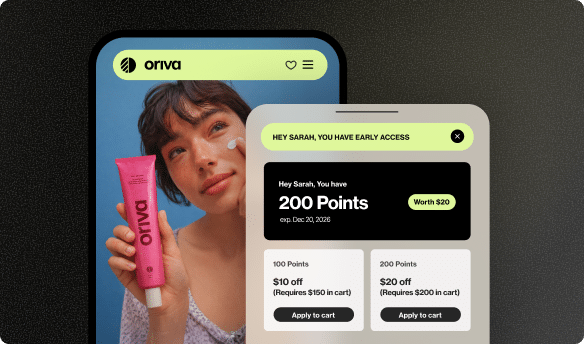
- Building Loyalty: When customers feel they’re getting a good deal and are appreciated for choosing your business, they become loyal. They don’t just buy once; they become part of your community. Yotpo Loyalty helps businesses create programs where customers can earn points, get exclusive discounts, or receive special treats. These programs make customers feel valued and can make the prices, even keystone-based ones, feel like an even better deal, encouraging them to buy again and again.
- Turning Visitors into Buyers: Good pricing, combined with clear value and customer trust, makes it easier for people to decide to buy. If a customer sees a product priced fairly and reads great reviews from others, they are much more likely to make a purchase. Improving conversion rates (which means getting more visitors to buy) often comes down to this powerful combination of attractive products, transparent value, and the trust that user-generated content like reviews builds.
So, while keystone pricing gets you to a solid starting point, integrating customer understanding and engagement through tools like Reviews and Loyalty is what truly helps a business not just survive, but flourish and grow big!
Making Smart Pricing Decisions
Setting prices is much more than a one-time decision; it’s an ongoing process for any successful business. It’s like finding the perfect balance on a seesaw – you need to keep adjusting to stay steady and happy. Smart businesses constantly think about how to make their pricing work best for both them and their customers.
Here are some clever ways stores make sure their pricing is always on point:
- Testing Prices: Sometimes stores will try selling a new item at a slightly higher price for a short time, and then a slightly lower price, just to see what customers respond to best. This helps them find the “sweet spot” where they make a good profit and customers are still happy to buy.
- Listening to Customers: This is huge! Businesses pay close attention to what people say. If many customers comment that an item is too expensive, it’s a clear signal to rethink the price. On the flip side, if customers are constantly praising the value, it confirms the price is right. Tools that help businesses collect honest feedback, like those that help ask customers for reviews, are invaluable here. Customer feedback gives businesses a direct line to understanding how their pricing is perceived.
- Offering Value Beyond Price: Sometimes, a product might have a keystone price that’s a bit higher than a competitor’s. But customers are still happy to buy from that store because of other things. Maybe the customer service is amazing, the shopping experience is fun, or the products are truly unique. All these things add to the “value” a customer feels they are getting, making them okay with paying a little more. This concept is central to a great ecommerce customer experience.
- Leveraging User-Generated Content: Imagine seeing a T-shirt for $25. If there are no reviews, you might think twice. But what if you see dozens of glowing reviews with customer photos showing how soft it is, how well it fits, and how long it lasts? Those real stories and pictures from other shoppers make the $25 price seem totally reasonable! This kind of content, known as user-generated content (UGC), especially visual UGC, can powerfully show the true value of a product, making customers feel much better about its price.
By using these smart strategies, businesses can make sure their pricing is fair, attractive, and helps them keep growing strong.
The Role of Customer Feedback in Pricing
Customer feedback is like having a secret superpower for stores when it comes to pricing. It gives them direct insights into what people truly think about their products and whether they feel the prices are fair. Without this feedback, businesses are just guessing!
Imagine you’ve set a keystone price for a new backpack at $40. You might think it’s a great price, but your customers might feel differently. If many people leave reviews saying the backpack is amazing quality for $40, then you know you’ve hit the mark! But if reviews start popping up that say, “It’s nice, but $40 feels a bit much for this,” then you have valuable information that tells you to re-evaluate.
Yotpo Reviews is a fantastic tool that helps businesses gather these important thoughts from their customers. When shoppers share their opinions, it does two main things:
- Informs the Business: It tells the store owner if their pricing aligns with customer expectations. This feedback helps them make smart adjustments.
- Guides Other Shoppers: When potential new customers see positive reviews that talk about the great value or quality for the price, it builds confidence. Seeing how much others love a product can make a keystone-priced item seem completely worth every penny, even if it might appear a little higher than expected at first glance. It helps create trust and shows the real-world value of the item.
So, feedback isn’t just about making products better; it’s also about making sure the prices feel right to the people who are actually buying them!
Loyalty Programs and Perceived Value
Now, let’s talk about loyalty programs. These are super clever ways to make customers feel like they’re getting even more for their money, even when a product is priced using the keystone method. It’s all about making the value of a purchase feel even bigger!
Think about that robot action figure we talked about earlier, priced at $16 using keystone. A customer buys it, and they’re happy. But what if, when they buy it, they also earn points in a special loyalty program? These points could then give them a discount on their *next* purchase, or unlock a special reward. All of a sudden, buying that $16 robot feels like an even better deal because it’s helping them save money or get something extra later on!
Yotpo Loyalty helps businesses build these kinds of fun and rewarding programs. These programs do more than just offer discounts; they make customers feel appreciated and special. When customers are part of a loyalty program, they tend to:
- Feel More Connected: They feel like they’re part of a club, not just a customer.
- See More Value: The rewards they earn add extra value to every purchase they make, which can make the initial price seem more attractive.
- Come Back More Often: The desire to earn more points or reach a new reward level encourages them to shop again and again.
By combining a solid pricing strategy like keystone with the added benefits of a loyalty program, businesses can really boost how much value customers feel they’re getting. This helps strengthen the appeal of products and encourages lasting relationships with shoppers.
Keeping Your Business Healthy with Smart Pricing
At the end of the day, smart pricing is all about keeping a business healthy and thriving. Just like you need to eat healthy food to have energy to play, a business needs to make a profit to have the energy to grow and serve its customers well.
- Profit is Key: Without making enough money on the items it sells, a store can’t stay open. It can’t pay its rent, its employees, or buy exciting new products. Profit isn’t just a number; it’s what allows a business to continue doing what it loves.
- Growth: When a business makes smart pricing decisions, it often leads to growth. This means it can open new locations, hire more people, or offer even more amazing products. Smart pricing fuels that expansion and helps the business reach more happy customers.
- Customer Happiness: A business that gets its pricing right, combines it with great customer service, and offers valuable products will have happy customers. And what do happy customers do? They tell their friends! This “word-of-mouth marketing” is incredibly powerful. You can learn more about its impact on business growth through resources on word-of-mouth marketing.
So, by understanding simple methods like keystone pricing, and then combining them with powerful tools that help you listen to customers and build lasting loyalty, businesses can set themselves up for incredible success. It’s all about finding that perfect balance where the business makes enough money, and the customers feel they’re getting fantastic value for their purchases.
Keystone pricing offers a simple, easy-to-understand way for businesses to start setting prices. It’s a quick calculation that helps ensure a store covers its basic costs and makes a necessary profit. But as we’ve explored, smart businesses don’t stop there. They also think carefully about what their customers value, what competitors are doing, and how to create a great overall shopping experience.
Tools that help businesses gather feedback, like Yotpo Reviews, and those that build loyalty, like Yotpo Loyalty, play a huge role in refining any pricing strategy. They help businesses truly understand their customers and create lasting relationships. By combining straightforward pricing methods with a deep understanding of customer needs, businesses can ensure they not only survive but also grow strong and make many customers happy for years to come.










 Join a free demo, personalized to fit your needs