








Have you ever needed help with something you bought online, like a toy that wouldn’t work or a shirt that was the wrong size? When you reach out to the company for help, you’re interacting with their customer support. A help desk software is like a super-organized digital headquarters for all those customer questions and problems. It’s a special computer program that helps businesses keep track of every message, email, and phone call from their customers, making sure everyone gets the help they need quickly and smoothly. Think of it as the brain behind great customer service!
What Exactly Is Help Desk Software?
Imagine your favorite toy store gets hundreds of questions every day. Some kids want to know if a new video game is in stock, others need help with a broken action figure, and some just want to say how much they love their new puzzle. Without a good system, it would be a jumbled mess! Emails would get lost, phone calls would go unanswered, and kids would get frustrated.
That’s where help desk software comes in. It’s a smart tool designed to manage all these customer interactions in one central place. Instead of scattered emails and sticky notes, every question, problem, or comment from a customer becomes a “ticket.” This ticket is like a special file that tracks everything about that one customer’s request. It makes sure no one is forgotten and every problem gets solved.
Why Do Businesses Need Help Desk Software?
You might wonder, why can’t companies just use regular email? Well, a business that helps lots of customers needs more than just email. Here’s why help desk software is so important:
- Keeps Things Organized: Every customer’s message goes into a ticket. This means it’s easy to see who needs help, what they need help with, and who is helping them. No more lost messages!
- Faster Help: When everything is organized, customer helpers (we call them agents) can find information and respond much faster. This means you get answers quicker.
- Happier Customers: Getting quick, helpful support makes customers feel valued and happy. Happy customers often come back to buy more things.
- Better Teamwork: If one helper starts working on a problem but needs a second opinion, the help desk software lets them easily share the ticket with a teammate. Everyone knows what’s happening.
- Learn and Improve: The software keeps records of common questions and problems. Businesses can use this information to make their products or services better, so fewer problems happen in the future!
How Does Help Desk Software Work Its Magic?
Help desk software uses several clever tools to make customer service super efficient. Let’s peek behind the curtain:
The Ticketing System: Your Digital To-Do List
At the heart of every help desk is the ticketing system. When a customer sends an email, fills out a form on a website, or even chats online, their message automatically turns into a ticket. Each ticket gets a unique number, like a tracking number for a package. This ticket then goes into a queue, waiting for a customer service agent to pick it up.
Think of it like a library. Instead of stacks of loose papers, every book has a call number and its place on a shelf. The ticketing system is similar – it organizes all customer requests so they can be easily found and managed. Agents can update the ticket with notes, mark it as “in progress,” or “solved,” and even assign it to someone else. This way, everyone knows the status of a customer’s request.
The Knowledge Base: Your Self-Help Library
Ever tried to fix a problem yourself by looking up instructions online? That’s what a knowledge base is for! It’s a huge collection of articles, guides, and frequently asked questions (FAQs) that customers can access themselves. Instead of waiting for an agent, you can find answers to common questions immediately, any time of day or night. For example, if you want to know how to set up a new phone, you might find a step-by-step guide in the knowledge base.
This is a win-win: customers get instant answers, and agents have fewer simple questions to answer, freeing them up to tackle tougher problems. It makes everyone’s life easier!
You can find examples of how businesses gather information and make it easily accessible in their FAQs and resource pages. This helps customers make informed decisions and often solves their questions before they even need to contact support.
Self-Service Portals: Empowering Customers
A self-service portal is like a special online account for customers where they can do many things on their own. They can:
- Track the status of their tickets (see if their problem is being worked on).
- Find answers in the knowledge base.
- Update their own contact information.
- Submit new questions or problems.
This gives customers control and makes them feel more in charge of their experience. It’s like having a dedicated desk at the company just for you!
Automation: Making Things Faster and Smarter
Help desk software uses smart automation to speed things up. Imagine rules like this: “If a customer asks about ‘shipping,’ automatically send them a link to the shipping information page.” Or, “If a ticket hasn’t been answered in 24 hours, send a reminder to the agent.”
This kind of automation saves time for both customers and agents. It ensures that urgent issues get noticed and that routine questions are answered without human intervention, making the whole process much smoother.
Key Features of Great Help Desk Software
Not all help desk software is the same! The best ones have a few extra special features that make a big difference:
Multi-Channel Support: Reaching Out Your Way
People like to communicate in different ways. Some prefer email, others like to chat live on a website, and some want to talk on the phone. Great help desk software offers multi-channel support, meaning it can handle requests from all these different places:
- Live chat on a website
- Phone calls
- Social media messages
- Even text messages!
All these messages turn into tickets in the same system, so agents see everything in one place. This makes sure no customer gets left behind, no matter how they reach out.
Reporting and Analytics: Learning from Every Interaction
Good help desk software isn’t just about solving problems; it’s also about learning. It collects data about how many tickets come in, how long it takes to solve them, and what kinds of problems are most common. This is called reporting and analytics.
Imagine seeing a report that shows many people are asking how to use a certain feature in a product. The business can then create a clearer instruction manual or even change the product to make that feature easier to use. This data helps businesses continuously improve and offer a better experience overall. Understanding these trends is key for improving conversion rates and making smarter decisions.
CRM Integration: Knowing Your Customers Better
Sometimes, customers have a history with a company. Maybe they’ve bought many things, or they’ve had a problem before. CRM integration (CRM stands for Customer Relationship Management) means the help desk software can talk to other systems that store customer information.
When an agent gets a ticket, they can instantly see everything about that customer – their past purchases, previous support interactions, and more. This helps the agent give more personalized and helpful support, making the customer feel truly understood and valued.
Collaboration Tools: Working Together for You
Think of a team of superheroes. Each one has a special power, but they work best together. Help desk software often has collaboration tools that let customer service agents work together on tricky problems. They can share notes, discuss solutions, or even pass a ticket to an expert teammate, all within the software. This ensures that even the toughest problems get solved efficiently because the whole team can contribute their knowledge.
Help Desk Software and the Customer Journey
A customer’s journey with a business doesn’t just end after they buy something. It continues every time they interact with that business, especially when they need help. Help desk software plays a huge role in making sure this journey is positive, even if a problem comes up. A smooth support experience can turn a potentially bad situation into an opportunity to show a customer how much you care.
In fact, how a business handles problems can significantly impact consumer decision-making and whether they decide to stick with that business. A positive support interaction can build immense trust and lead to a more loyal customer.
Beyond Solving Problems: Building Stronger Customer Relationships
While a help desk is fantastic for solving problems, truly successful businesses go further. They don’t just fix issues; they build real relationships with their customers. This is where other smart tools come into play, working alongside or complementing the work of help desk software.
The Power of Customer Feedback (Reviews)
Imagine after you get help from a company, they ask you, “How was our service? What could we do better?” This is collecting customer feedback, and it’s incredibly powerful. Companies that genuinely listen to what their customers say can learn so much and continuously improve. This helps prevent future problems that might end up as help desk tickets!
Collecting customer reviews is a fantastic way to gather this feedback. When businesses actively encourage customers to share their thoughts and experiences, they gain valuable insights. For example, if many reviews mention that a product part is difficult to assemble, the business knows to create clearer instructions or improve the part itself. This proactive approach can reduce the number of common questions and issues that flood a help desk.
Reviews aren’t just for feedback, though. They also build trust. When other people see positive reviews, they feel more confident buying from that business. Businesses can even use user-generated content, like photos or videos from happy customers, to show how much their products are loved. It’s like having your friends recommend something!
Learning how to ask for customer reviews effectively can significantly boost this valuable feedback loop. This feedback can then be used to enhance everything from product design to the information available in a help desk’s knowledge base.
Here’s how customer reviews can help:
| Benefit of Customer Reviews | How It Helps the Customer Experience |
|---|---|
| Identify Common Problems | Spot recurring issues with products or services, allowing businesses to fix them before more customers experience them. |
| Improve Products/Services | Directly influence product development and service delivery based on real user experiences. |
| Build Trust and Credibility | Show potential customers that the business listens and cares, reinforcing confidence in their purchases. |
| Enhance Self-Service | Feedback from reviews can help populate knowledge bases with answers to actual customer questions, reducing help desk tickets. |
| Boost Customer Loyalty | Customers feel heard and valued when their feedback leads to improvements. |
For businesses focused on selling things online, understanding the power of ecommerce product reviews is crucial. These reviews guide other shoppers and give businesses crucial information for improving their offerings and customer support.
Rewarding Loyalty for Happy Customers
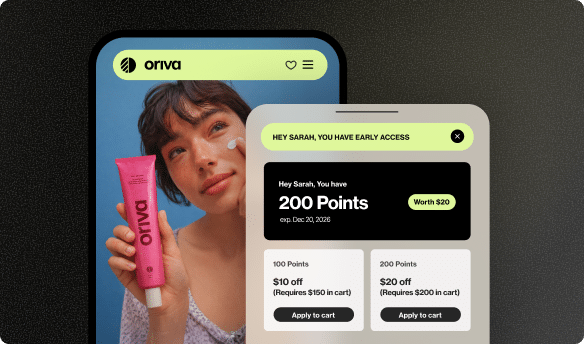
After a great experience with a company, perhaps even after getting super helpful support from their help desk, what makes you want to come back again and again? Often, it’s feeling special and appreciated. This is where loyalty programs come in. A loyalty program is a system where customers earn rewards for buying things or interacting with a business. It’s like a special club where you get perks for being a valued member!
These programs encourage people to become repeat customers, which is incredibly important for businesses. They can offer points for every purchase, special discounts, early access to new products, or even birthday surprises. When a customer knows they’ll get rewarded for their continued business, they’re much more likely to choose that company again.
Even after a support interaction, a company might use a loyalty program to ensure a customer feels appreciated. Perhaps they offer bonus points for completing a satisfaction survey or a special discount after resolving a complex issue. This shows an extra layer of care beyond just fixing a problem.
Building strong customer relationships through loyalty programs is a key part of customer retention. It’s all about keeping customers happy so they choose you again and again. These efforts are especially important in the world of online shopping, where ecommerce retention can truly make a difference for a business.
The best loyalty programs are not just about discounts; they create a feeling of belonging and value. They turn one-time buyers into lifelong fans. Businesses can explore different loyalty program use cases to find what works best for their customers and their brand.
Choosing the Right Help Desk Software
If a business is looking for help desk software, they should consider a few things:
- Is it easy to use? Both for the customer service agents and the customers themselves.
- Can it grow with the business? As a business gets more customers, the software should still be able to handle all the requests.
- Does it connect with other tools? Like the systems that manage customer information or those that collect reviews and manage loyalty programs.
- Is the company that made the software helpful? They should offer good support for their own product.
The Big Picture: All About Keeping Customers Happy
Ultimately, help desk software, combined with powerful tools like customer reviews and loyalty programs, all work together for one big goal: creating an amazing customer experience. When customers feel understood, get quick help, and are rewarded for their loyalty, they don’t just buy products; they become fans. They tell their friends, they come back for more, and they help the business grow. It’s all about making every interaction positive and building lasting relationships. That’s the real magic behind great customer service!










 Join a free demo, personalized to fit your needs