








What is a Funnel Analysis?
Imagine your favorite online store, like one that sells cool toys or awesome clothes. When you visit their website, you don’t just magically buy something, right? You probably look around, maybe click on a few items, read about them, and then, if you really like something, you add it to your cart. Finally, you buy it! This journey, from just looking to actually buying, is what we call a “customer journey” or, in business talk, a “funnel.”
So, what exactly is a funnel analysis? Think of it like a detective game for online stores. Businesses want to understand every step you take on their website, from the moment you first land on their page to when you become a happy customer. A funnel analysis helps them watch this journey closely. It shows them where lots of people are clicking and moving forward, and more importantly, where people might be getting stuck or leaving altogether. It’s like finding the leaks in a water slide!
Understanding this journey is super important for any online business. Why? Because if they know where people are having trouble, they can fix it! This means more happy customers and more sales. It helps businesses like the ones Yotpo works with make their websites even better for you. You can learn more about how customers make decisions on an online store by checking out our resources on the consumer decision-making process.
What Does a Funnel Look Like? (And Why is it Like a Funnel?)
You might be wondering why we call it a “funnel.” Well, imagine a real funnel you use in the kitchen. It’s wide at the top and narrow at the bottom. Lots of liquid goes into the wide top, but only some of it makes it through the narrow spout at the bottom, right?
An online shopping journey is very similar! At the very beginning, lots and lots of people might visit an online store. That’s the wide top of the funnel. But not everyone who visits will explore every single page, and even fewer will add something to their cart. Even fewer still will actually buy something. So, as people move through the steps, the number of people gets smaller and smaller, just like the funnel gets narrower. This visual helps businesses see how many people are moving from one step to the next.
It’s natural for some people to drop off at each stage. Not everyone who looks at a toy will want to buy it! But a funnel analysis helps businesses figure out if too many people are dropping off at one specific spot, which might mean there’s a problem they need to fix.
The Different Stages of an E-commerce Funnel
Let’s break down the typical steps people take when shopping online. Think of these as the different sections of our imaginary funnel:
Stage 1: Awareness (Learning About a Store or Product)
- This is the very beginning! You might see an ad for a cool new gadget on social media, or a friend might tell you about a great store.
- Maybe you searched for “best kids’ science kits” on Google, and a store’s website popped up.
- At this stage, you’re just becoming aware that the store or product even exists.
Stage 2: Interest (Checking Things Out)
- Now you’re a bit curious! You click on the ad, or you visit the website your friend told you about.
- You might scroll through different product categories, read a blog post, or look at pretty pictures of items.
- You’re showing interest, but you’re not ready to commit to anything yet.
Stage 3: Consideration (Thinking Seriously About Buying)
- This is where you start to get serious. You might click on a specific product page, read all the details, and maybe even zoom in on the pictures.
- You’re comparing this product to others you’ve seen. You might read what other people have said about it – those all-important customer reviews! This is where tools like Yotpo Reviews become super helpful, giving you confidence.
- You might even add the item to your wish list or bookmark the page.
Stage 4: Purchase (Making the Big Buy!)
- Hooray! This is the goal for the online store. You’ve decided this is the item for you.
- You add it to your shopping cart, fill out your shipping information, and click “buy.”
- You’ve successfully completed your purchase and are now a customer! Businesses are always looking for ways to improve their ecommerce conversion rate to get more people to this stage.
Stage 5: Retention & Advocacy (Coming Back for More and Telling Friends)
- The journey doesn’t end after you buy something! Online stores want you to be so happy that you come back again and again. This is called customer retention.
- They also hope you’ll tell your friends and family how great your experience was. This is called advocacy or word-of-mouth marketing.
- Things like loyalty programs, where you earn points for buying, or getting special perks, really help with this stage. Yotpo’s Loyalty product is designed to help businesses build these strong relationships.
See? Each step is a bit like passing through a gate. Funnel analysis helps businesses count how many people pass through each gate and where most people decide to turn back.
Why is Funnel Analysis So Important for Online Stores?
Think about a video game. If your character keeps falling off the same cliff, you’d want to know why, right? Is the jump too far? Is there a hidden obstacle? Funnel analysis helps online stores find their “cliffs” or “leaks.” Here’s why it’s a big deal:
Finding the “Leaks”
This is the main reason! If a lot of people add items to their cart but then leave without buying, that’s a huge leak. A funnel analysis will show this clearly. Businesses can then investigate: Is the shipping too expensive? Is the checkout process confusing? Once they find the leak, they can try to plug it.
Improving Customer Experience
No one likes a frustrating shopping experience. By understanding where customers get stuck, businesses can make their websites smoother and easier to use. This makes you, the shopper, happier!
Making More Sales
When businesses fix the leaks in their funnel, more people complete their purchases. This naturally means more sales without necessarily needing to bring in more new visitors. It’s about making the most of the visitors they already have.
Keeping Customers Happy and Coming Back
The funnel analysis doesn’t just stop at the purchase. It also helps businesses see if customers are coming back. If not, they can think about ways to encourage repeat business, like offering special discounts or setting up a fun loyalty program. We talk more about this in our article on how to improve customer retention.
How Do We Do Funnel Analysis? (Step-by-Step)
So, how do businesses play this detective game? It’s not magic; it involves looking at data! Here’s a simplified look at the process:
Step 1: Define Your Funnel Stages
First, businesses decide what steps are most important in their customer’s journey. For example:
- Visited homepage
- Viewed a product page
- Added item to cart
- Started checkout
- Completed purchase
These stages help them organize the data they’re going to collect.
Step 2: Collect Your Data
Online stores use special tools, like website analytics programs, to track what people do on their site. Every click, every page view, every time an item is added to a cart – it all gets recorded (anonymously, of course, protecting your privacy!). This data helps them understand the big picture of user behavior. This is crucial for understanding your overall ecommerce marketing funnel.
Step 3: Visualize the Funnel
Once they have the data, they put it into a chart or graph that looks like our kitchen funnel. This makes it super easy to see the numbers at each stage.
Let’s look at an example table:
| Funnel Stage | Number of Visitors | Percentage from Previous Stage |
|---|---|---|
| Visited Homepage | 10,000 | – |
| Viewed Product Page | 5,000 | 50% |
| Added Item to Cart | 1,500 | 30% |
| Started Checkout | 1,000 | 67% |
| Completed Purchase | 700 | 70% |
This table clearly shows the drop-offs at each stage.
Step 4: Look for Drop-offs (Where Are the Leaks?)
This is the fun part for the detectives! They look for big drops in numbers between stages. In our example table, a big drop happens between “Visited Homepage” (10,000) and “Viewed Product Page” (5,000). Half the people left right away! Another drop is between “Viewed Product Page” and “Added Item to Cart” – only 30% of those who looked at products actually put something in their cart. These are the “leaks” they need to investigate.
Step 5: Understand “Why” (Dig Deeper)
Just knowing where people leave isn’t enough. Businesses need to figure out why. They might:
- Look at what pages people clicked on before leaving.
- Read customer feedback or reviews to see if there are common complaints.
- Do tests where they change one thing on the website to see if it makes a difference.
Step 6: Make Changes & Test (Fixing the Leaks)
Once they have an idea of why people are leaving, they make changes! Maybe they redesign a confusing page, offer clearer shipping information, or make the “Add to Cart” button stand out more. Then, they watch the funnel again to see if their changes worked. It’s a continuous process of trying, checking, and improving!
How Yotpo Helps You Understand and Improve Your Funnel
Yotpo offers powerful tools that directly help businesses improve different stages of their customer funnel, especially from the consideration phase right through to turning customers into loyal fans. We focus on two key areas: making sure customers trust what they see and giving them great reasons to come back.
Yotpo Reviews: Building Trust at Every Stage
Think about how you shop. Do you trust a product more if other people have said good things about it? Absolutely! That’s where Yotpo Reviews comes in. Reviews are like little trust signals that can really help people move through the funnel.
- Awareness & Interest: When you search for something online, products with lots of good reviews often show up higher in search results. This helps new customers discover the product. When they land on a page, seeing stars and positive comments immediately makes the product more appealing.
- Consideration & Purchase: This is where reviews shine! When you’re trying to decide if you should buy something, reading detailed reviews from real people gives you confidence. You can learn about the product’s quality, how it works, and if it’s the right fit for you. Yotpo helps businesses collect these reviews easily, displaying them clearly on product pages, making your decision much easier. This can really impact your decision to add to cart and complete a purchase. Online stores find that having ecommerce product reviews is essential.
- Retention: Even after you buy, Yotpo can help businesses ask you for your feedback. Sharing your experience and seeing your review published can make you feel more connected to the brand, encouraging you to return.
By using Yotpo Reviews, businesses can create a much more trustworthy and engaging shopping experience, which helps reduce those “drop-offs” in the earlier parts of the funnel.
Yotpo Loyalty: Turning Buyers into Best Friends
Once someone makes a purchase, the goal isn’t just to make one sale. It’s to make a customer for life! This is where Yotpo Loyalty becomes incredibly important, especially in the later stages of the funnel: retention and advocacy.
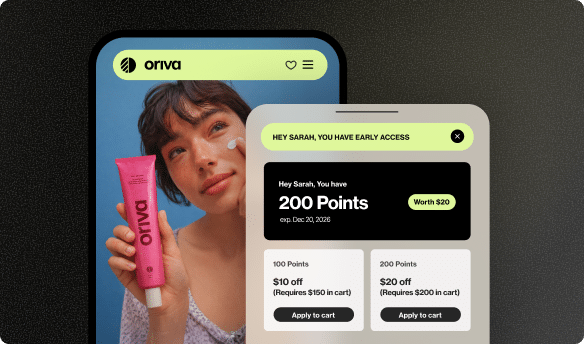
- Purchase & Beyond: With Yotpo Loyalty, businesses can set up special programs where you earn points for every purchase. These points can then be used for discounts on future buys. This gives you a great reason to come back and buy again! It’s like a secret club where you get rewarded for being a loyal member. You can find more details on how loyalty programs work for products.
- Retention & Advocacy: Loyalty programs go beyond just discounts. They can offer special perks like early access to new products, exclusive gifts, or even a birthday treat! These things make you feel valued and special, making you want to stick with that brand. Yotpo helps businesses create these amazing experiences. They can even reward you for telling your friends about them, turning you into a brand ambassador! We have many success stories about how businesses use loyalty programs.
While Yotpo Reviews builds initial trust and drives purchases, Yotpo Loyalty works to keep customers engaged and coming back long after their first purchase, effectively widening the bottom of that funnel and turning single buyers into regular customers and enthusiastic advocates.
You can see how both Yotpo Reviews and Yotpo Loyalty work together to create a stronger, happier customer journey from start to finish, helping businesses improve their ecommerce customer experience.
Common Challenges in Funnel Analysis
Even though funnel analysis is super helpful, it’s not always easy. Businesses sometimes run into a few tricky spots:
- Too much data: Sometimes there’s so much information, it’s hard to know where to start or what’s important. It’s like having too many toys and not knowing which one to play with first!
- Not enough data: For very new stores, there might not be enough people visiting yet to get clear patterns.
- Misunderstanding customer behavior: Sometimes the data shows “what” happened, but not “why.” For example, it might show people leave the cart page, but not why they left. Was it shipping cost? A complicated form? Businesses need to dig deeper.
- Customers don’t always follow a straight line: People don’t always go from step 1, to 2, to 3, then 4. They might jump around, leave the site and come back later. This makes the “funnel” look less like a perfectly smooth slide and more like a playground with lots of different paths!
Tips for a Great Funnel Analysis
For any online store looking to master this detective work, here are some smart tips:
- Start simple: Don’t try to analyze every single click at first. Pick the most important stages (like homepage to purchase) and focus there.
- Focus on one stage at a time: If you find a big drop-off between “product page view” and “add to cart,” focus all your efforts on understanding and fixing that one area before moving on.
- Always be testing: When you make a change, test it! See if it actually makes a difference. This is called A/B testing, and it’s like trying two different flavors of ice cream to see which one people like best.
- Listen to your customers: Reviews, surveys, and feedback forms are gold! They tell you directly what people like and dislike, helping you understand the “why” behind their actions.
- Keep an eye on the bigger picture: Remember that customer journeys can be complex. Sometimes, the problem isn’t just one page, but how different parts of the website work together.
Conclusion
So, what is a funnel analysis? It’s like having X-ray vision for your online store! It helps businesses clearly see how customers move through their website, from just looking to becoming a loyal shopper. By understanding each step, and identifying where people might be getting stuck, businesses can make smart changes to improve the shopping experience for everyone. This leads to happier customers, more sales, and a thriving online store.
Tools like Yotpo Reviews help build trust right from the start, making people more likely to consider and purchase. And Yotpo Loyalty makes sure that once someone buys, they’re given great reasons to come back again and again, turning them into long-term fans. It’s all about making the online shopping journey as smooth, fun, and rewarding as possible!










 Join a free demo, personalized to fit your needs