








What’s a Loyalty Program? Think of a Secret Club!
Have you ever been part of a special club? Maybe a book club, a sports team, or even a secret society with your friends? Well, many of your favorite stores have their own kind of secret club, and they call it a loyalty program. It’s a way for businesses to say “thank you” to their best customers – the ones who shop with them again and again.
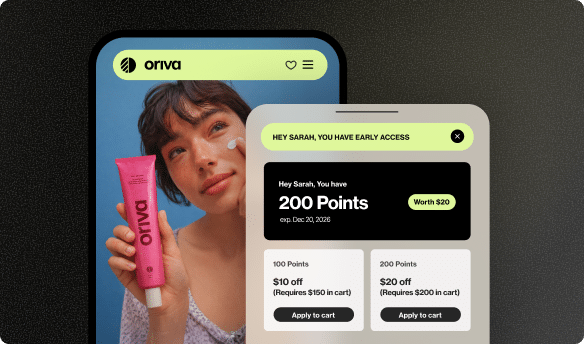
Imagine you have a favorite toy store. Every time you buy a toy, you might earn points. These points are like gold coins you collect. Once you have enough points, you can trade them in for something cool, like a discount on your next toy, a free comic book, or even a special edition action figure! That’s the magic of a loyalty program.
Stores absolutely love loyalty programs because they help them keep their customers happy and coming back. When you know you’ll get a reward for shopping at a certain place, you’re more likely to choose that store over another. It’s a win-win: you get special perks, and the store gets to have you as a loyal friend. Tools like Yotpo Loyalty are what businesses use to create these amazing clubs, making it super easy for them to give their customers reasons to return.
So, a loyalty program is basically a fun game where you earn rewards for being a regular shopper. It makes shopping more exciting and helps you get more value from the places you love.
Unpacking the “Tier” Part: Levels in Your Club
Now, think about those clubs again. Sometimes, clubs have different levels, right? Like a beginner level, an intermediate level, and an expert level. Loyalty programs can work the same way! These levels are called tiers.
Imagine your toy store loyalty club has three tiers: Bronze, Silver, and Gold. When you first join, you might be a Bronze member. This level gives you some nice perks, like a small discount on your birthday. But if you shop more often or spend a bit more money, you might move up to the Silver tier. At Silver, you get even better benefits, perhaps free shipping on all your orders, or access to sales before anyone else.
And then there’s Gold! The top tier. Gold members usually get the very best rewards. Maybe they get bigger discounts, exclusive invitations to new product launches, or even a dedicated customer helper just for them. Each tier is designed to make you feel more and more special as you climb the ranks.
The idea behind tiers is simple: the more loyal you are to a store, the better the rewards you get. It’s like leveling up in a video game – you unlock cooler stuff as you progress. Businesses use tiers to encourage customers to engage more with their brand, knowing that higher tiers mean happier, more invested customers.
The “Frequency” Fun: How Often You Shop
So, we’ve talked about loyalty programs and tiers. Now, let’s add another important idea: frequency. Frequency just means “how often” something happens. For example, how often do you eat ice cream? How often do you play outside? In the world of shopping, frequency means how often you visit a store or make a purchase.
Think about two different shoppers at your favorite store:
- Shopper A: Buys one really expensive toy once a year.
- Shopper B: Buys a small toy or a comic book every single month.
Both shoppers spend money, but Shopper B has a higher “frequency” of purchases. They come back more often. For businesses, knowing how often a customer shops can be super important. Why? Because a customer who shops frequently is often more connected to the brand and is less likely to forget about them.
Many loyalty programs focus on how much money you spend. If you spend a lot, you move up a tier. But some clever programs also look at how often you shop. They want to reward those customers who make shopping with them a regular habit, not just those who make one big purchase once in a while.
Understanding frequency helps stores build stronger relationships with their customers. It’s not just about the size of your wallet, but also about the consistency of your visits. This is where frequency-based tier qualification comes into play, making loyalty programs even more exciting and fair for everyone.
Putting It All Together: Frequency-Based Tier Qualification
Now, let’s combine these ideas into one super-powered concept: Frequency-Based Tier Qualification. This is a fancy way of saying that you move up to a higher loyalty club level (a “tier”) not just by how much money you spend, but by how often you shop at a store.
Imagine your toy store loyalty club again. Instead of needing to spend $500 to become a Silver member, the store might say: “If you make 3 separate purchases within one month, you become a Silver member!” It doesn’t matter if each purchase was only $10 or if one was $100. What matters is that you came back to the store three different times.
The main goal of a frequency-based tier program is to encourage you to make shopping at that store a habit. It gently nudges you to think of them first for your regular needs. It’s like earning points for showing up to practice often, even if you don’t score the most goals every time.
This type of program is fantastic for businesses because it helps them create a steady stream of returning customers. It builds consistent engagement rather than just rewarding big, infrequent splurges. For you, it means you can reach higher tiers and unlock better rewards simply by continuing to choose your favorite store for your regular purchases.
Why Would a Store Use This?
Businesses love frequency-based tier qualification because it helps them in several key ways:
- Builds Shopping Habits: It encourages customers to visit or buy regularly. If you know that making one more purchase this month will get you to the next tier, you’re more likely to do it!
- Rewards Consistent Engagement: It recognizes and celebrates customers who are consistently thinking about and interacting with the brand.
- Boosts Customer Retention: Keeping customers coming back is super important for any business. Frequency-based programs are excellent for improving customer retention because they give shoppers a clear goal to aim for that involves repeated interaction.
- Broadens Loyalty: It can make loyalty more accessible. A customer who buys many smaller items frequently can feel just as valued as someone who makes one huge purchase.
This approach helps businesses focus on creating lasting relationships, ensuring their customers remain connected and excited about what they offer. It turns shopping into an ongoing journey of discovery and reward.
How Frequency-Based Tiers Work in Real Life
Let’s walk through an example to see how a frequency-based tier program might look for a real store. Imagine a coffee shop that sells delicious drinks and snacks. They want their customers to visit often, so they create a loyalty program with frequency-based tiers:
Coffee Lover’s Club Tiers:
- Join the Club: Anyone can sign up. You start at the “Bean Enthusiast” tier.
- Set the Rules: The coffee shop decides how many visits or purchases qualify you for each tier within a specific time, like a month.
- Earn Rewards: Each tier comes with its own special benefits.
Here’s what their tier rules might look like:
| Tier Name | Qualification (in one month) | Benefits |
|---|---|---|
| Bean Enthusiast | 1-2 purchases | 10% off on your birthday; small discount on pastries. |
| Brew Master | 3-4 purchases | Free size upgrade on any drink; early access to new seasonal blends; bigger discount on pastries. |
| Espresso Elite | 5+ purchases | One free drink of choice per week; exclusive invitations to coffee tasting events; personalized mug. |
In this example, if you buy coffee 3 times in a month, you automatically become a Brew Master. If you manage to stop by 5 or more times, you’re upgraded to Espresso Elite! It’s all about how often you choose to enjoy their coffee. The store tracks your purchases, and your tier updates automatically.
This system makes it clear and exciting for customers. They know exactly what they need to do to unlock better rewards, and it encourages them to make that extra stop for a delicious drink. It builds a sense of progression and achievement, making the customer feel valued for their consistent patronage.
Common Ways to Measure “Frequency”
When a business sets up a frequency-based tier program, they need to decide what “frequency” actually means to them. Here are some common ways stores track how often their customers interact:
- Number of Purchases: This is perhaps the most straightforward. The store simply counts how many times you make a purchase within a specific period (e.g., 3 purchases in 30 days).
- Number of Visits: For physical stores, this could mean how many times you physically enter the store and make any transaction, even a small one. For online stores, it could be how many distinct times you visit their website.
- Specific Actions: Sometimes, frequency can be measured by how often you complete certain important actions. For example, leaving a product review could count as an engagement point. Or sharing a product on social media. This is a great way to encourage helpful activities that benefit the brand.
The key for any business is to pick a measurement that truly reflects customer loyalty and engagement for their unique products or services. Using powerful tools makes tracking this easy and automated.
The Big Benefits for Businesses (and You!)
Frequency-based tier qualification isn’t just a cool trick; it brings real advantages for both the businesses that use it and the customers who participate.
- Better Customer Loyalty: When you’re rewarded for shopping often, you naturally feel more connected to that store. It creates a habit and makes you less likely to try other places. This loyalty means customers stick around longer, which is vital for ecommerce retention.
- More Sales, More Often: This system is designed to get customers to make more purchases throughout the year, not just during big sales. Those smaller, frequent purchases add up and provide a steady stream of business for the store.
- Understanding Customers Better: By tracking who shops frequently, businesses gain valuable insights. They can see which customers are their most engaged and learn what keeps them coming back. This helps them improve their products and services even more.
- Stronger Community and Connection: Being part of a tiered loyalty program makes customers feel like they’re part of an exclusive group. This creates a sense of community around the brand, making customers feel special and appreciated.
- Increased Customer Lifetime Value: When customers buy more often and stay loyal longer, the total amount of money they spend with a business over their lifetime increases significantly. This is a massive win for businesses.
In short, frequency-based tiers help businesses grow by fostering strong, lasting relationships with their customers. And for you, the customer, it means more rewards, more special treatment, and a more enjoyable shopping experience!
Making Loyalty Programs Easy with Yotpo Loyalty
Setting up and running a fantastic loyalty program, especially one with clever frequency-based tiers, might sound complicated for a business. But that’s where powerful tools like Yotpo Loyalty come in to save the day!
Imagine you own a store. You want to reward your best customers based on how often they visit, but you don’t want to spend hours manually tracking every purchase. Yotpo Loyalty makes it simple. It’s designed to let businesses easily create different tiers and set up the rules for how customers qualify for each tier, including those based on frequency.
With Yotpo Loyalty, a business can tell the system: “If a customer makes 3 purchases in 90 days, move them to our Gold tier.” The software then automatically tracks all customer purchases and updates their tier status without any extra work. It handles all the behind-the-scenes calculations, making sure customers are always in the correct tier and receiving the right rewards.
It also allows businesses to be super creative with their rewards. Whether it’s discounts, free products, exclusive access, or even points that can be redeemed later, Yotpo Loyalty helps manage all of it seamlessly. It ensures that customers always know what tier they are in and what amazing benefits await them. This ease of use means businesses can focus on providing great products, knowing their loyalty program is running smoothly and effectively, encouraging customers to come back often.
A Perfect Pair: Loyalty and Reviews
Did you know that loyalty programs can become even stronger when they team up with customer reviews? It’s true! Yotpo Reviews is a product that helps businesses collect and show off what their customers think about their products and services. And there’s a fantastic synergy between getting frequent customers and getting frequent reviews.
Think about it: customers who shop often and are part of a loyalty program are usually very happy with the store. These happy, frequent customers are often the best people to leave valuable reviews. Businesses can even offer loyalty points as a reward for leaving a review! This encourages more customers to share their opinions, which helps other shoppers make good choices.
When a store uses both Yotpo Loyalty and Yotpo Reviews, they create a powerful loop:
- Customers shop frequently, earning loyalty rewards.
- Happy, loyal customers are more likely to leave positive reviews.
- These reviews help new customers trust the brand and decide to shop there.
- New customers then join the loyalty program, starting the cycle again!
This combined approach builds trust and keeps customers engaged on multiple levels. It turns customers not just into buyers, but into fans who are excited to share their experiences and keep coming back. Businesses can even use Yotpo Reviews to ask for reviews in smart ways, making it easy for loyal shoppers to contribute their thoughts.
Setting Up Your Own Frequency-Based Tier Program
If you’re a business owner, or just curious about how stores get these programs going, here’s a simplified peek at the steps involved in setting up a frequency-based tier qualification system:
- Understand Your Customers: First, the business needs to think about their shoppers. How often do they currently buy? What would encourage them to buy more frequently?
- Define “Frequency”: Decide what counts as a “frequent” action. Is it a purchase? A visit? An app login? How often should it happen (e.g., per month, per quarter)?
- Create Tier Levels: Give fun names to your tiers (like Bronze, Silver, Gold, or unique names like “Star Shopper,” “Super Saver,” “VIP Customer”). Decide how many tiers you’ll have.
- Set Qualification Rules: For each tier, set clear rules based on frequency. For example:
- Tier 1 (Base): Join for free.
- Tier 2 (Mid): 3 purchases in 60 days.
- Tier 3 (Top): 5 purchases in 60 days.
- Choose Exciting Rewards: Brainstorm what perks will truly motivate customers to reach higher tiers. This could be exclusive discounts, free gifts, early access to new products, or even personalized service.
- Announce and Promote: Once everything is set, the business needs to tell their customers all about the new program! Make it easy for them to understand how to join and how to climb the tiers.
- Track and Adjust: After launching, it’s important to see how the program is working. Are customers engaging? Are they moving up tiers? Businesses use tools to track progress and make changes if needed to keep the program fresh and effective.
Using a specialized loyalty software like Yotpo Loyalty makes these steps much easier. It automates the tracking, updates customer tiers, and helps manage all the rewards, so businesses can focus on what they do best: serving their customers.
The Future of Shopping Fun: Staying Connected with Your Favorite Stores
So, what exactly is a Frequency-Based Tier Qualification? It’s a smart and fun way for your favorite stores to say a big “thank you” for your loyalty. Instead of just looking at how much you spend in one go, these programs celebrate how often you choose to shop with them. It turns shopping into a rewarding journey, where every visit or purchase helps you unlock better and better perks.
For businesses, it’s about building a strong community of returning customers, fostering habits, and ensuring that their most engaged shoppers feel truly special. This approach helps stores grow and thrive by creating lasting relationships rather than just one-time sales.
As you continue to shop online and in stores, you’ll likely see more and more businesses using these clever loyalty systems. They are designed to make your shopping experience more exciting, more rewarding, and to ensure you always feel appreciated by the brands you love. Tools like Yotpo’s Loyalty product are essential for businesses looking to create these seamless and engaging experiences, ensuring that you stay connected with your favorite stores for a long time.
It’s all about making sure that every time you choose a store, you’re not just buying a product, but also building towards something even better. Happy shopping!










 Join a free demo, personalized to fit your needs