








Imagine a team of detectives trying to solve a puzzle. But instead of finding clues about a mystery, they’re trying to figure out what people think about a new toy, a yummy snack, or even a different way to use their favorite app. These “detectives” are businesses, and the way they gather these important clues is often through something called a focus group.
Think of it like a special club meeting where a small group of people gets together to chat about a specific topic. They share their honest thoughts, feelings, and ideas, and a company listens very carefully. It’s a super valuable way for businesses to understand what real people like, dislike, and wish for, helping them make better choices about their products and services.
What Exactly is a Focus Group?
At its heart, a focus group is a planned discussion. It’s not just a casual chat among friends. It’s a carefully put-together meeting where a small bunch of people, usually between 6 to 10 of them, sit down together. They are chosen because they fit a certain description that the company is interested in – maybe they all love playing video games, or they all have pets, or they all shop online a lot. These people are led by a special helper called a moderator.
The moderator’s job is like a friendly guide. They don’t give their own opinions. Instead, they ask questions and make sure everyone gets a chance to speak. Their goal is to encourage the group to talk openly and honestly about a product, an idea, or an advertisement. This could be anything from a brand new kind of breakfast cereal to a website that a store wants to launch.
The cool thing about a focus group is that people don’t just answer “yes” or “no.” They explain why they feel a certain way. They talk about their experiences, their hopes, and their frustrations. This deep understanding is like finding a hidden treasure map for businesses, showing them how to make things even better for their customers.
Why Do Companies Use Focus Groups?
Businesses big and small want to make sure they are creating things that people will love and use. They don’t want to guess! Guessing can be expensive and lead to products that no one buys. That’s where focus groups come in handy. They help companies peek into the minds of their customers without having to launch something first. Here are some big reasons why companies use them:
- To Get New Ideas for Products: Imagine a company wants to invent a new type of snack. They might bring a group of kids together and ask them what flavors they like, what shapes are fun, or what kind of packaging would make them want to grab it off the shelf. These chats can spark completely new ideas that the company never even thought of!
- To Understand Customer Feelings: Sometimes, a company already has a product, but they want to know how people really feel about it. Do they find it easy to use? Does it make them happy? Do they feel it’s worth the money? Focus groups allow people to share their emotions and deeper opinions, not just simple answers. This helps businesses understand the consumer decision-making process from a very personal angle.
- To Test New Ads or Websites: Before a company spends a lot of money showing a new TV commercial or launching a redesigned website, they might show it to a focus group. They’ll ask questions like, “Does this ad make sense?” or “Is this website easy to navigate?” If the group finds things confusing or boring, the company can fix them before a big launch, saving them time and money. It’s like a test run to ensure a good ecommerce customer experience right from the start.
Essentially, focus groups are like having a superpower that lets businesses listen to their future customers and make smarter decisions.
Who Participates in a Focus Group?
The people in a focus group aren’t just picked at random from the street. Oh no, that’s another part of the “carefully put-together” plan! Businesses need to hear from the right people to get useful information. For example, if a company is developing a new type of video game controller, they wouldn’t invite people who never play video games. They’d invite avid gamers!
These participants are chosen based on certain characteristics:
- Age: Are they kids, teenagers, adults, or seniors?
- Interests: Do they like sports, reading, cooking, or technology?
- Shopping Habits: Do they shop online a lot? Do they prefer certain stores?
- Family Life: Do they have kids? Are they single?
Sometimes, companies look for people who are already customers of their brand, and sometimes they look for people who are customers of their competitors. Both types of feedback are super helpful. These participants are usually offered a small payment or gift for their time and honest opinions. It’s a way of saying “thank you” for helping the company learn and grow.
How Does a Focus Group Work?
Let’s lift the curtain and see what happens during a typical focus group session. It’s a structured process, meaning there’s a clear plan, but it also allows for lots of spontaneous conversation.
Choosing the Right People
First, the company decides exactly who they want to talk to. This is called defining the target audience. If they are testing a new app for parents, they will look for parents. If it’s a new toy, they’ll seek out children (with their parents’ permission, of course!). Recruiters help find these specific people, making sure they haven’t been in too many focus groups recently, so their opinions are fresh.
The Discussion Guide
Before the group meets, the moderator gets a special list of questions and topics called a discussion guide. This guide is like a map that helps the moderator steer the conversation. It makes sure all the important points are covered, but it’s also flexible enough to let the conversation go where the group finds it interesting. The questions are often open-ended, meaning they can’t be answered with a simple “yes” or “no,” encouraging detailed explanations.
The Moderator’s Role
The moderator is key! They are trained to make everyone feel comfortable and encourage them to share their thoughts without feeling shy. They know how to ask follow-up questions like “Why do you say that?” or “Can you tell me more about what you mean?” They also make sure one person doesn’t do all the talking and that quieter members get a chance to speak. It’s a balancing act!
Watching and Listening
Often, the business people who want the feedback will be watching the focus group from behind a special one-way mirror, or they might watch a video feed if it’s an online group. This allows them to see and hear everything without making the participants feel nervous. They take notes and try to understand the body language and reactions of the people in the group. This helps them get a fuller picture of what’s being said and felt.
After the group finishes, the moderator and the business team will review all the notes and recordings. They look for common themes, surprising ideas, and strong feelings that came up during the discussion. This information is then put into a report that helps the company make important decisions.
Here’s a quick look at the typical flow:
| Step | What Happens | Why It’s Important |
|---|---|---|
| 1. Plan | Decide what to learn and who to talk to. | Ensures the right questions are asked to the right people. |
| 2. Recruit | Find and invite participants who fit the criteria. | Guarantees relevant insights from the target audience. |
| 3. Prepare | Create discussion guide and prepare materials (products, ads). | Keeps the conversation focused and productive. |
| 4. Moderate | Lead the group discussion with an expert guide. | Encourages open sharing and covers all topics. |
| 5. Analyze | Review notes, recordings, and identify key findings. | Turns raw discussion into actionable business insights. |
Different Kinds of Focus Groups
Just like there are many different types of businesses and products, there are also a few ways to run a focus group. The most common types are traditional in-person groups and online groups.
Traditional In-Person Groups
These are what most people imagine when they hear “focus group.” Participants meet in a comfortable room, often with snacks and drinks. They can touch and feel products, watch ads on a big screen, and talk face-to-face. The energy in the room can be quite powerful, and people often build on each other’s ideas in exciting ways. Seeing people’s immediate reactions and body language is a big plus for in-person groups.
Online Focus Groups
With the internet being so central to our lives, many focus groups now happen online. Participants can join from their homes using their computers or tablets. They might use video conferencing tools, chat rooms, or even special online platforms designed for research. This type of group has some really great advantages:
- Easier to Join: People from all over the world can participate, not just those living near a special meeting room. This means companies can get feedback from a wider variety of people.
- More Flexible: Participants might be able to join at different times, or even contribute over several days, making it easier for busy people to take part.
- Cost-Effective: It can sometimes be less expensive to run an online focus group because there are no travel costs for participants or rental costs for a special room.
Both types have their strengths, and businesses choose the best option based on what they need to learn.
What are the Benefits of Focus Groups?
Focus groups offer unique benefits that other ways of getting feedback might not. They go beyond simple numbers and statistics to reveal the “why” behind people’s choices.
- Deep Insights: Unlike a survey where you just pick an answer from a list, focus groups let people explain their feelings in detail. You get to hear stories, reasons, and emotions. This is called qualitative data – rich, descriptive information that helps businesses understand the nuances of customer experience.
- Real-Time Interaction: When people talk together, new ideas can pop up that no one would have thought of alone. One person’s comment might trigger a thought in another person, leading to a deeper exploration of a topic. This dynamic interaction is hard to replicate with individual interviews.
- Quick Feedback: If a company needs to make a decision quickly, a focus group can provide valuable insights in just a few hours or days. It’s much faster than running a huge, long-term study, giving businesses an edge in quickly improving their ecommerce conversion rate through targeted improvements.
Are There Any Challenges?
While focus groups are super useful, they’re not a magic bullet that solves every problem. Like any tool, they have their limitations:
- Cost: Setting up and running focus groups can be more expensive than sending out a simple online survey. There are costs for recruiting participants, paying the moderator, renting facilities (for in-person groups), and analyzing the results.
- Small Group Size: Because focus groups involve only a small number of people, their opinions might not represent what everyone else thinks. It’s like asking 8 kids if they like broccoli and assuming all kids everywhere feel the same way. The findings are “insights,” not “facts about everyone.”
- Group Think: Sometimes, one or two strong personalities in a group might influence others, or people might just agree with what others are saying to be polite. This can make it harder for shy people to share their true, different opinions. A skilled moderator works hard to prevent this, but it can still happen.
Because of these challenges, companies often use focus groups alongside other ways of gathering feedback to get the most complete picture possible.
How Does Focus Group Feedback Help Businesses Grow?
So, once a business has all this fantastic information from a focus group, what do they do with it? They use it to make their business stronger and more successful! This leads to better products, happier customers, and a growing brand. It’s all about making sure that the customer feels heard and valued, which is central to building customer retention and loyalty.
- Making Better Products: If a focus group reveals that a new product is too complicated, the company can simplify it. If people wish a certain feature existed, the company can add it. This direct feedback ensures that new products are designed with the customer in mind, increasing their chances of success.
- Creating Smarter Marketing: Understanding how people talk about a product, what words they use, and what benefits excite them can help a company write more effective advertisements. This is about using the “voice of the customer” in their ecommerce advertising strategies, making marketing messages resonate more deeply with potential buyers.
- Building Stronger Customer Connections: When a company shows it’s listening to its customers, it builds trust. People feel important and understood. This leads to happier customers who are more likely to stick around, tell their friends about the company, and become loyal supporters. This is exactly why collecting and acting on customer feedback, beyond focus groups, is so crucial for long-term success.
Beyond Focus Groups: Other Ways to Hear from Your Customers
While focus groups are a powerful way to get deep insights from a small group, they are just one piece of the puzzle. For a business to truly thrive and grow, it needs continuous feedback from all its customers. This is where other methods of listening to the customer become incredibly important, especially for online businesses.
Customer Reviews and Ratings
Imagine customers sharing their honest opinions about products they’ve bought, right on a store’s website. This is what customer reviews are all about! They are like mini-focus groups happening all the time, for every product, from hundreds or thousands of real buyers. Businesses use platforms like Yotpo Reviews to collect these opinions. Yotpo Reviews helps companies ask customers for their thoughts, show off these reviews on their websites, and even use them in marketing. This allows other shoppers to see what real people think, helping them make good choices and making businesses trustable. It’s a fantastic way to build user-generated content that benefits everyone. You can even find out how to ask customers for reviews effectively to gather even more feedback.
Loyalty Programs
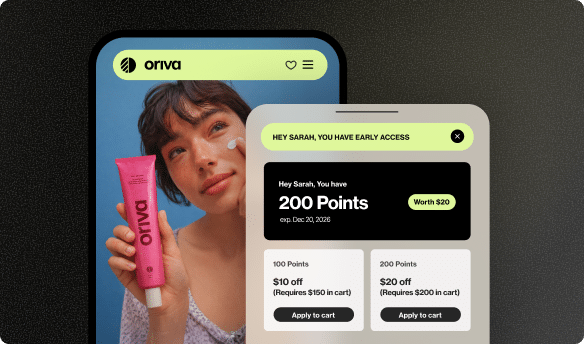
What if you could make your best customers feel extra special and encourage them to keep coming back? That’s the idea behind loyalty programs. These programs reward customers for shopping more, referring friends, or even celebrating their birthdays. Businesses use tools like Yotpo Loyalty to create these fun and rewarding experiences. By understanding what makes customers happy and what keeps them engaged, loyalty programs not only keep customers returning but also provide valuable insights into their preferences and behaviors. This helps businesses foster a strong sense of community and connection, turning one-time buyers into lifelong fans. Learn more about the best loyalty programs and how they work.
Surveys
Surveys are like sending out a questionnaire to many people. They can be short and simple or long and detailed. They are great for getting a lot of answers to specific questions and can reach a much larger audience than a focus group. Companies use surveys to quickly gather opinions on everything from website usability to product satisfaction.
Social Media Listening
People talk about brands and products all the time on social media platforms like Instagram or TikTok. Companies can “listen” to these conversations to see what people are saying about them, their competitors, and their industry. It’s a vast, ongoing discussion that provides raw, unfiltered feedback, often in real-time. This helps them stay updated on trends and public opinion.
By combining the deep insights from focus groups with the broad feedback from reviews, loyalty programs, surveys, and social media, businesses get a comprehensive picture of their customers. This allows them to continually improve, innovate, and build stronger relationships, leading to lasting success and growth.
The Power of Listening
In the end, whether it’s through a detailed focus group discussion, a quick star rating, or a fun loyalty reward, the main lesson for businesses is simple: listen to your customers. Every customer interaction, every piece of feedback, is an opportunity to learn and grow. Focus groups provide a magnifying glass for deep understanding, while continuous feedback loops, like those powered by Yotpo Reviews and Yotpo Loyalty, keep that conversation going every single day.
When businesses truly listen, they don’t just sell products; they build relationships, create communities, and offer experiences that make people happy. And that, in a nutshell, is the secret to a thriving business in today’s world. By prioritizing the customer’s voice, businesses ensure they are always moving forward, creating products and services that truly resonate with the people they serve.










 Join a free demo, personalized to fit your needs