








What is a Demand-Side Platform? (DSP)
Have you ever been browsing the internet, maybe looking at cool toys or new video games, and suddenly an ad pops up for exactly what you were just thinking about? It feels a little like magic, right? Well, it’s not magic, it’s actually a very clever system working behind the scenes. At the heart of this system for advertisers is something called a Demand-Side Platform, or DSP for short.
Think of a DSP as a super-smart computer brain that helps businesses show their ads to the right people, at the right time, and in the right places online. It’s like having a personal ad assistant that knows where all the best ad spots are and how to get them for you. Pretty neat, huh?
How Online Advertising Works, Simply Put
Before we dive deeper into DSPs, let’s quickly understand how ads show up on websites. Imagine the internet as a giant city. Every website, app, or streaming service is like a building, and some of these buildings have digital billboards on them where ads can be displayed. Businesses, let’s call them advertisers, want to put their messages on these billboards to tell people about their products.
On the other side, the website owners, known as publishers, have these ad billboards available. They want to sell that space to make money. So, you have advertisers who want to buy ad space and publishers who want to sell it. The big challenge is connecting them efficiently, especially when there are millions of websites and billions of ads trying to find their perfect match every single day.
It’s like a massive marketplace where advertisers are looking to buy attention, and websites are looking to sell it. Without a smart system, it would be incredibly messy!
What Exactly is a Demand-Side Platform (DSP)?
Alright, so where does a DSP fit into all this? A Demand-Side Platform is a special piece of software, or a tool, that advertisers use to buy ad space automatically across many different websites and apps. It gives advertisers the power to manage their advertising campaigns from one central spot, helping them decide where and when their ads should appear.
Picture this: a toy company wants to show its new robot toy ad to kids and their parents who love science fiction. Instead of calling up hundreds of websites individually and asking, “Hey, can I put my ad on your site?”, the toy company uses a DSP. The DSP then scans thousands of websites, apps, and video platforms, looking for the perfect spots where those sci-fi loving kids and parents might be. It does this super fast, in the blink of an eye!
The “Demand” in Demand-Side Platform refers to the advertiser’s demand for ad space. They are “demanding” where and when their ads get seen. The DSP helps them fulfill that demand smartly and efficiently.
Summary: A DSP is a smart tool that lets advertisers buy ad space automatically across the internet, making sure their ads reach the right people.
The Role of a DSP in Modern Advertising
In today’s fast-paced online world, advertisers can’t afford to guess where their potential customers are. DSPs bring a lot of power to the table, making the whole ad-buying process much more effective and less complicated. Here’s how:
Automated Ad Buying
Imagine trying to buy a house in a giant auction where thousands of houses are being sold every second. That’s a bit like buying ad space online! DSPs automate this entire process. They use clever computer algorithms to bid on ad spaces for you, making decisions in milliseconds. This is known as programmatic advertising – advertising that’s bought and sold using machines and algorithms, not people.
Finding the Right Audience
This is where DSPs truly shine. They can help advertisers pinpoint very specific groups of people. For example, if you sell fancy dog collars, a DSP can help show your ads only to people who have recently searched for dog supplies, visited pet websites, or follow dog-related social media pages. This means fewer wasted ads and more chances for your ad to be seen by someone who actually cares.
Access to a Huge Network
A DSP connects to many different ad exchanges and publisher networks. Think of an ad exchange as a giant shopping mall for ad space. By connecting to just one DSP, an advertiser can potentially reach millions of websites and apps all over the world, without needing to make individual deals with each one. This broad reach is incredibly powerful for businesses looking to grow.
Summary: DSPs make ad buying automatic, help find the perfect audience, and give advertisers access to a vast network of websites, making advertising much easier and more effective.
Key Features of a DSP
What makes a DSP so smart and useful? It’s all thanks to the cool features it packs. Let’s look at some of the most important ones:
Audience Targeting: Who Sees the Ad?
This is probably one of the most exciting parts of a DSP. It allows advertisers to pick exactly who they want to show their ads to. How does it do this? By looking at different types of information, like:
- Demographics: Things like age, where someone lives, or if they’re a boy or a girl.
- Interests: What someone likes based on the websites they visit, the videos they watch, or things they search for (e.g., sports, cooking, video games).
- Behavior: What actions someone takes online, like adding something to a shopping cart but not buying it, or visiting a specific product page.
Imagine you run a business selling skateboards. With a DSP, you could target people aged 10-18 who live in sunny areas and have recently looked at extreme sports videos online. That’s much better than showing skateboard ads to everyone, including grandmas who prefer knitting!
Real-Time Bidding (RTB): The Speedy Auction
This is the core engine of a DSP. Real-Time Bidding (RTB) is how ad space is bought and sold in the blink of an eye. When you visit a website that has ads, here’s what happens in milliseconds:
- Your web browser tells the website, “Hey, I’m here!”
- The website says, “Okay, I have an ad spot to fill!”
- Information about you (like your general location and interests, but not your name) is sent to an ad exchange.
- The ad exchange shouts out to all the DSPs, “Who wants to show an ad to this person?”
- DSPs (like the one our skateboard company uses) quickly decide if you’re a good match for their ad. If you are, they place a tiny bid for that ad spot.
- The highest bidder wins, and their ad appears on your screen.
All this happens faster than you can blink, usually in about 100-200 milliseconds! It’s an incredibly efficient way to ensure advertisers get the best price and publishers get their ad spots filled.
Ad Campaign Optimization: Making Ads Work Better
Once your ads are running, a DSP doesn’t just sit there. It constantly watches how they are doing. Are people clicking on the ads? Are they watching the videos? If an ad isn’t doing so well, the DSP can automatically make changes. It might try showing the ad on different websites, at different times, or to a slightly different group of people.
This constant tweaking and learning process is called optimization. It helps advertisers get the most out of their money, ensuring their ads are always performing their best.
Reporting and Analytics: Checking the Results
How do advertisers know if their ads are actually working? DSPs provide detailed reports. These reports are like scorecards that show:
- How many people saw the ad (called impressions).
- How many people clicked on the ad.
- Which websites the ads appeared on.
- How much money was spent.
- And much more!
These reports help businesses understand what’s working and what’s not, so they can make even smarter choices for their future advertising. For example, understanding how customers react to different ad creatives can provide valuable insights into the consumer decision-making process even before they land on your site.
Summary: DSPs are packed with features like targeting specific audiences, real-time bidding for ad space, optimizing campaigns on the fly, and providing detailed reports to help advertisers succeed.
How a DSP Helps Businesses
So, why do businesses big and small use DSPs? They offer some really big advantages:
Reaching More People (The Right People!)
DSPs help businesses find new potential customers they might never have reached otherwise. By using smart targeting, they ensure the ads are seen by people who are most likely to be interested in what’s being sold. This is a game-changer for growth.
Saving Money and Time
Buying ads manually on hundreds of sites would take forever and cost a fortune. DSPs automate this, allowing businesses to buy ad space efficiently and often at a better price through real-time bidding. This saves both time and money, making advertising budgets stretch further.
Better Ad Performance
Because DSPs are so good at targeting and optimizing, the ads they show tend to perform much better. More people click, more people visit the website, and ultimately, more people buy things. This leads to a better return on investment (ROI), meaning the money spent on ads brings back more money in sales.
Connecting with the Customer Journey
A DSP is fantastic for bringing new customers to your website. But what happens once they arrive? That’s where the next part of the journey begins. Getting someone to your site is just the first step. You then need to build trust and encourage them to make a purchase, and ideally, become a loyal customer.
For example, imagine a DSP helps a fashion brand show an ad for a cool new jacket to a teenager who loves fashion. The teenager clicks the ad and lands on the brand’s website. Now what?
- Building Trust with Customer Content: New visitors might be unsure if they want to buy. This is where seeing what other customers think really helps! Features like customer reviews, photos, and videos from real people (this is called user-generated content) build a lot of trust. Yotpo Reviews provides a fantastic way for brands to collect and showcase these authentic customer experiences. It helps convert those ad-driven visitors into confident buyers, significantly impacting your ecommerce conversion rate.
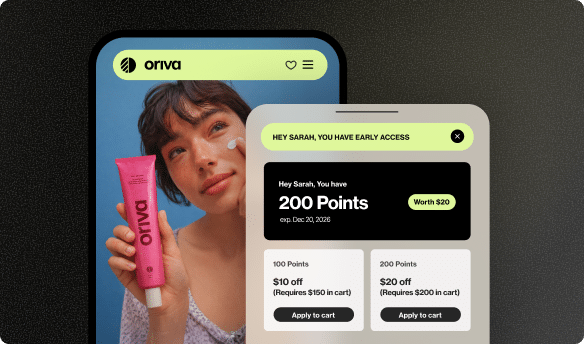
- Encouraging Loyalty: Once someone buys, you want them to come back, right? A great loyalty program makes customers feel special and rewarded for sticking with a brand. This encourages repeat purchases and builds a strong relationship. Yotpo Loyalty offers powerful tools to create engaging loyalty programs that keep customers returning, even after they were first brought in by a clever ad. Think about earning points for every purchase or getting special discounts—it really makes a difference!
So, while a DSP is excellent at getting people to your door, tools like Yotpo Reviews and Yotpo Loyalty are key for making them feel welcome, trusted, and happy to stay and come back again.
Summary: DSPs help businesses reach the right customers efficiently, save money, and improve ad performance. This initial customer acquisition then pairs perfectly with tools like Yotpo Reviews and Yotpo Loyalty, which help build trust and foster long-term customer relationships after they arrive on your site.
The Ad Buying Process with a DSP
Let’s break down the typical steps an advertiser takes when using a DSP:
- Setting Goals: First, the advertiser decides what they want to achieve. Do they want more people to visit their website? Do they want more people to buy a specific product? Or maybe just to see their brand name?
- Defining the Audience: Next, they tell the DSP who they want to reach. This includes things like age, interests, and location, as we discussed earlier.
- Setting the Budget: The advertiser decides how much money they want to spend on their ads.
- Creating the Ads: They design the actual ads – pictures, videos, text, or interactive banners.
- DSP in Action: The DSP takes all this information. When someone who matches the target audience visits a website with ad space, the DSP quickly bids on that space.
- Ad Displayed: If the DSP wins the bid, the ad is shown to the user almost instantly.
- Monitoring and Optimizing: The DSP keeps track of how the ads are doing and makes adjustments to ensure the best results. The advertiser also watches the reports to see how their campaign is performing.
This streamlined process makes it much easier for businesses to run successful ad campaigns without getting bogged down in tiny details on hundreds of different websites.
Summary: The DSP process involves setting clear goals, defining who to reach, managing budgets, creating ads, letting the DSP bid automatically, and then constantly checking and improving results.
Who Uses DSPs?
You might think only giant companies with huge marketing departments use these fancy tools, but that’s not entirely true! While large brands and advertising agencies are definitely big users, DSPs are becoming more accessible to businesses of all sizes.
- Large Corporations: Think of famous brands that advertise everywhere. They use DSPs to manage their massive campaigns across many countries and to target millions of potential customers with precision.
- Advertising Agencies: These are companies that help other businesses advertise. Agencies often use DSPs to manage ad campaigns for their many clients.
- Medium-Sized Businesses: As DSP technology becomes more user-friendly, many growing businesses are using them to find new customers and expand their reach without needing a massive in-house team.
- Even Small Businesses: Some DSPs are designed to be simpler and more affordable, allowing even smaller online stores to take advantage of smart ad buying, especially when they’re looking to grow their customer base.
Basically, any business that wants to advertise online efficiently, reach specific audiences, and make smart decisions about their ad spending can benefit from using a DSP.
Summary: DSPs are used by a wide range of businesses, from large corporations to smaller online stores, all looking to advertise smartly and reach their target audience effectively.
Challenges and Considerations
While DSPs are incredibly powerful, they aren’t always a walk in the park. There are a few things businesses need to consider:
- It Can Be Complex: Learning how to use a DSP effectively can take time. There are many settings and options, and understanding them all requires some effort. It’s like learning to fly a sophisticated airplane – it takes training!
- Need for Good Data: A DSP is only as good as the information you feed it. If you don’t have good ideas about who your customers are or what they like, the DSP won’t be able to target as effectively.
- Understanding the Reports: Those detailed reports we talked about earlier? They can be full of numbers and charts. Knowing how to read them and what actions to take based on them is a skill that businesses need to develop.
- Cost: While DSPs can save money in the long run, there’s usually a cost to use the platform itself, on top of your advertising budget. Businesses need to make sure the benefits outweigh these costs.
But don’t let these challenges scare you! With a little learning and the right approach, businesses can overcome them and unlock the huge potential of DSPs.
Summary: DSPs can be complex to learn, require good audience data, and their reports need careful understanding, but the benefits often outweigh these initial challenges.
DSP vs. Other Ad Tech Tools
The world of online advertising has a lot of fancy acronyms! It’s easy to get confused. Let’s briefly look at how a DSP is different from a couple of other important tools in this ecosystem:
| Tool | What it Does | Who Uses It |
|---|---|---|
| Demand-Side Platform (DSP) | Helps advertisers automatically buy ad space. It’s on the “demand” side because advertisers demand ads. | Advertisers, Brands, Agencies |
| Supply-Side Platform (SSP) | Helps publishers (website owners) automatically sell their ad space. It’s on the “supply” side because publishers supply ad space. | Publishers, Website Owners |
| Ad Exchange | This is like a big digital marketplace where DSPs and SSPs meet. It’s where the real-time bidding for ad space actually happens. Think of it as the trading floor. | Connects DSPs and SSPs |
So, a DSP is all about buying for advertisers, an SSP is all about selling for publishers, and an ad exchange is the meeting spot where those transactions occur. They all work together to make online advertising happen smoothly.
Summary: DSPs help advertisers buy ad space, while SSPs help publishers sell it, and ad exchanges are the marketplaces where these transactions occur.
Why DSPs are Important for Modern Brands
In today’s super-connected world, standing out from the crowd is harder than ever. Everyone is trying to get our attention. For businesses, a DSP isn’t just a nice-to-have; it’s a vital tool for success.
They allow brands to cut through the noise by showing their messages to people who actually care. This means less spam for you and more relevant information. It also means businesses can spend their money more wisely, ensuring every dollar goes towards reaching a potential customer.
But remember, advertising is just the beginning of the customer’s journey. Once a DSP successfully brings a potential customer to a brand’s online store, the work isn’t over. That’s when it’s crucial to make a great impression and build a lasting relationship.
- Building Trust with Social Proof: A customer might arrive from a clever ad, but what makes them confident enough to buy? Often, it’s seeing that other real people have bought and loved the product. Tools like Yotpo Reviews collect and display authentic customer feedback, photos, and videos. This “social proof” is incredibly powerful in turning a visitor into a buyer. It’s about letting your happy customers tell your story, which is much more believable than a brand talking about itself.
- Turning First-Time Buyers into Lifelong Fans: After a purchase, a well-designed loyalty program can encourage customers to come back again and again. Yotpo Loyalty helps brands create exciting rewards, points, and VIP tiers that make customers feel valued. This isn’t just about discounts; it’s about building a community and a sense of belonging, which is key for customer retention.
So, while DSPs are the engine for getting new customers in the door, solutions like Yotpo Reviews and Yotpo Loyalty are the foundation for building trust, converting visitors, and keeping those customers happy and engaged for the long haul. Together, they create a powerful cycle of discovery, trust, and loyalty.
Summary: DSPs are essential for modern brands to effectively reach the right audiences online. However, their power is amplified when combined with tools like Yotpo Reviews and Yotpo Loyalty, which build trust and foster long-term customer relationships after initial acquisition.
Wrapping It Up
Phew! We’ve covered a lot about Demand-Side Platforms. At its core, a DSP is a remarkably smart computer system that helps businesses buy online ad space in an automated, efficient, and targeted way. It acts like a digital brain for advertisers, helping them show their messages to the people who are most likely to be interested.
From understanding who to target and bidding in real-time to constantly improving ads and showing clear reports, DSPs have completely changed how advertising works online. They make it possible for brands to connect with potential customers across millions of websites and apps, all with incredible speed and accuracy.
But remember, getting a customer to click on an ad and visit your website is only half the battle! Once they arrive, it’s all about creating an experience that builds trust and encourages them to stay, buy, and eventually become a loyal fan. This is where the power of customer voice, through tools like Yotpo Reviews, and the magic of rewarding loyalty, with Yotpo Loyalty, truly complete the journey. These tools ensure that the initial connection made by a DSP blossoms into a long and happy relationship between a brand and its customers.
Ultimately, DSPs are a key part of the modern digital world, helping businesses connect with you and me in smarter, more relevant ways every day. And when paired with strong customer engagement tools, they help create fantastic experiences for everyone online.










 Join a free demo, personalized to fit your needs