








What is a Customer Satisfaction (CSAT) score?
Imagine you just finished eating your favorite snack or playing with a super fun new toy. How happy were you with it? Did it make you smile, or were you a little disappointed? Businesses want to know exactly how you feel about their products or services, just like your parents might ask if you had a good day at school. That’s where something called a Customer Satisfaction (CSAT) score comes in!
Think of a CSAT score as a quick report card that tells a business how happy its customers are right after they’ve used something or talked to someone from the company. It’s one of the easiest and most direct ways for a company to understand if they’re doing a good job making their customers happy. It’s like asking, “How satisfied were you with that?” and getting a simple answer.
Why Do Businesses Care About How Happy You Are?
You might be thinking, “Why does a big company care about my happiness?” Well, it’s actually really important! Happy customers are good for business. When you’re happy with a toy, you tell your friends about it, right? You might even ask your parents to buy you another one from the same company. The same goes for adults and businesses.
Here’s why keeping customers happy with a good CSAT score is a big deal:
* They come back for more: If you love a store, you’ll keep shopping there.
* They tell others: Happy customers often share their good experiences with friends and family. This is like free advertising! This is also known as word-of-mouth marketing.
* They trust the business: When you have a good experience, you feel safe and comfortable with that company.
* They help the business grow: More happy customers mean the business can make more cool things or offer more helpful services.
Businesses, especially those online, need to know this stuff to grow strong. It helps them understand their eCommerce customer experience better.
How Do Companies Figure Out Your CSAT Score?
It’s actually pretty simple! Most of the time, a business will ask you a very direct question, usually right after you’ve bought something, used their service, or talked to their support team.
The question often looks something like this:
“How satisfied are you with [product/service/experience]?”
Then, you’ll be given choices to pick from. These choices are usually on a scale, like:
1. Very Dissatisfied
2. Dissatisfied
3. Neutral
4. Satisfied
5. Very Satisfied
Sometimes, it might be a star rating (1 to 5 stars) or a simple thumbs up/thumbs down. The idea is to get a quick feeling of how happy you were.
Calculating the Score: It’s Like a Simple Math Problem!
Once they have all the answers, businesses do a little math to get their CSAT score. Here’s how it generally works:
1. They count how many people chose “Satisfied” or “Very Satisfied.” These are the happy customers!
2. They divide that number by the total number of people who answered the survey.
3. Then, they multiply that answer by 100 to get a percentage.
So, the formula looks like this:
(Number of Satisfied Customers / Total Number of Responses) x 100 = CSAT Score (%)
Let’s say 100 people answered a survey, and 80 of them said they were “Satisfied” or “Very Satisfied.”
(80 / 100) x 100 = 80%
This means their CSAT score is 80%. An 80% CSAT score tells the business that 80 out of every 100 customers are happy with what they experienced. Pretty neat, huh?
What’s a Good CSAT Score?
Just like getting a good grade on a test, there isn’t one perfect CSAT score for every situation. What’s considered “good” can depend on the type of business, the industry, or even what they are asking about.
However, generally speaking:
* A CSAT score between 75% and 85% is often seen as quite good. It means most customers are having positive experiences.
* Anything above 85% is fantastic! It shows the business is doing a really great job keeping people happy.
* If a score falls below 70%, it’s usually a sign that the business needs to look closely at what might be making customers unhappy and try to fix it.
It’s not just about the number; it’s about what the number tells them to do next!
What Makes a Customer Happy (or Unhappy)?
Lots of things can affect how happy a customer feels. Think about when you get a new toy:
* Is it easy to use? If the instructions are confusing, you might get frustrated.
* Does it work well? If it breaks quickly, you’ll be disappointed.
* Did you get it quickly? Waiting a long time for something you ordered can be annoying.
* Was the person helping you nice? If you had a question and someone was rude, that’s not a good feeling.
For businesses, these are some common things that influence CSAT:
* Product Quality: Is the product well-made and does it do what it promises?
* Service Quality: Was help easy to get? Was the person helpful and friendly?
* Ease of Use: Was the website easy to navigate? Was the product simple to understand?
* Speed: Did the product arrive quickly? Was the issue resolved fast?
* Value: Did the customer feel like they got a good deal for what they paid?
Understanding these factors helps businesses figure out what they need to improve.
How Can Businesses Make Their CSAT Score Better?
Improving a CSAT score is all about making customers happier! Here are some ways businesses work to do that:
1. Listening to What Customers Say (and Writing it Down!)
This is super important. When customers share their feedback, good or bad, businesses need to pay attention. Sometimes, customers don’t just pick a number; they also write comments or give ideas. These words are like hidden treasures, showing exactly what people love or what needs fixing.
Many businesses use tools to gather and organize this feedback. For example, using a platform like Yotpo Reviews helps companies collect and display honest feedback from customers. Imagine seeing what other kids think about a new video game before you get it – it helps you decide, right? For businesses, customer reviews are incredibly powerful. They let companies understand what people are saying about their products, which in turn helps improve satisfaction. These reviews can even include photos and videos from real users, which we call User-Generated Content (UGC). It’s like getting a peek at how happy other people are with their purchases!
2. Fixing Problems Fast and Nicely
Nobody likes when something goes wrong. But when it does, how a business handles it makes a huge difference. If they fix a problem quickly, professionally, and make the customer feel heard, that customer can actually end up even happier than if the problem never happened! It shows the business cares.
3. Making Sure Everything is Super Easy to Use
Whether it’s a website, an app, or a product, if it’s confusing or hard to figure out, customers get frustrated. Businesses work hard to design things that are simple, clear, and intuitive, so people can get what they need without a fuss. Think about how easy it is to watch a video on your tablet – businesses want their experiences to be that smooth!
4. Giving Back to Loyal Customers
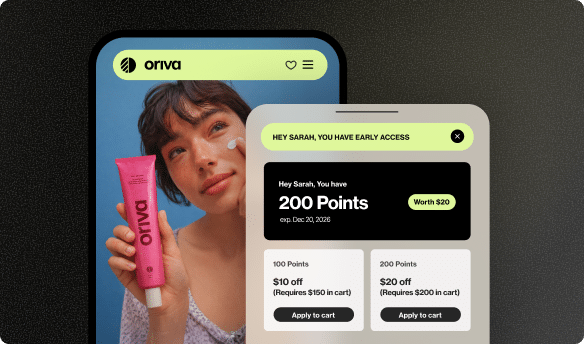
When you’re a really good friend to someone, they often do nice things for you too, right? Businesses do something similar with their best customers. They create special programs, like Yotpo Loyalty, to say “thank you” to people who keep coming back.
These loyalty programs can reward customers with points for buying things, which they can then use for discounts, special products, or unique experiences. It’s like earning tokens at an arcade that you can trade in for prizes! This makes customers feel special and appreciated, which definitely boosts their happiness. Yotpo’s Loyalty programs help businesses build a strong community of happy, returning customers who feel valued. You can learn more about the best loyalty programs and how they work.
5. Always Learning and Improving
The world is always changing, and so are customer expectations. Businesses can’t just fix one thing and stop. They need to constantly learn from feedback, try new things, and keep making their products and services better. It’s like a continuous game of making things more awesome!
CSAT vs. Other Ways to Measure Happiness
CSAT is a great way to measure how happy a customer is right at a specific moment. But there are other ways businesses try to understand customer feelings too. For example:
* Net Promoter Score (NPS): This asks, “How likely are you to recommend us to a friend?” It helps businesses see who might tell others about them.
* Customer Effort Score (CES): This asks, “How easy was it to handle your issue?” It focuses on how much work a customer had to do.
CSAT is special because it directly asks about satisfaction – that feeling of being pleased with something. It’s a snapshot of happiness, right now.
The Awesome Things That Happen with High CSAT Scores
When a business has a high CSAT score, it’s like getting a gold star on your report card – it means good things are happening!
* Customers Stick Around Longer: If you’re happy with a game, you’ll keep playing it. Happy customers stay with a business, which is called customer retention.
* They Become Your Best Advertisers: They tell everyone how great you are, which brings in new customers without the business even having to ask. This is the power of word-of-mouth marketing!
* They Spend More: Happy customers often feel comfortable buying more things from a business they trust.
* The Business Grows: All of this together means the business becomes stronger and more successful. Happy customers are the foundation of any great business.
It truly shows that understanding and responding to customer feelings, like those collected through Yotpo Reviews and rewarded through Yotpo Loyalty, are key ingredients for any business hoping to shine in the online world. You can even check out some inspiring success stories from businesses that prioritize customer happiness!
Your Role as a Customer
Even you, as a customer (or future customer!), have a role in all of this. When a business asks you for feedback, whether it’s a quick survey or asking for a review, your honest answers are super helpful. You’re not just giving an opinion; you’re helping that business become better for everyone, including yourself! So, next time you see a question about how satisfied you were, remember that your answer makes a real difference.










 Join a free demo, personalized to fit your needs