









What is a Customer Persona?
Have you ever wondered why some online stores seem to know exactly what you like, showing you products that are just perfect for you? It’s almost like they have a secret superpower! Well, it’s not magic. Instead, smart businesses use a clever trick called a customer persona. Think of a customer persona as an imaginary friend, but one that represents a whole group of real customers. It’s a detailed picture of who your ideal customer is, helping businesses understand their needs and how to make them happy. Ready to meet our imaginary friends?
What Exactly is a Customer Persona?
Imagine you’re a super detective, and your job is to create a detailed profile of someone. You’d want to know everything about them, right? Not just their name, but what they like, what they do every day, what makes them happy, and what problems they need help solving. A customer persona is a bit like that detective profile, but for a made-up person who represents a lot of your real customers.
It’s important to remember that a customer persona isn’t just one single person. It’s a blend of information from many real people. Businesses look at things like:
- Who they are: How old are they? Where do they live? What kind of job do they have? Do they have a family? These are called demographics.
- What they like and do: What are their hobbies? What do they care about? What challenges do they face? What do they dream about? These are called psychographics.
By putting all this information together, businesses can create a clear picture of their typical customer. This helps them understand what these customers might want to buy, what kind of messages they would respond to, and how to make their shopping experience wonderful. It’s like having a map to connect with their audience!
Why Do Businesses Need Customer Personas?
You might be thinking, “Why go through all this trouble for an imaginary friend?” That’s a great question! Businesses use customer personas for many super important reasons:
- Making Smart Choices: Imagine you’re making a new toy. If you know your imaginary friend (your persona) is a 7-year-old who loves building things, you’d make a construction set, not a dollhouse! Personas help businesses create products, write helpful ads, and even design their websites in ways that customers will love.
- Talking to the Right People: If you want to tell someone about a new product, you wouldn’t shout the same message to everyone, would you? You’d tailor your words. Personas help businesses speak directly to what their customers care about, making sure their messages truly resonate and grab attention.
- Better Products and Services: When businesses understand their customers’ problems and desires, they can make their products or services even better. This leads to happier customers and more successful businesses. You can learn a lot about how customers make decisions by understanding their personas and the consumer decision-making process.
- Saving Time and Money: Without personas, businesses might guess what customers want. This can lead to mistakes, like spending money on ads that nobody cares about. Personas help businesses focus their efforts, avoiding wasted time and resources.
- Building Stronger Connections: When a business truly understands its customers, those customers feel seen and valued. This helps build trust and makes them want to keep coming back. It creates a special bond between the customer and the brand.
In short, customer personas are like having a secret decoder ring that helps businesses understand their customers better than ever before!
Building Your Customer Persona: A Step-by-Step Guide
Creating a customer persona isn’t just guesswork; it’s a bit like being a detective! You need to gather clues and then put them all together to paint a clear picture. Let’s walk through how businesses do this.
Step 1: Gathering Information – Becoming a Detective!
The first and most important step is to collect real information about real people. Businesses don’t just make things up; they listen and observe.
- Talk to Real Customers: One of the best ways to learn is to simply ask! Businesses conduct surveys, send out questionnaires, and even have friendly chats with their customers to understand what they like, dislike, and what they need.
- Look at Your Data: Websites and online stores collect information about how people behave. This isn’t personal detective work, but looking at trends. For example, which products do people click on most? What time of day do they usually shop? How long do they stay on a page? This data gives big clues.
- Observe What People Say: Customers love to share their thoughts online! Businesses pay attention to what people are saying on social media, in forums, and especially through customer feedback. This is where tools like Yotpo Reviews become incredibly helpful. By collecting and showing genuine customer reviews, businesses get direct, honest insights into what customers truly think about their products and services. These reviews are like little treasure chests of information that can further refine and improve a customer persona. Learning how to ask customers for reviews effectively helps gather this precious feedback.
By collecting all these clues, businesses can start to see patterns and understand the different types of people who are interested in what they offer.
Step 2: What to Include in Your Persona Profile
Once you’ve gathered all your information, it’s time to create your persona’s profile. Think of it like filling out a character sheet for a story. Here are the key things to include:
- Name: Give your persona a fun, memorable name. This helps everyone in the business think of them as a real person. For example, “Savvy Sarah” or “Builder Ben.”
- Age & Job: How old are they typically? What kind of work do they do? This affects their income and lifestyle.
- Where They Live: Do they live in a big city, a quiet suburb, or out in the countryside? This can influence their needs and interests.
- Family: Are they single, married, do they have kids, or even pets? Family situations often shape what people buy.
- Hobbies & Interests: What do they do for fun? What kinds of books do they read, movies do they watch, or activities do they enjoy?
- Goals & Dreams: What do they want to achieve in their life, personally or professionally? What are they striving for?
- Problems & Challenges: What difficulties or frustrations do they face in their daily life that your product or service could potentially help solve?
- Shopping Habits: Do they prefer to shop online or visit physical stores? What influences their buying decisions? Do they always look for product reviews before making a purchase? Are they motivated by loyalty programs and rewards?
- Favorite Brands/Websites: Knowing other brands or websites they like can give you clues about their style, values, and preferences.
- A Picture: It helps to find a stock photo that represents your persona. Seeing their face (even an imagined one) makes them feel more real.
- A Quote: A short sentence that sums up their main goal or challenge. For “Savvy Sarah,” it might be: “I want to feel confident in my purchases and be rewarded for my loyalty.”
Let’s look at an example to see how all this information comes together:
| Category | Savvy Sarah |
|---|---|
| Name | Savvy Sarah |
| Age | 32 |
| Job | Marketing Manager |
| Lives In | Suburb near a big city |
| Family | Married, 1 child (5 years old) |
| Hobbies | Online shopping for home decor and kids’ items, reading, family outings to parks. |
| Goals | Find high-quality products that are safe for her family, save time with efficient shopping, manage household budget smartly. |
| Challenges | Limited free time for research, wants to avoid buyer’s remorse, overwhelmed by too many choices, needs trustworthy information. |
| Shopping Habits | Researches online extensively, prioritizes customer reviews and recommendations, values loyalty points and exclusive discounts, shops mostly on her mobile phone during breaks. |
| Brands She Likes | Eco-friendly, reputable brands with strong community feedback, and clear return policies. |
| Quote | “I want to feel confident in my purchases and be rewarded for my loyalty because I value smart spending.” |
Step 3: Bringing Your Persona to Life
Once you have all the facts, the next step is to make your persona feel real. Write a short story or a “day in the life” for them. How do they wake up? What’s their biggest challenge in the morning? When do they usually think about buying products like yours? How do they interact with websites and ads? This helps businesses truly step into their customers’ shoes and understand their perspective.
How Customer Personas Help Yotpo’s Customers Win!
Now that we know what customer personas are and how to build them, let’s look at how they become super useful for businesses, especially with tools like Yotpo’s Reviews and Loyalty solutions. By understanding personas, businesses can make every customer interaction more meaningful and successful.
Using Personas for Smarter Reviews
Imagine our persona, “Savvy Sarah.” We know she cares deeply about product quality, wants products safe for her family, and relies heavily on what other parents say before buying. If you’re a business selling children’s clothes, knowing “Savvy Sarah” is your target customer changes how you think about reviews.
- What to Highlight: You’d encourage customers to leave reviews that specifically talk about the fabric’s softness, how well it washes, or how durable it is for active kids. This directly speaks to Sarah’s concerns.
- Building Trust: When Sarah visits your website, she’ll see honest feedback from other parents, making her feel confident in her purchase. Yotpo’s Reviews product helps businesses easily collect and display these genuine customer reviews. This user-generated content is incredibly powerful because it acts as word-of-mouth marketing, but on a larger scale.
- Gathering Insights: The reviews collected through Yotpo also provide a constant stream of information. Businesses can analyze these reviews to further understand Sarah’s preferences, spot new trends, or even discover areas where their products could be improved, leading to even happier customers and stronger personas. For more on this, check out what is user-generated content.
Understanding your persona helps you not just get more reviews, but get the right kind of reviews that truly influence other customers like them.
Using Personas for Engaging Loyalty Programs
“Savvy Sarah” also told us she loves being rewarded for her purchases and values loyalty points. This insight is gold for creating a loyalty program that she’ll adore!
- Tailored Rewards: Instead of just offering a generic discount, a business could design a loyalty program with rewards that specifically appeal to Sarah. This might include exclusive access to family-friendly sales, points for buying eco-friendly products, or even a special birthday gift for her child.
- Motivating Behavior: Knowing Sarah’s habits, a loyalty program could reward her for actions like writing detailed reviews (which also helps other customers!) or referring other parents to the brand. This encourages valuable customer behavior.
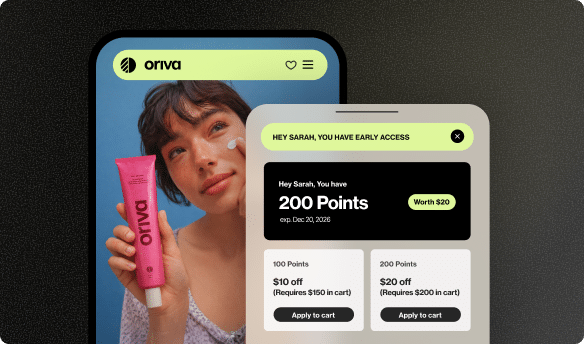
- Building Relationships: Yotpo’s Loyalty product empowers businesses to create customized and engaging reward programs. By understanding their personas, businesses can craft loyalty experiences that make customers like Sarah feel truly special and appreciated, encouraging them to return again and again. This is key to improving customer retention and building a strong customer base. You can also explore best loyalty programs to see successful examples.
Personas ensure that your loyalty program isn’t just a list of rewards, but a meaningful experience that keeps your best customers happy and engaged.
The Synergy: Reviews and Loyalty Working Together
This is where the magic really happens! Personas help businesses understand that customers who leave great reviews are often the happiest customers, and those happy customers are also the most likely to join and participate in a loyalty program.
- Imagine Sarah buys a new outfit for her child, loves it, and leaves a glowing review (thanks to Yotpo Reviews).
- Because she’s already happy, she’s more likely to respond to an invitation to join the brand’s loyalty program (powered by Yotpo Loyalty).
- Then, when she earns points for her next purchase or for leaving another review, she feels even more connected and valued.
This creates a wonderful cycle where customer satisfaction (shown in reviews) drives loyalty, and loyalty programs encourage further engagement (like more reviews or referrals). It’s all about creating a fantastic ecommerce customer experience that starts with truly knowing your customer personas.
Common Mistakes When Creating Personas (and How to Avoid Them!)
Even though customer personas are incredibly useful, it’s easy to make a few common mistakes. Here’s what to watch out for:
- Making Them Up Without Data: This is the biggest no-no! If you just guess what your customers are like, your persona won’t be helpful. Always use real information and research to build your personas.
- Too Many Personas: You don’t need a persona for every single customer. Focusing on just a few main personas that represent the largest groups of your customers is usually best. Trying to manage too many can get confusing.
- Not Updating Them: People and their preferences change over time. What “Savvy Sarah” loved five years ago might be different today. Businesses should review and update their personas regularly, perhaps once a year, to make sure they’re still accurate.
- Forgetting to Use Them: A beautifully created persona is only useful if you actually use it! Businesses need to keep their personas in mind when making decisions about products, marketing, and customer service. They’re tools, so use them!
By avoiding these pitfalls, businesses can ensure their customer personas remain powerful guides for success.
The Future of Understanding Your Customers
The world of online shopping and business is always changing, and so are customers! But the idea of understanding who your customer is will always be important. Technology today, like Yotpo’s advanced Reviews and Loyalty solutions, helps businesses gather even more clues and insights about their customers.
Businesses can constantly learn from the feedback they collect, the way people interact with loyalty programs, and their overall shopping journey. This ongoing learning helps them refine their customer personas and adapt quickly. The goal remains the same: to create amazing experiences that make customers feel truly understood and valued. It’s about building strong, lasting relationships with every single “Savvy Sarah” and “Builder Ben” out there.
So, a customer persona is like a helpful map. It guides businesses to make smarter decisions, create better products, and build happier relationships with their customers. It’s an essential tool for any business looking to truly connect with the people they serve. Why not encourage the businesses you know to start building their own special imaginary friends today?










 Join a free demo, personalized to fit your needs