








What is a CRM (Customer Relationship Management)?
Imagine your favorite local shop. The owner knows your name, remembers what you bought last time, and might even suggest something new they think you’ll love. They make you feel special, right? That’s because they’re great at remembering things about their customers and building strong relationships. But what if that shop gets super busy, or becomes a huge online store with thousands of customers? It would be impossible for one person to remember everyone!
This is where something super helpful called a CRM comes in. CRM stands for Customer Relationship Management. Think of it as a super-smart digital helper for businesses. It’s like having a magical notebook that remembers everything about every customer, helping businesses keep track of their interactions and make sure everyone feels just as special as you do at your local shop.
A good CRM system helps businesses understand what their customers need, what they like, and how to keep them happy so they come back again and again. It’s all about making the customer’s journey with a business smooth and enjoyable, leading to more smiles and more successful connections.
Breaking Down “Customer Relationship Management”
Let’s look closely at what each part of “Customer Relationship Management” really means:
- Customer: This is anyone who buys something from a business, or even someone who is thinking about buying. It’s the people a business wants to connect with.
- Relationship: Just like friendships, relationships with customers grow over time. It’s about building trust, understanding their needs, and making them feel valued. A good business relationship means customers feel heard and cared for.
- Management: This is where the “super-smart digital helper” comes in. It’s all the tools and strategies a business uses to handle and improve those relationships. It means organizing information, planning how to talk to customers, and making sure everything works smoothly.
So, a CRM is really a way for businesses to manage how they talk to and interact with their customers to make those relationships strong and long-lasting.
Why Do Businesses Need a CRM?
You might be wondering, “Why can’t businesses just remember things on their own?” Well, as businesses grow, they talk to lots and lots of people. Imagine trying to remember every single person who visited your lemonade stand, what kind of lemonade they liked, and if they said they’d come back next week! It gets tricky fast.
Here are some big reasons why businesses love using a CRM:
- Remembering Everything: A CRM keeps all customer information in one safe place. This includes their name, email, phone number, what they’ve bought, and any questions they’ve asked. It’s like a giant, organized brain for the business.
- Making Customers Happy: When a business remembers what you like, it can offer you things that are just right for you. This makes customers feel special and happy. Happy customers often become loyal customers, which is fantastic for businesses.
- Saving Time: Instead of searching through piles of notes or different computer files, all the customer information is easy to find. This saves time and helps staff help customers faster.
- Selling Smarter: By understanding what customers have bought before or what they’re interested in, businesses can suggest new products they might truly enjoy. This isn’t just about selling more; it’s about selling the right things to the right people.
- Working Together: Different teams in a business (like the sales team, the people who answer questions, and the marketing team) can all see the same customer information. This helps them work together like a well-oiled machine to give customers the best experience.
Think of it as the secret sauce for building a great connection with everyone who chooses to interact with a business.
How Does a CRM System Work? (In Simple Terms)
A CRM system works by collecting, organizing, and using information about customers. It’s like a cycle that helps businesses get better and better at understanding and serving their customers.
Collecting Information
The first step is gathering data. Whenever a customer does something—like visiting a website, filling out a form, making a purchase, or sending an email—the CRM can capture that information. It’s like gathering puzzle pieces about each customer.
- Contact Details: Names, email addresses, phone numbers.
- Shopping History: What they’ve bought, when they bought it, and how much they spent.
- Interactions: Every time a customer talks to the business (via chat, email, or phone), the CRM notes it down.
- Website Visits: Which pages they looked at on a company’s website.
This information helps businesses build a complete picture of each person.
Organizing Everything Neatly
Once the information is collected, the CRM organizes it. It puts all the puzzle pieces together for each customer. This means a business can see everything about John, for example, on one screen – his last purchase, the email he sent last week, and even his favorite product category. Everything is super organized and easy to understand.
Helping Businesses Talk to Customers the Right Way
With all this organized information, businesses can then communicate with customers in a much smarter way. Instead of sending the same message to everyone, they can send messages that are just right for specific people. For instance, if a customer bought a dog toy last month, the CRM might help the business send them a special offer on dog food. This personalized approach makes customers feel like the business truly knows and cares about them.
It also helps different parts of the business stay on the same page. If a customer calls with a question, the person answering the phone can quickly see everything about that customer and help them faster without asking them to repeat themselves. It’s a win-win!
Key Features of a CRM System
Modern CRM systems come packed with features designed to help businesses manage their customer relationships effectively. Here are some of the most important ones:
| Feature | What It Does | Why It’s Helpful |
|---|---|---|
| Contact Management | Stores all customer contact information (names, emails, phones, addresses) in one central place. | Helps businesses easily find and manage who their customers are. |
| Sales Automation | Helps the sales team track potential new customers, follow up with them, and manage the process of selling things. | Makes sure no potential customer is forgotten and helps the sales team work more efficiently. |
| Marketing Automation | Automatically sends out marketing messages, like emails about new products or special deals, to the right customers at the right time. | Makes sure customers hear about things they might like, helping businesses promote their products smartly. |
| Customer Service Management | Helps businesses keep track of customer questions, problems, and complaints, making sure they get solved quickly. | Ensures customers get quick and helpful support, improving their overall happiness. |
| Reporting and Analytics | Creates easy-to-understand reports that show how customers are behaving, what’s selling well, and how happy customers are. | Gives businesses insights into what’s working and what could be better, helping them make smart decisions. |
These features work together to give businesses a complete toolkit for managing and improving their customer connections.
The Journey of a Customer (and how CRM helps)
Every customer goes on a journey with a business, from first hearing about it to becoming a loyal fan. A CRM helps businesses understand and improve every step of this journey.
1. Awareness: “Hey, what’s that?”
This is when someone first learns about a business or its products. Maybe they saw an ad, or a friend told them about it. A CRM helps track who is interested and where they came from.
2. Consideration: “Hmm, maybe I should check it out.”
At this stage, the potential customer is looking more closely. They might visit the website, read product descriptions, or look at what other people are saying. The CRM tracks their activities on the website, helping the business understand what caught their eye.
3. Purchase: “I’ll take it!”
This is when the customer actually buys something. The CRM records this purchase, adding it to their customer profile. This is a big moment!
4. Post-Purchase: “How do I use this?” or “I love it!”
After buying, customers might have questions, need help, or just want to share how much they love their new item. The CRM helps the customer service team quickly see their purchase history and offer speedy help. It also helps businesses ask for feedback.
5. Loyalty: “I’m coming back for more!”
When customers have a great experience, they often return to buy again. A CRM helps businesses identify these loyal customers and reward them for their continued support. Programs that offer points or special treats are often managed with the help of a CRM.
6. Advocacy: “You HAVE to try this!”
The best customers are those who tell their friends and family how great a business is. This is called word-of-mouth marketing. By having a good relationship and providing excellent service, businesses encourage customers to become their biggest fans. Happy customers often share their thoughts through reviews.
Throughout this whole journey, the CRM is like a guide, making sure the business knows what to do next to keep the customer happy and engaged.
CRM and Keeping Customers Happy (Customer Retention)
Did you know it’s often easier and cheaper for a business to keep an old customer happy than to find a brand new one? That’s why customer retention (keeping customers) is super important. A CRM is a superstar when it comes to this!
Here’s how a CRM helps businesses keep their customers coming back:
- Personalized Messages: By knowing a customer’s past purchases or interests, a CRM helps businesses send tailored emails or offers. This could be a discount on their favorite product or a birthday greeting, making customers feel valued.
- Quick Problem Solving: If a customer has an issue, all their previous interactions are recorded in the CRM. This means the support team can quickly understand the situation and solve it faster, turning a frown into a smile.
- Predicting Needs: Sometimes, a CRM can even help a business guess what a customer might need next, before the customer even asks! This allows businesses to offer helpful suggestions at just the right time.
- Building Loyalty: By consistently providing great experiences and remembering important details, a CRM helps foster a strong sense of loyalty. Loyal customers don’t just buy more; they also tell their friends about their positive experiences.
Keeping customers happy over a long time is crucial for any business, and a CRM is a powerful tool to achieve this.
How CRM Helps Businesses Grow
A CRM isn’t just about remembering names; it’s about helping businesses grow bigger and better. By understanding customers deeply, businesses can make smarter choices.
- Understanding What Customers Like: The CRM collects so much information about purchases and interests. This helps businesses know which products are popular, what new items they might want to create, and how to improve their existing offerings. It’s like having a direct line to customer desires!
- Making Sales Easier: For the sales team, the CRM is a secret weapon. It shows them which potential customers are most interested and what they’re looking for, helping them focus their efforts and close deals more effectively.
- Getting Good Feedback: A CRM helps businesses manage feedback, whether it’s through customer service interactions or requests for reviews. Understanding what customers think is priceless for growth.
- Spotting Trends: By looking at all the customer data, businesses can spot trends. For example, they might notice that many customers in a certain area are buying a specific product. This information can help them plan future marketing campaigns or even open new stores.
Ultimately, a CRM empowers businesses to grow by making every customer interaction count and by turning data into smart decisions.
CRM and Customer Feedback (Reviews)
Imagine buying a new toy, and you absolutely love it! You might want to tell everyone how great it is. That’s what customer reviews are all about – sharing experiences with others. A CRM helps businesses encourage and manage this valuable feedback.
Reviews are incredibly important for several reasons:
- Trust Builders: When new customers see that others have had positive experiences, they’re more likely to trust the business and make a purchase. Think about it – wouldn’t you rather buy a game that has lots of good ratings? This is part of the consumer decision-making process.
- Helping Other Shoppers: Reviews give future customers real-life insights into products, helping them choose what’s right for them.
- Feedback for the Business: Even negative reviews can be helpful! They tell a business what might need improving, helping them get better over time.
While a CRM helps manage overall customer interactions, businesses often use specialized tools to truly make the most of customer opinions. For example, Yotpo Reviews is a leading solution that makes it easy for businesses to gather and display glowing customer reviews and helpful product feedback on their websites and elsewhere. These tools help businesses showcase what their customers are saying, building trust and encouraging more people to buy. Learning how to ask customers for reviews effectively can really boost a business’s reputation.
CRM and Customer Loyalty (Rewards Programs)
Just like you might get a gold star or a special treat for doing something well, businesses love to reward their most loyal customers. This is where loyalty programs come in, and a CRM is key to making them work.
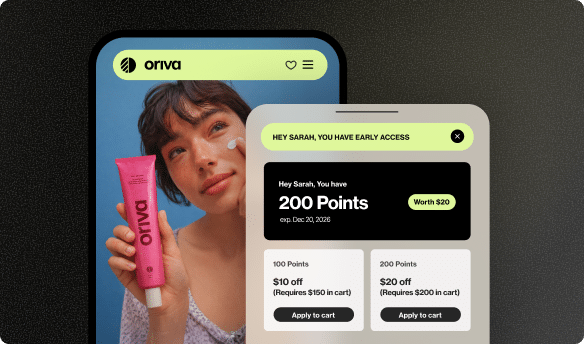
What are loyalty programs? They are special programs that give perks and rewards to customers who repeatedly choose to buy from a business. These perks can be anything from points that turn into discounts, to early access to new products, or even special gifts. It’s a way for businesses to say “thank you” for being a loyal customer.
How does a CRM help with loyalty programs?
- Tracking Points and Rewards: The CRM helps keep track of how many points each customer has earned, what rewards they’re eligible for, and when they’ve used their perks.
- Identifying VIPs: It helps businesses easily spot their most valuable customers – the ones who buy often or spend a lot – so they can offer them extra-special treatment.
- Personalized Offers: By knowing a customer’s preferences, the CRM can help tailor loyalty rewards. For instance, a customer who loves coffee might get a special deal on coffee-related items.
- Encouraging Repeat Purchases: By offering clear incentives, loyalty programs, managed with a CRM, encourage customers to come back and buy again, strengthening their connection with the brand.
For businesses looking to build strong, lasting relationships through exciting reward programs, tools like Yotpo Loyalty are specifically designed to help create, manage, and grow these programs, making it simple to track points and perks and keep customers engaged.
How Reviews and Loyalty Work Together
Did you know that customer reviews and loyalty programs can actually help each other? It’s true! They create a wonderful cycle that makes the customer experience even better.
Imagine this: A customer is part of a loyalty program and earns points every time they buy something. They make a purchase and are super happy with it. Because they’re already feeling positive about the brand (thanks to the loyalty program), they’re more likely to leave a glowing review. That great review then helps other potential customers decide to buy, and maybe even join the loyalty program themselves!
On the flip side, a business might offer extra loyalty points to customers who leave a review. This encourages more people to share their thoughts, which then builds more trust for the brand. It’s a neat way for positive customer experiences to keep building on themselves.
While CRM helps manage the overall customer journey, specialized tools like Yotpo Reviews and Yotpo Loyalty focus on these specific, powerful ways to enhance customer relationships. They can be used to boost customer happiness and retention, sometimes even working in harmony to create an even stronger customer bond.
Choosing the Right CRM for a Business
Just like you choose the right tools for a project, businesses need to choose the right CRM. There isn’t a one-size-fits-all answer, because different businesses have different needs.
- Size of the Business: A small business with a few customers might need something simpler than a big company with thousands.
- What Features Are Needed: Does the business mainly need help with sales? Or customer service? Or all of it? Some CRMs are better at certain things than others.
- Ease of Use: The CRM should be easy for everyone in the business to understand and use, otherwise, it won’t be very helpful.
- Integration with Other Tools: Can the CRM “talk” to other tools the business already uses, like its website or accounting software? This helps everything work together smoothly.
Making the right choice means finding a CRM that fits like a glove, making it easier for the business to grow and keep customers happy.
CRM is Not Just for Big Businesses
You might think that CRMs are only for giant companies with thousands of employees and millions of customers. But that’s not true at all! Even a small business, like a local bakery or an online store selling handmade crafts, can benefit hugely from a CRM.
For smaller businesses, a CRM can be even more important because they often have fewer staff. It helps them keep track of every customer, make every interaction count, and build those strong relationships that help them compete with bigger stores. It’s about working smarter, not harder.
Conclusion
So, what is a CRM? It’s a powerful digital assistant that helps businesses be better friends with their customers. It remembers names, keeps track of what people like, helps answer questions, and makes sure everyone feels special.
By using a CRM, businesses can build stronger relationships, keep customers happier, and ultimately, grow and succeed. It’s all about understanding people, listening to their needs, and making their experience with a business as good as it can possibly be. It truly transforms how businesses connect with the people who matter most: their customers.










 Join a free demo, personalized to fit your needs