








What is Contraction MRR?
Imagine you have a lemonade stand. Every month, some friendly customers come back to buy your delicious lemonade. This steady money you get from these regular customers is like Monthly Recurring Revenue, or MRR for short. It’s the predictable money a business expects to earn each month from its customers. Pretty neat, right? It helps businesses plan for new flavors, bigger stands, or even new locations!
Now, sometimes things change. Maybe a customer decides they don’t want lemonade every month anymore. Or maybe they loved your lemonade so much, they joined your special club, but then decided to try a smaller, less expensive club package. When customers spend less money with a business than they used to, or stop altogether, that’s what we call Contraction MRR. It’s like some of the money that used to flow into your lemonade stand each month has suddenly slowed down or stopped. It’s a part of business that every company faces, and understanding it helps businesses keep their income steady and growing.
Understanding Monthly Recurring Revenue (MRR)
Let’s dive a little deeper into MRR first, because Contraction MRR is all about how MRR can change. Think of MRR as the heartbeat of a business that sells subscriptions or services regularly. Companies like your favorite streaming service, a gaming club, or even a monthly box of toys rely on MRR. They know that if 10,000 people pay $10 each month, they’ll make $100,000. That’s their MRR!
Why is MRR so important? Because it helps businesses guess how much money they’ll make next month, and the month after that. This helps them pay their staff, create new products, and keep their services running smoothly. It’s like knowing how many people will show up for your lemonade stand next week – it helps you know how many lemons to buy!
MRR isn’t just one big number. It’s made up of different parts:
- New MRR: Money from brand new customers who just signed up.
- Expansion MRR: Money from existing customers who decide to spend more (maybe they upgrade to a bigger lemonade cup!).
- Churn MRR: Money lost when customers stop buying altogether (they cancel their lemonade subscription).
- Contraction MRR: Money lost when customers reduce what they spend, but don’t completely leave. This is our star of the show!
All these pieces together paint a full picture of a business’s health. For instance, if a company has lots of new MRR but also a lot of churn, it’s like filling a bucket with water while it has big holes!
What Causes Contraction MRR?
Contraction MRR happens when customers reduce their monthly spending with a business. It’s not about customers leaving completely (that’s churn), but about them paying less. This can happen for many reasons, just like someone might decide they don’t need a large lemonade every day, maybe just a small one a few times a week.
Here are some common ways Contraction MRR shows up:
- Downgrades: A customer might switch from a fancy, expensive plan to a simpler, cheaper one. For example, if a gaming club offers a “Super Gamer” plan with lots of games and a “Lite Gamer” plan with fewer games, a customer might downgrade from Super to Lite if they aren’t using all the features.
- Partial Cancellations: Some services let you remove certain features or users. If a family has a music streaming plan for four people but one person moves away, they might reduce their plan to three people, paying less.
- Discounts and Promotions: Sometimes businesses offer special deals to keep customers happy or to encourage them to stay. If a customer was paying full price and then gets a discount for the next six months, the business’s MRR from that customer goes down for that period.
- Usage-Based Reductions: If a service charges based on how much you use it (like how much data you use on your phone), and a customer uses less, their bill will be smaller.
It’s important to remember that Contraction MRR isn’t always a sign that a customer is unhappy. Sometimes, their needs just change. Maybe they don’t need as much of a service right now, but they still value it and might upgrade again later. However, businesses still want to understand why it’s happening so they can try to keep their steady income as high as possible.
Why Contraction MRR Matters to Businesses
You might wonder why businesses care so much if a customer just downgrades instead of leaving entirely. Well, every little bit of money matters! When Contraction MRR happens, it means less predictable income for the business. This can make it harder for them to grow, invest in new products, or even keep their lights on.
Think about our lemonade stand again. If many customers decide to buy smaller lemonades, you might end up with extra lemons or less money to buy new signs. Businesses want to avoid these situations as much as possible, because a steady stream of income helps them:
* Plan for the future: Knowing how much money is coming in helps them make smart decisions.
* Invest in improvements: More money means they can make their product better or offer new things.
* Keep employees: A stable income ensures they can pay the people who help run the business.
When Contraction MRR is high, it can mean a business is struggling to keep its customers happy or isn’t meeting their needs well enough. That’s why smart businesses pay close attention to this number and try to find ways to keep it low. They want to make sure customers feel like they’re getting great value and want to stick around.
The Role of Customer Happiness in Reducing Contraction
So, how do businesses fight Contraction MRR? The secret weapon is often customer happiness! Happy customers are like loyal friends who always come back to your lemonade stand, maybe even bringing new friends. When customers are really happy with a product or service, they are much less likely to downgrade their plans or reduce their spending. In fact, they might even upgrade!
Think about what makes you happy with a toy, a game, or a snack. It’s usually when it works well, it’s fun, and you feel good using it. For businesses, this means providing an amazing experience every time. This includes:
* A great product: The service or item itself should be top-notch.
* Helpful customer service: If there’s a problem, it should be solved quickly and kindly.
* Feeling valued: Customers like to know that the business cares about them.
When businesses focus on these things, they build strong relationships with their customers. These strong relationships make customers want to stay, and often, even spend more over time. This helps turn Contraction MRR into its opposite: Expansion MRR, where customers actually increase their spending!
Using Customer Feedback to Prevent Contraction MRR
One of the best ways businesses understand if their customers are happy, and why they might be considering spending less, is by listening to them. How do they listen? Through customer feedback! This is where tools like Yotpo Reviews come in handy.
Imagine you’re running your lemonade stand. If a customer tells you the lemonade is too sour, you might add more sugar next time. If they say the cups are too small, you might offer bigger ones. Businesses do the same thing! They ask customers to share their thoughts and experiences.
Customer feedback can come in many forms:
* Product Reviews: Customers share what they like or dislike about a product they bought. This is super important because it tells the business directly what’s working and what’s not. Positive reviews also show new customers that others are happy, which helps attract more business! You can learn more about how product reviews help businesses by checking out this article on eCommerce product reviews.
* Surveys: Simple questions asking customers about their satisfaction.
* Social Media: Customers often share their thoughts on platforms like Instagram or Facebook.
* Direct Conversations: Talking to customers one-on-one.
When a business uses a powerful platform like Yotpo Reviews, they can easily collect these important messages from customers. They can see common complaints or suggestions. If many customers say a certain feature isn’t useful, the business might improve it or remove it from a cheaper plan, making the higher-priced plans feel more valuable. By fixing problems and making things better based on what customers say, businesses can reduce the reasons why someone might downgrade or spend less. It’s all about showing customers that their opinions matter and that the business is always working to improve their experience. Understanding how customers make decisions is key, and you can read about it here: consumer decision-making process.
Building Customer Loyalty to Combat Contraction
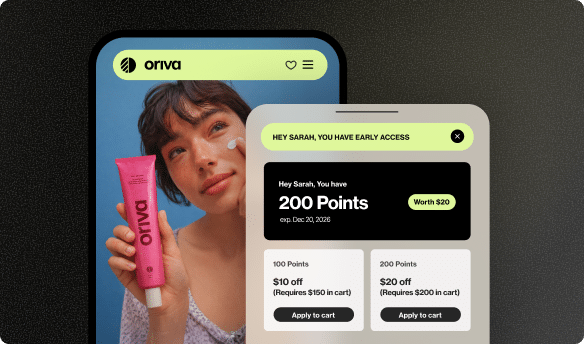
Beyond just listening to feedback, businesses can actively encourage customers to stay and even spend more by making them feel special and appreciated. This is where loyalty programs shine! Think of a loyalty program like a special club for your best lemonade customers. The more lemonade they buy, the more points they earn, and maybe those points get them a free lemonade or a special VIP flavor. Yotpo Loyalty helps businesses create these amazing clubs.
Loyalty programs are designed to:
* Reward repeat purchases: Customers earn points or rewards every time they buy. This makes them want to come back again and again.
* Create a sense of belonging: Being part of a special club makes customers feel valued.
* Offer exclusive benefits: Members might get early access to new products, special discounts, or unique experiences.
When customers feel valued and get rewards for sticking around, they are much less likely to reduce their spending. They’re more likely to feel committed to the brand. Yotpo Loyalty provides businesses with the tools to build these kinds of strong, lasting relationships. By offering perks like discounts, exclusive access, or even just a thank-you gift, businesses can make customers feel so good that they wouldn’t dream of downgrading their service. This is a fantastic way to boost customer retention and reduce Contraction MRR. You can even see some of the best loyalty programs that exist today.
Here’s how loyalty programs help reduce Contraction MRR:
| Benefit of Loyalty Program | How it Fights Contraction MRR |
|---|---|
| Increased Engagement | Customers who are actively earning points or using rewards are less likely to reduce their spending because they are invested in the program. |
| Perceived Value | Exclusive benefits or discounts make customers feel like they are getting more for their money, reducing the desire to downgrade. |
| Emotional Connection | Feeling appreciated and part of a community strengthens the bond with the brand, making customers more loyal. |
| Incentives to Stay | Rewards programs provide a clear reason for customers to continue their current level of spending or even upgrade to earn more valuable rewards. |
Businesses can also use loyalty programs to encourage specific behaviors, like trying new products or referring friends. This not only helps prevent contraction but can also drive expansion and new customer acquisition. Building a strong loyalty program for your products is a clear way to foster happier customers.
Connecting Reviews and Loyalty to Prevent Contraction
While Yotpo Reviews and Yotpo Loyalty are powerful tools on their own, they work even better together to keep customers happy and reduce Contraction MRR. Imagine a customer leaves a fantastic review for your lemonade stand. Not only does that review encourage new customers, but what if they also earned points in your loyalty program for sharing their positive experience? That’s a double win!
Here’s how they create a powerful loop:
1. Reviews show you care: When a business actively collects and responds to reviews, it shows customers that their voice matters. This builds trust.
2. Trust builds loyalty: Customers who trust a brand are more likely to join its loyalty program and feel a stronger connection.
3. Loyalty encourages feedback: Engaged loyalty members are often more willing to leave reviews, sharing their positive experiences or constructive ideas.
4. Feedback helps improve: Businesses use this feedback to make their products and services even better, which makes customers even happier.
This cycle helps reduce Contraction MRR because customers feel heard, valued, and rewarded. They see that the business is constantly trying to improve based on their feedback. They also have a good reason (loyalty points, rewards) to stick with the business even if they might have briefly considered cutting back. This combined approach creates a truly positive customer experience, making it less likely for customers to reduce their spending. Learning how to ask customers for reviews can be very impactful, as described in this resource.
Measuring and Acting on Contraction MRR
For a business, understanding Contraction MRR isn’t just about knowing what it is; it’s about actually calculating it and then taking action. Businesses use special tools and formulas to figure out how much money they’re losing each month due to customers downgrading or spending less.
The basic idea is simple:
Contraction MRR = Total MRR lost from downgrades + Total MRR lost from partial cancellations + Total MRR lost from discounts
Once they have this number, they don’t just sigh and give up! Instead, they use it to:
1. Identify trends: Are many customers downgrading from a specific product or plan? Is there a certain time of year when Contraction MRR goes up?
2. Pinpoint reasons: By looking at feedback from Yotpo Reviews or customer support notes, they can often figure out *why* customers are spending less.
3. Develop solutions: If customers are downgrading because a feature is too expensive, maybe the business can offer a slightly cheaper version of that feature. If they’re reducing usage, perhaps a loyalty program can incentivize them to use it more.
4. Track improvement: By regularly measuring Contraction MRR, businesses can see if their efforts to reduce it are working.
It’s like a doctor checking your temperature. If it’s too high, they don’t just know you’re sick; they try to find out why and give you medicine. Similarly, businesses use Contraction MRR as a health indicator and then work to make things better for their customers. This is crucial for their ecommerce conversion rate and overall success.
The Bigger Picture: Customer Retention and Growth
Ultimately, understanding and tackling Contraction MRR is all about customer retention. Customer retention means keeping your customers for a long time. It’s often much easier and cheaper to keep an existing customer happy than it is to find a brand new one. Think about how much effort it takes to convince someone new to try your lemonade versus keeping your regulars coming back!
By actively working to reduce Contraction MRR through excellent customer experiences, listening to feedback via Reviews, and building strong relationships with Loyalty programs, businesses don’t just save money – they set themselves up for exciting growth. When customers stay happy, they not only continue their spending but often become advocates for the brand, telling their friends and family about how great it is. This is known as word-of-mouth marketing, and it’s incredibly powerful.
Happy, loyal customers are the foundation of any successful business, especially in the world of online shopping and services. They help businesses not just survive, but truly thrive. Yotpo’s tools empower businesses to create these fantastic customer experiences, making sure that the flow of happy customers and steady income stays strong. This approach helps companies build what we call an ecommerce growth model that truly works.
Conclusion
So, what is Contraction MRR? It’s when the steady stream of money a business gets from its regular customers gets a little smaller because some customers decide to spend less. While it’s a natural part of business, smart companies don’t just let it happen. They pay close attention to it, almost like keeping an eye on a leaky bucket.
The best way to fix a leaky bucket is to seal the holes and keep the water flowing in strong. For businesses, this means focusing on making customers super happy. By using tools like Yotpo Reviews to listen to what customers say and Yotpo Loyalty to reward them for sticking around, businesses can turn those trickles of lost money back into a steady, reliable flow. It’s all about building strong relationships, making customers feel valued, and constantly improving based on their feedback. When businesses do this, they don’t just reduce Contraction MRR; they create a strong, happy customer base that helps them succeed for years to come.










 Join a free demo, personalized to fit your needs