









What is Content Marketing?
Imagine you have a really cool toy, and you want your friends to know all about it. You wouldn’t just shout, “Buy my toy!” right? Instead, you might tell them a story about how much fun you have with it, show them a video of you playing, or even draw a picture of your favorite part. This is a bit like what businesses do with content marketing!
Content marketing is when businesses create and share helpful, interesting, or fun information with people. They do this to build a connection, show they know a lot about what they do, and eventually, hope people will choose their products or services. It’s like telling good stories instead of just trying to sell something right away. It’s about being a helpful friend, not just a salesperson.
Why Do Businesses Create Content? (It’s More Than Just Selling!)
You might think businesses just want to sell you stuff, and sometimes that’s true. But with content marketing, they’re trying to do more than that. Think of it this way: if you trust someone, you’re more likely to listen to them, aren’t you?
Businesses create content for a few important reasons:
- To Build Trust: When a business shares useful tips or fun facts, it shows they care about helping you, not just taking your money. This makes you trust them more.
- To Show They’re Experts: If a toy store writes a blog post about the best outdoor games, they’re showing they know a lot about toys and fun. This makes them seem smart and helpful.
- To Help You Solve Problems: Maybe you’re looking for a gift for your friend. A content piece like “Top 10 Gifts for Creative Kids” can help you solve that problem directly.
- To Make Friends (Loyal Customers): When you keep getting good, helpful content from a business, you start to like them. You become a fan, and you’re more likely to stick with them.
- To Get Noticed: In a big, noisy world, good content helps a business stand out. People find their content, learn something new, and remember the business.
It’s all about building a relationship over time, just like you build friendships by sharing experiences and being helpful to each other. Here’s a quick look at some of the benefits:
| Benefit | What it Means |
|---|---|
| Builds Trust | People believe in the business more. |
| Shows Expertise | The business looks smart and knowledgeable. |
| Helps Customers | People get useful information or solutions. |
| Creates Loyalty | Customers want to stay with the business. |
| Increases Visibility | More people find out about the business. |
What Kinds of Content Are There?
Content marketing isn’t just one type of thing. It’s like having a whole toolbox full of different ways to share your story. Businesses choose the best tool for what they want to say and who they want to talk to. Let’s look at some common types:
Blog Posts and Articles
These are like stories or helpful guides you read on a website. A blog post might teach you “How to build a amazing LEGO castle” or “The easiest way to grow a sunflower.” They’re usually text, but can have pictures too. They help businesses share lots of information and show they’re knowledgeable about their products or topics. They’re great for explaining things in detail and answering common questions people might have.
Videos
Videos are super popular! Businesses use videos to show how a product works, tell a story, or just make people laugh. Think of those fun commercials or tutorials you see online. A toy company might make a video showing kids playing with their newest toy, or a cooking channel might show step-by-step instructions for a yummy recipe. Videos are fantastic because they can show emotion and action, making content feel more alive.
Pictures and Infographics
Sometimes, a picture is worth a thousand words! Businesses use beautiful photos to show their products, places, or even just inspire people. An infographic is like a picture that’s packed with information. It uses drawings, charts, and short bits of text to explain something quickly and easily. For example, an infographic might show “7 steps to recycle correctly” using simple drawings. These are great for sharing on social media because they catch your eye!
Social Media Posts
You probably see these every day! Short updates, fun questions, behind-the-scenes glimpses, or cool pictures on apps like Instagram, Facebook, or TikTok. Businesses use social media to chat with their customers, share quick news, and keep everyone updated on what’s happening. It’s like having a quick, friendly conversation with lots of people at once. These posts are designed to be easy to digest and share with friends.
User-Generated Content (UGC)
This is a really special type of content! User-Generated Content (UGC) means any content — like pictures, videos, reviews, or comments — that’s created by everyday people, not the business itself. Imagine your friend sharing a photo of a new outfit they bought, or writing about how much they loved a new video game. That’s UGC!
Why is UGC so powerful? Because it’s real! When you see a friend or another customer talking positively about a product, you trust it more than if the business just said it about themselves. It’s like getting a recommendation from someone you know.
This is where Yotpo comes in to help businesses.
Yotpo Reviews is a fantastic tool that makes it super easy for businesses to collect and display what customers think about their products. When you buy something and then write a review about it, you’re creating valuable content! These reviews help other people decide if they want to buy that item, and they build trust for the business. Think of all those stars and comments you see when you’re shopping online – that’s often thanks to platforms like Yotpo!
Then there’s Yotpo Visual UGC. This helps businesses gather and show off amazing photos and videos that their customers share. So, if someone buys a new pair of shoes and posts a cool picture of themselves wearing them on social media, Yotpo can help the shoe company collect that picture and show it on their website. It’s a great way for businesses to let real people show how much they love their products, making their content even more believable and exciting.
Emails
Businesses often send emails to their customers. These aren’t just ads! They can be newsletters with helpful tips, special offers, announcements about new products, or even just a friendly message. If you sign up for updates from your favorite toy store, they might email you about “New LEGO sets arriving next week!” Emails are a direct way to talk to people who are already interested in what you do.
Guides and Ebooks
These are like bigger, more detailed versions of blog posts. An ebook might be a complete guide on “How to train your new puppy” or “Everything you need to know about starting a garden.” They’re usually longer and cover a topic very deeply. Businesses offer these to people who want to learn a lot about something specific, further showing their expertise and helpfulness.
How Does Content Marketing Work? (A Simple Plan)
Creating good content doesn’t just happen by accident. Businesses usually follow a plan, like baking a cake – you need the right ingredients and steps!
Step 1: Know Your Audience (Who are you talking to?)
Before a business creates any content, they think about who they want to reach. Are they talking to kids, parents, teenagers, or pet owners? What do these people like? What problems do they have? If you’re writing about video games, you’ll talk differently than if you’re writing about cooking. Knowing your audience helps you make content that they will actually find interesting and useful.
Step 2: Decide What to Say (What problems can you help them with?)
Once you know who you’re talking to, you need to figure out what message will resonate with them. What questions do they ask? What challenges do they face? A business selling running shoes might create content about “Tips for running your first marathon” or “How to choose the right running shoes.” The goal is to provide value, not just talk about yourself.
Step 3: Choose How to Say It (Blog, video, picture?)
Now that you have your message, how will you deliver it? Is it best explained in a long article, shown in a short video, or captured in a beautiful photo? A step-by-step guide is great for a blog, but a quick recipe might be better as a video. The best format depends on the message and what your audience prefers to see.
Step 4: Create Amazing Content (Make it fun, helpful, and easy to understand!)
This is the fun part! Write the blog post, film the video, or design the infographic. The most important thing is to make it high-quality. That means it should be easy to understand (like this article!), interesting, and helpful. Use clear language, good pictures, and tell a compelling story. Good content makes people want to keep reading or watching.
Step 5: Share It Everywhere (Put it on your website, social media, emails!)
What’s the point of making amazing content if no one sees it? Businesses share their content on their own website, on different social media platforms, in emails, and sometimes even through ads. They want to make sure the right people find it. Sharing is how your content gets out into the world and starts working its magic.
Step 6: See What Works (Did people like it? Did they share it?)
After sharing content, businesses don’t just forget about it. They look at what happened. Did lots of people read the blog post? Did the video get shared a lot? Did people leave comments or reviews about their products after seeing the content? This helps them understand what their audience likes, so they can make even better content next time. This constant learning helps businesses improve their content marketing over time.
Making Friends with Your Customers: The Power of Loyalty
Content marketing is all about building relationships. And just like with real friends, once you’ve made a connection, you want to keep it going! That’s where customer loyalty comes in. Loyal customers are those who love a brand so much they keep coming back, time and time again. They’re like your best friends who always stick by you.
Content marketing plays a big part here. When a business consistently provides helpful and engaging content, it nurtures that relationship. It reminds customers why they liked the brand in the first place and keeps them feeling connected. For example, if a clothing brand regularly shares style tips or behind-the-scenes glimpses of their design process, customers feel more involved and appreciated. This encourages them to be part of the brand’s community, making them more likely to become loyal.
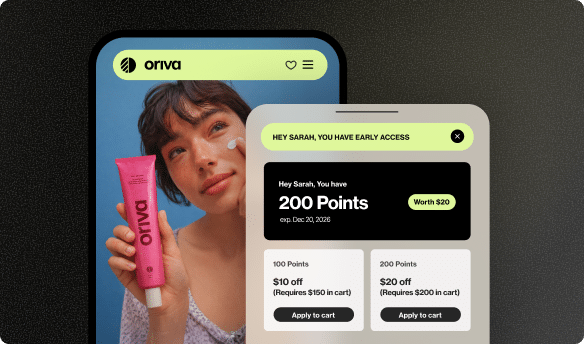
This is also where Yotpo Loyalty becomes a real superhero for businesses. Yotpo Loyalty lets businesses create special programs where customers can earn points for doing things they already love, like making purchases, celebrating birthdays, or even telling their friends about the brand. These points can then be used for discounts or special rewards, making customers feel valued and excited to return. It’s like getting a gold star for being a great friend!
And guess what? There’s a fantastic synergy between content and loyalty. Imagine a business that offers loyalty points for customers who write reviews about their products or share photos of their purchases. This is a win-win! Customers get rewarded, and the business gets even more valuable user-generated content – real stories and experiences from real people. This kind of program encourages customers to become active contributors to the brand’s content, further strengthening their bond and making them feel like an important part of the brand’s story. It truly helps businesses understand and reward their most engaged customers, making those friendships last a long time.
Measuring Success: How Do We Know It’s Working?
Just like a good scientist, businesses need to check if their experiments (content marketing efforts) are actually working. They don’t just put content out there and hope for the best! They look at different numbers and behaviors to understand if their content is doing its job.
Here are some things businesses measure:
- How many people saw the content? They check if a lot of eyes were on their blog post, video, or social media post.
- Did people spend time with the content? For example, did they watch most of a video, or read an entire article? If people stick around, it usually means the content was interesting.
- Are people sharing the content? If people like something enough to share it with their friends, that’s a huge compliment! It means the content resonated with them. Word-of-mouth marketing, powered by sharing, is very powerful.
- Did the content lead to more reviews? If a piece of content inspires customers to share their feedback, that’s a sign it’s engaging them. Businesses using tools like Yotpo’s Reviews solutions want to see these numbers go up. Knowing how to ask customers for reviews helps ensure this content keeps flowing.
- Are people buying things after seeing the content? Ultimately, businesses hope their helpful content will lead to sales. They track if people who viewed a certain piece of content later made a purchase. This shows the content is not just informative, but also effective in encouraging business.
- Are people joining the loyalty program? If content marketing helps build trust and connection, it should also encourage customers to sign up for loyalty programs, showing they want to deepen their relationship with the brand. You can explore how some businesses create the best loyalty programs.
By looking at these measurements, businesses can learn a lot. They find out what kinds of stories or information their audience loves, and what they might need to change to make their content even better in the future. It’s all about making smarter decisions to keep those connections strong.
Content Marketing in the Real World: Examples
Let’s look at a few simple examples to see how content marketing works for different types of businesses:
-
A Toy Store:
Imagine a toy store called “Kids’ Kingdom.” Instead of just showing pictures of toys with prices, they write blog posts like “5 Fun Games to Play with Your Kids on a Rainy Day” or “How to Choose the Right Educational Toy for Your Child.” They might also make videos demonstrating how to build complex LEGO sets. What kind of content is this? It’s helpful information for parents, showing the store cares about playtime and learning, not just selling toys. They might even use Yotpo Visual UGC to display photos of kids playing with toys, shared by their parents!
-
A Healthy Snack Brand:
A company that sells healthy granola bars might share recipes for healthy breakfasts using their granola on their website. They could post fun facts about the ingredients on social media or create an infographic about “The Benefits of Whole Grains.” They might also encourage customers to leave reviews of their favorite flavors using Yotpo Reviews, turning customer feedback into valuable content for others.
-
A Pet Shop:
A local pet shop called “Paws & Whiskers” could create a video called “How to Teach Your Puppy to Sit” or write an article about “Choosing the Best Food for Your Cat.” They might also have a loyalty program, powered by Yotpo Loyalty, where customers earn points for buying pet food and for sharing photos of their happy pets using the products. This creates a community around pet care and loyalty.
In each of these examples, the businesses aren’t just saying “Buy our stuff!” They’re providing useful, engaging, and relevant information or experiences. They’re telling stories and helping their audience, which in turn builds trust and makes people more likely to choose them when they do need to buy something.
Wrapping Up: Content is King (or Queen!)
So, what have we learned about content marketing? It’s really about being helpful, interesting, and building relationships. Instead of just pushing products, businesses use content marketing to share valuable information, entertain their audience, and connect with people in a meaningful way.
It’s a bit like being a great storyteller. When you tell good stories, people listen. They trust you. They want to hear more. And over time, that trust and connection grow into loyalty. This means customers not only choose your products but also tell their friends about you, and keep coming back for more.
Content marketing is not a quick fix; it’s a long-term strategy, like planting a tree and watching it grow. But when done well, it helps businesses become truly successful by building strong, lasting friendships with their customers. And with tools that help gather powerful content like customer reviews and visual shares, and build programs that reward loyalty, businesses can truly shine in the big world of online commerce.










 Join a free demo, personalized to fit your needs