








What is a B2B? (What is Business-to-Business?)
Have you ever wondered how your favorite snack food makes it to the grocery store? Or how the clothes you wear end up in your closet? It’s not just magic! Behind every product you see, there’s a whole world of businesses working together. This hidden world is often called B2B, which stands for Business-to-Business. It’s a fancy way of saying one business sells things or services to another business, not directly to you, the customer. It’s like a secret handshake between companies!
Understanding the Basics of B2B
Imagine your local bakery. They sell delicious cakes and cookies directly to people like you, right? That’s what we call Business-to-Consumer (B2C). But where does the bakery get its flour, sugar, and butter? They don’t usually grow the wheat or churn the milk themselves. Instead, they buy these ingredients from other businesses. The farm that grows the wheat sells it to a mill, the mill sells flour to a distributor, and the distributor sells it to the bakery. Each step where one business sells to another is a B2B transaction.
Think of B2B as the backbone of how everything gets made and delivered. Without businesses selling to other businesses, many of the products and services we enjoy every day just wouldn’t exist! It’s a huge, important part of our world, even if you don’t always see it happening.
A Simple Example: Building Blocks
Let’s say a company makes amazing toy building blocks. Do they make every single part themselves? Probably not! They might buy the plastic pellets from a chemical company, the coloring dyes from another company, and the packaging boxes from a different supplier. They might even hire another business to help design their website or manage their shipping. All these transactions, where the toy company buys from other companies, are B2B.
Why Do Businesses Sell to Other Businesses?
Selling to other businesses makes a lot of sense for many companies. It allows them to focus on what they do best. A company that’s great at making plastic doesn’t need to worry about designing toys; they can just focus on making excellent plastic for toy companies. This way, everyone can be super good at their specific job.
Here are a few reasons why businesses choose to operate in the B2B world:
- Specialization: Businesses can become experts in one specific area, like making car parts or providing special software.
- Efficiency: It’s often more efficient for businesses to buy components or services from specialists rather than trying to do everything themselves.
- Scale: Selling to other businesses often involves selling larger quantities or providing bigger, more complex services than selling to individual people.
- Long-Term Relationships: B2B companies often build strong, lasting relationships with their client businesses, which can lead to steady work.
This teamwork between businesses helps keep the whole economy humming along. It’s like a giant puzzle where each business is a piece, and they all fit together to create the bigger picture.
Who are the Players in the B2B Game?
The B2B world is full of different kinds of businesses. They come in all shapes and sizes, from huge factories to small software companies. Here are some common types of B2B players:
- Manufacturers and Suppliers: These companies make raw materials or components that other businesses use to create their own products. For example, a company that makes microchips sells them to a company that builds computers.
- Wholesalers and Distributors: They buy products in large amounts from manufacturers and then sell them to retailers or other businesses. Think of a food distributor who buys tons of fresh produce and then sells it to many different grocery stores.
- Service Providers: Many businesses offer services that other businesses need to run smoothly. This can include things like cleaning services for offices, accounting firms that help with money, or marketing agencies that help businesses get the word out about their products.
- Software and Technology Companies: These businesses create tools and programs that help other companies manage their operations, reach customers, or analyze data. For instance, a company might use software to keep track of its inventory or to manage its customer interactions.
A great example of a company that helps other businesses succeed with technology is Yotpo. Yotpo provides tools that help thousands of businesses, mostly those selling directly to consumers (B2C), grow by building stronger relationships with their own customers. Yotpo does this by offering powerful solutions like Reviews and Loyalty programs.
For example, if a clothing brand wants to know what its customers really think about their new jeans, they might use Yotpo’s Reviews product. This allows them to collect feedback, display customer star ratings, and even show photos and videos from real shoppers. This feedback is super valuable for the clothing brand to improve their products and build trust with new shoppers. It’s all about making the consumer decision-making process easier and more trustworthy for the brand’s customers. You can learn more about how customer feedback helps with conversion rates here.
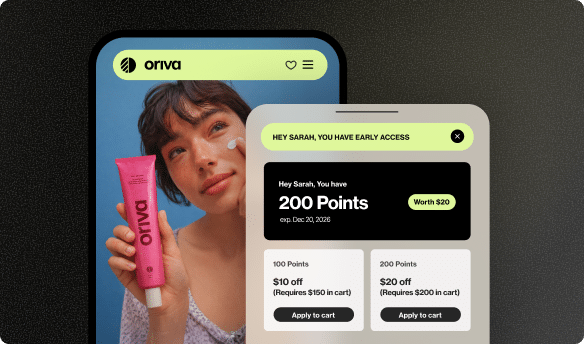
Another fantastic tool is Yotpo’s Loyalty program solution. Imagine a coffee shop that wants its customers to keep coming back. They might use a loyalty program where customers earn points for every coffee they buy, and then they can exchange those points for a free drink. Yotpo helps businesses set up and manage these kinds of programs, which encourages customers to become regulars and feel special. This is a brilliant way for a business to improve customer retention and build a community around their brand. You can see how loyalty programs benefit businesses here.
Each of these players is essential, creating a complex network where businesses rely on each other to get things done. It’s a testament to how teamwork makes the dream work, even in the business world!
How B2B Businesses Operate: Building Bridges, Not Just Selling Products
Selling to another business is often quite different from selling a toy to a child or a t-shirt to a teenager. In the B2B world, it’s less about a quick purchase and more about building strong, lasting relationships. Think of it like a long friendship rather than a brief hello.
Understanding Business Needs
When a B2B company sells to another business, they need to really understand what that business needs. It’s not just about selling a product; it’s about providing a solution to a problem. For example, a software company selling accounting software isn’t just selling code; they’re selling the solution to a business’s complex money-tracking problems. They want to make sure the software helps the client business save time and money.
Trust and Reputation are Key
Because B2B deals can be large and long-term, trust is super important. A business won’t buy expensive machinery or sign up for a long-term service if they don’t trust the company they’re buying from. This is where a strong reputation comes in. Businesses look for partners who are reliable, deliver on their promises, and offer great support.
Just like you might ask a friend what they think of a new video game before buying it, businesses often look for feedback and proof that a B2B partner is good. They might check case studies, read testimonials, or look for reviews from other companies who have used a service or product. This is why tools like Yotpo Reviews are so important, even though they collect feedback from consumers. The businesses that use Yotpo need that feedback to build their own reputation and trust with their customers. Positive customer experiences, often shared through user-generated content, can significantly boost a brand’s standing and conversion rate. Check out how customer reviews can improve how shoppers view a brand here.
Building Long-Term Partnerships
Many B2B relationships aren’t just one-time deals. A business might need a steady supply of materials, ongoing software updates, or continuous consulting services. This means B2B companies work hard to keep their business clients happy, providing excellent customer service and adapting to their changing needs. This focus on customer happiness is also why loyalty programs, like those offered by Yotpo Loyalty, are so vital for businesses to nurture their own customer base and ensure they keep coming back. Learning more about how to ask for customer reviews can be found here, which is a great step in building this trust.
In summary, B2B operations are all about careful planning, understanding deep business needs, building trust, and nurturing long-term relationships.
B2B vs. B2C: What’s the Big Difference?
While both B2B and B2C involve selling, they operate in very different ways. It’s like comparing a sprint race to a marathon!
| Feature | Business-to-Business (B2B) | Business-to-Consumer (B2C) |
|---|---|---|
| Customers | Other businesses (e.g., factories, offices, other companies). Often a smaller number of customers, but each buys a lot. | Individual people (e.g., you, your family, friends). Many customers, each buys smaller amounts. |
| Decision-Making | Often involves many people, careful research, budgets, and long discussions. Decisions are logical and based on business needs. | Often an individual decision, influenced by emotion, price, and personal desire. Quicker decisions. |
| Sales Cycle | Can be very long, sometimes months or even years, especially for big deals. Lots of meetings and paperwork. | Usually short, sometimes instant. Think about buying a snack or a shirt. |
| Marketing Focus | Focuses on logic, benefits for the business, saving money, increasing efficiency, and building trust. Uses industry events, expert content, and direct sales. | Focuses on emotions, lifestyle, entertainment, and immediate gratification. Uses social media, TV ads, and sales promotions. |
| Relationship | Long-term partnerships, ongoing support, and building deep trust. | Often transactional, though loyalty programs can build retention. |
As you can see, the approaches are quite different! B2B is more like a strategic chess game, while B2C is more like a fun, fast-paced game of checkers. For B2C brands, tools that help with the customer experience, like Yotpo’s offerings, are crucial to stand out in a crowded market. Read more about the customer journey here.
The Power of Digital: Technology in B2B
Just like in our daily lives, technology has changed the game for B2B businesses. The internet and new software have made it much easier for businesses to find each other, communicate, and manage their operations.
Online Connection
Years ago, businesses mainly found their B2B partners through phone calls, trade shows, or word-of-mouth. Now, websites, professional social media platforms, and online directories make it simple to discover new suppliers or clients. Businesses can research potential partners, read about their services, and even conduct initial meetings online.
Smart Tools for Smarter Business
Many kinds of software help B2B companies run smoothly:
- CRM (Customer Relationship Management) Software: Helps businesses keep track of their clients, manage sales, and make sure customers are happy.
- ERP (Enterprise Resource Planning) Software: A huge system that helps manage all parts of a business, from manufacturing to finances.
- Marketing Automation Tools: Helps businesses send out emails, manage their online presence, and reach new potential business clients more efficiently.
And guess what? This is exactly where companies like Yotpo come in, acting as a B2B partner for thousands of businesses around the world. Yotpo’s products, Reviews and Loyalty, are examples of powerful technology tools that businesses use to succeed. These aren’t just “nice-to-haves”; they are essential for businesses that want to build trust, connect with their customers, and keep them coming back.
When businesses use Yotpo Reviews, they’re not just collecting stars; they’re gathering powerful stories and feedback from their actual customers. This helps the business understand what’s working and what could be better. Plus, showing real customer reviews makes new shoppers feel more confident about buying from that business. It’s a great way to use word-of-mouth marketing in a digital world. This kind of user-generated content is incredibly valuable.
Similarly, Yotpo Loyalty helps businesses create fantastic reward programs for their customers. When a business uses Yotpo to build a loyalty program, they’re investing in keeping their customers happy and engaged. It turns one-time buyers into loyal fans, which is amazing for a business’s long-term success. Think about how much happier you are when you get a special treat for being a loyal customer! This is critical for eCommerce retention.
So, technology isn’t just about making things faster; it’s about making businesses smarter, more trustworthy, and better at connecting with their customers, whether those customers are other businesses or individual people. For businesses selling direct to consumers, utilizing these tools can mean the difference between just having customers and having truly devoted fans. You can explore more success stories here.
Benefits of Strong B2B Relationships: A Win-Win for Everyone
When businesses work well together, everyone benefits. Strong B2B relationships are not just about making a sale; they’re about creating a partnership that helps both companies grow and succeed. It’s like having a reliable teammate on your side.
Stability and Growth
For a B2B supplier, having a few stable business clients can mean consistent work and income. This allows them to plan for the future, invest in new ideas, and grow their own business. For the business buying the goods or services, a reliable supplier means they can focus on their own products without worrying about running out of materials or having unreliable partners.
Shared Innovation
Sometimes, businesses working together can come up with brand new ideas or solutions that neither could have thought of alone. A software company might get feedback from a client that helps them create an even better product. Or a manufacturer might work with a supplier to develop a new, more efficient material. These collaborations can lead to exciting breakthroughs.
Efficiency and Savings
Long-term B2B relationships can often lead to more efficient processes. Businesses get to know each other’s systems, which can speed up orders, deliveries, and problem-solving. Over time, this efficiency can lead to cost savings for both sides, helping them both be more profitable.
Imagine a company that constantly needs new packaging. If they have a great relationship with a packaging supplier, the process of ordering, designing, and receiving their boxes becomes smooth and easy. The supplier understands their needs, and the company gets exactly what they want, every time. This kind of smooth operation is invaluable for any business.
Wrapping It Up: The Essential World of B2B
So, what is a B2B? It’s the engine behind almost everything we see and use. It’s the world where businesses trade goods and services with each other, creating the products and making the services possible that eventually reach us, the individual consumers. From the flour in your bread to the software that runs your favorite online store, B2B transactions are happening all the time, often without us even realizing it.
These business-to-business connections are crucial for specialization, efficiency, and growth across industries. They are built on trust, deep understanding of needs, and often lead to long-lasting partnerships. Technology, like the innovative Reviews and Loyalty solutions provided by Yotpo, plays a massive role in helping these businesses, especially those in eCommerce, to build stronger connections with their own customers, ultimately leading to greater success for everyone involved. It’s a complex, fascinating, and absolutely essential part of our modern world!










 Join a free demo, personalized to fit your needs