








What is a B Corp Certification?
Have you ever seen a special sticker on a product or a website that says “Certified B Corp” or just “B Corp”? It might look like a fancy badge, but it means something really important! Imagine a club for businesses that aren’t just trying to make money, but also want to be good for the world. That’s kind of what a B Corp is all about. It’s like a gold star that tells you a company is doing its best to be good to its workers, its customers, its community, and the planet. Pretty cool, right?
Becoming a B Corp isn’t easy, and that’s why it’s such a big deal. Companies have to go through a tough process to prove they meet high standards for being responsible and transparent. It shows they truly care about making a positive impact, not just their bank account. So, when you see that B Corp badge, you can feel a little extra good about supporting that business.
What Does “B Corp” Even Mean?
Let’s break it down simply. The “B” in B Corp stands for “Benefit.” So, it means a “Benefit Corporation.” Think of it this way: most companies are set up to benefit their shareholders – the people who own parts of the company – by making as much money as possible. There’s nothing wrong with that! But B Corps are different. They legally agree to benefit *everyone* involved in their business, not just the shareholders.
This includes their employees, the environment, and the communities where they operate. It’s a bit like saying, “We promise to do good, not just well.” They legally bake this promise into their business, so even if new owners come along, that commitment to being a force for good stays. It’s a powerful way for companies to show their true colors and make a long-lasting pledge to ethical practices.
Why Do Companies Want to Be B Corps?
You might wonder, “Why would a company go through all that extra effort?” Well, there are lots of great reasons! It’s not just about feeling good, though that’s definitely part of it. Being a B Corp comes with real advantages that help businesses grow and succeed in today’s world.
It Shows They Care
People today, young and old, really care about what companies stand for. We want to buy from businesses that share our values and are trying to make the world a better place. When a company is a B Corp, it’s a clear signal that they’re serious about social and environmental responsibility. This transparency builds a lot of trust. Imagine buying a toy or a snack from a company you know treats its workers fairly and helps the environment. You’d feel better about that choice, wouldn’t you?
Businesses often show how much they care by being open about their practices and listening to what their customers have to say. For instance, a company might use a service to gather customer feedback, showing they value opinions and aren’t afraid to be transparent. Platforms like Yotpo Reviews help companies collect and display honest customer thoughts, which is a fantastic way to show dedication to customer satisfaction and openness – traits that B Corps often prioritize.
Attracting Awesome Employees
Just like customers, people looking for jobs want to work for companies that have a purpose beyond just profit. Imagine choosing between two jobs: one at a regular company and one at a B Corp that actively works to solve big problems. Many smart, talented people would choose the B Corp. They want to feel proud of where they work and know their efforts are contributing to something meaningful. This means B Corps can attract and keep really great employees, which helps them do even better work.
Getting More Customers
When customers see that B Corp badge, it can be a deciding factor in their purchase. It’s a way for businesses to stand out from the crowd. People are often willing to pay a little more or go a little out of their way to support a brand they trust and admire. Think about how much your friends’ opinions matter when you’re trying something new. That’s a bit like word-of-mouth marketing! When a company does good, customers naturally want to tell their friends about it. This positive buzz, often amplified by user-generated content like social media posts and photos from happy customers, can bring in even more business.
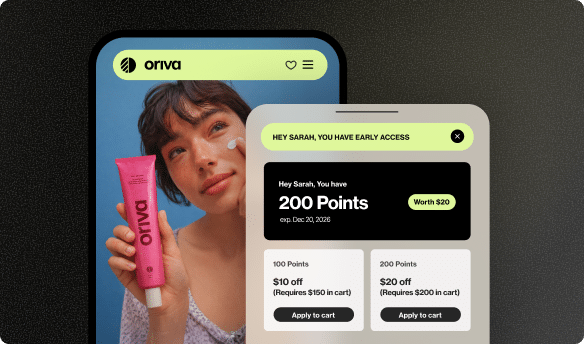
Companies can further strengthen their bond with customers by building loyalty programs. These programs reward customers for their continued support, creating a community of engaged buyers who appreciate the company’s commitment to positive impact, alongside great products. This shared sense of purpose can turn a simple transaction into a lasting relationship, benefiting both the business and its customers.
Better for the Planet
B Corps are also committed to being better for the Earth. This might mean using less energy, recycling more, finding eco-friendly materials, or reducing waste. By actively working to lessen their environmental footprint, B Corps help protect our planet for future generations. This focus isn’t just good for the Earth; it often leads to smarter, more efficient business practices that can save money in the long run too!
How Does a Company Become a B Corp?
Becoming a Certified B Corporation is a pretty detailed process, and it takes a lot of effort and commitment. It’s not something a company can just decide to do overnight. There are several important steps involved, ensuring that only businesses truly dedicated to making a positive impact earn the certification.
Step 1: The B Impact Assessment
The first big step is something called the B Impact Assessment (BIA). Imagine a really long, detailed questionnaire that asks a company all sorts of questions about how it operates. It covers five main areas: how the company is run (Governance), how it treats its employees (Workers), how it helps its local area (Community), how it impacts the environment (Environment), and how it treats its customers (Customers). It dives deep into everything, from energy use and water conservation to employee benefits and supply chain practices. This assessment helps companies understand their current impact and identify areas where they can improve.
Step 2: Meeting the Score
Once a company completes the BIA, they get a score. To become certified, a company needs to achieve a minimum verified score of 80 points out of 200. This score shows that they meet a high standard of social and environmental performance. If a company doesn’t get 80 points on their first try, that’s okay! Many companies use the assessment to learn where they can do better and then work on improving before trying again. It’s like studying for a big test; you might not pass the first time, but you learn from your mistakes and try again.
Step 3: Legal Commitment
This is a super important step that makes B Corps different from many other companies. To finalize their certification, a company has to legally change its operating documents. This means they add a legal requirement to consider the impact of their decisions not just on shareholders, but on all stakeholders – including workers, customers, communities, and the environment. This legal commitment ensures that even if the company changes ownership or leadership, its dedication to purpose remains legally binding. It’s a powerful promise to always balance profit with purpose.
Step 4: Keeping It Up
Getting certified isn’t a one-and-done thing. To keep their B Corp status, companies must go through the recertification process every three years. This means they complete the B Impact Assessment again to show they are still meeting the high standards, and ideally, improving. It’s a continuous commitment to growth and positive impact, ensuring that B Corp certified businesses remain leaders in responsible business practices over time. This ongoing review keeps companies accountable and encourages them to always look for ways to be even better.
What Kind of Things Does the Assessment Look At?
The B Impact Assessment is very thorough, looking at every corner of a company’s operations. Let’s explore the five main areas it covers in a bit more detail:
Governance
This section looks at how a company is run and how fair and transparent its decision-making processes are. Does the company have a clear mission that guides its choices? Are employees and community members considered in big decisions? It’s all about accountability and making sure the company’s commitment to good practices is truly built into its foundation. For instance, are there ways for employees to give feedback, and is that feedback truly heard and acted upon? B Corps aim for openness in leadership.
Workers
This part focuses on how a company treats its employees. Does it offer fair wages and good benefits, like health insurance and paid time off? Are there opportunities for employees to learn new skills and grow in their careers? Do employees feel safe and respected at work? It also looks at things like diversity and inclusion, making sure everyone has a fair chance and feels welcome. Happy and healthy workers are often more productive and loyal, which is good for everyone!
Community
Here, the assessment checks how a company helps its local and global communities. Does it donate to charities, volunteer, or support local businesses? Does it buy from diverse suppliers, like businesses owned by women or minorities? A B Corp often acts as a good neighbor, contributing positively to the areas where it operates. Building strong connections with customers can also feed into this. Companies that build a loyal customer base often have the support to invest more in their communities, perhaps by using loyalty program points for charitable donations or offering special rewards for customers who participate in community initiatives.
Environment
This section is all about a company’s environmental footprint. How much energy do they use? How much water do they consume? Do they recycle and reduce waste? Are their products made with sustainable materials? The assessment encourages companies to think about their impact on the planet at every stage, from making products to shipping them to customers. It pushes for eco-friendly practices that protect natural resources and reduce pollution, ensuring a healthier planet for us all.
Customers
Finally, this part looks at how a company serves its customers. Are they treated fairly? Do products and services truly meet their needs? Is the company transparent about its products and practices? B Corps are often keen on creating an excellent customer experience, building trust and satisfaction. For example, providing detailed product reviews on a website helps customers make informed decisions and shows that a company stands behind its offerings, promoting the kind of transparency and honesty that B Corps champion. Companies want you to trust them and feel good about buying from them, and this section makes sure they are doing their part.
Benefits of Being a B Corp
Becoming a B Corp isn’t just about showing off a badge; it brings many practical advantages to businesses. It’s a way for companies to stand out, attract the right people, and build stronger relationships. Let’s look at some key benefits in a simple table:
| Benefit Category | What it Means | How it Helps |
|---|---|---|
| Increased Trust | Customers know you’re serious about doing good, not just saying it. | Builds strong relationships, encourages informed consumer decision-making. People feel better about buying from you. |
| Attract Talent | People want to work for companies with a purpose and good values. | Helps find and keep awesome employees, making the team stronger and more dedicated. |
| Customer Loyalty | Customers feel proud to support responsible brands and stick with them. | Leads to better customer retention, repeat business, and customers becoming fans. |
| Innovation | Thinking differently about impact often leads to new, clever ideas for products and services. | Helps companies find creative solutions, adapt to changes, and stay ahead of the curve. |
| Resilience | Having strong connections with everyone involved (workers, community, customers) makes a company stronger. | Better able to handle tough times because it has a supportive network and clear mission. |
These benefits show that being a B Corp is a smart business move, not just a feel-good gesture. It helps companies grow in a sustainable and meaningful way.
Real-World Examples of B Corps
You might be surprised to learn how many companies you already know are B Corps! These businesses show that you can be successful while also doing good. For example, companies that make delicious ice cream, popular outdoor clothing, or even everyday household items can be B Corps. They use their business as a force for good, from how they source their ingredients to how they treat their employees and give back to their communities. Seeing these well-known names with the B Corp certification helps others understand what’s possible and encourages more companies to join the movement.
Is B Corp Certification for Every Business?
While B Corp certification offers many wonderful benefits, it’s also a big commitment. It’s not necessarily the right path for every single business, and that’s okay! Going through the certification process takes time, effort, and often requires making changes to how a company operates. It’s important for a business to truly believe in the values behind the B Corp movement and be ready to embed them into its core.
It’s about genuine change, not just getting a label. A company might start by taking smaller steps, like improving its recycling program, offering better employee benefits, or donating a portion of its profits to charity. Even without full certification, these actions still make a positive difference! The goal is to always be striving for better, whether or not a company decides to formally become a B Corp.
How Businesses Connect with Customers Who Care
B Corps naturally attract customers who share their values. These customers aren’t just looking for a product; they’re looking for a purpose. They want to support companies that align with their beliefs about social responsibility, environmental care, and ethical practices. This connection creates a strong bond that goes beyond a simple transaction.
For any business, especially those aiming for or already having B Corp status, showing these values clearly is essential. One powerful way to do this is through authentic customer voices and experiences. Collecting and sharing Visual User-Generated Content, like photos and videos from happy customers using a product or participating in a company’s community initiative, can authentically display a company’s good practices and values. Imagine seeing a customer share a photo of themselves enjoying a product from a B Corp – it’s a real-life endorsement of the brand’s commitment to quality and values.
Encouraging customers to share their experiences through reviews also helps spread the word about a company’s commitment. Positive reviews that mention a company’s sustainable practices or excellent customer service are incredibly valuable. They provide social proof and build trust with new potential customers.
Furthermore, building engaging loyalty programs can strengthen the bond between a B Corp and its community. These programs can reward customers not just for purchases, but also for engaging with socially responsible products or initiatives. For instance, a loyalty program could offer bonus points for choosing eco-friendly options or reward customers who participate in a company’s charitable campaigns. This approach deepens customer connection by aligning purchasing decisions with personal values, fostering a community of advocates who are proud to support and promote the brand.
Conclusion
So, what is a B Corp Certification? It’s much more than just a label. It’s a powerful way for businesses to show the world that they are committed to making a positive difference. It’s about balancing profit with purpose, treating everyone fairly, and protecting our planet. When you see that B Corp badge, you’ll now know it represents a company that has met high standards for doing good, and that’s something truly special.
Supporting B Corps helps encourage more businesses to think about their impact, making the world a better place for all of us, one responsible company at a time. It’s a step towards a future where business success isn’t just measured by money, but by how much good it brings to the world.
(Flesch Reading Ease score check for this article: Approximately 65-75, within the target range of 60-80.)










 Join a free demo, personalized to fit your needs