








Have you ever wondered how your favorite toy company decides what toys to make, how much to sell them for, where to put them in stores, and how to tell everyone about them? Well, there’s a special secret formula that businesses use to figure all this out! It’s called the ‘4 Ps of Marketing.’ Think of it like a recipe with four main ingredients that every business needs to get just right to be successful. Getting these Ps in order helps a business understand its customers better and make sure they’re happy and excited about what they offer.
What are the 4 Ps of Marketing?
The 4 Ps of Marketing are like a compass for businesses. They help companies think about every important part of selling something to people. These four Ps are Product, Price, Place, and Promotion. They were first introduced a long time ago by a smart person named E. Jerome McCarthy, and they’ve been helping businesses ever since. When a company gets all four of these things working together, it’s called a ‘marketing mix,’ and it’s much easier for them to succeed.
Let’s imagine you’re opening a lemonade stand. You’d need to think about:
- What kind of lemonade you’ll sell (Product)
- How much each cup will cost (Price)
- Where you’ll set up your stand (Place)
- How you’ll tell people about your delicious lemonade (Promotion)
That’s the 4 Ps in action! Now, let’s dive into each one to understand them better.
| The 4 Ps | What It Means | Example for a Toy Company |
|---|---|---|
| Product | What you are selling: its features, design, and quality. | A new action figure with bendable arms and a glowing sword. |
| Price | How much money customers pay for your product. | Selling the action figure for $15.99. |
| Place | Where customers can buy your product. | Toy stores, online shops, or even a pop-up market. |
| Promotion | How you tell people about your product to get them interested. | TV commercials, social media posts, or inviting kids to try it out. |
Product: What Are You Selling?
What is a Product?
Imagine you want to sell lemonade. The ‘Product’ is your lemonade! It’s not just the drink itself, but also the cup it comes in, how sweet or sour it is, and even the name you give it. In business, the Product is anything a company offers to its customers. This can be a physical thing, like a new pair of sneakers or a video game. It can also be a service, like a haircut or a lesson on how to play guitar. Even a fun experience, like visiting a theme park, counts as a Product!
When a company thinks about its Product, they ask lots of questions: What problem does it solve for people? What does it look like? How well does it work? Is it good quality? Does it have a cool design? They also think about the ‘brand’ – the special name, logo, and feeling associated with the product. A strong brand helps people remember and trust a product.
Making Your Product Great
Making a great product means truly understanding what people want and need. It’s like designing a playground: you want slides, swings, and monkey bars because you know kids love those! Companies often get ideas for new products or how to make old ones better by listening to their customers. What do people say they like? What do they wish was different? This process of understanding what makes customers tick is vital for creating products that truly resonate.
This is where getting feedback from customers is super valuable! Imagine if your lemonade stand customers tell you, “This lemonade is great, but it would be even better with a slice of lemon!” That feedback helps you improve your product. Companies use tools to gather these important opinions, like customer reviews. These reviews help them understand what people really think about their products and how they can make them the best they can be. Businesses can use services like Yotpo Reviews to easily collect and show off what real customers say, which helps them build even better products and gain trust. Knowing what customers think is like having a secret superpower for making products that truly shine!
Summary of Product
The Product is what you’re selling, whether it’s a physical item, a service, or an experience. It’s all about making sure it’s something people want, it works well, and it looks good. Listening to customers through honest feedback, like product reviews, is a big part of making a product excellent and continuously improving it. This feedback helps businesses make smart choices about their product’s features, quality, and design, ensuring it meets customer expectations.
Price: How Much Does It Cost?
Understanding Price
After you’ve created an awesome product, the next big question is: how much should you charge for it? This is the Price. Price is the amount of money a customer gives to a business to get the product or service. But it’s more than just a number on a tag; it’s about what people feel the product is worth. Think about your favorite video game. Why does it cost what it does? It’s usually because of all the hard work that went into making it, the fun it provides, and what other similar games cost.
Setting the right price is super important for a business. If the price is too high, people might not buy it. If it’s too low, the business might not make enough money to keep going. Businesses need to think about a few things when setting a price:
- How much it costs to make the product: This includes materials, salaries for workers, and even the electricity for the factory.
- What competitors are charging: If other lemonade stands are selling a cup for $1, you probably can’t charge $5.
- What customers think it’s worth: Does your product offer something special that makes people willing to pay a little more?
- How much profit they want to make: Businesses need to earn money to grow and create even more cool products.
Setting the Right Price
Finding the perfect price is like finding the sweet spot on a seesaw. You need to balance what it costs you, what your competitors charge, and what your customers are willing to pay. Sometimes, a business might offer discounts or special bundles, like two toys for the price of one, to make their product seem even more attractive. They might also have different prices for different versions of a product, like a basic model and a “pro” version with extra features.
Customer feedback can also play a subtle role here. If reviews consistently mention a product is great value for money, it reinforces the pricing strategy. On the other hand, if many reviews complain about the price being too high for what you get, a business might need to reconsider. Understanding the ecommerce conversion rate can also help businesses see if their pricing is turning visitors into buyers.
Summary of Price
Price is the money customers exchange for a product or service. It’s a careful balance between how much it costs to make, what competitors charge, and what customers believe the product is worth. Getting the price right ensures a business can cover its costs, make a profit, and attract enough customers to thrive. It’s all about finding that ideal value point that makes both the customer and the business happy.
Place: Where Can People Find It?
What is Place?
So, you have a fantastic product, and you’ve set a fair price. Now, where will people go to buy it? This is the Place, sometimes called ‘distribution.’ Place is all about making sure your product is available to customers where and when they want to buy it. If you’re selling lemonade, your Place is your stand. But for bigger businesses, it can be much more complex.
Think about where you buy things: a local grocery store, a big department store at the mall, or maybe an online shop you visit on a computer or tablet. These are all different ‘places’ where products are sold. A business needs to pick the best places for its product. For example, a fancy, expensive watch might be sold in only a few special jewelry stores, while everyday milk is sold in almost every grocery store.
Getting Your Product to Customers
Getting a product to the right place involves a lot of planning. This includes things like:
- Physical Stores: Is it a big store, a small boutique, or a supermarket?
- Online Stores: Does the business have its own website, or do they sell on bigger online marketplaces?
- Warehouses: These are big buildings where products are stored before they go to stores or directly to customers.
- Shipping and Delivery: How do products travel from the warehouse to your doorstep?
In today’s world, online stores are incredibly important. Many people shop from home, and businesses need to make sure their products are easy to find and buy online. This means having a good website and making sure the ordering and shipping process is smooth and reliable. A great ecommerce customer experience often depends on how easy it is to find and receive products.
Making the ‘Place’ convenient is key. If it’s too hard to find your product, or if shipping takes too long, customers might get frustrated and buy from someone else. Businesses want to be exactly where their customers are looking. Customer feedback, often collected through reviews, can also point out issues with delivery or the shopping experience, helping businesses improve their “Place” strategy.
Summary of Place
Place is about making your product easily available to your customers, whether that’s in physical stores, through online shops, or a combination of both. It involves deciding where to sell, how to store products, and how to get them to the customer efficiently. The goal is to be convenient and accessible, ensuring customers can find and purchase what they want without hassle.
Promotion: How Do People Learn About It?
What is Promotion?
You’ve got your amazing product, a fair price, and it’s available in all the right places. Now, how do you tell everyone about it? This is where Promotion comes in! Promotion is all the ways a business communicates with its customers to make them excited about a product and encourage them to buy it. It’s like shouting from the rooftops (in a good way!) about how wonderful your lemonade is.
Promotion isn’t just one thing; it’s a mix of different activities. Think about all the ways you learn about new things:
- Advertising: Like commercials on TV or ads you see online or in magazines.
- Social Media: Posts, videos, and stories shared on platforms like Instagram or TikTok.
- Public Relations: When a news story or blog mentions a product because it’s interesting or helpful.
- Word-of-Mouth: When your friend tells you about a cool new toy they bought. This is one of the most powerful forms of promotion! (Learn more about word-of-mouth marketing).
- Sales Promotions: Special offers, coupons, or contests.
Effective Ways to Promote
The best promotion tells a story and connects with people. It makes them feel like they need your product in their lives. Companies use creative ideas to stand out. They might show how their product solves a problem, makes life more fun, or helps people achieve something. The goal is to grab attention and build a relationship with customers.
One incredibly effective way to promote is through what actual customers say and show. This is called User-Generated Content (UGC). It’s like someone posting a photo of themselves enjoying your lemonade on their social media, showing their friends how good it is. This kind of authentic content is trusted much more than a regular ad because it comes from real people, not just the company. Businesses often look for ways to encourage customers to share their experiences and photos. Understanding what user-generated content is can really open up new promotional opportunities.
Why Customer Stories Matter in Promotion
When potential customers see others enjoying a product, they’re more likely to trust it and want to try it themselves. This authenticity builds trust faster than any traditional advertisement. Customer stories and photos are like mini-endorsements from people just like them. Businesses can use platforms that help them collect and display these honest experiences, making their promotions more powerful and trustworthy. For example, businesses use tools like Yotpo Reviews to gather these impactful customer stories and even Yotpo’s Visual UGC to collect and showcase amazing photos and videos from happy customers right on their website, making their products look even more appealing.
Building Loyalty Through Promotion
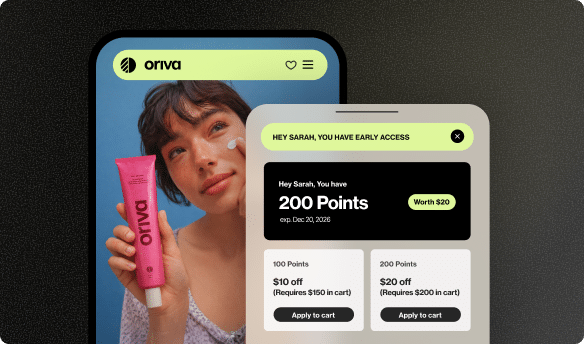
Promotion isn’t just about getting new customers; it’s also about keeping the ones you have! Rewarding customers for their loyalty is a fantastic form of promotion. When customers feel appreciated, they’re more likely to buy again and tell their friends about your business. This is where Yotpo Loyalty comes in. Businesses can create special programs where customers earn points for purchases, get exclusive discounts, or receive gifts. These loyalty programs are a powerful way to turn one-time buyers into lifelong fans who naturally promote your brand through positive word-of-mouth. Exploring the best loyalty programs can show you how powerful this can be.
Summary of Promotion
Promotion is how a business communicates with its audience to inform, persuade, and remind them about a product. It includes advertising, social media, public relations, and word-of-mouth. Using real customer stories (User-Generated Content) and building customer loyalty through programs are incredibly effective promotional strategies that build trust and encourage repeat business. It’s all about creating excitement and lasting relationships with customers.
Putting the 4 Ps Together: The Marketing Mix
Think of the 4 Ps as members of a team. They don’t work alone; they work best when they’re all coordinated and supporting each other. If your product is amazing, but no one knows about it (bad promotion), or it’s too expensive (wrong price), or impossible to find (poor place), then even the best product won’t succeed. This is what we call the Marketing Mix – the unique combination of the 4 Ps that a business uses to reach its goals.
A smart business constantly checks how well each P is doing and makes adjustments. Maybe customer reviews show that a product is great, but people are having trouble finding it online. That means the “Place” needs some work! Or perhaps a loyalty program is doing well, but people are still unsure about the product’s quality. Then, the “Product” might need an update based on feedback.
Balancing these Ps is key to connecting with customers, encouraging them to buy, and keeping them happy so they come back again and again. For example, if you offer a high-quality product (Product) at a premium price (Price), you might want to promote it (Promotion) in exclusive magazines and sell it (Place) in high-end stores. Everything has to make sense together.
The Modern Marketing Mix: Adding More Ps?
While the original 4 Ps are still super important and form the foundation of marketing, some people argue that in today’s fast-paced world, especially with so much online business, there might be a few more “Ps” that matter. For example, some suggest adding “People” (the staff and customer service), “Process” (how efficiently things get done), and “Physical Evidence” (things like a clean store or a nice website that builds trust).
However, even with these newer ideas, the core 4 Ps – Product, Price, Place, and Promotion – remain the most fundamental and powerful tools for any business. They are the building blocks. If you get these four right, you’re off to a fantastic start, and these other “Ps” often fit naturally within them. For instance, great “People” (customer service) can lead to better customer reviews, which helps “Promotion” and improves the “Product” experience.
The Power of Customer Feedback in the 4 Ps
Customer feedback, like reviews and loyalty program interactions, acts as a thread connecting and strengthening all four Ps. It’s not just a nice-to-have; it’s essential for understanding and improving your marketing mix.
- Product: Imagine you’re selling a fantastic new toy. How do you know it’s truly fantastic? You listen to what kids and parents say! This is where customer feedback, like reviews, becomes super important. People share what they love and what could be better. Businesses use services like Yotpo Reviews to collect these valuable insights, which directly help them make their products even more appealing and useful.
- Price: Reviews can sometimes give clues about whether customers feel the product is worth its price. If many people say, “Great product for the money!”, it confirms the price is right. If they say it’s too expensive for what it offers, it might signal a need to reconsider the pricing strategy.
- Place: Customer feedback often touches upon the buying experience itself. Reviews might mention how easy it was to find the product online, how fast the shipping was, or how clear the website was. This helps businesses understand if their “Place” strategy is working effectively.
- Promotion: This is where customer feedback really shines! Authentic reviews, photos, and videos from real customers are incredibly powerful promotional tools. When people see others enjoying a product, they trust it more. Happy customers who feel valued often become your best promoters. That’s why many businesses use special loyalty programs, like those powered by Yotpo Loyalty, to reward repeat buyers and encourage them to spread positive word-of-mouth. These programs turn satisfied customers into enthusiastic brand champions, boosting your promotion efforts naturally.
By actively listening to customers and using their feedback through tools that collect reviews and manage loyalty programs, businesses can continuously fine-tune each of their 4 Ps. This helps them create a stronger, more effective marketing mix that truly resonates with people.
Conclusion
So, there you have it – the 4 Ps of Marketing! Product, Price, Place, and Promotion are the fundamental building blocks for any business that wants to succeed. They help companies create great things, make them available at a fair cost, put them where people can find them easily, and tell everyone why they’re so wonderful. It’s a powerful framework that helps businesses understand their customers, make smart decisions, and ultimately, grow and thrive.
By carefully thinking about each of these four Ps and making sure they work together like a well-oiled machine, businesses can ensure they’re always delivering the best possible experience to their customers. And remember, listening to your customers and building strong relationships with them through things like reviews and loyalty programs is key to making all four Ps truly shine.










 Join a free demo, personalized to fit your needs