








What are Porter’s Five Forces?
Imagine you’re building a super cool fort. To make sure your fort is the strongest and safest, you’d think about who might try to challenge it, right? Maybe other kids with their own forts, or a big brother who wants to take over. You’d also think about what cool gadgets you can add to make your fort better, or if you can find unique building blocks that no one else has.
Well, businesses are a lot like forts! They operate in a world where other businesses are also trying to be the best. To understand how strong a business can be and how much money it can make, a smart professor named Michael Porter came up with a brilliant idea: Porter’s Five Forces. These five forces are like five big challenges or opportunities that every business faces. By understanding them, businesses can figure out how to stand strong and grow.
Think of it as a playbook for understanding the competition and finding your business’s special place. It helps businesses see where they might be strong, where they might be weak, and how they can improve. Let’s dive into each of these forces, one by one, and see how they work!
1. Threat of New Entrants (New Kids on the Block)
This force asks: how easy is it for new businesses to start up and compete with existing ones?
Imagine you have a lemonade stand that sells the best lemonade on your street. You’ve got a special recipe, a nice stand, and all your friends love your lemonade. Now, if it’s super easy for another kid to set up their own lemonade stand right next to yours with just a table and some lemons, that’s a high “threat of new entrants.” It means you could have new competition popping up all the time, making it harder to keep all your customers.
But what if it’s really hard? What if starting a lemonade stand required a special permit from the city, a huge machine to squeeze lemons, and a secret ingredient that only you know? Then, the threat of new entrants would be low because it’s too difficult or expensive for others to join in.
What makes it hard for new businesses to enter?
- Big startup costs: Does it cost a lot of money to even get started? Like needing a huge factory or very expensive machines.
- Special knowledge or skills: Do you need to know secret recipes or have very unique skills that are hard to learn?
- Loyal customers: Do existing businesses have customers who love them so much they won’t switch?
- Access to materials: Is it hard for new businesses to get the special things they need to make their product?
- Government rules: Are there lots of rules or licenses needed that make it tough for new businesses to open?
For eCommerce businesses, having a strong customer base and a great reputation can act like a big “No Entry” sign for new competitors. How do you build that? By making customers super happy!
Collecting and displaying customer reviews with Yotpo Reviews is a fantastic way to build trust and show new visitors that your brand is loved. When potential customers see lots of positive feedback and photos from real people, it makes your business look established and reliable. This creates a barrier for new entrants, as they don’t have that immediate proof of customer satisfaction.
Similarly, strong customer retention and a base of repeat buyers mean new brands have to work much harder to steal customers away. If your customers are already loyal to you, they’re less likely to jump to a new, unknown brand.
Summary of Threat of New Entrants
The easier it is for new businesses to pop up, the more competitive things get. Businesses want to make it harder for new rivals to join the game by having things like a strong brand, loyal customers, or unique advantages.
2. Bargaining Power of Buyers (Customers Have the Power)
This force looks at: how much power do customers have to push prices down or demand more from businesses?
Think about buying a toy. If there’s only one store in town that sells that toy, and you really, really want it, the store owner has a lot of power. They can set the price pretty high, and you’ll probably pay it because you have no other choice.
But what if there are five different stores selling the exact same toy? Now, you, the customer, have more power. You can go to each store, compare prices, and maybe even ask for a discount. If one store won’t give you a better deal, you can just go to another one. This means the buyers have high bargaining power.
What gives buyers more power?
- Many choices: If there are lots of similar products or services available from different businesses.
- Easy to switch: If it’s simple and cheap for customers to switch from one business to another.
- Big purchases: If a customer buys a very large amount of something, they might be able to demand a better price.
- Lots of information: If customers know a lot about the product and its price from different places, they can negotiate better.
In eCommerce, customers always have a lot of power because they can easily compare products and prices from different stores with just a few clicks. So, how can businesses reduce this power and make customers want to stick around?
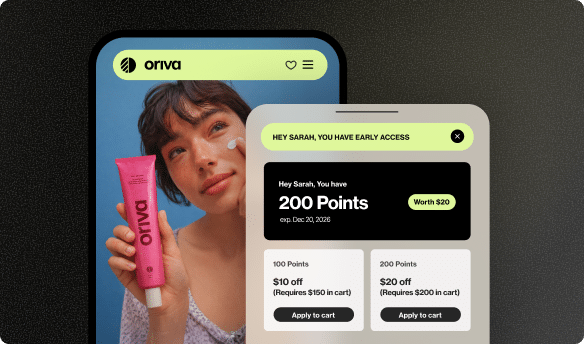
This is where customer loyalty programs from Yotpo Loyalty come in handy. By rewarding customers for buying more, referring friends, or engaging with your brand, you create reasons for them to choose you again and again. For example, a loyalty program might give points for every purchase, which customers can then use for discounts or exclusive products. This makes them feel valued and creates a special relationship that goes beyond just the price of an item.
Another way to reduce buyer power is through unique products or a fantastic customer experience. If your brand offers something special that can’t be found anywhere else, or if buying from you is simply more enjoyable, customers are less likely to look for cheaper alternatives.
Summary of Bargaining Power of Buyers
Customers have more power when they have many choices and can easily switch between businesses. Businesses want to make themselves unique and rewarding so customers choose them not just for price, but because they love the brand.
3. Bargaining Power of Suppliers (Who Makes Your Stuff?)
This force asks: how much power do the people who supply a business with its materials or services have?
Let’s go back to your lemonade stand. To make your special lemonade, you need lemons and sugar. What if there’s only one farmer in the whole town who grows lemons, and everyone has to buy from him? That farmer, your “supplier,” has a lot of power. He can raise the price of lemons, and you’ll probably have to pay it if you want to keep making lemonade. This is high bargaining power of suppliers.
But if there are ten different farmers growing lemons, and they all want to sell to you, then you, the lemonade stand owner, have more power. You can choose the best price or the best quality lemons. The suppliers have less power.
What gives suppliers more power?
- Few suppliers: If there are only a few places to get what you need.
- Unique materials: If the materials or services they provide are very special and hard to find elsewhere.
- Expensive to switch: If it costs a lot of money, time, or effort for a business to switch from one supplier to another.
- Suppliers could become competitors: If the suppliers could easily start making and selling the final product themselves.
For eCommerce brands, having reliable suppliers is super important. You want to make sure you can always get the products you need to sell to your customers. If your suppliers have too much power, they could make it difficult for your business to grow or even stay profitable.
While Yotpo Reviews and Loyalty don’t directly manage supplier relationships, they indirectly strengthen a business’s position. A strong brand with loyal customers and positive reviews gives a business more credibility and stability. This can make a business a more attractive partner for suppliers, and in some cases, might even give them a slight edge when negotiating.
Summary of Bargaining Power of Suppliers
Suppliers have more power when they are the only source for important things, or when it’s hard for businesses to switch to a different supplier. Businesses want to have many options for their supplies to keep costs down and ensure smooth operations.
4. Threat of Substitute Products or Services (Different Ways to Get What You Need)
This force considers: how easily can customers find a different way to meet the same need, even if it’s not the exact same product?
Let’s say you sell delicious homemade cookies. People buy them for a sweet treat. But what if someone else starts selling amazing brownies, or yummy cupcakes, or even healthy fruit snacks? These aren’t cookies, but they satisfy the same desire for a sweet treat or a snack. If it’s easy for your customers to switch to these other treats, then there’s a high threat of substitute products.
A substitute product isn’t a direct competitor selling the same thing, but something different that serves the same purpose. For example, a car is a substitute for a bicycle if someone wants to travel. Movies streaming at home are a substitute for going to a movie theater.
What makes substitute products a big threat?
- Good price-performance: If the substitute is cheaper but works almost as well.
- Easy to switch: If it’s not a big deal for customers to try the substitute.
- Customer awareness: If customers know about the substitutes and their benefits.
To fight off substitutes, businesses need to make their product or service truly special and desirable. Why should customers choose your cool t-shirt instead of buying a plain one from a big discount store? Why should they choose your coffee brand over a different drink altogether?
This is where building a strong brand identity and unique User-Generated Content (UGC) comes into play. Yotpo Reviews helps businesses collect and showcase authentic customer photos and videos. When customers see real people enjoying your products, it builds desire and shows how your product fits into their lives in a unique way. This makes your brand stand out from generic substitutes. For example, seeing happy customers wearing your t-shirts on Instagram (collected through Yotpo) makes your t-shirts more appealing than just a basic, no-name shirt.
Also, creating a fantastic loyalty program with Yotpo Loyalty can give customers a reason to stick with your brand, even if a substitute product seems tempting. If they’re earning points or getting exclusive access, they might think twice before switching to something else.
Summary of Threat of Substitute Products or Services
Substitutes are different products that solve the same customer need. Businesses need to differentiate themselves and create strong customer bonds to ensure customers choose them over other options.
5. Rivalry Among Existing Competitors (The Fight for Customers)
This force looks at: how intense is the competition among businesses already in the market?
Imagine you and your best friend both have ice cream stands on the same street. You both sell chocolate and vanilla, and you both want customers to come to your stand. You might try to have cooler toppings, or a special “buy one get one free” deal, or a brighter sign. This is high rivalry. When rivalry is high, businesses often have to cut prices, advertise a lot, and constantly try to outdo each other, which can make it harder for any single business to make a lot of money.
But what if there’s only one ice cream stand in the whole town, and it’s yours? Then the rivalry is low, and you can set your prices and offer whatever you like, because customers have no other choice.
What makes rivalry intense?
- Many competitors: If there are lots of businesses selling similar things.
- Similar products: If everyone sells pretty much the same thing, it’s harder to stand out.
- Slow market growth: If not many new customers are entering the market, businesses have to fight harder over existing customers.
- High exit barriers: If it’s very expensive or difficult for a business to simply close down, they might keep fighting even if they’re not doing well.
In the world of eCommerce, rivalry is almost always intense! There are so many online stores selling similar products. So, how can a business win the fight for customers?
Differentiation is key. Businesses need to show why they are better or different. Yotpo Reviews helps businesses collect authentic customer reviews, which are a powerful tool for standing out. When potential buyers see real customer feedback, it builds trust and helps them make a decision. Imagine two online stores selling similar shoes; the one with hundreds of positive reviews and customer photos will likely win the sale because it looks more trustworthy and popular. These reviews also help with conversion rates — turning website visitors into buyers.
Furthermore, Yotpo Loyalty helps businesses build strong relationships with their customers. By creating unique loyalty programs, businesses can offer exclusive perks, rewards, and experiences that competitors might not have. This fosters a community around the brand and makes customers feel special, encouraging them to return again and again instead of switching to a rival. This kind of customer retention is a secret weapon against intense rivalry.
Summary of Rivalry Among Existing Competitors
When there are many similar businesses fighting for the same customers, it’s tough. Businesses need to differentiate themselves, build strong brands, and create loyal customer bases to succeed.
Bringing the Five Forces Together: How Businesses Use This Knowledge
So, why is knowing about these five forces so helpful for a business? Think of it like a weather report for your business environment. By understanding the “weather” (the forces), a business can make smarter choices about how to operate, what products to sell, and how to treat its customers.
For example, if a business realizes that the “threat of new entrants” is high (meaning new competitors can easily pop up), they might decide to invest more in building a super strong brand with lots of loyal customers and amazing word-of-mouth marketing. Or, if “bargaining power of buyers” is high (customers have lots of choices), they’ll focus on providing an incredible customer experience and rewarding loyalty.
Here’s a quick look at how the forces can affect a business:
| Force | When it’s High (Tough for Business) | When it’s Low (Good for Business) |
|---|---|---|
| Threat of New Entrants | New businesses easily start, taking customers. | Hard for new businesses to start, protecting existing ones. |
| Bargaining Power of Buyers | Customers can demand lower prices or more features. | Customers have fewer choices, so they pay fair prices. |
| Bargaining Power of Suppliers | Suppliers can raise prices for materials or services. | Businesses have many supplier choices, keeping costs down. |
| Threat of Substitutes | Customers can easily switch to different products for their needs. | Few other ways for customers to meet their needs, so they stick with you. |
| Rivalry Among Existing Competitors | Many competitors fighting hard, leading to price wars. | Fewer competitors, or unique differences, making it easier to stand out. |
Yotpo’s powerful tools for Reviews and Loyalty help businesses navigate these forces. They empower brands to build strong relationships with customers, gather social proof, and stand out in crowded markets. For example, a business using Yotpo Reviews can quickly build a reputation that makes it harder for new companies to compete on trust alone. Meanwhile, a Yotpo Loyalty program makes customers feel valued, reducing their desire to switch to a competitor or a substitute.
These two products, Reviews and Loyalty, can work together or individually to boost a business’s strength. When customers are rewarded for purchases and then share their positive experiences, it creates a powerful cycle of growth and protection against these competitive forces.
Conclusion
Porter’s Five Forces might sound like a grown-up business topic, but at its heart, it’s about understanding who you’re playing with in the business “game” and how to make your own team stronger. By looking at new competitors, customer power, supplier power, substitute products, and how much other businesses are fighting, any company can get a clearer picture of its world.
For eCommerce brands especially, using tools like Yotpo Reviews to gather valuable social proof and Yotpo Loyalty to build lasting customer relationships isn’t just a good idea — it’s a smart strategy to strengthen their position against all five of these forces. It helps businesses not just survive, but truly thrive, by turning customers into advocates and keeping them coming back for more.










 Join a free demo, personalized to fit your needs