


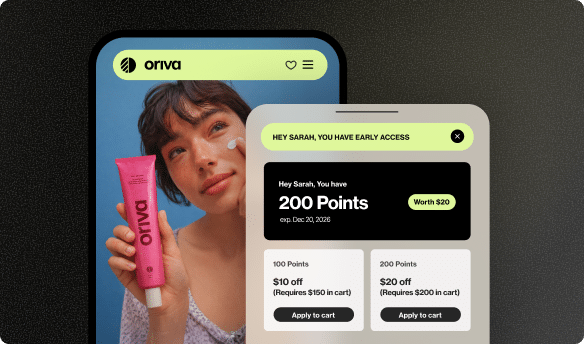






How do you measure the cost of a loyalty program?
Imagine your favorite store. Maybe it’s a candy shop, a toy store, or a place that sells cool clothes. What if this store gave you a special card, and every time you bought something, you earned points? After enough points, you could get a free treat or a discount on your next purchase! That’s a loyalty program. It’s like a special club that thanks you for being a regular customer. Businesses love loyalty programs because they help them keep their best customers coming back again and again. But even something as fun as a loyalty program has costs. For a business to know if their loyalty program is a good idea, they need to understand exactly what it costs to run. Let’s explore how to figure that out.
What Even *Is* a Loyalty Program?
At its heart, a loyalty program is a way for businesses to say “thank you” to their customers who choose them often. Think about getting a free cookie after buying ten coffees, or earning stars for every dollar you spend that you can later use for special rewards. These programs encourage you to visit the store more frequently and spend more when you do. They make you feel special and appreciated, turning a simple purchase into a rewarding experience.
Businesses use loyalty programs to build stronger relationships with their customers. It’s like having good friends; you want to keep them close! A well-designed loyalty program can turn casual shoppers into devoted fans. Yotpo Loyalty helps businesses create these special clubs, making it easy to track points, offer rewards, and keep customers excited. It’s all about making sure customers feel valued and want to return.
Why Do Businesses Want Loyalty Programs?
You might be wondering, “Why would a store give away free stuff or discounts?” That’s a great question! Businesses do this because loyal customers are incredibly valuable. When you have a loyalty program, you’re not just giving away a free item; you’re investing in your relationship with a customer.
Here’s why businesses love them:
- Keeping Friends Close: It’s much easier and cheaper to keep an existing customer than to find a brand new one. Think about it: once someone knows your store and likes it, they’re more likely to come back. This is called customer retention. Want to learn more about keeping customers? Check out 10 Ways to Improve Customer Retention.
- More Spending Over Time: Loyal customers tend to spend more money over a longer period. They trust the brand, they know what to expect, and they often try new products because they feel connected.
- Telling Their Friends: Happy customers often tell their friends and family about the great experiences they’ve had, including awesome loyalty programs. This is like free advertising, often called word-of-mouth marketing. It’s a very powerful way for a business to grow! Read about it here: Word-of-mouth marketing.
- Understanding Customers: Loyalty programs collect information about what customers buy and what they like. This helps businesses understand their customers better and offer them even more of what they love.
Loyalty programs, especially those managed by solutions like Yotpo Loyalty, help businesses build strong bonds with their customers, turning one-time buyers into lifelong fans. This long-term thinking is what makes a loyalty program a smart business move.
The Hidden Parts of Loyalty Program Costs
So, how do businesses actually measure the cost of these programs? It’s not just about the free stuff they give away. There are several different kinds of costs that add up. Thinking about it this way helps businesses get a clear picture of their investment.
Let’s break down these costs into smaller, easier-to-understand pieces.
Setting Up Your Program (The Start-Up Costs)
Before a loyalty program can even begin, there are some initial expenses. Think of it like building a new clubhouse for your special customer club.
- Software: Most modern loyalty programs use special computer software to keep track of points, rewards, and customer information. This software needs to be set up, and often there’s a monthly fee to use it. This is where a solution like loyalty rewards program software becomes super important. It’s the engine that powers the whole program, making it run smoothly.
- Design and Branding: The program needs a name, a logo, and maybe some cool designs for loyalty cards or a special section on the website. This makes the program feel official and exciting.
- Training for Staff: Employees need to learn how the program works, how to sign up customers, and how to give out rewards. This takes time, and time costs money.
- Initial Promotion: When a business first launches a loyalty program, they want everyone to know about it! This might mean creating signs, sending emails, or running advertisements.
These start-up costs are a one-time investment that gets the ball rolling. They are essential for creating a professional and appealing program from day one.
Running Your Program Day-to-Day (Ongoing Costs)
Once the loyalty program is up and running, there are continuous costs that businesses need to manage regularly. These are like the monthly fees and supplies needed to keep your clubhouse open and fun.
- The Value of Rewards: This is often the biggest cost. Every free item, every discount, every special experience given to a loyal customer has a value. If a business gives away a product that usually sells for $20, that’s $20 they aren’t making from that particular sale. This isn’t just about the physical cost of the item; it’s about the sales revenue they forgo. This is why careful planning of reward structures is critical.
- Marketing and Communication: Even after launch, businesses need to remind customers about the program, tell them about new rewards, or encourage them to earn more points. This involves sending emails, updating website banners, and sometimes running ongoing ad campaigns.
- Program Management: Someone needs to oversee the program. This person might monitor how many points are being earned, how many rewards are being used, and make sure everything is working correctly. This takes up valuable staff time.
- Customer Support: Customers will have questions about their points, their rewards, or how the program works. Providing good support means having staff ready to help, which is another ongoing cost.
These daily operational costs are what keep the loyalty program alive and engaging for customers. Managing them efficiently is key to the program’s long-term success.
The Cost of Giving Rewards
Let’s dig a little deeper into the rewards themselves. When a business offers a reward, it’s not truly “free” for them. It has a real cost. Understanding this is crucial for measuring the full expense of a loyalty program.
Imagine a bakery offers a “buy 9, get the 10th free” cupcake program. When a customer gets their tenth cupcake for free, the bakery still had to pay for the ingredients, the baker’s time, and the packaging for that cupcake. They just didn’t get any money from the customer for it.
Here’s how businesses think about the cost of rewards:
- Actual Product Cost: If the reward is a free product, the cost is what the business paid to make or buy that product. For example, if a company gives away a free t-shirt, they still had to pay for that t-shirt from their supplier.
- Lost Revenue from Discounts: If the reward is a discount (like 10% off your next purchase), the cost is the money the business didn’t earn because of that discount. A 10% discount on a $100 item means the business makes $10 less than they would have.
- Experience Costs: Sometimes rewards are special experiences, like early access to a sale or a private event. These still have costs, whether it’s the staff time for the event or the advertising materials for early access.
Businesses must carefully calculate these reward costs to make sure the value of the rewards excites customers without costing the business too much. It’s a delicate balance! Tools like Yotpo’s loyalty program cost calculation resources can help here.
More Than Just Money: The “Time” Cost
Money isn’t the only thing businesses spend on loyalty programs. Time is also a valuable resource, and for a business, time often equals money. Every minute an employee spends working on the loyalty program is time they could have spent on something else.
Here are some ways time adds to the cost:
- Planning and Strategy: Before even launching, business leaders spend hours planning the rules, the rewards, and how the program will work. They think about what their customers will like best and how to make the program fair and exciting.
- Setup and Integration: Getting the loyalty software to work with the store’s website and other systems takes technical expertise and time. It’s like connecting different pieces of a puzzle so they all work together smoothly.
- Ongoing Management and Updates: As mentioned earlier, someone needs to keep an eye on the program, update rewards, analyze data, and make sure everything is running well. This isn’t a one-time job; it’s continuous.
- Customer Service: Answering customer questions about points, rewards, or their loyalty account takes time from customer service teams. While it’s important to help customers, it’s still a time-related expense.
By considering both the money spent and the time invested, businesses get a much more accurate picture of the total cost of their loyalty program. It’s a complete view of their investment.
How Do You Actually “Count” These Costs?
Counting the costs of a loyalty program might seem tricky with so many different pieces. But it’s actually quite straightforward if you break it down step-by-step. Businesses usually keep a careful record of all their expenses related to the program.
Here’s a simple way to think about how they count the costs:
- List Everything: They start by making a big list of everything they spend money or time on for the loyalty program. This includes the software, the value of the rewards given away, any ads they run, and the time their employees spend.
- Put a Number on It: For each item on the list, they assign a money value. For example, if the loyalty software costs $100 per month, they write down $100. If an employee spends 10 hours a month managing the program and their hourly pay is $20, that’s $200 for staff time.
- Add It All Up: Once they have a money value for every cost, they add all those numbers together to get a total cost for the program over a certain period (like a month or a year).
Here’s a simplified table that shows what this might look like for a business:
| Cost Type | What it is | Example (Monthly Cost) |
|---|---|---|
| Loyalty Software | The system that tracks points and rewards for customers. | $150 (for a solution like Yotpo Loyalty) |
| Value of Rewards Given | The dollar amount of free products or discounts customers receive. | $500 (e.g., free items, 10% off coupons) |
| Marketing & Promotion | Costs for telling customers about the program (ads, emails). | $75 (e.g., email service, social media promotion) |
| Staff Time for Management | Hours employees spend managing, supporting, and planning. | $250 (e.g., 10 hours at $25/hour) |
| Other Supplies (e.g., loyalty cards) | Physical items needed for the program. | $25 |
| TOTAL MONTHLY COST | All the costs added together. | $1,000 |
This table helps a business see exactly where their money is going. By carefully tracking these numbers, they can understand the true investment they’re making in their loyal customers.
The Good Stuff: What You Get Back (The Value of Loyalty)
After talking so much about costs, it’s really important to remember that loyalty programs aren’t just about spending money. They bring back a lot of good things for the business, often much more than they cost! It’s like planting a seed: you put in some effort and resources, but then you get a beautiful plant (or in this case, a thriving business!).
Here’s what businesses gain from having a great loyalty program:
- More Sales and Higher Spending: Loyal customers tend to buy more often and spend more money each time they visit. They also might try new things because they trust the brand. This leads to an overall increase in sales. Find out how to improve sales conversion rates: Ecommerce Conversion Rate.
- Happier, More Engaged Customers: When customers feel valued and get rewards, they’re generally happier. Happy customers are more likely to forgive small mistakes and keep coming back. They feel a real connection to the brand.
- Free Advertising (Word-of-Mouth): We talked about this before! When customers love a program, they tell their friends, family, and even people online. This is incredibly powerful and costs the business nothing extra. It’s like having an army of tiny advertisers working for you!
- Valuable Information: Loyalty programs collect data about what customers buy. This information is like a treasure map for businesses, showing them what products are popular, what deals work best, and what their customers truly want. This helps them make smarter decisions.
- Stronger Customer Retention: Keeping customers is key. A good loyalty program makes customers feel appreciated and gives them a reason to stick around, reducing the need to constantly find new customers, which can be expensive.
When these benefits are measured, businesses often find that the money they spend on a loyalty program comes back to them many times over. This is what makes programs like those built with Yotpo’s loyalty solutions so valuable.
Making Sure Your Loyalty Program is Worth It
So, how does a business ensure that all these costs and efforts actually pay off? It’s all about being smart and paying attention. Think of it like a game: you need to keep track of the score to know if you’re winning!
Here are some key steps businesses take:
- Finding the Right Balance: The trick is to find a balance between the cost of the rewards and the benefits gained. Rewards need to be exciting enough to encourage loyalty, but not so expensive that the business loses money. This might mean offering exclusive experiences or small discounts instead of always giving away free, high-cost items.
- Constant Tracking and Review: Businesses don’t just set up a loyalty program and forget about it. They constantly watch the numbers: how many points are earned, how many rewards are used, how often loyal customers buy, and how much they spend. This is called marketing campaign measurement, and it’s essential for any program.
- Being Ready to Adjust: If the numbers show that the program isn’t working as well as expected, a smart business will make changes. Maybe the rewards aren’t appealing enough, or the rules are too complicated. They might try different rewards or simplify the process. This flexibility is crucial.
- Using Smart Software: Modern loyalty software, like Yotpo Loyalty, helps businesses with all of these steps. It provides dashboards to track performance, offers tools to easily change rewards, and collects the data needed to make informed decisions. This makes the job of managing a loyalty program much easier and more effective.
By carefully managing and adjusting their loyalty programs, businesses can make sure they are not just spending money, but investing wisely in their customers and their future success.
What About Reviews? How Do They Help Loyalty?
You might be wondering, what do customer reviews have to do with loyalty programs and their costs? Well, a lot, actually! While Yotpo Reviews and Yotpo Loyalty are separate products, they often work together to create a super strong connection with customers.
Here’s how reviews play a part:
- Building Trust: When customers see lots of positive reviews for a product or a store, they feel more confident about buying there. This trust is the first step towards becoming a loyal customer. If you want to know how reviews build trust, check out Ecommerce Product Reviews.
- Encouraging First Purchases: People are more likely to try a new store or product if they see that others have had good experiences. Once they make that first purchase, they can then join the loyalty program. Learn more about encouraging reviews: How to Ask Customers for Reviews.
- Making Customers Feel Heard: When a business asks for and responds to reviews, customers feel like their opinions matter. This feeling of being heard and valued is a big part of building loyalty.
- Creating a Community: Reviews, photos, and videos from other customers (this is called user-generated content) create a sense of community around a brand. When customers feel like they’re part of something bigger, they’re more likely to stay loyal.
So, while reviews don’t directly cost the same way rewards do, they are an important investment in building the trust and connection that makes loyalty programs successful. A strong Yotpo Reviews strategy can pave the way for a thriving loyalty program.
Top Tips for a Smart Loyalty Program
Ready to sum up what makes a loyalty program successful and worth its cost? Here are some simple, smart tips that any business can use:
- Keep It Simple: The easier a loyalty program is to understand and use, the more customers will join and participate. Complicated rules or too many steps can scare people away.
- Make Rewards Exciting: The rewards offered should be things customers actually want. Whether it’s a discount, a free item, or an exclusive experience, it needs to feel truly valuable and special.
- Tell Everyone About It: Don’t keep your awesome loyalty program a secret! Businesses need to promote it everywhere—on their website, in their store, in emails, and on social media. The more people who know, the more who will join.
- Listen to Your Customers: Pay attention to what customers are saying about the program. Are they happy with the rewards? Do they find it easy to use? Their feedback is golden for making the program even better.
- Use Good Software: A reliable loyalty software, like Yotpo’s loyalty solution, makes a huge difference. It helps automate the process, track progress, and provide insights that allow businesses to run a program smoothly and effectively. This technology helps ensure the investment pays off.
By following these tips, businesses can build loyalty programs that not only keep customers happy but also bring great value back to the business, making the costs well worth it.
Conclusion
Running a loyalty program is a bit like tending a garden. You have to invest time, effort, and resources (the costs) to plant the seeds and care for them. But with careful attention, those seeds grow into something beautiful and fruitful (the benefits). Loyalty programs do have costs—from the software that tracks points to the value of the rewards given away and the time employees spend managing everything.
However, when these costs are measured carefully and balanced against the big benefits—like happier customers, more sales, and valuable insights—loyalty programs prove to be a smart investment. They help businesses build strong relationships with the people who matter most: their customers. By understanding these costs and focusing on creating a truly rewarding experience, businesses can make sure their loyalty program is not just an expense, but a powerful engine for growth and community.










 Join a free demo, personalized to fit your needs