


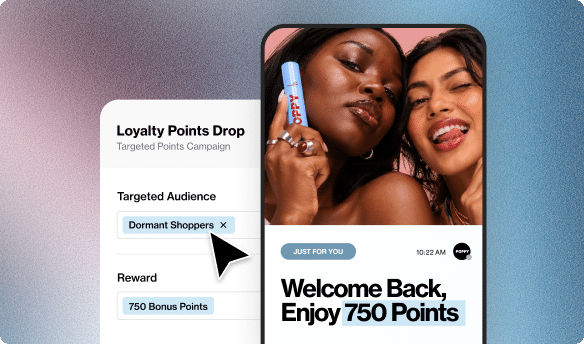
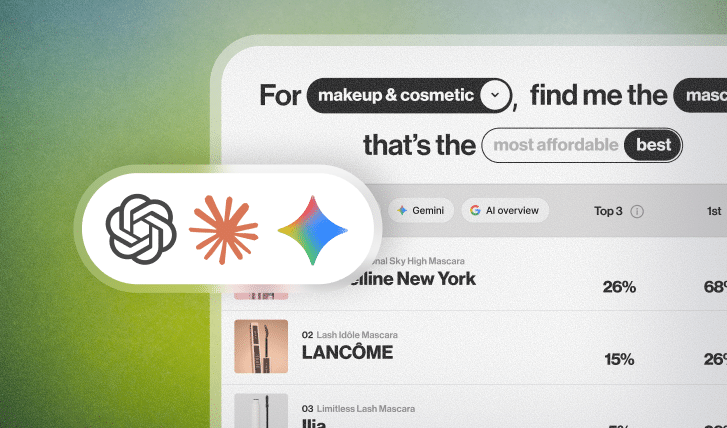






Using referral programs to turn customers into advocates is a smart way to grow an e-commerce business. While Referral Candy is a popular tool for getting started with word-of-mouth marketing, many brands find they need a more powerful alternative as they grow. They start looking for options that offer more strategic control, better integrations, and more value for their money.
This guide gives you a detailed look at the top 10 alternatives to Referral Candy. We’ll examine their features, pricing, and how well they fit different business strategies. Our goal is to help you pick the best solution to fuel your brand’s growth.
Key Takeaways
- Moving Beyond the Basics: Brands often switch from Referral Candy because they need more than a simple referral tool. They seek advanced features like customizable VIP tiers, diverse reward options, and deeper analytics to build a comprehensive retention strategy.
- The Problem with Commissions: Pricing models that take a percentage of referral sales can become very expensive as you scale. Many alternatives offer predictable, flat-rate pricing that protects your profit margins and provides a clearer return on investment.
- Integration is Key: A referral program works best when it connects smoothly with your other marketing efforts. Solutions that work well with review platforms and other tools create a more cohesive customer experience and provide a fuller picture of customer behavior.
- Strategic Support Matters: The best loyalty and referral solutions offer more than just software. Look for a partner that provides expert guidance and strategic support to help you design, launch, and optimize your program for long-term success.
Why Seek a Referral Candy Alternative?
Many brands that start with Referral Candy eventually run into a few key problems as their business gets bigger.
A Pricing Model That Erodes Margins
Referral Candy’s pricing often includes a commission on sales from referrals, on top of a monthly fee. As your referral program brings in more business, this fee structure means your costs go up right alongside your success. This can eat into your profits and lower the return on your marketing investment.
Constraints on Strategic Customization
The platform is simple to set up, which is great at first. But that simplicity can become a major limitation. Brands that want to create more complex, layered retention strategies often find the platform too restrictive. Its focus on just referrals makes it hard to build a complete customer experience with things like VIP tiers, different ways to earn rewards, or direct links to other marketing channels.
Data Silos in an Integrated Ecosystem
Modern e-commerce is all about creating a unified journey for the customer. Using Referral Candy means adding another separate tool to your marketing stack. This creates “data silos,” which keep you from seeing the full picture of your customer and lead to a choppy, disconnected experience. A solution where loyalty, referrals, and reviews can work together gives you a clear competitive edge.
Top 10 Referral Candy Alternatives: A Comparative Analysis
1. Yotpo Loyalty

Yotpo Loyalty is a top-tier solution for brands that have outgrown basic referral programs. It’s designed to help you build and run sophisticated engagement and retention strategies that maximize customer lifetime value. Yotpo’s approach is unique because it combines a highly flexible technology platform with expert strategic guidance, essentially giving you a partner to help you grow.
Key Features:
- Highly Customizable Campaign Structures: Yotpo goes way beyond the standard “give-and-get” referral model. It lets you create a wide variety of campaigns, so you can reward customers for much more than just referrals. You can give points for leaving reviews, engaging on social media, making repeat purchases, and more. This flexible approach helps build long-term customer engagement.
- Strategic VIP Tiers: Yotpo allows you to design fully customized VIP tiers with special rewards, early access to new products, and unique rules for earning points. This level of personalization helps you build a strong emotional connection with your most valuable customers.
- Expert Strategic Partnership: Yotpo acts as a strategic partner, not just a software provider. You get access to e-commerce loyalty experts and a dedicated customer success manager. They help you design your program, launch it successfully, and continuously optimize it for the best results.
- Synergy with Yotpo Reviews: While Yotpo Loyalty is a powerful standalone product, its effectiveness can be enhanced when used with Yotpo Reviews. For instance, you can automatically award loyalty points to customers who leave a 5-star photo review, creating a seamless and rewarding experience that disconnected apps can’t offer.
Pricing Summary:
Yotpo offers custom pricing designed to fit your specific business needs. This value-based model ensures your costs are predictable and provides a clear ROI, without any commission fees that penalize you for growing. A free plan with core features is also available.
Pros & Cons:
- Pros: Offers outstanding flexibility and deep customization; provides expert strategic support and partnership; works seamlessly with other tools like Yotpo Reviews; offers a predictable, growth-friendly pricing model.
- Cons: The platform’s powerful features may be more than a brand-new business needs.
2. Smile: Loyalty Rewards Program

Smile.io is a popular loyalty and rewards platform, especially within the Shopify ecosystem. It’s designed to be user-friendly, helping merchants set up points, referral, and VIP programs to drive repeat business.
Key Features:
- Points Program: Customers earn points for actions like creating an account, placing an order, and on their birthday.
- Referral Program: Includes a standard “give-and-get” referral system.
- VIP Tiers: Provides the ability to create VIP tiers to reward top customers.
- On-site Reminders: Uses on-site “Nudges” to encourage customers to use the loyalty program.
Pricing Summary:
Smile offers a free plan with limited features for up to 200 monthly orders. Paid plans start at $49/month (for up to 500 orders) and go up to $999/month (for up to 7,500 orders), with extra fees if you exceed your order limit.
Pros & Cons:
- Pros: Easy to set up and manage; has a clean user interface; offers a free plan to get started.
- Cons: Analytics are limited on the lower-priced plans; the order-based pricing can get expensive for high-volume stores; advanced features are only available on the more expensive plans.
3. LoyaltyLion

LoyaltyLion is a data-focused loyalty and engagement platform built to help e-commerce stores increase customer lifetime value. It concentrates on using customer data to shape and improve your program strategy.
Key Features:
- Flexible Rewards: Lets merchants offer more than just discounts, including free products and vouchers for various customer actions.
- Loyalty Tiers: Allows you to create tiers based on customer spending or points to encourage engagement.
- Third-Party Integrations: Connects well with email service providers and other e-commerce tools.
- In-Cart Rewards: Allows Shopify Plus merchants to let customers redeem points directly during checkout.
Pricing Summary:
LoyaltyLion’s pricing starts at $159/month for up to 800 monthly orders. Higher-tier plans are $399/month (for up to 2,000 orders) and $699/month (for up to 4,000 orders). A free plan is available for stores with fewer than 400 monthly orders.
Pros & Cons:
- Pros: Provides strong analytics and customer insights; offers highly customizable reward options; focuses heavily on integrations.
- Cons: The starting price is higher than some other options; the best features are often reserved for premium plans or Shopify Plus users.
4. Okendo

Okendo is best known as a leading customer reviews platform that has expanded to include a loyalty and referrals solution. This makes Okendo a single platform for two important marketing functions.
Key Features:
- Unified Solution: Manages reviews, referrals, quizzes, and surveys from one dashboard.
- Points & Tiers: Includes standard points-for-actions and VIP tier features.
- Native Reviews Integration: Its main strength is how closely it can tie loyalty rewards to the review collection process.
- Headless Commerce Support: Offers APIs for brands with custom-built e-commerce websites.
Pricing Summary:
Okendo’s pricing starts at $19/month for up to 200 orders. Plans scale up based on order volume, reaching $799/month for 10,000 orders. An enterprise tier with custom pricing is also available. All features are reportedly included on all plans.
Pros & Cons:
- Pros: Convenient for brands that already rely on Okendo for reviews and want loyalty in the same ecosystem.
- Cons: Loyalty and referrals are secondary to Okendo’s core reviews offering and may feel less robust than dedicated loyalty platforms. Limited depth in areas like segmentation, analytics, and long-term program optimization. Order-based pricing can become expensive as volume grows, even if loyalty usage remains light.
5. Rivo

Rivo (formerly known as Loyalty.io) provides a complete loyalty, referrals, and VIP solution for Shopify merchants. It is known for its clean design and responsive 24/7 customer support.
Key Features:
- Complete Program Suite: Offers a points program, a referral system, and customizable VIP tiers.
- Email Automation: Has built-in email notifications for loyalty events like points expiring or tier upgrades.
- Usage-Based Pricing: The “Scale” plan has a flexible pricing model that adjusts with your order volume.
- Developer Toolkit: Higher-priced plans include API access for more advanced customizations.
Pricing Summary:
Rivo has a free plan for up to 200 orders per month. The “Scale” plan costs between $49 and $499/month, depending on order volume. The “Plus” plan is $499/month for high-volume merchants.
Pros & Cons:
- Pros: Easy to get up and running for basic loyalty and referral use cases on Shopify. Entry-level pricing can be accessible for smaller stores just starting with loyalty.
- Cons: Reporting and analytics are more high-level, which can make it harder for teams to confidently measure true program ROI. Limited audience segmentation and targeting compared to more mature platforms. Best suited for Shopify-only merchants; less flexibility for brands with complex tech stacks or long-term scalability needs.
6. Growave

Growave is an all-in-one marketing app for Shopify that combines loyalty, reviews, wishlists, and user-generated content in a single package. It’s positioned as a budget-friendly choice for brands looking to consolidate their marketing apps.
Key Features:
- Multi-App Bundle: Puts several marketing functions into one subscription.
- Rewards & Referrals: Includes points, VIP tiers, and a standard referral program.
- Wishlist Functionality: The built-in wishlist feature can power “back-in-stock” notifications.
- Social Login: Makes it easier for customers to create an account.
Pricing Summary:
Growave’s plans start at $9/month, but a popular paid plan is around $49/month for 500 orders. Higher plans at $199/month (1,500 orders) and $499/month (3,000 orders) offer more integrations and customization options.
Pros & Cons:
- Pros: Offers great value by combining multiple apps, which can lower your overall subscription costs.
- Cons: The features for each individual tool may not be as robust as those from a specialized platform; the user interface can feel less polished than some competitors.
7. Rise.ai

Rise.ai focuses on using gift cards, store credit, and rewards as a single retention tool. Its strategy revolves around using brand credit to attract and keep customers, which sets it apart from traditional points-based systems.
Key Features:
- Store Credit Focus: Provides advanced ways to issue store credit for returns, referrals, and rewards.
- Gift Card Management: Has strong tools for selling and managing gift cards, including bulk creation.
- Automated Rule Engine: Lets merchants set up rules to automatically issue store credit based on customer actions.
Pricing Summary:
Pricing starts at $19.99/month for up to 100 monthly orders and increases with volume, with plans going up to $599.99/month.
Pros & Cons:
- Pros: An effective tool for brands building a strategy around store credit and gift cards; automates rewards and refunds efficiently.
- Cons: Less focused on traditional points or tiered VIP programs; the user interface is more functional than stylish.
8. Appstle Loyalty & Rewards

Appstle is a well-known Shopify developer, and its Loyalty & Rewards app is made to work seamlessly with its other popular products, like its subscription solution.
Key Features:
- Comprehensive Feature Set: Offers points, referrals, VIP tiers, and rewards for social media and review engagement.
- Gamification Elements: Includes features like point expiration notifications to create a sense of urgency.
- Strong Integration: Works natively with other Appstle applications.
- UI Customization: Provides many options for changing the look of your loyalty program elements.
Pricing Summary:
Appstle has a free plan for up to 500 customers. Paid plans are $29/month (up to 2,000 customers) and $99/month (up to 5,000 customers).
Pros & Cons:
- Pros: Offers a rich set of features for its price; a great choice for merchants already using other Appstle apps; customer-based pricing is predictable.
- Cons: The large number of features can make the setup process feel complex for new users.
9. BON Loyalty Rewards

BON is presented as a simple yet powerful loyalty solution designed for quick setup and easy management. It appeals to merchants who want a visually attractive program without a steep learning curve.
Key Features:
- Rapid Setup: Users praise its simple and fast setup process.
- Customizable Widget: Offers lots of visual customization options for its loyalty widget to match your brand’s look.
- Unlimited Rewards: All paid plans allow you to create an unlimited number of rewards.
Pricing Summary:
BON offers a free plan for up to 250 orders. Their “Basic” plan is $25/month for up to 500 orders, and their “Growth” plan is $99/month for unlimited monthly orders. An “Enterprise” plan is also available at $349/month.
Pros & Cons:
- Pros: Very intuitive and easy to customize visually; offers a generous free plan and affordable paid options.
- Cons: Lacks the deep strategic analytics and powerful integrations of more advanced solutions like Yotpo.
10. Nector: Loyalty & Rewards

Nector is a newer platform designed to offer a complete loyalty solution for omnichannel brands, with a strong focus on rewarding customers both online and in physical stores.
Key Features:
- Omnichannel Capabilities: Built to work across online stores and physical retail locations through POS integration.
- Flexible Points System: Allows for different point values based on customer segments or product collections.
- Pay with Points: Lets customers use their loyalty points as a direct payment method.
Pricing Summary:
Nector has a free plan (up to 300 orders/month). Paid plans start at $49/month for up to 1,000 orders/month. Higher tiers are $149/month (up to 4,000 orders/month) and $299/month (up to 12,000 orders/month). Custom plans are also offered.
Pros & Cons:
- Pros: A strong choice for omnichannel brands; offers a flexible rewards structure and a solid feature set for its price.
- Cons: As a newer app, it doesn’t have the long track record or as many integrations as its more established competitors.
Final Analysis & Recommendation
Simple referral tools like Referral Candy are a good starting point for a word-of-mouth strategy, but their limits on pricing, flexibility, and integration often hold back long-term growth.
Our analysis of the top alternatives shows that Yotpo Loyalty offers the most robust and strategically sound solution for ambitious e-commerce brands. While other platforms have commendable features, Yotpo provides an unmatched combination of deep customization, strategic partnership, and flexibility. Its ability to support complex loyalty and referral programs is a key advantage. For brands that also prioritize customer reviews, Yotpo Loyalty works in perfect harmony with Yotpo Reviews, a best-in-class solution for collecting and displaying user-generated content.
Yotpo Loyalty stands out as a strong strategic choice for brands looking to scale beyond basic referral tools.
Frequently Asked Questions
What’s the main difference between a referral app and a full loyalty platform?
A referral app usually does one thing: it rewards customers for bringing in new business. A complete loyalty platform, like Yotpo Loyalty, takes a much broader approach. It uses referrals as just one part of a larger system that includes points for many different customer actions, VIP tiers with exclusive perks, and the ability to connect with other marketing tools to build a full customer retention strategy.
Can I move my existing loyalty program data to a new platform?
Yes, most leading platforms, including Yotpo, offer services or tools to help you migrate customer data, like point balances, from your old provider. This ensures a smooth transition for your customers so they can keep the rewards they’ve already earned.
Is a free loyalty plan good enough for a new business?
A free plan can be a great way to try out basic features. However, these plans are usually very limited. They often restrict your order volume, customization options, and access to key strategic tools like VIP tiers or advanced integrations. To make a real impact on your business growth, you will almost always need to upgrade to a paid plan.
How important are integrations for a loyalty program’s success?
Integrations are essential for a modern loyalty strategy. A program that connects smoothly with your other tools allows for automated, personalized communication based on loyalty activity. For example, you can send an automatic text to congratulate a customer on reaching a new VIP tier or an email to remind them about expiring points. This creates a proactive and seamless customer experience that boosts engagement and the program’s ROI.
What is the typical ROI for a well-run loyalty and referral program?
A strategic loyalty program can deliver a huge return on investment. Successful programs increase customer lifetime value (CLV) by boosting repeat purchase rates and average order value. Referrals also lower your customer acquisition cost (CAC) by turning your existing customers into a low-cost, high-performing marketing channel. Advanced platforms with strong analytics, like Yotpo, let you track the revenue generated from loyalty members versus non-members, giving you clear proof of the program’s financial impact.
How long does it take to set up a loyalty program?
Setup time can vary. Simple programs on platforms like Smile or BON can be launched in an afternoon. More sophisticated programs with custom rules, VIP tiers, and integrations on a platform like Yotpo might take longer to plan and implement. The key is to partner with a provider that offers strong onboarding support to guide you through the process.
What are some creative rewards I can offer besides discounts?
Think beyond the 10% off coupon! You can offer free products, free shipping, early access to new collections, exclusive content (like tutorials or behind-the-scenes videos), or even a charitable donation in the customer’s name. The best rewards align with your brand’s values and what your customers truly care about.
How do I promote my new loyalty and referral program?
Launch it with a bang! Announce it to your email list, post about it on social media, and add banners to your website’s homepage. You can also run an initial promotion, like offering bonus points for signing up in the first week. Make sure the program is clearly visible on your product pages and during checkout to encourage participation.
Can a loyalty program help me gather more customer reviews?
Absolutely. This is a perfect example of how different marketing tools can work together. With a flexible platform like Yotpo Loyalty, you can award points to customers specifically for leaving a review through a solution like Yotpo Reviews. This incentivizes feedback, which in turn helps you build trust and drive more sales.
How do I measure if my loyalty program is successful?
Look at key metrics like the repeat purchase rate, customer lifetime value (CLV), and redemption rate (how often customers are using their rewards). You should also track how much revenue is being generated by program members compared to non-members. A platform with robust analytics is crucial for getting these insights.
What should I look for in a VIP program?
A good VIP program makes your top customers feel special. Look for the ability to create multiple tiers with increasing benefits. These benefits could include higher point-earning rates, exclusive gifts, dedicated customer service, or invitations to special events. The goal is to build a sense of community and exclusivity.
How can I prevent referral fraud?
Fraud is a real concern. Look for a platform that has built-in fraud prevention tools. These can include features like tracking IP addresses to prevent self-referrals, setting a limit on the number of referrals a person can make, or requiring a referred friend to make a minimum purchase before a reward is issued.
Should my loyalty program be points-based or tier-based?
Why not both? The most effective programs often combine elements of each. A points system provides immediate gratification for smaller actions, while a tiered VIP system encourages long-term loyalty and higher spending. A flexible platform will allow you to design a hybrid program that fits your brand perfectly.











 Join a free demo, personalized to fit your needs