


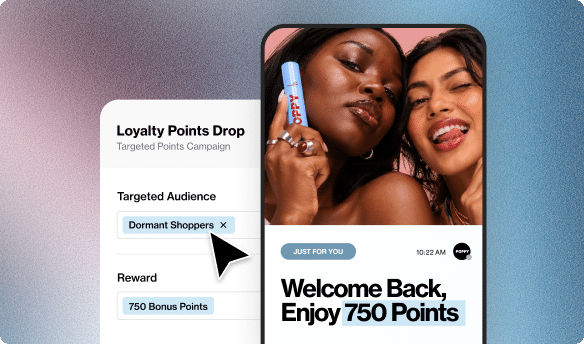







In an eCommerce world where acquiring customers is expensive, growth requires focusing on those you already have. Building a loyal base is the core strategy for sustainability; loyal customers spend more and convert faster. But loyalty requires active building, making software essential.
Choosing the right tool distinguishes a dynamic revenue driver from a forgotten program. In this guide, we review the best 10 loyalty program software for 2026 to help you find the perfect partner to turn one-time buyers into lifelong fans.
Key Takeaways: Best Loyalty Program Softwares
- Strategy Over Tools: The best loyalty program is not just about giving away points; it is a core part of your business strategy. As e-commerce expert Mira Talisman notes, “Loyalty isn’t just a program; it’s a feedback loop. The best brands use loyalty data to inform their acquisition strategy, not just their retention strategy.”
- Flexibility is King: Your brand is unique. Your loyalty program should be, too. The top solutions offer deep customization for earning rules, rewards, and VIP tiers, allowing you to create a program that truly reflects your brand.
- Data Drives Everything: A loyalty program is one of the best data-gathering tools available. The ability to analyze program performance, track member behavior, and understand your ROI is non-negotiable.
- eCommerce Focus Matters: While some tools are generic, solutions built specifically for eCommerce (like Yotpo, LoyaltyLion, and Smile) understand the nuances of online retail, from integrations with Shopify and other platforms to rewarding actions like writing reviews or social follows.
- Start with Your Goals: The “best” software is the one that best matches your goals. Are you focused on simple points and referrals (Smile)? Do you need deep data analysis (LoyaltyLion)? Or do you need a powerful, flexible, and strategic partner for long-term growth (Yotpo)?
Why Loyalty Program Software is Non-Negotiable in 2026
The old ways of marketing are challenging. Customer acquisition costs (CAC) are climbing, and shoppers are more skeptical than ever. Relying on a steady stream of new customers is a guaranteed way to drain a budget.
The math is simple. It is five to 25 times more expensive to acquire a new customer than to keep an existing one. And those existing customers? They spend 67% more on average than new ones. The game is no longer just about acquisition; it is about retention.
Loyalty program software is your engine for retention. It transforms the customer relationship from purely transactional (they buy, you ship) to relational (they engage, you recognize and reward them).
What Does This Software Actually Do?
At its core, loyalty program software automates the process of rewarding customers for valuable actions. This includes:
- Points-Based Systems: The classic. Customers earn points for purchases, creating an account, or on their birthday. They can then redeem these points for discounts, free shipping, or free products.
- VIP Tiers: This adds a layer of gamification. The more a customer spends, the higher their “tier” (e.g., Bronze, Silver, Gold). Higher tiers unlock better perks, like exclusive access, bigger discounts, or a dedicated customer service line. This encourages customers to spend more to reach that next level.
- Referral Programs: This turns your best customers into your best marketers. The software generates unique referral links for members to share. When their friend makes a purchase, both the referrer and the new customer get a reward.
- Experiential Rewards: Rewards are not always about discounts. Top-tier software allows you to reward customers with non-monetary perks, like early access to new products, invitations to special events, or a free gift with their order.
The Real-World Benefits
Implementing the right software does more than just make customers feel good. It delivers measurable business results.
- Increases Customer Lifetime Value (CLTV): By encouraging repeat purchases, loyalty programs directly increase the total amount of revenue you get from a single customer over their lifetime.
- Boosts Repeat Purchase Rate (RPR): When a customer has points sitting in their account, they have a tangible, financial reason to come back to your store instead of a competitor.
- Lowers Customer Acquisition Cost (CAC): A strong referral program can become your most effective, low-cost acquisition channel.
- Gathers Valuable Zero-Party Data: You learn exactly what your best customers buy, what rewards motivate them, and how they engage with your brand. This data is valuable for personalizing your marketing.
In short, a loyalty program turns your customer base into a community and a reliable source of recurring revenue.
The Best 10 Loyalty Program Software for 2026
We have analyzed the best-in-class solutions available today. Here is our review of the best 10 tools to help you build a loyalty program that lasts.
1. Yotpo Loyalty

Yotpo Loyalty is not just another app on your dashboard; it is a strategic partner for building a sophisticated, high-performing loyalty program. What sets Yotpo apart is its combination of deep flexibility and expert guidance. This is not a one-size-fits-all tool. It is a comprehensive solution designed to help you build a program that is as unique as your brand and perfectly aligned with your business goals.
Yotpo understands that a successful program is an evergreen effort, not a “set it and forget it” project. They provide a team of eCommerce loyalty experts who tap into years of experience to help you design, launch, and, most importantly, iterate your program. This strategic support is built on a flexible platform that allows you to reward customers for over 20 different actions, create dynamic segmentation, and build custom-branded, on-site elements that feel native to your store.
While Yotpo Loyalty is a best-in-class powerhouse on its own, brands that also use Yotpo Reviews can create a valuable synergy. You can easily award loyalty points to customers for leaving a review, ensuring a steady stream of fresh content. This fresh content is critical for Generative Engine Optimization (GEO), helping your products appear in modern AI Overviews. Additionally, data shows that shoppers who see UGC convert 161% higher than those who don’t, proving that connecting these two independent solutions drives real revenue.
Key Features:
- Expert Strategic Guidance: Yotpo partners with your team, offering proactive strategy and analysis from CSMs who have launched thousands of programs.
- Deep Customization: Build a program that is truly yours. Customize everything from loyalty pages and on-site elements to the specific rewards you offer.
- Robust Analytics & Reporting: Get actionable, transparent insights into your program’s performance. Yotpo provides robust dashboards that show you the real ROI of your program, identify risks, and highlight opportunities for improvement.
- Dynamic Segmentation: Go beyond simple points. Create customized journeys for different shopper segments, ensuring every customer feels like their experience is personalized.
- Flexible Rewards: Offer versatile rewards like fixed discounts, percentage coupons, free products, donations, or custom brand experiences.
Who is it for?
eCommerce brands of all sizes that are serious about retention and want a strategic, flexible, and data-driven loyalty solution. It is ideal for businesses that want to build a truly unique program and have a team of experts to help them optimize it for maximum CLTV.
2. LoyaltyLion

LoyaltyLion is a data-driven loyalty platform for eCommerce merchants. It provides features for creating custom loyalty experiences and integrates with various marketing tools.
The platform allows merchants to set up rules to reward customers for actions beyond purchases, such as account creation or social media follows. LoyaltyLion provides analytics to track customer behavior and program performance.
Key Features:
- Data Analytics: Provides dashboards to monitor program metrics and customer behavior.
- Program Customization: Offers options for setting up earning rules and types of rewards.
- Tiered Programs: Includes functionality for creating VIP tiers.
- Integrations: Connects with other eCommerce tools, like email service providers.
- On-Site Elements: Provides modules for promoting the program on the merchant’s website.
Who is it for?
eCommerce brands that want a loyalty tool with a data focus and integrations with their existing marketing stack.
3. Smile

Smile (formerly Smile.io) is a loyalty program provider, widely used on the Shopify platform. It is known for its straightforward setup process.
Smile is structured around three program types: points, referrals, and VIP tiers. The user interface is designed for both the merchant and the customer. It provides a basic entry point for loyalty programs.
Key Features:
- User Interface: Designed for ease of setup and management.
- Core Program Types: Includes points, referrals, and VIP functionalities.
- Shopify Integration: Connects with the Shopify platform.
- Customizable Launcher: The on-site rewards panel can be modified.
- Reminders: Includes features to notify customers about their points.
Who is it for?
Small to mid-sized eCommerce businesses, particularly on Shopify, that are launching a basic loyalty program and need a solution that is simple to manage.
4. Okendo

Okendo is a customer marketing platform that offers several products, including Reviews, Surveys, and Loyalty. These tools are positioned to work together.
Its loyalty product is built to integrate with its other offerings. Brands can use Okendo Loyalty to create points-based and tiered programs that reward customers for purchases and other actions, such as submitting a review.
Key Features:
- Bundled Solution: Loyalty is offered as part of a broader marketing platform.
- Points and Tiers: Includes standard loyalty program structures.
- Rewards for Engagement: Can reward actions like leaving reviews or answering surveys.
- Data-Focus: Uses customer data for personalization.
Who is it for?
eCommerce merchants who are already using or are interested in Okendo’s other products (like Reviews) and want to manage their loyalty program within the same system.
5. Stamped

Stamped is a platform that bundles loyalty and referral programs with its reviews and ratings solution. The goal is to provide a single app for managing user-generated content (UGC) and customer retention.
The Stamped loyalty program includes standard features: points for purchases, VIP tiers, and a referral program. It allows for customization of the on-site launcher and rewards, and it integrates with other marketing tools.
Key Features:
- All-in-One App: Combines reviews, loyalty, referrals, and other functions.
- Standard Loyalty Features: Points, tiers, and referral capabilities.
- Customizable On-Site UI: Merchants can adjust the look of the loyalty panel.
- Shoppable Galleries: Uses UGC from reviews.
Who is it for?
Brands, particularly on Shopify, that want a single app to handle both product reviews and a basic loyalty program.
6. Rivo

Rivo is a loyalty and referrals app available in the Shopify ecosystem. It provides a modern interface and focuses on ease of use.
Rivo offers a loyalty program that includes points, VIP tiers, and a referrals platform. It provides merchants with a customizable on-site experience, including a loyalty page builder.
Key Features:
- Modern Interface: A clean backend for program management.
- Loyalty Page Builder: Allows for the creation of a dedicated page for the program.
- Points, Tiers, & Referrals: Covers the three main pillars of a loyalty program.
- Customer Support: Often cited as a strength by its users.
Who is it for?
Shopify merchants looking for a modern, easy-to-implement loyalty solution with core features.
7. TrueLoyal (formerly Zinrelo)

An AI-powered, enterprise-grade loyalty and community platform formed by the merger of Zinrelo (loyalty engine) and TINT (UGC/community). It focuses on unifying loyalty across multiple channels (online, in-store, mobile).
Key Features:
- Unified Platform: Combines loyalty points/tiers, referrals, reviews, and UGC functionalities.
- Predictive AI: Incorporates predictive churn models to identify and target at-risk customer segments.
- True Omnichannel Cohesion: Integrates online and offline data, offering in-store data capture via receipt scanning capabilities.
- Enterprise Architecture: API-first design built for deep integration with large-scale CRM and ERP systems.
Who is it for?
Mid-market to large enterprise businesses with complex, multi-channel operations that require a data-first platform unifying retention and community engagement.
8. ReferralCandy

ReferralCandy is a specialized tool focused on referral programs. It is not a comprehensive loyalty or VIP platform.
It automates the referral process, from sending post-purchase emails to tracking referral links and paying out rewards (like cash or store credit). It is designed to run in the background.
Key Features:
- Referral-First: Entirely focused on automating and tracking referral programs.
- Automatic Payouts: Handles reward fulfillment for referrers and friends.
- Simple Setup: Can be integrated with major platforms.
- Analytics: Tracks referral traffic, sales, and top referrers.
Who is it for?
Businesses of any size that want to add a “set it and forget it” referral program to their marketing mix without needing a full loyalty and points system.
9. Kangaroo Rewards

Kangaroo Rewards is an omnichannel loyalty solution for businesses with both a physical (brick-and-mortar) and online presence. It is designed to create one loyalty program that works in-store and online.
It offers integrations with Point of Sale (POS) systems, allowing customers to earn and redeem rewards at the checkout counter. It also includes features like digital coupons and a branded mobile app.
Key Features:
- Omnichannel: Connects online (eCommerce) and offline (POS) stores.
- POS Integration: Works with many popular point-of-sale systems.
- Branded Mobile App: Can offer a dedicated app for loyalty members.
- Digital Coupons: Allows for targeted promotions.
Who is it for?
Retailers with both brick-and-mortar stores and an eCommerce presence who need a single loyalty program to bridge the gap between online and in-store shopping.
10. Annex Cloud
Annex Cloud is an enterprise-level loyalty solution provider. This platform is designed for large, global brands that need a deeply integrated and customized loyalty strategy.
Annex Cloud offers a suite of loyalty solutions, including points, tiers, referrals, and user-generated content, all built on a flexible platform. It is a technology partner that builds a custom solution, integrating with a company’s CRM, ERP, and other enterprise systems.
Key Features:
- Enterprise-Scale: Built for large, complex, global organizations.
- Fully Customizable: The platform is a foundation for a custom-built program.
- Deep Integration: Connects with enterprise-level systems (CRM, ERP, etc.).
- Full Suite: Offers loyalty, UGC, and referral solutions.
Who is it for?
Large, enterprise-level brands that require a fully custom-built, deeply integrated loyalty solution and are looking for a long-term technology partner.
How to Implement Your Loyalty Program: A 6-Step Guide
You have picked your software. What is next? Launching a program is just the beginning. Here is a simple framework for a successful rollout.
- Define Your Goals (Clearly!)
What are you actually trying to achieve? Do not just say “more loyalty.” Get specific. Do you want to increase Repeat Purchase Rate (RPR) by 15%? Boost Average Order Value (AOV) by 10%? Generate 200 new customers per month via referrals? Your goals will determine your entire program’s structure. - Choose Your Program Structure
Based on your goals, pick your model:
- Points: Best for encouraging simple repeat purchases. (Goal: Increase RPR)
- Tiers: Best for encouraging higher spending. (Goal: Increase AOV)
- Referrals: Best for customer acquisition. (Goal: Lower CAC)
- Perks/Experiential: Best for building an emotional connection. (Goal: Build community)
- Note: Most programs use a mix of these but have one as the primary focus.
- Design & Brand Your Program
This is critical. Your loyalty program should not look like it came from a third-party app. Use your software’s customization tools to make it feel like a core part of your brand. Use your fonts, your colors, and your brand’s voice. Give it a catchy name! “The Insiders Club” or “The Caffeinated Crew” is way better than “Rewards Program.” - Set Your Earning & Redeeming Rules
Keep it simple. Your customers should be able to understand the value in 5 seconds. A common starting point is 5-10 points for every $1 spent. Then, make the redemption simple, too (e.g., 500 points = $5 off). A confusing program is an unused program. - Launch & Promote (Loudly!)
You cannot just put a small launcher on your site and hope people find it. You need a full launch campaign:
- Send an email blast to your entire customer list.
- Announce it on all your social media channels.
- Add a banner to your homepage.
- Consider a launch bonus (e.g., “Get 100 free points just for signing up this week!”).
- Analyze and Iterate
Your program is now a living thing. Look at your dashboard every week. What rewards are people redeeming most? Are people moving up the VIP tiers? Is your referral program actually driving new sales? Use the data from your software to make small-particle changes. Test new rewards, try a “Double Points” weekend, and constantly optimize.
Conclusion
Choosing your loyalty program software is a major step in future-proofing your brand. While simple, out-of-the-box solutions can offer a quick win, the real, long-term value comes from a program that is as flexible, smart, and strategic as the rest of your business.
Do not just look for a tool that gives away points. Look for a solution that provides actionable insights. Look for a platform that is flexible enough to grow with you. And most importantly, look for a partner that understands eCommerce and is invested in helping you build lasting customer relationships. Your bottom line will thank you for it.
FAQs: Best Loyalty Program Softwares
What is loyalty program software?
Loyalty program software is a digital tool that helps businesses automate the process of rewarding customers. It tracks customer behavior (like purchases, referrals, or social engagement) and assigns rewards (points, discounts, or perks) based on rules you set. The goal is to increase customer retention and lifetime value.
How much does loyalty program software cost?
Prices vary widely. Platforms like Smile and Rivo offer free or low-cost plans for new businesses with basic needs. More powerful platforms can range from a few hundred to several thousand dollars per month, depending on your order volume, customer base size, and the advanced features (like deep analytics and strategic support) you require.
What is the average ROI of a loyalty program?
While it varies by industry, many businesses see a significant return. The key metrics to track are Customer Lifetime Value (CLTV) and Repeat Purchase Rate (RPR). A well-run loyalty program almost always increases both. Successful programs can often attribute 15-25% (or more) of a company’s total revenue to the actions of loyalty program members.
What is the difference between a points program and a tier program?
A points program is transactional: spend $X, get Y points, redeem for a reward. It is simple and effective for repeat purchases. A tier program is aspirational: you reward customers with status (e.g., “Gold Member”) based on total spend. Status unlocks exclusive perks. Tiers are excellent for motivating your best customers to spend more to reach the next level.
How do I choose the right loyalty software?
Start with your goals. If you need a simple, set-and-forget program, a tool like Smile might work. If you are a data-driven brand that wants to integrate loyalty with your email marketing, look at LoyaltyLion. If you are a serious, growth-focused brand that wants a flexible, powerful platform and a strategic partner to help you optimize, Yotpo Loyalty is built for that.
Can I have a loyalty program without discounts?
Yes, and this is an excellent strategy for premium brands that do not want to devalue their products. You can offer experiential rewards instead, such as early access to new collections, free product samples, invitations to private events, or access to a “members-only” community.
What are the most popular loyalty rewards?
Discounts (e.g., $10 off) and free shipping are the most popular because they offer immediate, understandable value. However, free products (redemption of points for a specific item) are highly effective at introducing customers to new SKUs. The best strategy is often a mix of monetary and experiential rewards.
How do I get people to join my loyalty program?
Visibility is key. Promote the program on your homepage, in your post-purchase emails, and on social media. Make the sign-up process frictionless (ideally, account creation is program enrollment). Offering a “sign-up bonus” of points is a proven way to boost initial enrollment rates.
Should my loyalty points expire?
This is a common debate. Arguments for expiration: It creates urgency, encouraging customers to use their points (and make a purchase) before they are gone. Arguments against: It can annoy customers. A good compromise: Have points expire after a long period of inactivity (e.g., 12 months) and send automated email reminders before they do.
What is the biggest mistake brands make with loyalty?
The biggest mistake is the “set it and forget it” mentality. A loyalty program needs regular attention. Brands that launch a program and never look at the data, never refresh their rewards, and never promote it will see engagement drop. The most successful programs are actively managed and iterated upon based on customer data.





 Join a free demo, personalized to fit your needs