


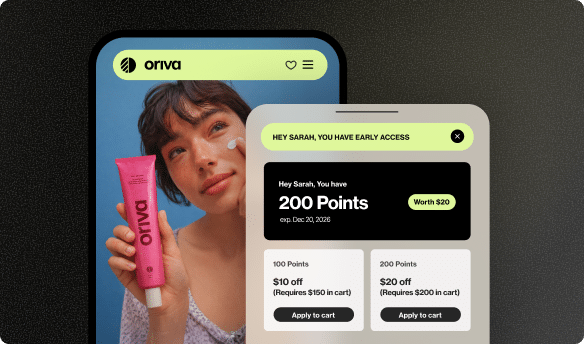






Zero-Party Data is information that a customer intentionally and proactively shares with a brand. Unlike other forms of data that are collected through observation (like browsing history), zero-party data is given explicitly and willingly by the consumer. This can include preference information, purchase intentions, personal context, and how an individual wants to be recognized by a brand. This data is considered the most valuable and trustworthy because it comes directly from the source.
In an increasingly privacy-conscious world where third-party cookies are being phased out, zero-party data has become essential for creating truly personalized customer experiences. Brands can collect this data through engaging methods like on-site quizzes (“Find your perfect skincare routine”), interactive surveys, email preference centers, and conversational SMS interactions. By using this data, businesses can deliver tailored product recommendations, relevant content, and personalized marketing messages that build deeper customer relationships and increase loyalty.
Zero-Party Data FAQs
What is zero-party data?
Zero-party data is data that a customer knowingly and intentionally shares with a company, such as their preferences, interests, and purchase intentions.
What is the difference between zero-party and first-party data?
The key difference is that zero-party data is explicitly shared by the customer (e.g., in a quiz), while first-party data is collected implicitly through a customer’s behavior (e.g., their purchase history).
Why is zero-party data so important now?
Zero-party data is so important now because it provides a reliable and transparent way to achieve deep personalization while respecting customer privacy, especially as regulations and technology changes phase out third-party cookies.
How can a brand collect zero-party data?
A brand can collect zero-party data by using interactive quizzes, customer surveys, registration forms, email preference centers, and conversational pop-ups on its website.
What are some examples of zero-party data?
Examples of zero-party data include a customer indicating their skin type in a survey, selecting their favorite product categories in a preference center, or answering a quiz about their style preferences.
How does zero-party data improve marketing?
Zero-party data improves marketing by enabling brands to move beyond basic segmentation and create hyper-personalized experiences, product recommendations, and messaging that resonate deeply with an individual customer’s stated needs.










 Join a free demo, personalized to fit your needs