








What is Voice of the Customer? (VoC)
Imagine you have a favorite toy store. What if the owner knew exactly what toys you loved, what made you happy, and what could make your shopping trips even better? That’s kind of what “Voice of the Customer” is all about for businesses! It’s a fancy way of saying businesses really listen to what their customers think, feel, and say about their products, services, and overall experience.
When we talk about the Voice of the Customer (VoC), we’re talking about all the ways a company gathers and understands feedback from people who buy their stuff. It’s like gathering a giant collection of ideas, thoughts, and feelings directly from the people who matter most – the customers! This information helps companies make smart choices, improve what they offer, and keep customers happy. It’s a super important puzzle piece for any business that wants to grow and be successful.
Why Listening to Customers is Super Important
Think about it: who knows better what makes a toy fun than the kids who play with it? The same goes for any product or service. Customers use the products, visit the websites, and interact with the staff. They have firsthand experience, and that experience is a treasure trove of valuable information. If a company doesn’t listen, they might miss out on big ideas, fix problems before they get too big, or even lose customers to a competitor who *does* listen.
Businesses use VoC to get a clear picture of what’s working well and what needs a little tweak. It helps them understand what customers truly want, not just what the company *thinks* they want. This understanding can lead to making better products, offering cooler services, and creating a shopping experience that makes people want to come back again and again. It’s all about making customers feel heard and valued.
How Companies Collect the Voice of the Customer
Gathering customer feedback isn’t just one simple thing. Companies use lots of different tools and methods to hear what people are saying. It’s like having many ears to listen from all directions! Let’s explore some of the most common ways businesses gather this important information.
1. Customer Reviews and Ratings
One of the most direct ways businesses hear from their customers is through reviews and ratings. After someone buys something or uses a service, they might be asked to leave a comment or give a star rating. These can be on a product page, a company’s website, or even on popular review sites.
For example, when you buy a cool new gadget online, you might see a section where other buyers have left their thoughts. They talk about what they loved, what they didn’t, and if they would recommend it to a friend. Companies pay close attention to these comments. Positive reviews can help other people decide to buy, and negative ones can point out areas that need fixing. Yotpo Reviews is a fantastic tool that helps businesses collect, show off, and manage these valuable customer opinions. It makes it easy for customers to share their experiences and for businesses to learn from them, helping to increase things like conversion rates.
Tips for Businesses:
- Make it super easy for customers to leave a review after they buy.
- Ask specific questions, like “What did you like most?” or “What could be better?”
- Thank customers for their feedback, even if it’s not all positive.
2. Surveys and Questionnaires
Surveys are like asking a group of friends what movie they want to watch. Companies create lists of questions and send them out to their customers. These questions can be about anything from how easy it was to use their website to how happy they are with a recent purchase. Surveys can be short and quick, or a bit longer for more detailed feedback.
There are different types of surveys:
- Email Surveys: Sent right to a customer’s inbox.
- Website Pop-ups: A small box appears on a website asking a quick question.
- In-app Surveys: If you’re using an app, a survey might pop up right inside it.
These tools help companies get direct answers to specific questions they have. They can ask about how likely customers are to tell a friend about the business (this is called a Net Promoter Score, or NPS), or how much effort it took to solve a problem (Customer Effort Score, or CES).
3. Social Media Monitoring
These days, everyone is talking on social media! Customers often share their thoughts, feelings, and experiences with brands on platforms like Instagram, Facebook, and X (formerly Twitter). Companies use special tools to “listen” to these conversations. They track mentions of their brand, see what people are saying about their products, and even spot trends.
It’s like having a secret spy network that tells you what people are saying about your brand out in the open. This kind of feedback is often very honest and unfiltered, giving companies a real look at public opinion. They can see what makes customers excited, what frustrates them, and what new ideas are buzzing around. Monitoring social media can also help companies quickly respond to customer questions or problems, showing they care.
4. Customer Interviews and Focus Groups
Sometimes, companies want to dive really deep into what customers think. This is where interviews and focus groups come in. A customer interview is usually a one-on-one chat where someone from the company talks directly with a customer. They ask open-ended questions to understand the customer’s feelings, motivations, and experiences in great detail.
A focus group is like a guided discussion with a small group of customers. They all sit together and talk about a product, service, or a new idea. A moderator guides the conversation, making sure everyone gets to share their thoughts. These methods allow companies to ask “why” and “how,” getting richer, more personal insights than a survey might provide. It helps them understand not just *what* people think, but *why* they think it.
5. Online Communities and Forums
Many businesses create online communities or forums where customers can chat with each other and with company representatives. These platforms are great places for customers to ask questions, share tips, and give feedback in a less formal way. It’s like having a club just for people who love a certain product.
Companies can watch these conversations to see what topics come up most often, what problems people are facing, and what new ideas customers suggest. It also allows customers to help each other, building a stronger relationship with the brand. This form of User-Generated Content (UGC) is super valuable because it shows genuine interest and engagement.
6. Customer Support Interactions
When customers reach out to customer support with a question or a problem, that’s another important source of VoC. Whether it’s through phone calls, live chat, or email, these interactions reveal common pain points, confusing parts of a product, or areas where customers need more help.
Companies often keep records of these interactions and analyze them to spot recurring issues. If many customers are calling about the same problem, it’s a clear sign that something needs to be improved. Training customer support teams to really listen and record feedback is crucial for making the most of these conversations. They are on the front lines, hearing directly from customers every day.
Gathering feedback from many different places gives businesses a much fuller picture of their customers’ needs and wants. Each method offers a unique piece of the puzzle, helping companies build better experiences.
Making Sense of the Feedback (Analysis)
Collecting all this customer feedback is just the first step. Imagine having a giant pile of Lego bricks – you need to sort them and figure out what to build! The next big step for businesses is to analyze all that information. This means looking for patterns, common themes, and important insights within the VoC data.
Businesses use special tools and techniques to go through all the reviews, survey answers, social media posts, and support notes. They look for:
- Common problems: Are many people saying the same thing is broken or confusing?
- Frequent requests: Do customers often ask for a new feature or an improvement?
- Things customers love: What makes people super happy and keeps them coming back?
- Emotional tone: Are customers generally happy, frustrated, or excited?
By finding these patterns, companies can turn a lot of raw feedback into clear, actionable ideas. This analysis helps them understand the overall customer experience and pinpoint exactly where they can make the biggest positive changes. It’s like having a treasure map that shows them exactly where the valuable insights are hidden.
Putting VoC to Work: Acting on Insights
The real magic happens when companies actually *do something* with the feedback they’ve gathered and analyzed. Listening is great, but acting on what you hear is even better! This is where the Voice of the Customer truly helps a business grow and thrive.
Here are some ways companies use VoC insights:
- Improving Products and Services: If many customers say a product is difficult to use, the company can redesign it to be simpler. If people constantly ask for a new feature, the company might add it in the next update.
- Enhancing Customer Experience: Feedback about slow delivery or a confusing website can lead to faster shipping options or a clearer website design. The goal is to make every part of the customer’s journey smoother and more enjoyable.
- Creating Better Marketing Messages: When companies know what customers love most about their products, they can use that language in their advertising. This makes their marketing more relatable and effective.
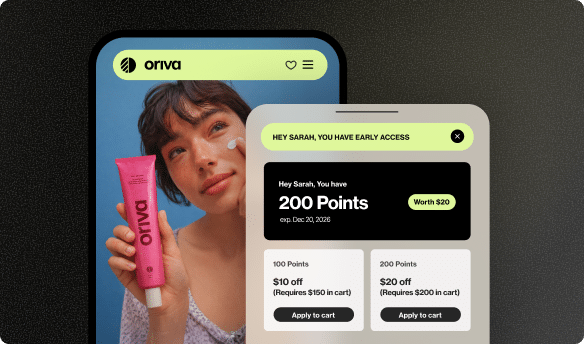
- Building Stronger Customer Relationships: By showing customers that their feedback is valued and acted upon, businesses build trust. This makes customers feel important and more likely to stick around. Tools like Yotpo Loyalty can help build these relationships by rewarding customers for their continued support and engagement.
- Spotting New Opportunities: Sometimes, customer feedback can reveal entirely new product ideas or markets that the company hadn’t considered before. It’s like customers giving you ideas for your next big invention!
For example, imagine customers keep leaving reviews saying they wish a certain shirt came in more colors. A smart business would see this trend, make the shirt in new colors, and then announce it to their customers, saying, “You asked, we listened!” This not only gives customers what they want but also strengthens their connection to the brand.
You can see many examples of businesses successfully using customer feedback in Yotpo’s case studies, where real companies share their success stories.
The Benefits of a Strong Voice of the Customer Program
Having a well-tuned ear for the Voice of the Customer isn’t just a nice thing to do; it brings real, measurable benefits to businesses. It’s like having a secret superpower that helps you stay ahead!
Let’s look at some of these benefits:
| Benefit | What it Means for the Business | What it Means for Customers |
|---|---|---|
| Better Products & Services | Company makes things people truly want, leading to more sales. | Customers get high-quality products that meet their needs. |
| Happier Customers | People feel heard, valued, and are more likely to stay loyal. | They have positive experiences and enjoy using what they buy. |
| Increased Customer Loyalty | Customers return again and again, and tell their friends. | They trust the brand and feel a connection, getting rewards through loyalty programs. |
| Fewer Problems | Issues are caught and fixed early, saving time and money. | Less frustration and better support if something goes wrong. |
| Competitive Edge | Business stands out because it truly understands its audience. | They get unique or superior experiences compared to other brands. |
| More Word-of-Mouth | Happy customers share their positive experiences with others. | They become advocates for products they genuinely love. |
When customers feel that their voice truly matters, they become more than just buyers; they become fans. They’re more likely to recommend the brand to others (which is called word-of-mouth marketing), leave positive reviews, and even help spread the word on social media. This creates a wonderful cycle where customer feedback leads to improvements, which leads to happier customers, which leads to even more feedback and growth.
The synergy between understanding customer sentiment and building lasting relationships is powerful. For instance, when customers leave great reviews (captured by Yotpo Reviews), it can boost their engagement and make them more likely to join a loyalty program (managed by Yotpo Loyalty). And loyal customers are more likely to keep providing valuable feedback, creating a continuous loop of improvement and customer delight.
Putting It All Together: The Continuous Cycle of VoC
The Voice of the Customer isn’t a one-time project. It’s an ongoing, continuous cycle that good businesses integrate into everything they do. It’s like having a conversation that never ends, always learning and always improving.
The cycle generally looks like this:
- Listen: Actively collect feedback using various methods (reviews, surveys, social media).
- Understand: Analyze the feedback to find patterns, problems, and opportunities.
- Act: Make changes to products, services, or processes based on the insights.
- Measure: See if the changes made a difference and improved customer satisfaction.
- Repeat: Continue to listen, learn, and adapt.
Each step builds on the last, helping companies constantly fine-tune their offerings and build stronger connections with their customers. It’s a journey of continuous improvement, with the customer always at the heart of it.
Businesses that embrace the Voice of the Customer are truly customer-centric. They put their customers first, understanding that happy customers are the foundation of a successful business. By paying close attention to what people are saying, thinking, and feeling, companies can create experiences that not only meet expectations but often exceed them. It’s about building a relationship, not just making a sale, and that’s a win-win for everyone involved!










 Join a free demo, personalized to fit your needs