








What is Greenwashing?
Imagine you’re walking through a store. You see a box of cookies with a big, leafy green picture on it, maybe some smiling animals, and words like “natural” or “earth-friendly.” You think, “Wow, these cookies must be good for the planet!” But what if they aren’t? What if the company is just trying to make you *think* they’re good for the planet, even if they’re not really doing much at all? This clever trick is called greenwashing.
Greenwashing happens when a company tries to make its products, services, or even itself look much more environmentally friendly than it actually is. It’s like a wolf in sheep’s clothing, but for the environment. Companies do this by using tricky words, images, or even false claims to make you feel good about buying their stuff. They want you to believe you’re making a responsible choice when, sometimes, you might be getting tricked. It’s a big deal because it makes it harder for everyone to know which brands are genuinely trying to help the Earth and which ones are just pretending.
Why Do Companies “Greenwash”?
So, why would a company want to pretend to be green? The answer is usually pretty simple: people care about the Earth! More and more of us want to buy things that don’t harm the environment. We look for products that are “sustainable,” “eco-friendly,” or “organic.” Companies know this. They know that if their product *looks* green, more people will want to buy it. This can mean more sales and more money for them.
Think about it: if two products are similar, but one seems better for the planet, which one would you pick? Most likely, the “green” one! Companies use greenwashing as a shortcut. Instead of actually changing how they make things to be truly sustainable, which can be hard and expensive, they just change their advertising and packaging. They hope you won’t look too closely at what they’re *actually* doing. It’s a way to get the benefits of being seen as environmentally responsible without doing the real work. They want to connect with customers who prioritize sustainability, even if their own practices don’t fully align.
How Does Greenwashing Look? Different Ways Companies Trick You
Greenwashing isn’t just one type of trick; it comes in many forms. Learning to spot these different types can help you become a super detective against greenwashing! Experts often talk about “The Sins of Greenwashing,” which are common ways companies mislead people. Let’s explore some of these sneaky tactics.
The Hidden Trade-off
This is when a product claims to be green based on a very small part of what it does, but ignores bigger environmental problems. For example, a company might say their paper is “recycled,” which sounds great! But what if the process to recycle that paper uses a huge amount of harmful chemicals or pollution? Or what if the wood for the paper comes from forests that are cut down unsustainably? The company highlights one good thing while keeping the bigger, less friendly picture a secret. It’s like saying a car is “fuel-efficient” while ignoring that it’s made in a factory that pollutes a nearby river.
No Proof
Sometimes, a company makes a big green claim but offers no evidence to back it up. They might say, “Our product is all-natural!” or “We use sustainable ingredients!” but there’s nothing on the package or their website to show you *how* it’s natural or sustainable. Where are the facts? Where are the certifications? Without proof, these claims are just empty words. It’s like saying you’re the fastest runner without ever showing anyone your race times. Honest brands are usually eager to share their proof and details.
Vague Words
This is a very common trick. Companies use words that sound good but don’t really mean anything specific. Words like “green,” “eco-friendly,” “natural,” “pure,” or “earth-friendly” can be used without strict rules. What does “natural” even mean for a cleaning product? Does it mean it came from a tree? Probably not! These words are designed to make you *feel* like the product is good for the environment, even though they don’t give you any real information. It’s like calling a superhero “Super Friend” without knowing what powers they actually have.
Irrelevant Claims
An irrelevant claim is when a company says something true, but it doesn’t matter because it’s already a standard practice or legally required. For example, a company might proudly announce their product is “CFC-free.” CFCs are chemicals that harm the ozone layer, but they were banned in many products a long time ago! So, saying your product is CFC-free is like saying your car doesn’t have square wheels – it’s true, but it’s not special because no modern car does. These claims are meant to distract you and make you think the company is doing something extra special, when they’re really just following the rules.
Lesser of Two Evils
This happens when a company makes a product seem green compared to even worse products, but the product itself is still bad for the environment. Imagine “organic cigarettes” or “fuel-efficient SUVs.” While organic cigarettes might be slightly less bad than regular ones, smoking is still harmful. And while a certain SUV might use less gas than another giant SUV, it’s still generally less fuel-efficient than a small electric car or riding a bike. The company highlights a small “good” point to distract from the overall negative impact of the product category.
Flat-Out Lies (Falsehoods)
Sometimes, companies just make things up. They might say their product is “certified organic” when it isn’t, or that it uses “100% recycled materials” when it only uses 10%. These are direct lies designed to mislead customers completely. It’s like saying you ate your vegetables when you actually fed them to the dog! This is the most dishonest type of greenwashing and often the easiest to prove wrong if you do a little research.
Worshiping False Labels
This is when a company creates its own fake certification label or uses a label that looks official but isn’t recognized by real environmental groups. They might put a fancy green stamp on their product that says something like “Eco-Choice Approved” or “Planet Protector Seal,” but if you try to look up who “Eco-Choice” is, you won’t find any real organization. These fake labels are designed to look trustworthy and make you think an independent group has checked and approved the product, when that’s not the case. Always look for widely recognized certifications from known organizations.
Here’s a quick table to help you remember these greenwashing tricks:
| Type of Greenwash | What it Means | Example |
|---|---|---|
| Hidden Trade-off | Highlights one green feature, hides bigger problems. | “Recycled” paper made with lots of pollution. |
| No Proof | Makes a green claim without any evidence. | “All-natural ingredients” with no details. |
| Vague Words | Uses fuzzy words that don’t mean much. | “Earth-friendly” cleaner. |
| Irrelevant Claims | States something true but unimportant or standard. | “CFC-free” (CFCs are already banned). |
| Lesser of Two Evils | Highlights a small good thing about a generally bad product. | “Organic” cigarettes. |
| Flat-Out Lies | Makes a completely false environmental claim. | Claiming “100% recycled” when it’s not. |
| Worshiping False Labels | Uses fake certification symbols. | A made-up “Eco-Seal of Approval.” |
Each of these tricks is designed to make you feel good about buying something without the company actually earning that trust through genuine actions.
The Problem with Greenwashing: Why It’s Bad for Everyone
Greenwashing might seem like a harmless marketing trick, but it actually causes several big problems for you, for other companies, and for our planet.
First, it confuses customers. When so many products claim to be green, it becomes really hard to tell which ones are genuinely sustainable and which ones are just using clever words. This makes it difficult for you to make truly informed choices, even when you want to do the right thing for the environment. You might spend your hard-earned money on a product you believe is green, only to find out later it wasn’t. This can be super frustrating!
Second, it hurts honest companies. There are many brands out there that work very hard and spend a lot of money to make their products truly sustainable. They invest in renewable energy, use responsibly sourced materials, and reduce their waste. When another company just *pretends* to do these things through greenwashing, they can trick customers away from the honest businesses. This makes it harder for the truly green companies to succeed and innovate, because they have to compete with false claims.
Third, and perhaps most importantly, it doesn’t help the planet. Greenwashing doesn’t solve environmental problems; it often distracts from them. If people buy greenwashed products instead of genuinely sustainable ones, the real issues like pollution, deforestation, and climate change don’t get addressed. It creates a false sense of progress, making us think we’re doing enough when we really aren’t. It wastes time and resources that could be used for real environmental solutions.
Finally, it breaks trust. When you discover a company has been greenwashing, you lose trust in them. You might even start to mistrust other companies that *are* trying their best. This makes it harder for everyone to believe what brands say, creating a less honest marketplace. Trust is a huge part of why people choose to buy from certain businesses, and once that trust is broken, it’s very hard to get back.
Becoming a Greenwashing Detective: How to Spot It
You don’t need a special badge or a magnifying glass to be a greenwashing detective! With a few simple steps, you can get much better at spotting those sneaky tricks.
1. Look for proof! If a company says something is “eco-friendly,” ask yourself: “How?” Do they provide details on their packaging or website? Do they have studies, reports, or data to back up their claims? If not, be suspicious. Honest brands are usually proud to share their sustainability reports or explain their processes.
2. Read the fine print and details. Don’t just look at the big green words on the front of the package. Turn the product around. Read the ingredients list. Look for specific certifications. Sometimes, the truth is hidden in plain sight, away from the flashy marketing.
3. Be wary of vague words. Remember words like “natural,” “green,” and “pure”? If a claim sounds too general or doesn’t explain *how* the product is green, it might be greenwashing. Look for specific actions and clear definitions. For example, “Made with 100% wind energy” is much more specific and trustworthy than just “Green energy used.”
4. Check for real certifications. Look for well-known, independent certifications. These are usually logos from trusted organizations that have strict rules for what can be called “organic” or “sustainable.” If you see a logo you don’t recognize, quickly search for it online. Is it a real group, or did the company make it up?
5. Think critically. Does the claim sound too good to be true? Does it make sense for that type of product? For example, a disposable plastic product might claim to be “carbon neutral” because of a complicated carbon offset program, but is buying a disposable plastic item truly the most environmentally friendly choice? Use your common sense.
6. Listen to what others say. What are other people saying about the brand? Do customers share their real experiences with the product and the company’s claims? Honest feedback from actual users can be incredibly helpful in understanding if a brand is truly walking the talk or just talking the talk. This is where the power of shared experiences truly shines.
By following these tips, you’ll become a much smarter shopper and help support brands that genuinely care about the planet.
How Honest Brands Build Real Trust (The Opposite of Greenwashing)
While greenwashing tries to trick you, honest brands do the opposite: they work hard to build real trust. They know that connecting with customers isn’t just about selling a product; it’s about building a relationship based on honesty and shared values. These brands understand that true loyalty comes from being open and authentic.
Here’s how they do it:
* Transparency: Showing What They Do. Honest brands don’t hide anything. They tell you exactly how their products are made, where their materials come from, and what steps they take to be sustainable. They might share videos of their factories, list all their ingredients, or publish detailed reports about their environmental impact. This openness helps you understand their real efforts.
* Real Actions: Actually Being Eco-Friendly. These brands don’t just talk the talk; they walk the walk. They invest in sustainable practices, reduce waste, conserve energy, and support ethical labor. Their green claims are backed up by real, verifiable actions that make a difference.
* Listening to Customers: Letting Customer Voices Be Heard. A truly trustworthy brand cares about what its customers think and say. They encourage feedback, whether it’s good or bad, because they know it helps them improve. When customers can freely share their experiences, it creates an honest picture of the brand and its products. This kind of open communication builds incredible trust.
* Rewarding Good Behavior: Building a Community Around Shared Values. Honest brands often create programs that reward customers not just for buying, but also for engaging with their mission. This could be by offering points for recycling old products, sharing feedback, or participating in community events. These programs help build a community of loyal customers who share the brand’s values, reinforcing genuine connections rather than just transactional ones.
When brands embrace these practices, they create a strong bond with their customers. This bond isn’t easily broken by clever marketing tricks because it’s built on a foundation of truth and mutual respect.
Yotpo and Building Trust in a World of Choices
In a world where greenwashing can make it hard to know who to trust, tools that help brands be truly transparent and connect authentically with their customers are incredibly valuable. This is where solutions like Yotpo Reviews and Yotpo Loyalty play a big role. These tools empower brands to show their real selves and build genuine relationships, which is the exact opposite of greenwashing.
The Power of Customer Reviews: Building Trust Through Real Voices
Imagine you’re trying to decide if a new eco-friendly water bottle is really as good as it claims. What’s one of the first things you’d do? You’d probably look at what other people who already bought it are saying! That’s the magic of customer reviews.
Yotpo Reviews provides a powerful way for brands to collect and display genuine feedback from their customers. When you see real people sharing their honest thoughts, experiences, and even photos of a product, it gives you a much clearer picture than any marketing slogan ever could. For a brand trying to fight greenwashing, displaying authentic reviews is like saying, “Don’t just take our word for it, listen to our customers!”
Here’s how Yotpo Reviews helps brands counter greenwashing and build trust:
* Real Experiences Shared: Customers can write about their actual experiences with a product, including how well it lives up to its green claims. Did that “sustainable” shampoo really work? Did the “eco-friendly” packaging arrive intact? User-generated content, like photos and videos from customers, shows the product in real-world use, adding another layer of authenticity.
* Authenticity Helps Others Decide: When a brand clearly displays both positive and negative (but constructive) feedback, it shows they are confident in their products and value transparency. This honesty helps new shoppers make informed decisions, because they can see a balanced view from people just like them. It’s a clear signal that the brand isn’t trying to hide anything.
* Combating Fake Claims: If a brand were to greenwash, customer reviews can quickly expose it. Imagine a product claiming to be “biodegradable” but customers repeatedly post pictures of it still intact years later. Reviews provide a public forum for real-world results that can confirm or question a brand’s claims. This transparency makes it much harder for greenwashing to succeed.
* A Sign of Transparency: Brands that actively encourage and display reviews are demonstrating a commitment to openness. They are essentially inviting the world to see what their customers think, which is a brave and honest move. Learning how to ask customers for reviews and then proudly showcasing them is a cornerstone of building trust.
Yotpo Reviews helps brands harness the power of customer voices to create a transparent shopping environment, where honesty shines and misleading claims find it hard to thrive.
Loyalty Programs for a Better World: Connecting with Purpose
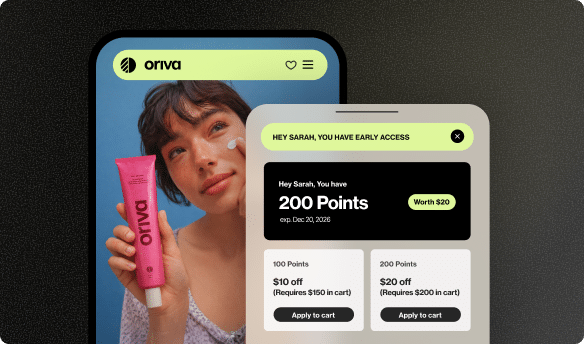
Building trust isn’t just about what customers say; it’s also about how brands connect with their community and reward shared values. This is where Yotpo Loyalty programs become a powerful tool against greenwashing. Instead of just trying to sell products, loyalty programs help brands build deep, meaningful relationships with customers who genuinely believe in what the brand stands for.
Here’s how Yotpo Loyalty encourages genuine connection and counters greenwashing:
* Rewarding More Than Just Buying: A smart loyalty program can reward customers not only for making purchases but also for actions that align with the brand’s values. For example, a brand focused on sustainability might give loyalty points for recycling old products, participating in a sustainability challenge, or even sharing their eco-friendly tips. This encourages positive, real-world actions rather than just consumption.
* Building a Community Around Shared Values: Loyalty programs can foster a sense of belonging among customers who care about the same things. When customers are rewarded for their engagement and commitment to shared values, it creates a community that supports the brand’s mission. This is a far cry from the superficial connection greenwashing tries to create. The best loyalty programs are those that truly resonate with what customers care about.
* Helping Brands Connect Deeply: By rewarding customers for specific behaviors, brands can gain valuable insights into what matters most to their community. This helps them further refine their genuine sustainability efforts and communicate them more effectively, building stronger, more authentic connections. These programs help brands create customer loyalty experiences that go beyond transactions.
* Encouraging Long-Term Engagement: Greenwashing is often about a quick sale. Loyalty programs, however, are about building long-term relationships. By continuously engaging and rewarding customers for their sustained support and alignment with the brand’s values, companies create lasting bonds that are resilient to misleading claims from competitors.
Together, Yotpo Reviews and Yotpo Loyalty provide brands with essential tools to navigate the modern marketplace. They help businesses be transparent, build trust through genuine customer voices, and foster meaningful connections that are the strongest antidote to the deceptive practices of greenwashing. These separate, best-in-class products work to ensure that brands can stand out by being truly authentic.
The Future: Making Smart Choices
Now you know what greenwashing is and how to spot it! It’s important because it makes a difference in what we buy and which companies we support. Remember, you have the power to be a smart shopper and help create a more honest and environmentally friendly world.
Next time you see a product making big green claims, take a moment to be a detective. Ask questions, look for proof, and listen to what others are saying. By doing this, you’re not just making a good choice for yourself, but you’re also helping to encourage real environmental action from companies and holding them accountable. Your choices matter, and by choosing wisely, you can support the honest brands that are genuinely working towards a better future for everyone.




 Join a free demo, personalized to fit your needs