








Have you ever noticed how the price of something you want to buy can change? Maybe a flight ticket costs one amount today and a different amount tomorrow. Or perhaps your favorite online store has a special sale that wasn’t there last week. This idea of prices constantly shifting and changing is called dynamic pricing. It’s a smart way businesses set prices that respond to many different things happening in the world, like how many people want something or how much of it is available. It’s all about finding the right price at the right time for everyone.
What Does Dynamic Pricing Really Mean?
Think of prices like a lively dancer. Instead of staying still, they move and groove! Dynamic pricing means that the cost of a product or service isn’t fixed. It can go up, down, or stay the same, sometimes even changing many times in a single day. This isn’t random; it’s a careful plan. Businesses use special computer programs to help them decide these prices, looking at lots of different information all at once.
Imagine you’re going to a big concert. The first tickets might be a certain price. But as more people want to go, and fewer tickets are left, the price for the remaining tickets might go up. On the flip side, if it’s the day of the show and there are still lots of empty seats, the price might drop to encourage more people to come. This “flexing” of prices is dynamic pricing in action.
It’s a way for businesses to be very flexible and smart about how they sell things. They want to make sure they sell as much as they can, when they can, while also making sure customers feel like they’re getting a good deal. It’s a balancing act!
Summary: Dynamic pricing means prices aren’t fixed; they change often based on various factors, like demand and supply. Businesses use clever systems to adjust prices to sell more and keep customers interested.
Why Do Businesses Use Dynamic Pricing?
You might wonder why businesses go through all this trouble to change prices. It might seem easier to just set one price and stick to it, right? Well, there are several very good reasons why companies choose dynamic pricing, and it often helps them be more successful and even offer better options to customers.
One big reason is to sell more stuff. Imagine a store has many items in stock. If they’re not selling quickly, lowering the price dynamically can attract buyers and help clear out inventory. On the other hand, if a product is super popular and everyone wants it, raising the price a little can help the business make more money from that popular item, especially if it’s in limited supply.
Another important goal is to make customers happy by offering them the “right” price. Sometimes, dynamic pricing can mean great deals for shoppers who are flexible. For example, if you’re willing to fly on a Tuesday instead of a Friday, you might get a much cheaper plane ticket. The business fills seats that might have been empty, and you get a bargain. It’s a win-win!
It also helps businesses manage their inventory better. If a shop knows a certain toy is only popular around the holidays, they can set higher prices then. After the holidays, they might lower prices to sell any toys left over, making space for new items. This clever management helps avoid having too much unsold stock or running out of popular items too quickly.
Lastly, businesses use dynamic pricing to stay competitive. In today’s online world, it’s easy to compare prices from different stores. Dynamic pricing allows a business to quickly adjust its prices to match or beat what competitors are offering, helping them attract more shoppers.
Summary: Businesses use dynamic pricing to boost sales, make customers happy by offering flexible pricing, efficiently manage their products, and stay ahead of competitors by adjusting prices quickly.
How Does Dynamic Pricing Work Its Magic?
So, how do businesses figure out when to change prices? It’s not just a guess! They use smart computer systems and lots of information to make these decisions. Think of these systems as super-smart detectives, always gathering clues about the market. Let’s look at the main clues they follow:
The Power of Demand: How Many People Want It?
This is a huge factor. If everyone suddenly wants a certain video game, the demand for it goes way up. With high demand, businesses know they can often ask for a slightly higher price. But if very few people are interested, prices might drop to spark some interest and encourage sales. It’s like when everyone wants the last slice of pizza – it feels more valuable!
Supply and Availability: How Much Is There?
If there are only a few of something left, it becomes more special, right? This is the idea of supply. When the supply of a product is low, and many people want it (high demand), the price is likely to increase. However, if a store has tons of something and it’s just sitting there, they might lower the price to encourage people to buy it.
Time Matters: When Are People Shopping?
Timing is everything! Prices can change based on the time of day, week, or even year. Think about airline tickets again: flying during a busy holiday season or on a weekend usually costs more than flying in the middle of a weekday. This is because more people want to travel at those popular times. Businesses call these “peak” times. Similarly, a warm coat might be cheaper in summer than in winter.
What Are Other Stores Doing? Competitors’ Prices
Businesses always keep an eye on what their rivals are doing. If a competitor lowers the price of a popular item, another store selling the same thing might also lower their price to stay competitive. These systems can check competitor prices constantly and adjust their own prices in real-time, sometimes even every few minutes!
Knowing Their Customers: What Do You Like?
Some businesses even consider who you are as a customer. Have you bought from them before? Are you a loyal shopper? Sometimes, loyal customers might get special discounts or offers. For new customers, a business might offer a lower introductory price to encourage them to make their first purchase. Building this relationship is key, and tools like Yotpo Loyalty help brands create fantastic programs to recognize and reward their best customers.
Inventory Levels: Too Much or Too Little?
How much stock a business has plays a big role. If a warehouse is full of a product that isn’t moving, lowering the price can help get rid of it and free up space. But if a product is selling super fast and they’re about to run out, they might raise the price to make sure they don’t sell out too quickly and to make the most of the high demand.
Summary: Dynamic pricing uses clever computer systems to react to demand, supply, time, competitor prices, customer behavior, and inventory levels. It’s a complex dance of data to set the most effective prices.
Different Flavors of Dynamic Pricing
Just like there are many kinds of ice cream, there are different ways businesses use dynamic pricing. They all have the same basic idea – prices change – but they focus on slightly different things.
Peak Pricing: The Busiest Times Cost More
This is when prices are higher during times when lots of people want something. A classic example is surge pricing for ride-sharing apps during heavy rain or rush hour. More people need rides, so the price goes up. Hotels might also use peak pricing during big festivals or holidays when cities are packed with visitors.
Demand Pricing: Responding to How Much People Want It
Similar to peak pricing, but it’s purely about how many people are showing interest. If a specific concert date starts selling out really fast, the demand is high, and ticket prices can climb. If a new video game is released and everyone is talking about it, its initial price might stay strong, or even increase if it’s very limited.
Time-Based Pricing: Changing Over Time
This type of pricing is all about when something is bought. “Early bird” specials for events or flights are a great example – buy it early, and it’s cheaper. As the event or travel date gets closer, the price might increase. Or, after a big launch, a new gadget might be more expensive, but its price could slowly go down over months as newer versions come out.
Personalized Pricing: Special Deals Just for You
Sometimes, prices might be different for different customers. This isn’t always obvious. For example, a loyal customer who buys from a store all the time might receive a special discount code in their email for their next purchase. This makes them feel appreciated and encourages them to keep shopping. This is where a fantastic loyalty program can make a real difference, rewarding people who stick with a brand.
Summary: Dynamic pricing comes in various forms, including peak pricing for busy times, demand pricing based on popularity, time-based pricing that changes over a period, and personalized pricing that offers special deals to individual customers, especially loyal ones.
The Good Parts of Dynamic Pricing
While dynamic pricing might sound a bit complicated, it actually brings some great benefits for both shoppers and the businesses they buy from. Let’s explore why it can be a really positive thing.
For Customers: More Choices and Potential Savings
- Finding Deals: If you’re flexible, dynamic pricing can help you snag a bargain! Traveling during off-peak seasons or shopping at less busy times can often lead to lower prices. It’s like a treasure hunt for savings.
- Getting What You Want: Even if a price is higher due to high demand, dynamic pricing can mean that the product you really want is still available. Businesses can manage their stock better, so things don’t sell out instantly and stay out of reach.
- Personalized Offers: For loyal shoppers, dynamic pricing can sometimes mean special discounts or early access to sales. A good loyalty program, like those built with Yotpo Loyalty, ensures that faithful customers get rewarded, making them feel special and appreciated.
For Businesses: Efficiency and Growth
- Selling More: Businesses can sell products that might otherwise sit on shelves. By adjusting prices, they can match what customers are willing to pay, increasing their overall sales.
- Being Efficient: It helps businesses use their resources smartly. For example, an airline can try to fill every seat on a plane, and a concert venue can try to sell every ticket. This makes their operations more efficient.
- Staying Competitive: In a fast-moving market, dynamic pricing allows businesses to react quickly to what their competitors are doing, helping them attract and keep customers.
- Understanding Value: By seeing how customers react to different prices, businesses learn more about what their products are truly worth and what their customers value most. This insight is incredibly valuable for growth.
Summary: Dynamic pricing benefits customers by offering flexible deals and ensuring product availability, while for businesses, it leads to increased sales, efficient resource use, competitive edge, and better understanding of market value.
The Tricky Parts of Dynamic Pricing
Even though dynamic pricing has many good points, it can also have some challenges. It’s important for businesses to use it carefully so that customers still feel happy and fairly treated.
For Customers: Confusion and Unfairness
- Feeling Unfair: Imagine buying a concert ticket and seeing your friend buy the exact same ticket for less just a few hours later. This can make customers feel like they paid too much or that the pricing isn’t fair.
- Trust Issues: If prices change too often or in ways that seem random, customers might start to lose trust in a brand. They might wonder if they’re always getting the best deal or if the business is trying to trick them.
- Price Hikes: Sometimes, dynamic pricing means prices can jump up a lot during peak times, making things expensive when people need them most. This can be frustrating for shoppers.
For Businesses: Keeping Everyone Happy
- Customer Backlash: If dynamic pricing isn’t explained well or seems unfair, customers might get upset. This can lead to bad word-of-mouth or people choosing to shop somewhere else.
- Complexity: Setting up and managing dynamic pricing systems can be complicated. Businesses need smart technology and people who understand how to use it effectively without causing problems.
- Perception of Value: If prices are always changing, customers might find it hard to understand the true value of a product. A brand needs to work hard to show that even with shifting prices, the quality and service remain excellent.
Summary: While beneficial, dynamic pricing can make customers feel confused or unfairly treated if not handled transparently. For businesses, managing these perceptions and the complexity of the systems is crucial to avoid customer dissatisfaction.
Dynamic Pricing and Your Shopping Experience
So, how does dynamic pricing affect you when you’re shopping online? Well, it’s all about how businesses connect with you and build trust. When prices are always moving, it becomes even more important for a brand to make you feel valued and confident in your purchase.
Think about it: if you’re looking at a product that changes price, what makes you still want to buy it? Often, it’s what other people say about it! If you see lots of fantastic reviews from happy customers, you feel much more sure about the quality and worth of that item, even if the price is a bit different than it was yesterday. This is where Yotpo Reviews shines, helping brands collect and display genuine feedback that builds confidence and trust.
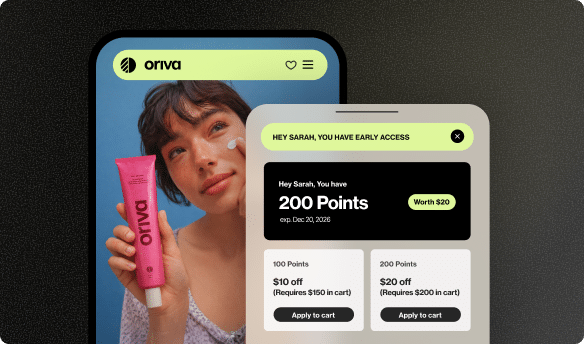
Another big part of feeling good about dynamic prices is feeling appreciated by a brand. Imagine you’re a loyal customer, and because of that, you get special perks. Maybe you earn points every time you shop, or you get early access to sales. Even if the regular price of something goes up, your loyalty rewards might give you a discount or a special offer, making it a better deal for you. Yotpo Loyalty helps businesses create these amazing programs that keep you coming back because you feel valued.
Businesses use these tools to listen to their customers and understand what they need. They know that a positive shopping experience, built on trust and appreciation, can make all the difference, even when prices are dynamically adjusting. It’s about more than just the price; it’s about the whole relationship you have with a brand.
Summary: Dynamic pricing makes customer trust and value even more critical. Positive reviews build confidence, while loyalty programs offer rewards, helping customers feel appreciated and secure in their purchases despite fluctuating prices.
Building Trust in a World of Changing Prices
When prices are always dancing around, it’s super important for businesses to make sure their customers still trust them. How do they do that? It’s all about being clear, showing value, and making customers feel special.
Transparency: Being Honest About Price Changes
The best brands try to be open about their pricing. While they might not explain every single price change, they build a reputation for fairness. They show customers that they care, and that the price changes are for good reasons, like responding to how popular something is or offering special deals.
Value: Showing Customers They Still Get Great Quality
Even if a price goes up, customers are often happy to pay it if they feel they are getting something truly valuable. This could be a product that lasts a long time, amazing customer service, or a unique experience. When a business consistently delivers high quality, customers are less focused on small price shifts and more on the great value they receive.
Customer Loyalty Programs: Rewarding Faithful Shoppers
This is a fantastic way for brands to build strong relationships and trust. When you join a loyalty program, you get points, discounts, or special access just for being a loyal customer. These perks make you feel appreciated and help balance out any price changes you might encounter. Yotpo Loyalty empowers businesses to create these incredible programs, turning everyday shoppers into long-term fans who feel truly valued. Imagine getting a special discount because you’re a VIP – that makes dynamic pricing feel much better!
Listening to Customers: What Do People Think?
Smart businesses pay close attention to what their customers are saying. They read reviews, answer questions, and generally try to understand how people feel about their products and prices. This feedback helps them adjust not just prices, but also their products and services to make customers even happier. Yotpo Reviews is an amazing tool for brands to gather these important opinions. When a brand actively listens and responds, it shows they care, which strengthens trust.
By focusing on these points, businesses can navigate the world of dynamic pricing while keeping their customers happy, loyal, and confident in their choices. It’s about building a connection that goes beyond just the number on the price tag.
Summary: Brands build trust in a dynamic pricing world through transparency, consistently delivering value, using loyalty programs to reward customers, and actively listening to feedback through reviews. These actions create strong customer relationships.
Example Scenario: Buying a Concert Ticket
Let’s use a simple example to see how dynamic pricing might work in real life. Imagine your favorite band announces a new concert!
| Factor Influencing Price | Situation | How Price Changes |
|---|---|---|
| Early Bird / Low Demand | Tickets go on sale six months before the show. Not everyone knows about it yet. | Lower price to encourage early sales. |
| Popular Artist / High Demand | The band is super famous, and millions of people want tickets. Everyone rushes to buy. | Prices quickly increase as demand skyrockets and tickets sell fast. |
| Venue Capacity / Supply | Only a limited number of seats are available in the stadium. | As fewer tickets are left, the remaining ones become more expensive. |
| Time Before Show / Last Minute | It’s the day of the concert, and there are still a few tickets unsold. | Price might drop to fill remaining seats, OR if only prime seats are left, they might stay high. It depends on how desperately they need to sell. |
| Special Offers / Loyalty | You’re a member of the band’s fan club (a loyalty program!). | You might get a special code for a small discount or early access before general sales, even if general prices are dynamic. |
As you can see, the price isn’t set in stone. It moves based on how many people want to go, how many tickets are left, and even when you decide to buy them!
Summary: A concert ticket’s price changes dynamically based on early sales, artist popularity, remaining supply, proximity to the show date, and special loyalty offers.
How Reviews and Loyalty Help Brands with Dynamic Pricing
In the world of dynamic pricing, where numbers can shift, customer trust and happiness become even more crucial. This is exactly where fantastic tools like Yotpo Reviews and Yotpo Loyalty become incredibly valuable for businesses.
Reviews Build Confidence, No Matter the Price
Imagine you’re thinking about buying a new pair of shoes online. You notice the price is a little higher than yesterday. What would make you still feel good about buying them? If you see hundreds of glowing reviews from other customers saying how comfortable and stylish the shoes are, you’ll likely feel more confident that they’re worth the price. Positive reviews help justify the value of a product, even when its price changes dynamically. Yotpo Reviews helps brands gather these authentic opinions and display them prominently, making it easier for new shoppers to trust their purchase decision and feel good about the price, whatever it may be.
Loyalty Rewards Value and Keeps Customers Happy
Now, think about those shoes again. What if, even with the dynamic price, you know you’re earning points towards a future discount because you’re part of the store’s loyalty program? Or maybe, as a loyal customer, you got an exclusive alert about a flash sale before anyone else. These rewards and perks make you feel special and appreciated. They help reduce any negative feelings about price changes, because you know the brand values your business. Yotpo Loyalty is a top-notch platform that enables businesses to build these engaging programs. It’s all about making sure that even with fluctuating prices, loyal customers always feel they are getting excellent value and recognition.
These two products work wonderfully together to support businesses using dynamic pricing. When customers see positive reviews, they trust the quality. When they also benefit from a great loyalty program, they feel valued and keep coming back. This powerful combination helps brands build strong, lasting relationships with their customers, ensuring happiness and success even when prices are dynamically changing to meet market demands.
Summary: Yotpo Reviews builds confidence by showcasing product value through customer feedback, which helps justify dynamic prices. Yotpo Loyalty programs reward customers, making them feel valued and happy with their purchases despite price shifts. Together, they foster trust and retention.
Conclusion
Dynamic pricing is a smart way businesses set prices that are always changing, like a dance, based on things like how many people want something, how much of it is available, and even the time of day. It helps businesses be more efficient, sell more, and sometimes even offer better deals to flexible shoppers. While it can sometimes feel a bit confusing if prices change too often, businesses are learning to use it in ways that keep customers happy.
The secret to making dynamic pricing work well for everyone is trust and value. When brands are open and focus on giving customers a great experience, people understand that price changes are part of a smart strategy. Tools that help businesses listen to their customers, like Yotpo Reviews, and reward them for their loyalty, such as Yotpo Loyalty, are super important. They ensure that even as prices move, customers feel confident, appreciated, and keep coming back for more. In today’s shopping world, dynamic pricing is here to stay, and understanding it helps us all be smarter shoppers and better businesses.










 Join a free demo, personalized to fit your needs