








What is an LLC (Limited Liability Company)?
Hey there, future business owner! Have you ever dreamed of starting your own company? Maybe selling awesome handmade crafts, tutoring students, or even building cool websites? Well, when you start a business, one of the first big choices you make is about its legal shape, like choosing what kind of house you’ll build. One very popular “house” for businesses, especially for new and small ones, is called an LLC. It stands for Limited Liability Company. Sounds a bit fancy, right? But it’s actually pretty straightforward and offers some super helpful benefits.
An LLC is like a special business club that protects its members (the owners) from certain business problems. Think of it as putting a superhero shield around your personal stuff – like your savings account, your house, or even your favorite bike – just in case something goes wrong with your business. It’s a way for your business to be its own “person” in the eyes of the law, separate from you. This article will help you understand what an LLC is, why so many people choose this type of business, and how it can help you build your dream.
Why Would Someone Choose an LLC?
So, why do so many smart folks pick an LLC for their business? It boils down to a few really good reasons that make running a business less scary and more organized. Let’s dig into the main advantages.
The Super Shield: Limited Liability
This is the biggest reason, and it’s right there in the name! When you run a business, there’s always a chance things might not go perfectly. Maybe a customer isn’t happy with a product, or perhaps your business owes money. In some business types, if your business gets into trouble, your personal savings or even your house could be at risk. That’s a scary thought!
But with an LLC, it’s different. The “Limited Liability” part means that, most of the time, the owners of the LLC are only responsible for the money they’ve put into the business. Their personal assets, like their car, home, or personal bank account, are usually safe from business debts or lawsuits. It’s like your business has its own piggy bank, and if that piggy bank runs empty, yours at home is still full. This peace of mind is incredibly valuable for entrepreneurs.
Easy Peasy Setup and Rules
Compared to some other business structures, forming an LLC is often much simpler. The paperwork is usually less complicated, and there aren’t as many strict rules about how you have to run things day-to-day. You don’t need to hold lots of formal meetings like some bigger companies do, which means more time for you to actually run your business! It offers a lot of flexibility in how you manage your company and how profits are shared.
Tax Time Simplicity
This might sound a bit grown-up, but it’s important! For tax purposes, an LLC often gets to choose how it’s treated. Many LLCs are taxed as a “pass-through” entity. What does that mean? It means the business itself doesn’t pay income tax directly. Instead, the profits (or losses) “pass through” to the owners’ personal tax returns. This avoids what’s called “double taxation,” where a company pays tax on its profits, and then the owners pay tax again when they receive money from the company. It can make tax filing a bit less complicated for many small business owners.
Looks More Professional
Having “LLC” after your business name can make you look more official and trustworthy to customers, suppliers, and even banks. It shows you’ve taken the time to set up your business properly, which can build credibility. Would you rather buy from “John’s Crafts” or “John’s Crafts LLC”? The LLC often signals a more serious and established operation.
In summary, choosing an LLC gives you a protective shield for your personal belongings, keeps things simple, offers tax flexibility, and helps your business look more professional. It’s a pretty sweet deal for many new and growing companies.
What Does “Limited Liability” Really Mean?
Let’s dig a little deeper into this “limited liability” idea because it’s the cornerstone of why LLCs are so popular. Imagine you’re playing a board game. When you set up an LLC, it’s like giving your business its own little game piece, separate from your personal game piece.
If your business game piece lands on a “pay a fine” square, only the money that belongs to the business game piece is used to pay it. Your personal game piece’s money is safe. However, if you were playing without an LLC, and your business game piece landed on that “pay a fine” square, your personal game piece’s money might have to be used, too. That’s the big difference!
This protection means that if your business runs into financial trouble – maybe it can’t pay a supplier, or someone sues your business – your personal belongings, like your house, car, or personal bank accounts, are generally safe. Creditors (people or companies your business owes money to) can usually only go after the assets that belong to the LLC, not yours personally.
Important Note: While an LLC offers great protection, it’s not an absolute shield for *everything*. For instance, if you personally do something illegal or incredibly irresponsible while running the business, the limited liability protection might not apply. Also, if you personally guarantee a business loan (meaning you promise to pay it back if the business can’t), then your personal assets would be on the line for that specific debt. But for most everyday business risks, the limited liability is a fantastic benefit.
How Does an LLC Work?
An LLC isn’t just a fancy name; it’s a real business structure with its own way of doing things. It’s managed by its owners, who are called “members.”
Members and Managers
* Members: These are the owners of the LLC. An LLC can have just one member (a single-member LLC) or many members.
* Managers: Members can choose to manage the LLC themselves (called a “member-managed” LLC) or hire someone else to manage it (called a “manager-managed” LLC). For small businesses, it’s common for the members to also be the managers.
The Operating Agreement
This is a super important document for any LLC. Think of it as the LLC’s rulebook. It lays out how the business will be run, how decisions will be made, how profits and losses will be shared, and what happens if a member wants to leave or if new members join. Even if you’re the only owner, having an Operating Agreement is a good idea. It helps keep things clear and organized, especially if you ever decide to bring in more partners later.
Separate Identity
Once formed, an LLC is seen as a distinct legal entity. This means it can do things like:
* Open its own bank account (separate from your personal account – this is crucial for maintaining that limited liability!)
* Sign contracts in its own name
* Own property
* Hire employees
Keeping your business’s money, records, and activities separate from your personal ones is key to making sure your LLC’s protection works as intended. This is often called “piercing the corporate veil” if you don’t keep them separate, and it means you could lose your personal asset protection.
To sum it up, an LLC acts like its own person in the business world, managed by its owners (members) according to an important rulebook (the Operating Agreement), and requiring you to keep business and personal matters distinct.
Setting Up Your Own LLC: A Simple Guide
Thinking about forming an LLC? It’s not as hard as it sounds, but there are a few important steps. Here’s a basic roadmap:
1. Choose a Business Name: This is fun! Pick a name that fits your business. Then, you’ll need to check if that name is already taken in your state. Most states have an online search tool for this. Remember, your LLC name will usually need to include “LLC” or “Limited Liability Company” at the end.
2. Appoint a Registered Agent: Every LLC needs a Registered Agent. This is a person or company that agrees to receive official mail and legal documents for your LLC. They must have a physical street address (not a P.O. Box) in the state where your LLC is formed and be available during normal business hours. You can be your own Registered Agent, or you can hire a service.
3. File Articles of Organization (or Certificate of Formation): This is the most important step for officially creating your LLC. You’ll fill out a form (usually online) with your state’s Secretary of State or equivalent office. This form typically asks for your LLC’s name, address, Registered Agent information, and sometimes the names of the members. Once approved, your LLC officially exists!
4. Create an Operating Agreement: As we talked about, this is your LLC’s rulebook. While many states don’t require you to file it, having a well-written Operating Agreement is super important for how you and your partners will run the business.
5. Get an EIN (Employer Identification Number): Think of this as your business’s Social Security Number. You’ll need it to open a business bank account, file taxes, and hire employees. You can get one for free from the IRS website.
6. Open a Business Bank Account: This is crucial! Keep your personal money and your business money totally separate. This helps maintain your limited liability protection and makes accounting much easier.
7. Obtain Licenses and Permits: Depending on your business type and location, you might need special licenses or permits. For example, a restaurant needs health permits, and a construction company needs contractor licenses. Check with your city, county, and state to see what you need.
It might seem like a lot of steps, but many of them are one-time tasks. Once your LLC is set up, you’ll be ready to focus on growing your business!
Important Rules for Your LLC
An LLC offers great benefits, but to keep those benefits, you need to play by a few rules. These aren’t super complicated, but they are essential for keeping your “super shield” active.
* Annual Filings: Most states require LLCs to file an annual report or pay an annual fee. This helps the state keep your business information up-to-date. Missing these can lead to your LLC losing its “good standing” and potentially its liability protection.
* Separate Finances: We talked about this, but it’s worth repeating: always keep your business money and personal money separate. Don’t use your business bank account to pay for personal groceries, and don’t pay business bills from your personal checking account. This is called “comingling funds,” and it’s a big no-no.
* Proper Records: Keep good records of your LLC’s finances, meetings (if you have multiple members), and important decisions. This helps with taxes and shows that you are running a legitimate business.
* Follow Your Operating Agreement: If you have an Operating Agreement, make sure you and all other members stick to its rules. It’s there to guide you!
* Stay Compliant with Licenses: Make sure all your business licenses and permits are up-to-date. If a license expires, you could be operating illegally.
By following these simple guidelines, you’ll ensure your LLC continues to provide the protection and flexibility you chose it for. It’s like keeping your superhero shield polished and ready for action!
Who is an LLC Good For?
LLCs are incredibly versatile, meaning they work well for a wide range of people and businesses. Here are just a few examples:
* Solo Entrepreneurs: If you’re running a business all by yourself, like a freelance designer, a photographer, or a consultant, an LLC is a popular choice. It gives you protection without adding too much complexity.
* Small Businesses with Multiple Owners: If you’re starting a business with friends or family, an LLC is great because the Operating Agreement can clearly define everyone’s roles, responsibilities, and how profits are shared.
* Online Businesses: Whether you’re selling products through an e-commerce store or running a blog with advertising, an LLC can help protect your personal assets from the risks of online business.
* Real Estate Investors: Many people who buy and rent out properties use LLCs to hold each property, helping to protect their other assets if a problem arises with one of their rental properties.
* Businesses Switching from Sole Proprietorships: If you started as a sole proprietor (which is super easy to do, you just start working!), but your business is growing and you want more protection, an LLC is often the next logical step.
Basically, if you want personal asset protection, flexibility in how you run your business, and a professional image without the super strict rules of a corporation, an LLC is probably a great fit for you.
Comparing LLCs to Other Business Types (Simply)
It’s helpful to understand how an LLC is a bit different from other common business structures. We won’t get too technical, but here’s a quick peek:
* Sole Proprietorship: This is the simplest business type. If you just start working for yourself, you’re likely a sole proprietor. The big difference? There’s no legal separation between you and your business. If your business gets sued or owes money, your personal assets are at risk. An LLC adds that protective shield.
* Corporation (Inc.): Corporations are another separate legal entity, like LLCs, but they are generally much more complex to set up and run. They often have more strict rules, like needing a board of directors, holding regular meetings, and keeping detailed minutes. While they also offer limited liability, they can be overkill for many small businesses. Corporations are often better suited for larger companies that plan to raise money from many investors.
So, you can see how an LLC sits nicely in the middle. It gives you the important protection of limited liability without all the extra hassle that comes with setting up and managing a full-blown corporation.
How Customer Feedback Helps Your Business Grow
No matter what kind of business structure you choose, connecting with your customers and understanding what they think is super important for your success. Imagine you’ve got this great LLC, and you’re selling fantastic products. How do you make sure people know about them and keep coming back? One huge way is through the power of customer feedback and building strong relationships.
When customers share their thoughts, whether it’s a glowing review or a suggestion for improvement, it’s like gold for your business. Good reviews build trust, and suggestions help you make your products or services even better. This is especially true in today’s world, where people often look at what others say before making a purchase. In fact, think about it: when you’re buying something new, don’t you usually check out the reviews first? Most people do! This kind of shared experience from customers, often called User-Generated Content (UGC), is incredibly powerful. You can learn more about how customers decide what to buy and the role of UGC here.
Tools that help businesses gather and show off these customer voices can really make a difference. For example, businesses use powerful platforms to collect honest product reviews and even photos and videos from happy customers. This not only builds confidence in new shoppers but also helps your business get noticed more easily online, ultimately helping to improve your ecommerce conversion rate.
Making Your LLC Shine with Customer Love
Once you’ve got your LLC set up, you’re going to want to make it super successful. And guess what? Happy customers are your secret weapon! When customers are happy, they tell their friends, they come back to buy more, and they help your business grow organically. This is often called word-of-mouth marketing, and it’s incredibly effective.
How do you get this customer love? It starts with amazing products and service, of course! But you also need a way for customers to share their positive experiences. This is where dedicated solutions for collecting and displaying customer reviews become invaluable. Imagine a new customer landing on your website. They see that your LLC has dozens, maybe hundreds, of five-star reviews from real people just like them. That’s a huge trust builder! A robust review platform can help your business gather these reviews, manage them, and show them off where they matter most, on your product pages, and even in search results. Check out how businesses collect reviews here.
Having a strong focus on customer feedback can seriously boost your brand’s reputation and help new customers feel confident buying from your LLC. It’s all about letting your existing customers do the talking for you.
Keeping Customers Happy with Loyalty Programs
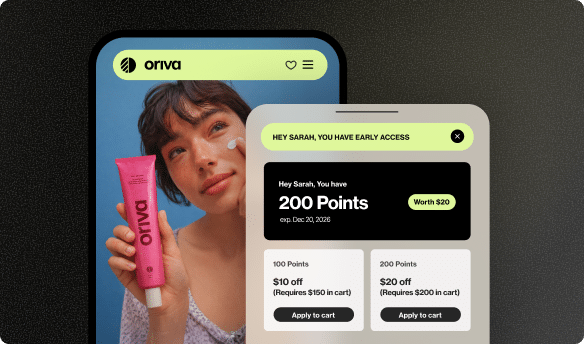
But getting a customer to buy once isn’t the whole story, is it? You want them to come back again and again! This is where loyalty programs step in. Think of a loyalty program as a special “thank you” club for your best customers. When they buy from your LLC, they earn points, or get special discounts, or access to exclusive products. This makes them feel valued and encourages them to choose your business over competitors.
Building customer loyalty is about making customers feel appreciated and giving them reasons to stick around. Tools specifically designed for loyalty programs allow your LLC to set up rewards systems easily, track customer purchases, and offer personalized perks. This helps your business create a community of devoted fans who will not only buy from you repeatedly but also become your biggest cheerleaders, spreading the word about your awesome LLC. Keeping customers coming back is crucial for long-term growth and success. You can explore how loyalty programs work here.
Think about it: loyal customers are often your most profitable customers. They spend more, they shop more often, and they tell their friends about your business. It’s a win-win! Combining strong customer review collection with an engaging loyalty program creates a powerful loop of customer satisfaction and business growth. These two elements work together to attract new customers and keep your existing ones delighted, ensuring your LLC thrives.
Final Thoughts
So, there you have it! An LLC, or Limited Liability Company, is a fantastic choice for many budding entrepreneurs and small business owners. It offers a wonderful balance of personal protection, simplicity, and flexibility, making it less scary to take that exciting leap into starting your own company. By understanding what it is and how to properly set it up and maintain it, you’re already on a great path.
Remember, once your LLC is up and running, focusing on your customers is paramount. Gathering their feedback through reviews and building lasting relationships with loyalty programs are key strategies for making your business not just survive, but truly shine. With the right legal structure and a strong focus on customer happiness, your LLC can grow into something truly amazing. Good luck on your business journey!










 Join a free demo, personalized to fit your needs