








Imagine you want to build a super cool treehouse in your backyard. You wouldn’t just tell the builder to work forever and pay them for every single minute, right? You’d want to know how much the whole treehouse is going to cost, from start to finish, before they even nail the first board. That’s a lot like a project-based fee in the business world. It’s a way for people who do work for others, like building websites or creating marketing plans, to agree on a total price for a whole job, not just for the hours they spend.
What Exactly is a Project-Based Fee?
A project-based fee is pretty straightforward. It’s when a service provider – that’s someone offering a skill or service, like a web designer or a content creator – and a client – the person or business paying for the service – agree on a single, fixed price for a complete job or “project.” Think of it like buying a toy. You know exactly how much the toy costs before you take it home. You don’t pay extra for every minute the toy maker spent putting it together.
This fee covers everything needed to finish the project. It includes the time the person spends working, any special tools or materials they might need, and all the different tasks involved. The key is that the price is set upfront, so there are no surprises for either side as long as the project stays within its agreed-upon plan.
For example, if a small business wants a brand new online store, a web development company might offer a project-based fee. This fee would cover designing the look, building the pages, setting up ways to take payments, and making sure everything works smoothly. The business knows the total cost, and the web developer knows what they need to deliver for that price.
How is a Project-Based Fee Different from Other Ways to Pay?
Paying for work isn’t always done the same way. Project-based fees are just one option, and it’s helpful to know how they compare to others. Let’s look at a couple of common ways:
Paying by the Hour (Hourly Rate)
Imagine you hire someone to help you clean your room. You might agree to pay them a certain amount for every hour they spend cleaning. This is an hourly rate. If it takes them three hours, you pay for three hours. If it takes five hours, you pay for five hours. The total cost isn’t known until the work is done.
- Project-Based Fee: You know the total cost before the work starts.
- Hourly Rate: The total cost depends on how long the work takes.
Paying with a Retainer (Monthly Payment)
Sometimes, businesses pay someone a regular amount each month to be available for ongoing work or tasks. This is called a retainer. It’s like having a membership to a club; you pay a fixed amount every month, and you get access to their services whenever you need them, up to a certain limit. This is often used for things like ongoing marketing support or regular updates.
- Project-Based Fee: One payment for one specific, finished project.
- Retainer: Ongoing, regular payments for continuous access to services.
So, the big difference is how predictable the cost is and what exactly you’re paying for. With a project-based fee, you’re paying for a clear outcome – a finished website, a completed marketing campaign, or a new customer loyalty program.
When is a Project-Based Fee a Good Idea?
Project-based fees can be really helpful for both the people doing the work (the service providers) and the people hiring them (the clients). It often works best when the job has a clear beginning, middle, and end.
For the Client (The One Paying)
Clients often love project-based fees because they get to know the total cost right away. This helps them with their budget, so they don’t accidentally spend more money than they planned. It also means they can focus on the results and what they’re getting, rather than constantly worrying about how many hours are being spent. They’re paying for a solution, like a new online store that helps them attract more customers and get their feedback, which can really help them grow. Learn about growing your business online.
- Clear Budget: No surprises on the final bill.
- Focus on Results: The goal is to get the project done successfully.
- Less Risk: The provider has an incentive to work efficiently to finish on time and budget.
For the Service Provider (The One Doing the Work)
Service providers can also benefit a lot. When they know the full scope of a project, they can plan their time better and manage their resources. It allows them to price their expertise and the value they bring, not just their time. If they are very efficient, they might even finish the project quicker than expected, which is a win for them! They also get to define exactly what they will deliver, helping them manage expectations with the client.
- Value-Based Pricing: Charge for the value provided, not just hours.
- Better Planning: Easier to schedule and manage workload.
- Motivation to be Efficient: Finishing projects on time can be more profitable.
This fee structure is especially popular for projects like building an e-commerce website, setting up a customer loyalty program, or creating a series of videos for a new product launch. These are all tasks with a definite end goal and set deliverables.
What Goes Into a Project-Based Fee?
Setting a project-based fee isn’t just about picking a number out of thin air. A lot of careful thought goes into it to make sure it’s fair for everyone and covers all the work involved. Here are the main ingredients:
Understanding the Project Scope
The scope is like the blueprint for your treehouse. It clearly describes everything that needs to be done. What features will it have? How big will it be? What materials will be used? In business, the scope defines what the project will achieve, what tasks are included, and what is *not* included. The clearer the scope, the easier it is to set a fair price.
For instance, if a business wants to collect customer feedback and display it on their website, the scope might include setting up a system for collecting product reviews and integrating it with their online store. A very clear scope prevents misunderstandings later.
Deliverables and Quality
Deliverables are the finished items or services you get at the end of the project. For your treehouse, the deliverable is the completed treehouse itself! For a web project, it might be a working website, a new logo, or a report. The fee also considers the quality of these deliverables. A simple website will cost less than a super fancy, highly customized one designed to get lots of engagement and conversion from customers. Explore how customer content helps decision-making.
Timeline and Complexity
How long will the project take? Projects that need to be finished very quickly, or ones that are very complicated, often cost more. Think about it: building a simple birdhouse takes less time and skill than building a whole house. The same applies to projects in the business world. A complex project might involve many different steps, specialized skills, or working with many different people, all of which add to the overall effort and, therefore, the fee.
Experience and Expertise
Just like an expert chef charges more than someone learning to cook, a service provider with a lot of experience and specialized skills will usually charge more for a project. Their expertise means they can often deliver higher quality work, solve problems faster, and provide better results, which is valuable to a client.
In short, a project-based fee is carefully calculated by looking at what needs to be done, how good it needs to be, how long it will take, and who is doing the work.
Making Sure Everyone is Happy
The best part of a project-based fee is that it helps everyone stay on the same page. But for it to work really well, a few things need to happen:
The Project Agreement (Contract)
Before any work starts, there’s usually a written agreement, or contract. This is super important! It’s like a rulebook for the project. It spells out:
- Exactly what the project is (the scope).
- What will be delivered (the deliverables).
- How much it will cost (the project-based fee).
- When different parts of the project will be finished (the timeline).
- What happens if something unexpected comes up or if the client wants to change something.
Having everything written down helps prevent arguments and makes sure both sides know what to expect. It’s especially useful for things like setting up a new customer loyalty program, where many steps and integrations are involved.
Clear Communication
Even with a great contract, talking to each other regularly is key. The service provider should keep the client updated on progress, and the client should share any important information or feedback. Good communication helps catch small problems before they become big ones and ensures the project is moving in the right direction.
Handling Changes (Change Orders)
Sometimes, during a project, the client might realize they want something different or extra. For example, after agreeing to a website with five pages, they might decide they really need an extra page for customer success stories. This is called a change request. If it falls outside the original agreement, it usually means the scope of the project has changed, and a new agreement (sometimes called a change order) will be made, often with an adjusted fee and timeline. This ensures fairness to both parties.
| Element | Why it’s Important |
|---|---|
| Clear Contract | Sets expectations and outlines all agreed terms. |
| Open Communication | Keeps everyone informed and addresses issues quickly. |
| Managing Changes | Allows flexibility while maintaining fairness and scope. |
When these steps are followed, a project-based fee can lead to a very successful and happy partnership.
Connecting Project Fees to Growing Your Business
Now, you might be thinking, “How does paying for a project connect to making my business better and getting more customers?” That’s a great question! Many projects businesses pay for, especially with a project-based fee, are directly aimed at improving how they work, how they connect with customers, and how they sell their products.
Investing in Customer Experience
Think about a business that decides to invest in a project to create an amazing online store. This project, paid for with a project-based fee, isn’t just about having a website. It’s about making it super easy and fun for customers to shop, find what they need, and feel good about their purchase. A better customer experience often means customers come back more often and tell their friends.
Building Trust with Reviews and Ratings
Many businesses undertake projects to collect and display customer reviews and ratings. This is a perfect example of a project that might be handled with a project-based fee. A company like Yotpo helps businesses set up systems to gather genuine feedback from real buyers. When new customers see what others are saying, it builds trust and helps them decide what to buy. Projects like these directly impact how much people trust a brand and how likely they are to buy. Yotpo’s Reviews product is designed to make this process smooth, helping businesses gather and showcase user-generated content that truly resonates with shoppers. Understand what user-generated content is.
Encouraging Loyalty with Special Programs
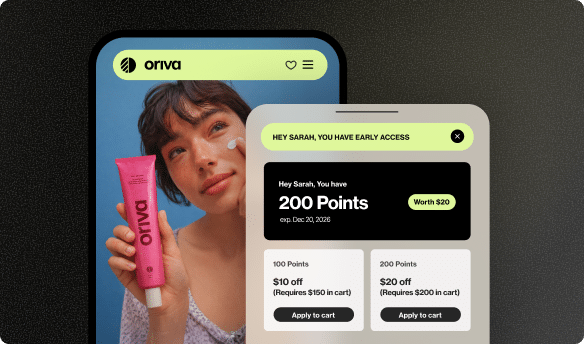
Another big project for businesses is setting up a loyalty program. This type of project aims to reward customers for choosing to buy from a business again and again. It could involve setting up points systems, special discounts, or early access to new products. A project-based fee would cover designing the program, building the technology to support it, and launching it. Yotpo’s Loyalty software helps businesses create powerful loyalty programs that keep customers engaged and happy, turning one-time buyers into lifelong fans.
These projects are investments. Businesses pay a fixed amount upfront with the expectation that the finished project will help them earn more money, save time, or build stronger relationships with their customers in the long run. It’s all about making smart moves to grow.
Final Thoughts
So, a project-based fee is a clear and organized way to pay for a specific job or task. It’s like knowing the price of your favorite video game before you buy it – you know exactly what you’re getting and how much it will cost. This method brings peace of mind to both the client and the service provider, helping them focus on reaching a shared goal.
For businesses, understanding how to work with project-based fees, whether they are hiring someone or offering their own services, is an important part of doing business smart. It helps them manage budgets, define clear goals, and ultimately, invest in improvements that help them connect better with customers and thrive in today’s world. Like using great tools to get customer feedback or build strong customer loyalty, project-based fees are another smart way to get things done right.










 Join a free demo, personalized to fit your needs