








What is a Product Page SEO?
Imagine you have a super cool toy you want to sell online. You set up a special page on your website just for that toy, showing pictures and describing all its awesome features. This special page is called a product page. But how do people find your toy page when there are millions of other toys online?
That’s where Product Page SEO comes in! SEO stands for Search Engine Optimization. Think of it like making your toy page super friendly and easy for search engines, like Google, to understand. When Google understands your page, it knows exactly what your toy is about and can show it to people who are looking for toys just like yours. It’s all about helping more people find your amazing products and bring them right to your online store!
What Exactly is a Product Page?
A product page is like your product’s personal showcase on the internet. It’s where all the magic happens when someone is thinking about buying something from you. On this page, you get to tell everyone all about your product, show off fantastic pictures, and answer any questions a shopper might have before they decide to buy.
A really good product page will have:
- Clear Pictures and Videos: Showing the product from different angles, and maybe even someone using it!
- Detailed Descriptions: Explaining what the product does, what it’s made of, and why it’s great.
- Important Information: Like its size, color options, and how much it costs.
- A Way to Buy: Usually a big button that says “Add to Cart” or “Buy Now.”
- Helpful Extras: Things like customer reviews or frequently asked questions.
The goal of every product page is simple: to give shoppers all the information they need to feel confident and excited enough to click that “buy” button. It’s a crucial step in their shopping journey!
Unpacking Product Page SEO: The Core Idea
So, you know what a product page is. Now, let’s dive deeper into Product Page SEO. At its heart, SEO for your product pages is about making sure that when someone types something into a search engine—like “best waterproof kids boots” or “cozy blanket for cat”—your product page has a good chance of showing up in the search results. Why is this so important? Because most people click on the first few results they see!
Think of search engines as giant libraries with billions of books. Each book is a webpage. SEO is like giving your book a really clear title, a great summary, and putting it in the right section of the library so that when someone asks the librarian for “waterproof kids boots,” your book is handed right to them.
Without good SEO, your amazing product page might be buried deep within the library, and no one would ever find it. With good SEO, you’re essentially putting up a big, shiny sign that says, “Hey Google, my page is exactly what this person is looking for!” This helps you:
- Get Found: People searching for products like yours will actually see your page.
- Bring Visitors: More visibility means more people clicking on your link and visiting your online store.
- Boost Sales: More visitors who are already interested in what you sell often turn into more customers and more sales.
It’s not just about tricking search engines; it’s about making your page as helpful and clear as possible for both search engines and the real people using them.
Why Product Page SEO is Super Important for Your Online Store
Having a great product is only half the battle when you’re selling online. The other half is making sure people can actually find it! That’s why product page SEO isn’t just a nice-to-have; it’s a must-have for any online store that wants to grow. Let’s look at why it’s so vital:
Getting Seen by Everyone (Visibility)
Imagine opening a fantastic toy store, but it’s hidden down a secret alley that no one knows about. Even if you have the best toys, no one will buy them. Online, search engines are the main roads people use to find shops. Product page SEO helps put your store right on the busiest road, where everyone can see it. When your product pages show up high in search results, more eyes land on your products, increasing your chances of making a sale.
Bringing More Shoppers to Your Digital Door (Traffic)
The more visible your product pages are, the more people will click on them. This is called bringing “traffic” to your website. Think of it like people walking into your physical store. The more people who walk in, the more opportunities you have to show them what you’re selling. For an online store, website traffic is like oxygen – you need it to survive and thrive. Good SEO brings in traffic that’s specifically looking for what you offer, making them more likely to buy.
Turning Browsers into Buyers (Sales)
This is the big one! Ultimately, businesses want to sell products. When people find your product page through a search engine, they’re usually already interested in buying something. They’ve typed in a specific search term because they have a need or a desire. Because they’re actively looking, they’re much closer to making a purchase decision. Product page SEO helps connect these ready-to-buy shoppers directly with your products, leading to more sales for your business.
Building for Tomorrow (Long-Term Growth)
SEO isn’t a one-time fix; it’s an ongoing effort that keeps working for you over time. Once your product pages start ranking well, they can continue to bring in traffic and sales for months or even years. This steady stream of interested customers helps your business grow stronger and more stable. It’s like planting a tree; it takes time to grow, but once it does, it provides shade and fruit for a long, long time. Investing in product page SEO now means investing in the future success of your online store.
Simply put, if you want your online store to succeed, you absolutely need to make sure your product pages are optimized for search engines. It’s how customers find you, visit you, and ultimately buy from you!
Key Ingredients for Awesome Product Page SEO
Making your product pages shine in search results is a bit like baking a cake. You need all the right ingredients, mixed in the right way, for it to turn out perfectly. Let’s look at the essential ingredients for great product page SEO.
Finding the Right Words (Keywords)
This is where your journey into product page SEO often begins. Keywords are simply the words and phrases people type into search engines when they’re looking for something. If you sell “super soft baby blankets,” you’ll want your page to include those words so search engines know your page is a match for someone searching for them.
- How to Find Them: Think like your customer! What would you type if you were looking for your product? You can also use online tools (some are free!) to see what words people search for most often. Look for keywords that are specific, like “organic cotton baby blanket with animal print,” not just “blanket.” These are called long-tail keywords and often lead to shoppers who know exactly what they want.
- Where to Put Them: Don’t just stuff keywords everywhere! Use them naturally in your product’s title, in the main description, in headings on the page, and even in the names of your image files. The key is to make it sound natural and helpful for someone reading the page.
Picking the right keywords is like giving search engines a clear roadmap to your product.
Making Your Page Friendly for Search Engines (Technical SEO)
Even if your content is amazing, if your page isn’t technically sound, search engines might struggle to understand it or might not want to show it to users. These are the behind-the-scenes helpers:
- URL Structure: The URL is the website address (like www.yourstore.com/awesome-toy). Keep it simple, easy to read, and include your main keyword if possible (e.g., www.yourstore.com/products/blue-robot-toy).
- Page Speed: Has a website ever taken ages to load? It’s frustrating, right? Search engines know this, and they prefer fast-loading pages. The quicker your product page appears, the happier your visitors (and search engines) will be. Fast pages often mean less waiting and more looking at your product.
- Mobile-Friendliness: A huge number of people shop on their phones. Your product page absolutely must look good and work easily on a small phone screen. If it doesn’t, shoppers will leave, and search engines won’t recommend your page as highly.
- Schema Markup: This sounds fancy, but it’s just a special code that helps search engines understand specific details about your product page. For example, schema can tell Google directly, “Hey, this is a product, it costs this much, and it has this many stars from customer reviews.” This can make your product listings in search results look much richer and more appealing, sometimes even showing those star ratings right in the search results!
Getting these technical elements right ensures search engines can easily crawl, understand, and display your product pages effectively.
Making Your Page Awesome for People (Content & User Experience)
Beyond keywords and technical stuff, what’s actually on your page matters hugely. Engaging content keeps people on your page longer and helps them make a purchase. Search engines notice this too!
Amazing Product Descriptions
Don’t just list features; tell a story! What problem does your product solve? How will it make someone’s life better? Use descriptive words, highlight benefits, and answer questions a shopper might have. Remember to naturally include those keywords you researched earlier. A good description doesn’t just inform; it persuades!
High-Quality Images and Videos
Pictures are worth a thousand words, especially online. Show your product from every angle, in different settings, and in action. Videos can be even better for demonstrating how something works. For SEO, make sure you add “alt text” to your images. This is a short description of the image (e.g., “bright red cozy dog bed”). Search engines can’t “see” images, but they can “read” alt text, which helps them understand what the picture is about and can even help people with visual impairments.
User-Generated Content (UGC)
This is content created by your actual customers – like their photos, videos, or comments about your product. It’s incredibly powerful! Why? Because it’s real, authentic, and builds massive trust. When other potential customers see real people using and loving your products, they are more likely to buy. For SEO, UGC provides fresh, unique content to your product pages that often includes natural keywords people use when talking about your products. You can learn more about what is user-generated content and how it can supercharge your store.
Customer Reviews and Ratings
Have you ever bought something online without checking the reviews first? Probably not! Customer reviews are gold for both shoppers and SEO. They add new, unique content to your product pages constantly, often filled with natural language and keywords. Search engines love fresh content! Plus, reviews build incredible trust and social proof, showing new visitors that others have bought and enjoyed your product. Tools like Yotpo Reviews make it easy to gather, display, and manage these powerful reviews directly on your product pages, helping you not only with SEO but also significantly boosting customer confidence and sales. Want to know how to ask customers for reviews? We’ve got you covered!
Q&A Sections
Adding a section for frequently asked questions (FAQs) or customer questions and answers on your product page is a smart move. This directly addresses common concerns shoppers might have, reducing the need for them to leave your page to search for answers elsewhere. For SEO, Q&A sections provide even more unique content filled with natural language questions and answers that often match what people type into search engines.
Internal Linking
Internal linking means putting links on your product page that go to other pages on your own website. For example, linking to a related product, a blog post about how to use the product, or a category page. This helps search engines understand how your website is organized and shows them which pages are important. It also helps shoppers discover more of your products and content, keeping them on your site longer.
Keeping Customers Coming Back (Customer Loyalty)
While not a direct SEO factor like keywords or page speed, customer loyalty plays a huge, indirect role in your online store’s overall success and can positively influence your product page’s visibility over time. Happy customers are your best advertisement!
Think about it: loyal customers are more likely to:
- Return to Your Site Directly: They remember your brand and visit your store again, creating positive traffic signals for search engines.
- Tell Their Friends: Word-of-mouth marketing, even online, is incredibly powerful. When people talk positively about your brand, it builds buzz and can lead to more searches for your products. You can explore more about word-of-mouth marketing and its impact.
- Leave More Reviews: Repeat customers are often more willing to share their positive experiences, adding more fresh content and social proof (like those valuable Yotpo Reviews!) to your product pages.
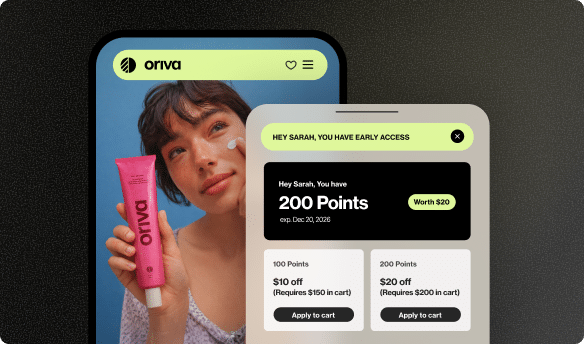
This is where Yotpo Loyalty comes in. A loyalty program is a special way to reward your customers for continuing to shop with you. It might be points they earn for every purchase, special discounts, or exclusive access to new products. By using a powerful tool like Yotpo Loyalty, you can create programs that make customers feel valued and encourage them to keep coming back. This builds stronger relationships, boosts repeat purchases, and indirectly creates a more vibrant online presence that search engines eventually pick up on. It’s about building a community around your brand, which naturally leads to more visibility and organic mentions online.
How to Check if Your Product Page SEO is Working
After all that hard work optimizing your product pages, you’ll want to know if it’s actually paying off! Luckily, there are straightforward ways to check your progress. You don’t need to be a tech wizard to see if your efforts are making a difference.
Here’s how you can peek behind the curtain:
- Look at Your Website Traffic: This is the most basic step. Are more people visiting your product pages than before? Many website platforms (like Shopify or WordPress) have built-in tools that show you how many visitors your pages get. If the numbers are going up, that’s a good sign!
- Check Keyword Rankings: Remember those keywords you picked earlier? You can use simple tools (some even free!) to see if your product pages are starting to show up higher in search results when you type in those specific keywords. Moving from page five to page one of Google for an important keyword is a huge win!
- Use Google Search Console: This is a free tool from Google itself. It gives you a lot of information directly from Google about how your website is performing in search. It can show you which of your pages are appearing in search results, what search terms people are using to find them, and if there are any technical problems Google found on your site. While it might look a bit complex at first, even just checking the basic traffic and keyword reports can be incredibly insightful.
- Watch Your Sales: Ultimately, the best measure of success for product page SEO is an increase in sales. If more people are finding your products and buying them, then your SEO efforts are likely hitting the mark!
Monitoring these things regularly helps you understand what’s working well and what might need a little more attention. SEO is an ongoing process, so checking in often allows you to make smart adjustments and keep improving.
Common Mistakes to Avoid in Product Page SEO
Even with the best intentions, it’s easy to trip up on a few common mistakes when doing product page SEO. Knowing what to avoid can save you a lot of time and help your products get found faster. Think of these as important warnings on your SEO journey:
-
Keyword Stuffing:
This is when you try to cram as many keywords as possible into your product description, title, or other text, hoping search engines will notice. It ends up looking unnatural and robotic (e.g., “Buy best blue dog bed, comfortable blue dog bed, soft blue dog bed, shop blue dog bed here!”). Search engines are very smart now and can spot this. They prefer natural, helpful content, and “keyword stuffing” can actually hurt your rankings.
-
Thin Content:
This means your product page doesn’t have enough helpful information. Maybe it’s just a picture and a two-sentence description. Search engines want to show users the most comprehensive and useful pages. If your page is “thin” on content, it likely won’t rank well because it doesn’t give shoppers enough to go on. Always aim for rich, detailed, and helpful descriptions.
-
Slow Loading Pages:
As we talked about, nobody likes waiting. If your product page takes a long time to load (more than a few seconds), visitors will click away before they even see your product. Search engines know this and prioritize faster pages. Make sure your images are optimized (not too big), and your website’s technical side is running smoothly.
-
Ignoring Mobile Users:
A huge chunk of online shopping happens on phones and tablets. If your product page looks messy or is hard to navigate on a mobile device, you’re missing out on a massive number of potential customers. Always test your pages on different devices to ensure they’re mobile-friendly.
-
Not Updating Product Information:
If your product details, availability, or prices are outdated, it’s not only confusing for customers but also a missed opportunity for SEO. Keep your pages fresh and accurate. Regular updates show search engines that your content is current and relevant.
-
Forgetting About Customer Trust & Engagement:
While not a direct “mistake,” neglecting elements like customer reviews and encouraging user-generated content means you’re missing out on powerful signals that both search engines and customers value greatly. These elements add fresh content, social proof, and keyword-rich language that can significantly boost your page’s appeal and ranking.
Avoiding these common pitfalls will help ensure your product page SEO efforts are more effective and lead to better results for your online store.
Putting It All Together: A Plan for Your Product Pages
Ready to make your product pages shine? Here’s a simple step-by-step plan you can follow to get your product page SEO on track. Think of it as your recipe for success!
| Step | Action | Why it Matters |
|---|---|---|
| 1. Research Keywords | Find the specific words and phrases your customers use when searching for your products. Think like them! | Helps search engines understand what your page is about and connect it with the right shoppers. |
| 2. Write Great Descriptions | Create detailed, engaging, and unique product descriptions that highlight benefits. Naturally include your keywords. | Informs customers, answers their questions, and provides rich content for search engines. |
| 3. Add Amazing Visuals | Use high-quality images and videos. Remember to add descriptive “alt text” to all your images. | Attracts and engages shoppers, helps describe the product, and provides more context for search engines. |
| 4. Get Customer Reviews | Encourage customers to leave honest reviews. Tools like Yotpo Reviews make this easy! | Builds trust, adds fresh, keyword-rich content, and acts as powerful social proof for shoppers and search engines. |
| 5. Make Page Fast & Mobile-Friendly | Ensure your product page loads quickly and looks great on any device, especially phones. | Keeps visitors from leaving out of frustration and signals to search engines that your page offers a good user experience. |
| 6. Think About Loyalty | Consider how you can keep customers coming back. Tools like Yotpo Loyalty can help you build strong customer relationships. | Happy, loyal customers create positive signals for your brand, encourage word-of-mouth, and contribute to overall brand visibility. |
| 7. Keep Checking & Improving | Regularly look at your traffic, keyword rankings, and sales. Make small adjustments as needed. | SEO is an ongoing process. Monitoring helps you understand what’s working and how to get even better results. |
Following this plan will not only make your product pages more visible to search engines but also make them more appealing and useful to your customers. It’s a win-win!
Conclusion
So, what is Product Page SEO? It’s simply the art and science of making your online product pages super easy for search engines to find and understand, and delightful for real people to use. It’s about putting your best products in front of the right eyes at the right time. By focusing on smart keywords, technical details, amazing content, and, crucially, building trust with customer reviews and fostering loyalty through programs like Yotpo Loyalty, you’re not just improving your search rankings.
You’re creating a better shopping experience for everyone. A well-optimized product page isn’t just a digital storefront; it’s a welcoming and helpful guide that leads customers directly to what they’re looking for, turning browsers into happy buyers, and helping your online store truly thrive. Keep learning, keep optimizing, and watch your products get discovered!










 Join a free demo, personalized to fit your needs