









What is a Helpdesk?
Imagine you buy a cool new toy, but when you get home, a piece is missing, or you can can’t figure out how to make it work. What do you do? You probably ask an adult for help, right? In the world of businesses, when customers need help with a product or service, they don’t usually ask a random grown-up. Instead, they reach out to a special team or system designed to solve their problems. This special team or system is called a helpdesk. It’s like a friendly guide always ready to lend a hand!
Why Do Businesses Need a Helpdesk?
Think about a store, whether it’s a big shop you walk into or an online store on your computer. When you buy something, you expect it to work well. But sometimes, things go wrong, or you simply have a question. That’s totally normal! Businesses know this, and that’s why they have helpdesks. A helpdesk isn’t just about fixing things; it’s about keeping you, the customer, happy and making sure you have a good experience.
Keeping Customers Happy
No one likes feeling confused or having a problem they can’t solve. If a business doesn’t help its customers when they need it, those customers might get frustrated and go somewhere else next time. A good helpdesk makes sure customers feel heard and supported. When your problem gets fixed quickly and politely, you feel much better about the business and might even tell your friends what a great job they did!
Making Things Easier
A helpdesk isn’t just for big problems. Sometimes, you just need a quick answer, like “How do I change my password?” or “What’s the best way to clean this product?” Instead of customers having to guess or spend a long time searching, a helpdesk provides easy ways to get those answers. This saves everyone time and makes the whole experience of using a product or service much smoother.
Learning and Growing
When a helpdesk gets lots of questions about the same thing, it tells the business something important. Maybe the instructions for a product aren’t clear, or a certain part often breaks. By keeping track of these common problems, businesses can learn how to make their products or services even better. It’s like getting helpful ideas directly from the people who use what you sell! A helpdesk is a super important ear for listening to customers.
What Kinds of Problems Do Helpdesks Solve?
Helpdesks handle all sorts of questions and issues. It’s like they’re detectives for customer problems, trying to figure out what went wrong and how to make it right. Here are some common types of problems they tackle:
- Technical Troubles: “My game isn’t loading on my tablet!” or “The app keeps crashing!” These are questions about how technology works, or doesn’t work, for you.
- Billing Questions: “Why was I charged twice for my subscription?” or “Can I get a refund for this item?” These deal with money, payments, and invoices.
- Product Information: “How do I use this new feature?” or “What’s the difference between these two types of sneakers?” Sometimes you just need to understand something better.
- Order Issues: “Where is my package? It was supposed to arrive yesterday!” or “I received the wrong color shirt!” These are about things you’ve ordered that haven’t quite gone as planned.
- Feedback and Suggestions: “I wish your app could do this cool new thing!” or “I really loved how easy it was to set up my new speaker.” Helpdesks can also collect ideas and compliments.
No matter the issue, the goal is always the same: help the customer and find a good solution.
How Does a Helpdesk Work?
It’s like a special journey for your problem, designed to get you the help you need as quickly and smoothly as possible. Let’s walk through how it usually works.
Step 1: You Reach Out (Creating a Ticket)
When you have a question or a problem, you need to tell the business about it. This is usually called “creating a ticket” because your problem gets logged like a special entry. There are many ways to do this:
- Phone Call: This is often the fastest way if you need to talk to someone right away. You call a special number, and a friendly person answers to help you.
- Email: Good for questions that aren’t super urgent. You write down your problem, send it, and wait for a reply.
- Live Chat: Imagine texting with an expert! Many websites have a little chat bubble where you can type your question and get a quick response from a helpdesk agent.
- Help Portal or Website Form: Many businesses have a special page on their website where you can type in your question, choose what kind of problem you have, and send it directly. It’s like filling out a form.
- Social Media: Sometimes, you can even send a message to a business on their social media pages, and their helpdesk team will respond there.
No matter how you reach out, your message becomes a “ticket” in the helpdesk system.
Step 2: The Helpdesk Receives Your Message
Once your message arrives, the helpdesk system takes over. It might automatically send you a message saying, “We got your question, and we’re working on it!” This lets you know your problem hasn’t disappeared into thin air. The system often sorts tickets too, sending technical questions to tech experts and billing questions to billing experts. This makes sure the right person sees your problem.
Step 3: Finding the Answer
A helper (often called a “support agent” or “customer service representative”) will look at your ticket. They’ll read your question carefully and then start looking for the best answer. They might:
- Check a special internal library of solutions (called a knowledge base).
- Ask another expert on their team.
- Look up your account details to understand your situation better.
- Do some troubleshooting steps themselves.
They do their best to find the most accurate and helpful solution for you.
Step 4: Getting Back to You
Once they have an answer or need more information, they’ll contact you using the same way you reached out (email, chat, phone). They’ll explain the solution, give you instructions, or ask for more details if they need them to fully understand your problem. They’ll work with you until the problem is clear and the solution is in sight.
Step 5: Problem Solved!
Hooray! Your issue is fixed, your question is answered, and you can go back to enjoying your product or service. The helpdesk helper will then close your ticket, marking it as resolved. Sometimes, they might ask you if you were happy with the help you received, which is a great way for them to learn and improve!
Different Kinds of Helpdesks
Not all helpdesks are the same! Just like there are different kinds of schools or different kinds of doctors, there are different types of helpdesks, each with a special job.
Internal Helpdesks
These are for people *inside* a company. Imagine an office where someone can’t get their computer to turn on, or they need help using a new software program for work. They wouldn’t call the company’s customer service number. Instead, they’d contact their internal helpdesk, sometimes called an “IT helpdesk.” This team helps all the employees in the company stay productive and solve their work-related tech problems. It’s like the school tech support, but for grown-ups at work!
External Helpdesks
These are the ones we usually think about when we say “helpdesk.” These helpdesks serve the customers who buy the company’s products or services. If you call a phone company because your internet isn’t working, or chat with an online store about a missing order, you’re talking to an external helpdesk. Their job is to make sure customers are happy and have a good experience with what the business sells. These are the helpdesks we’ve mostly been talking about so far in this article.
Some businesses might even have both kinds! They’ll have one team to help their employees and another to help their customers.
Important Tools for a Great Helpdesk
To do their job well, helpdesks use special tools and systems. These tools help them stay organized, find answers quickly, and communicate effectively. Think of them like the special gadgets a superhero uses!
- Ticket Management System: This is like a super organized to-do list for all customer questions. It keeps track of every problem, who is working on it, and when it needs to be solved. This ensures no question gets forgotten!
- Knowledge Base: This is a giant library of answers to common questions and step-by-step guides. Imagine a big book filled with “how-to” instructions. Helpdesk agents use it to find solutions quickly, and sometimes customers can even look through it themselves to find answers without needing to ask for help! Like Yotpo’s FAQs!
- Communication Channels: These are all the different ways customers and helpdesk agents can talk to each other – phones, email, live chat, and even social media. A good helpdesk offers many options so customers can choose the one that works best for them.
- Reporting Tools: These tools help the business see what’s working well and what isn’t. They can show how many tickets are coming in, how quickly problems are being solved, and what the most common issues are. This helps the helpdesk get even better at its job over time!
The Superpower of Happy Customers
Solving problems is great, but what happens next? When customers get amazing help, they feel good about the business. They might even tell their friends! That positive feeling is incredibly powerful for any business.
Turning Problems into Positive Stories with Reviews
Imagine you had a problem with your favorite online store, but their helpdesk agent was super friendly and fixed it fast. How would that make you feel? You’d probably be relieved and happy, right?
This is where things like customer reviews come in handy! After a great experience, a business might ask you to share your thoughts. These thoughts are called user-generated content, and they are like tiny stories from real people about their experiences. Learn more about what user-generated content is.
Businesses use special tools, like Yotpo Reviews, to collect these stories. When other people see positive reviews about how a business helps its customers, they feel more comfortable buying from them. It’s like getting a recommendation from a friend! Discover how Yotpo Reviews helps businesses collect and display customer feedback.
Not only do reviews help new customers, but they also help the business itself. By looking at what customers say, businesses can understand what’s going well and what needs to be better. Maybe many customers have the same problem? The helpdesk can then get better at solving it, or the business can even change its product to fix the issue before it starts!
Asking for reviews after a positive helpdesk interaction is a smart move. It reinforces the good feeling and gives the customer a chance to praise the service they received. This helps other potential customers in their consumer decision-making process, showing them that the company cares and is good at taking care of its buyers. Understand how user-generated content influences decisions.
Beyond Solving Problems: Building Loyalty and Friendship
A helpdesk fixes problems, but businesses want more than just fixed problems. They want customers to stick around and become loyal fans! They want to build a long-lasting relationship with you.
Think of it like this: your friend helps you when you’re stuck, and because they’re so helpful, you want to keep being friends with them. Businesses want that kind of friendship with their customers too! They want you to feel special, understood, and happy every time you interact with them.
Rewarding Great Relationships with Loyalty Programs
This is where customer loyalty programs come in. These are special clubs where businesses say “thank you” for choosing them again and again. Even after a great helpdesk experience, imagine getting points for your purchase, or a special discount just for being a loyal customer. It’s like getting a bonus for being a good friend!
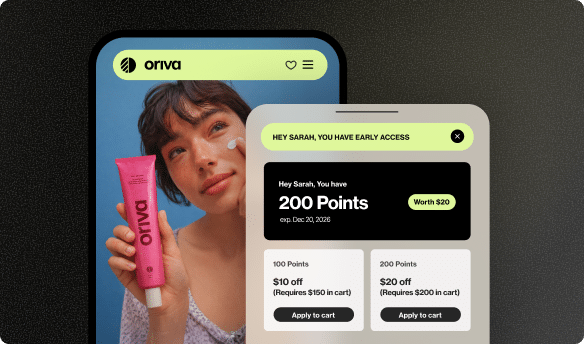
Tools like Yotpo Loyalty help businesses create these awesome programs. With Yotpo Loyalty, customers can earn points when they buy things, when they tell a friend about the store (which is called a referral!), or even when they celebrate their birthday! These points can then be used for discounts or special items, making shopping even more fun and rewarding. Explore how Yotpo Loyalty helps businesses build stronger customer relationships.
A helpdesk can save a customer who had a bad experience, but a loyalty program encourages them to come back and rewards them for doing so. It’s a powerful combination! When customers feel valued and rewarded, they are much more likely to return, increasing their customer retention for the business. This means the business keeps its customers instead of losing them to competitors. Discover more ways to improve customer retention.
These programs can be simple, like earning 1 point for every dollar spent, or more advanced, with different levels and special perks for VIPs. The goal is always the same: make customers feel special and thank them for their business. See some of the best loyalty programs out there.
Businesses that use loyalty programs often see customers coming back more often and spending more money. This is because they’re not just buying a product; they’re part of a club where they get extra benefits. It also creates a wonderful opportunity for word-of-mouth marketing, as happy, loyal customers often share their positive experiences with others, helping the business grow even more. Understand the power of word-of-mouth marketing.
How a Helpdesk, Reviews, and Loyalty Work Together for Amazing Experiences
So, we’ve learned that a helpdesk is like a friendly problem-solver. But for businesses to truly shine, they need to do more than just fix things. They need to understand their customers, make them feel heard, and keep them coming back for more.
Imagine a customer who buys a product. If they have a problem, the helpdesk is there to swiftly help them. After their problem is solved, they might be asked to leave a review, sharing their good experience with others. This positive review builds trust and helps new customers decide to buy, knowing they’ll be taken care of. Understand the importance of ecommerce product reviews.
Then, because they’ve had a great experience and feel good about the brand, that customer might join a loyalty program. Now, every time they shop, they earn points or get special discounts, making them feel even more connected to the business. It makes them feel like a valued friend.
It’s like a happy circle, where every part supports the other:
- Customer buys something.
- Helpdesk solves any issues quickly and kindly.
- Customer leaves a positive review (thanks to the good help!), building trust for others. Learn how to ask for reviews effectively.
- New customers see the great reviews and trust the business enough to make a purchase.
- Existing customers are rewarded through loyalty programs, encouraging them to return again and again.
- The business learns from all the reviews and data, making their products and helpdesk even better!
This combination helps businesses create what we call a fantastic ecommerce customer experience. It’s about making every step of the customer’s journey, from first look to repeat purchase, smooth and enjoyable. It’s how businesses build a strong community of happy, loyal fans! Dive deeper into ecommerce customer experience.
What Makes a Helpdesk Super Helpful? (Quick Summary Table)
Let’s take a quick look at some key parts of a helpdesk and why they matter for you!
| Helpdesk Feature | Why It’s Great for the Business | How It Helps You (the Customer) |
|---|---|---|
| Ticket System | Keeps all your questions organized and ensures none are missed. | Your problem won’t get lost, and someone will always be working on it! |
| Knowledge Base | A library of answers to common questions, helping agents find solutions fast. | You might find the answer yourself, super fast, without even needing to ask! |
| Live Chat | Allows for quick, real-time conversations with customers. | Like texting with a helper right away to get immediate answers. |
| Friendly & Smart Helpers | These are the people ready to solve problems and make customers feel good. | You feel understood, get real solutions, and have a pleasant interaction. |
| Feedback Options | Allows businesses to understand how well they helped you and where to improve. | You can help the business get even better! (And maybe leave a great review for others!) |
Final Thoughts: A Helping Hand for Everyone
So, a helpdesk isn’t just about fixing broken things; it’s about being a friendly, helpful hand for customers. It’s about making sure that when you have a question or a problem, there’s always someone or something there to guide you and make your experience better. It’s a core part of any business that truly cares about the people who buy from them.
And when businesses combine that great help from their helpdesk with powerful tools like Yotpo Reviews to listen to customers’ stories and Yotpo Loyalty to reward them for sticking around, they’re not just solving problems—they’re building long-lasting friendships and a truly amazing experience for everyone who chooses them. It’s all about making customers happy and keeping them coming back, creating a wonderful world of satisfied shoppers!










 Join a free demo, personalized to fit your needs