








What is a Brand Voice?
Imagine your favorite cartoon character. Does Bugs Bunny talk like Darth Vader? Of course not! Each character has a special way of speaking that makes them unique and easy to recognize. In the world of business, brands are a lot like those characters. They need their own special way of talking and writing, too. This unique way of communicating is what we call a brand voice.
Think of it as the personality of a brand. It’s how a company sounds when it talks to you, whether it’s through a social media post, an email, or even the words on their website. It’s more than just what they say; it’s how they say it. A strong brand voice helps people understand what a company is all about and makes them feel a connection.
Understanding Your Brand’s Personality
So, what exactly makes up a brand voice? It’s all about personality! Just like people, brands can be funny, serious, friendly, smart, or even a little bit quirky. When a brand uses its voice consistently, it becomes much easier for customers to remember and connect with. It builds a sort of relationship, don’t you think?
A good brand voice is like a secret ingredient that helps a company stand out from all the others. Without it, a brand might sound boring or just like everyone else. But with a clear, unique voice, a brand can truly shine and make a lasting impression on its customers. It’s about being authentic and showing who you truly are.
Why is Brand Voice So Important for Businesses?
You might be wondering, “Why bother with all this voice stuff?” Well, a strong brand voice does a lot of important things for a business. Let’s break down some of the biggest reasons why it’s a game-changer.
Building Connection and Trust
When a brand consistently uses its voice, it starts to feel familiar. This familiarity helps people feel like they know the brand, and knowing someone is the first step to trusting them. Imagine a friend who always tells you jokes and makes you laugh. You trust them to bring joy, right? A brand can do the same. If a brand’s voice is always helpful and clear, you’ll start to trust that they’re there to assist you.
Customers want to feel like they’re interacting with a real entity, not just a faceless company. A well-defined brand voice injects humanity into every interaction, fostering a sense of warmth and reliability. This emotional connection is a powerful tool in building long-term relationships.
Making Your Brand Memorable
In today’s busy world, there are so many brands trying to get our attention. A unique brand voice helps a company cut through the noise. Think about brands that you can recognize just by a few words or a certain style of communication. That’s brand voice in action! It sticks in your mind and makes the brand instantly recognizable, even if you just read a tiny snippet.
This memorability is key for staying top-of-mind. When potential customers need a product or service you offer, a distinct voice helps them recall your brand first. It’s a competitive advantage that goes beyond just what you sell.
Setting You Apart from the Crowd
Plenty of companies sell similar products or services. So, how does one stand out? Often, it’s their personality – their brand voice. If two toy stores sell the same action figures, but one speaks to parents with a reassuring, knowledgeable tone, and the other uses a playful, exciting voice to speak directly to kids, they both attract different people and create different experiences. Each voice builds a distinct identity.
Your brand voice is a unique differentiator. It highlights what makes your company special and why customers should choose you. It’s not just about what you offer, but the entire experience you create, right down to the words you use.
Guiding Your Marketing and Content
A clear brand voice acts like a compass for all your communication. It helps your team know exactly how to write emails, social media posts, website content, and even product descriptions. This ensures that everything a company puts out sounds like it came from the same place, making the brand feel unified and professional. No more guessing games about how to phrase things!
When everyone on your team understands and applies the brand voice, your marketing efforts become much more effective and cohesive. This consistency helps reinforce your brand’s identity at every touchpoint, from the moment someone discovers you to long after they become a customer.
How to Discover Your Brand’s Unique Voice
Finding your brand voice isn’t always easy, but it’s a fun and important journey. It’s like finding the perfect outfit that truly expresses who you are. Here’s how businesses often go about it:
1. Who Are You Talking To? (Your Audience)
The first step is to really know your audience – the people you want to reach. Are they kids, teenagers, parents, or business owners? What do they like? What makes them laugh? What problems do they have that your brand can solve? Knowing your audience helps you speak their language and connect with them in a way that feels natural and helpful.
For example, if you’re selling school supplies to parents, your voice might be helpful and organized. If you’re selling video games to teenagers, your voice might be exciting and a bit cheeky. Understanding who your customers are is the bedrock of crafting a voice that resonates.
2. What’s Your Brand’s Personality?
If your brand were a person, how would you describe them? Are they a wise old professor, a friendly next-door neighbor, a cool trendsetter, or an energetic coach? Brainstorming personality traits can help you define how your brand sounds. Here are some examples of personality traits to consider:
- Friendly: Warm, approachable, uses simple language.
- Bold: Confident, direct, uses strong verbs.
- Playful: Humorous, lighthearted, uses puns or playful language.
- Informative: Clear, factual, focuses on education.
- Elegant: Refined, sophisticated, uses precise language.
Choosing a few core personality traits helps everyone on your team understand the ‘vibe’ of your brand. It gives them a clear picture to follow when they’re writing or talking about your company.
3. What Are Your Brand’s Core Values?
Every brand stands for something. What does your company truly believe in? Is it quality, innovation, customer happiness, or making the world a better place? Your brand’s values should shine through in its voice. If you value transparency, your voice should be open and honest. If you value adventure, your voice might be inspiring and exciting.
These values aren’t just for your internal team; they’re what your brand communicates to the world. They help customers understand what drives your business and why they should care. Make sure your voice always supports these foundational beliefs.
4. Reviewing What Works (and What Doesn’t)
Look at what your brand is already putting out there. Does it sound consistent? Do your customers react well to it? Sometimes, you might find that certain words or phrases don’t land well, or that your team sounds a bit different depending on who’s writing. This review helps you fine-tune your voice and make it even better.
You can even look at brands you admire. Not to copy them, but to see how they use their voice effectively. What aspects of their communication do you find compelling? This introspection helps refine your own approach.
Key Elements of a Powerful Brand Voice
Once you have a good idea of your brand’s personality and who you’re talking to, it’s time to think about the specific parts that make up its voice. These are the tools you’ll use to make your brand sound just right.
Tone of Voice
The tone is how your voice sounds in different situations. It’s like how you might speak gently to a child but more formally to a teacher. Your brand’s overall voice stays the same, but its tone can change. For instance, a friendly brand might use an excited tone for a new product announcement but a sympathetic tone for a customer service issue. Some common tones include:
- Enthusiastic: Full of excitement and energy.
- Informative: Clear, helpful, and educational.
- Empathetic: Understanding and caring.
- Witty: Clever and humorous.
- Direct: Straight to the point, no fluff.
Understanding when to adjust your tone is crucial for effective communication. It shows your brand is adaptable and sensitive to different contexts, without losing its core identity.
Language and Vocabulary
The words you choose are incredibly important. Does your brand use simple, everyday language, or more specialized terms? Does it use slang or formal words? Do you use contractions (like “it’s” instead of “it is”)? The vocabulary you pick helps shape your brand’s intelligence level and approachability.
For example, a brand selling high-tech gadgets might use some technical terms but explain them clearly, while a brand selling handmade crafts might use more descriptive, heartwarming words. Consistency in language helps establish credibility and makes your message clear.
Sentence Structure and Pacing
How you put sentences together also plays a role. Does your brand use short, punchy sentences that get straight to the point? Or longer, more descriptive sentences that invite the reader to delve deeper? The rhythm of your writing affects how your message is received.
A brand aiming for a quick, energetic feel might use lots of short sentences. A brand focused on detailed explanations might use more complex structures. Think about how the flow of your words impacts the overall feeling.
Brand Voice in Action: Where You Use It
Your brand voice isn’t just for your website’s “About Us” page. It needs to be everywhere your brand communicates with the world. Think of it as your brand’s consistent outfit, worn for every occasion.
Your Website and Blog
Every page on your website, from product descriptions to help articles, should reflect your brand voice. Your blog posts should sound like they’re written by the same personality, making them more engaging and trustworthy. It’s the first place many people encounter your brand, so make that first impression count!
Social Media Posts
Social media is a huge playground for brand voice. Whether it’s a funny tweet, an inspiring Instagram caption, or a helpful Facebook post, your brand’s personality should shine through. This helps create a community and encourages people to interact with your brand.
Customer Service and Support
Even when a customer has a problem, your brand voice can make a difference. Responding with empathy and helpfulness, while still sounding like your brand, can turn a negative experience into a positive one. Whether it’s an FAQ page or a direct chat, your voice guides the interaction. Do you want to learn more about improving customer experience? Take a look at these resources on ecommerce customer experience.
Emails and Marketing Messages
Every email you send – from newsletters to shipping confirmations – is a chance to reinforce your brand voice. It helps keep your brand top-of-mind and builds a consistent relationship with your customers. A consistent voice in your marketing helps drive better engagement and conversions. You can see how important consistent messaging is when looking at ecommerce conversion rates.
Product Packaging and Instructions
Believe it or not, even the words on your product’s box or in its instruction manual are part of your brand voice! Does your packaging use fun, playful language, or clear, direct instructions? These small details contribute to the overall brand experience.
Building Trust and Loyalty with Your Brand Voice
A well-crafted and consistently used brand voice isn’t just about sounding good; it’s a powerful tool for building genuine trust and long-lasting loyalty with your customers. When customers feel like they know your brand’s personality, they’re more likely to stick around and even tell their friends about you. Why is that?
When your brand voice is consistent, it builds reliability. People know what to expect from you. This predictability fosters trust, making customers feel comfortable engaging with your brand again and again. It’s like having a friend who always acts like themselves – you know who they are, and you trust their character.
How Customer Feedback Reflects and Reinforces Your Voice
Think about how people talk about your brand. When customers share their experiences, what words do they use? Often, their language mirrors the brand voice you’ve worked so hard to create. If your brand is playful, you might see customers describing their experience as “fun” or “hilarious” in their feedback. This user-generated content (UGC) is incredibly powerful, as it’s authentic proof that your voice is connecting with people.
This is where collecting and showcasing customer feedback becomes a real game-changer. When you use tools like Yotpo Reviews, you can gather honest opinions from your customers. Not only do these reviews help other potential buyers, but they also give you insights into how your brand voice is being perceived. When customers leave glowing reviews, their words often reflect the positive emotions your brand voice inspires. For example, if your brand’s voice is known for being helpful and caring, you’ll likely see reviews praising your excellent customer service and friendly interactions. Want to learn more about how to ask for reviews? Check out these tips on asking customers for reviews.
Furthermore, how your brand responds to these reviews also highlights your voice. A brand with a friendly voice will reply kindly and helpfully, while a more direct brand might respond with clear, concise solutions. These interactions show that your brand’s personality isn’t just for marketing; it’s part of every customer touchpoint.
Building a Community with Loyalty Programs
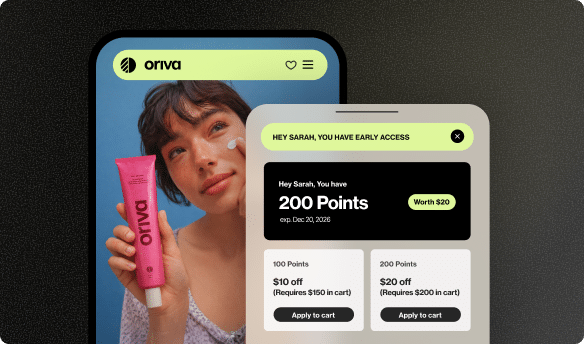
Beyond individual feedback, a strong brand voice is also essential for creating a sense of community around your brand. This is where Yotpo Loyalty comes into play. A loyalty program isn’t just about giving discounts; it’s an extension of your brand’s personality.
The language you use to name your loyalty program, explain its tiers, and describe its rewards all contribute to your brand voice. Is your loyalty program named something fun and adventurous? Or something exclusive and sophisticated? The way you communicate with your most loyal customers through these programs truly defines their experience. A consistent voice here makes members feel like they’re part of something special, a club that shares the values and personality of your brand.
For example, if your brand voice is all about empowering customers, your loyalty program might celebrate their achievements with motivational language. If your voice is about fun and playfulness, your program might have quirky rewards and engaging challenges. This consistent experience across all loyalty interactions helps foster deeper connections and turn casual buyers into enthusiastic brand advocates. You can find out more about the best loyalty programs and how they work.
When your brand voice is strong and consistent, it becomes a beacon that attracts and retains customers who truly connect with what you stand for. It transforms transactions into relationships, turning one-time buyers into dedicated fans.
Making Your Brand Voice Consistent Across All Channels
Having a great brand voice is one thing, but making sure everyone on your team uses it correctly, all the time, is another challenge. Consistency is key here. Think of it like a band playing a song – if one musician plays a different tune, the whole song sounds off. The same goes for your brand voice.
Create a Brand Voice Guide
The best way to ensure consistency is to create a simple guide for your team. This guide can include:
- Examples of words to use (and words to avoid).
- How to adjust the tone for different situations (e.g., social media vs. a serious customer complaint).
- Examples of good and bad writing that fit your brand.
- A clear definition of your brand’s personality traits.
This guide acts as a rulebook that helps everyone stay on the same page, ensuring that every piece of communication sounds like your brand.
Train Your Team
Just giving your team a guide isn’t enough. You need to talk to them about it! Explain why brand voice is important and how to use the guide. Practice writing in your brand’s voice together. The more your team understands and practices, the more natural and consistent your brand voice will become.
Review and Refine
Brand voice isn’t something you set and forget. As your brand grows and changes, your voice might need small tweaks. Regularly review your communications to see if they still sound like your brand. Are new team members getting it right? Are customers responding well? This ongoing check-up helps keep your voice fresh and relevant.
By consistently applying and refining your brand voice, you strengthen your brand’s identity and build deeper connections with your audience. It’s a continuous process that pays off in loyalty and recognition.
Bringing It All Together: Your Brand’s Unique Story
So, what is a brand voice? It’s the unique personality and emotion that a brand uses in all its communications. It’s the special way a company speaks, writes, and connects with people. From the words on a website to responses to customer feedback, your brand voice tells your story.
A well-defined brand voice helps you build trust, stand out, and create lasting relationships with your customers. It’s not just about what you sell, but the entire experience you offer. By carefully choosing your words, adjusting your tone, and being consistent everywhere, you can make your brand truly unforgettable.
Remember, your brand voice is a powerful asset. It allows you to express who you are, what you care about, and why customers should choose you. When done right, it makes customers feel like they’re connecting with a real, authentic friend, not just another business. By understanding and developing your unique brand voice, you are setting your business up for powerful connections and long-term success.










 Join a free demo, personalized to fit your needs