


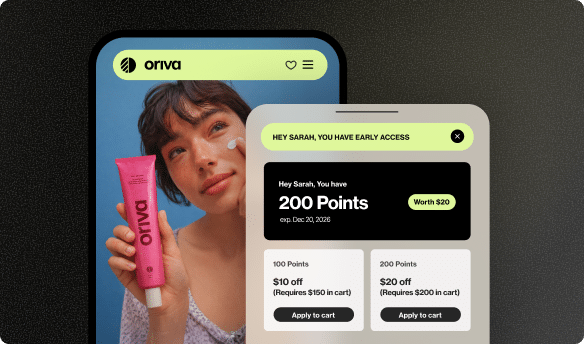






Experiential loyalty is a sophisticated customer retention strategy that focuses on rewarding loyal customers with memorable, valuable experiences rather than purely transactional benefits like discounts or cashback. This approach recognizes that in a competitive market, a deep emotional connection to a brand is often more powerful than a simple financial incentive. By offering unique, money-can’t-buy perks, businesses can make their most loyal customers feel like true insiders, transforming the customer-brand relationship from a transactional one into a meaningful, community-driven partnership.
Examples of experiential rewards can vary widely but often include invitations to exclusive members-only events, early access to new product launches before the general public, personalized consultations with brand experts, access to a private online community, or surprise gifts that demonstrate a deep understanding of the customer’s preferences. The primary goal of experiential loyalty is to generate positive emotions and lasting memories associated with the brand. These positive feelings not only foster stronger loyalty and higher lifetime value but also generate powerful organic marketing, as customers are highly likely to share these unique experiences with their friends and on social media, creating authentic user-generated content and word-of-mouth buzz.
Experiential Loyalty FAQs
What is experiential loyalty?
Experiential loyalty is a strategy that rewards customers with unique and memorable experiences, such as exclusive access to events or personalized services, to build a deep emotional connection with a brand.
Why is experiential loyalty important?
Experiential loyalty is important because it differentiates a brand from competitors who focus only on price, fostering a stronger, more resilient customer relationship that isn’t easily broken by a competitor’s discount.
What are some examples of experiential rewards?
Examples of experiential rewards include VIP access to brand-sponsored events, early access to new product drops, a private consultation with a stylist or expert, or an invitation to a members-only online community.
How does experiential loyalty differ from a points-based program?
Experiential loyalty differs from a points-based program by offering intangible, emotional rewards instead of purely transactional ones, focusing on making customers feel special rather than just saving them money.
How can a small business offer experiential rewards?
A small business can offer experiential rewards by providing personalized thank-you videos, giving early access to new inventory, hosting a small local event for top customers, or creating an exclusive Facebook group for them.
Does experiential loyalty increase customer retention?
Yes, experiential loyalty significantly increases customer retention by building a strong emotional bond that makes customers feel like part of an exclusive community, making them far less likely to switch to a competitor.










 Join a free demo, personalized to fit your needs