









What Exactly is an Exit Rate?
Imagine you’re visiting a giant online toy store. You walk into the LEGO section, then the Barbie aisle, and finally, you look at the video games. After checking out a specific video game, you decide to leave the store and go home. That last page you looked at, the video game page, is where you “exited” the store.
In the world of websites and online stores, an exit rate tells us how often people leave a website from a specific page. It’s like a count of how many times a particular page was the very last page someone saw before clicking away from the entire website.
It’s a really helpful number for online store owners because it can give them clues about what might be working well or what might need a little fix-up on their website. If lots of people are leaving from the same page, it might be trying to tell the store owner something important!
Exit Rate vs. Bounce Rate: A Friendly Showdown
Sometimes, people get exit rate and another term called bounce rate mixed up. They sound similar, but they tell us different things. Think of it like this:
- Bounce Rate: This is like someone walking into a store, taking one quick look, and immediately walking right back out without looking at anything else. On a website, it means someone visited just one page and then left the site from that very same page. They didn’t click on any other links or explore at all.
- Exit Rate: This is what we just talked about! It means someone visited a few different pages in the store (or website), explored a bit, and then left the store from a specific page they were on. They didn’t leave right away; they spent some time looking around first.
Here’s an example to make it super clear:
| Scenario | What Happened | Is it a Bounce? | Is it an Exit from the last page? |
|---|---|---|---|
| Visitor A | Page 1 → Leaves site | Yes | Yes (from Page 1) |
| Visitor B | Page 1 → Page 2 → Page 3 → Leaves site | No | Yes (from Page 3) |
See the difference? A high bounce rate on a page suggests that page might not be interesting or helpful enough to make people want to explore more. A high exit rate on a page simply means that page is often the last stop before someone leaves the site, whether that’s good or bad depends on the page’s purpose!
Why Should Online Stores Care About Exit Rates?
Understanding exit rates is a superpower for online store owners. It’s like having a secret map that shows you the pathways people take through your website and where they might be getting lost or deciding to go somewhere else. By paying attention to these numbers, stores can make their websites better and make more customers happy.
When you know which pages have high exit rates, you can start to ask “why?”. Is the page confusing? Is something broken? Is it just a natural place for someone to finish their visit? Answering these questions helps store owners improve what we call the customer journey – the path a customer takes from landing on the site to hopefully buying something or signing up for something cool.
Improving the customer journey is crucial for boosting the conversion rate, which is basically how many visitors turn into customers. Every little bit helps make the online shopping experience smoother and more enjoyable for everyone!
Common Pages with High Exit Rates (and what they mean!)
Not all high exit rates are bad news! The meaning of a high exit rate really depends on what kind of page it is. Let’s look at some examples:
- Checkout Success / Thank You Pages: If someone just finished buying something, they’ve done what you wanted them to do! So, a high exit rate on a “Thank You for Your Order” page is perfectly normal and actually a good sign. They completed their purchase, and now they’re ready to leave.
- Blog Posts or Resource Pages: People often visit these pages to read an article, learn something new, or find specific information. Once they get what they came for, they might leave. A high exit rate here could mean you provided exactly what they needed, which is great! For example, if someone lands on an article about what is user-generated content, reads it, and then leaves, they likely got their answer.
- “About Us” or Contact Pages: Similar to blog posts, visitors often come to these pages to find specific information, like who you are or how to reach you. After they get that info, they might leave.
- Product Pages: This is where a high exit rate can be a big clue! If lots of people are leaving your site right after looking at a product, it could mean a few things:
- The product wasn’t what they expected.
- There wasn’t enough information or good pictures.
- They couldn’t find what they were looking for easily.
This is where Yotpo Reviews can make a huge difference. When customers see lots of helpful reviews, photos, and even videos from other happy shoppers, it makes the product page much more appealing and trustworthy. It helps answer questions and build confidence, making people more likely to stay and perhaps even add the item to their cart! Using customer-shared photos and videos, also known as Visual User-Generated Content, keeps people engaged and helps them imagine owning the product.
- Shopping Cart Page: If many people are putting items in their cart but then leaving the site from the cart page, this is a red flag! It might mean:
- Shipping costs were too high or a surprise.
- The checkout process was confusing or too long.
- They couldn’t find their preferred payment method.
Optimizing the consumer decision-making process on these crucial pages is vital to prevent customers from abandoning their purchases.
How to Find Your Exit Rate
Finding the exit rate for any page on your website is actually pretty straightforward. Most online store owners use tools like Google Analytics, which is like a super-smart detective for website traffic. These tools do all the complicated math for you, but it’s good to understand how it works.
The calculation is simple: you take the number of times people left your site from a specific page and divide it by the total number of times that page was viewed. Then, you multiply by 100 to get a percentage.
Here’s the formula:
(Number of Exits from a Page ÷ Total Pageviews for that Page) × 100 = Exit Rate (%)
Let’s use an example:
Imagine your awesome new product page:
- It was viewed 500 times in a week.
- Out of those 500 times, 150 people left your entire website directly from that product page.
So, the calculation would be:
(150 ÷ 500) × 100 = 0.30 × 100 = 30%
This means your product page has a 30% exit rate. This number alone doesn’t tell you if it’s good or bad yet, but it gives you a starting point for investigation!
What’s a “Good” Exit Rate?
This is a trick question! There isn’t one magic number that makes an exit rate “good” or “bad” for every single page on every single website. It’s like asking “what’s a good score in a game?” It depends on the game and what you’re trying to achieve!
Here’s why it varies so much:
- Page Purpose: As we discussed, a “Thank You” page after a purchase should have a very high exit rate – that’s its job! A homepage, on the other hand, usually wants people to stick around and explore, so a very high exit rate there might mean something needs improvement.
- Industry Type: Different kinds of online stores or websites might have different average exit rates. A website full of technical articles might naturally have higher exit rates than a fun clothing store where people browse for longer.
- Your Own Website: The best way to know if your exit rate is “good” is to compare it to your own past performance. Is it going up or down? Are changes you made affecting it?
Instead of chasing a single perfect number, it’s smarter to understand your specific pages and their goals. What do you want people to do on that page? If a high exit rate stops them from doing that, then it’s something to look into. If a high exit rate means they completed their goal (like buying something), then it’s perfectly fine!
Super Sleuth: Investigating High Exit Rates
When you spot a page with an unexpectedly high exit rate, it’s time to put on your detective hat! Your goal is to figure out why people are leaving. Here are some common clues to investigate and what you might do to solve the mystery:
- Bad Page Design: Is the page messy? Are things hard to read? Is it confusing to know where to click next?
- Solution: Make the page clean, organized, and easy on the eyes. Use clear headings and plenty of space so it doesn’t feel overwhelming.
- Slow Loading: Does the page take a long time to show up on the screen? People are impatient online!
- Solution: Work on making your website load faster. This is important for keeping visitors happy.
- Missing Information: Do customers have questions about a product or service that aren’t answered on the page? Are they having to search elsewhere?
- Solution: Provide all the details upfront. For product pages, this is where Yotpo Reviews can be a real superstar! Customer reviews often provide answers to common questions and offer real-world insights that product descriptions might miss. Encouraging customers to ask questions and leave reviews helps build a rich source of information for future shoppers.
- Broken Links or Errors: Are buttons working? Do links lead to the right places? Nothing makes someone leave faster than a frustrating error message.
- Solution: Regularly check your website for broken links or glitches. Make sure everything works smoothly.
- Not Enough Trust: Do people feel safe buying from your store? If they’re on a product page or checkout, they need to feel confident.
- Solution: Show off your trustworthiness! Display social proof like customer reviews and ratings prominently. Tools like Yotpo Reviews help collect and showcase these, even contributing to things like Google Seller Ratings, which builds confidence even before someone clicks on your site.
- Overwhelming Page: Are there too many pop-ups, ads, or distractions that make it hard to focus on the main content?
- Solution: Keep pages focused. Limit distractions and make sure the main call to action is clear.
- Confusing Navigation: Is it hard for someone to figure out how to get to another page, like from a product page to the shopping cart, or back to a category?
- Solution: Make your website’s navigation simple and clear. Use easy-to-understand labels and menus.
- Unexpected Costs at Checkout: If people only see high shipping fees or extra taxes when they get to the checkout page, they might leave.
- Solution: Be upfront about costs. Show shipping estimates earlier or offer free shipping if possible. The easier and more transparent the path to purchase, the better the ecommerce customer experience will be.
Turning Exits into Engagements: Yotpo’s Role
Even if someone leaves your website, that doesn’t mean they’re gone forever! Smart online stores try to encourage visitors to come back and to make their experience so good that they don’t want to leave in the first place. This is where tools that improve customer connection and trust become super important.
Yotpo helps businesses create better online experiences that can naturally reduce unwanted exits and encourage visitors to return. Let’s look at how:
Yotpo Reviews: Building Trust and Keeping Eyes on the Page
- Makes Product Pages Shine: When customers land on a product page, seeing real reviews, photos, and videos from other buyers makes the product more exciting and helps them feel like they’re making a smart choice. These honest opinions build trust and can answer questions, making people more likely to stay and explore.
- Gathers Important Feedback: Collecting reviews isn’t just about showing them off. It helps you understand what customers love (and what they might not), so you can make products and pages even better.
- Showcases Visual Content: When people see how a product looks in real life through customer-shared photos and videos, it helps them imagine it for themselves. This can reduce confusion and make them feel more certain about a purchase, reducing the chance they’ll leave due to uncertainty.
By making product pages more engaging and trustworthy, Yotpo Reviews helps keep customers on your site longer and reduces those “question mark” exits from crucial shopping pages.
Yotpo Loyalty: Giving Reasons to Stay and Return
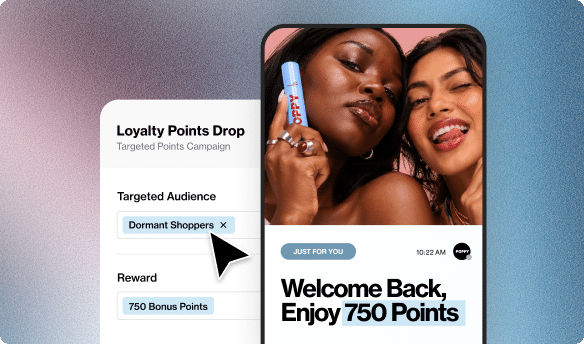
- Rewards for Staying: Imagine a store that gives you points every time you visit or buy something. That’s what a loyalty program does! Yotpo Loyalty helps businesses create special clubs where customers earn rewards. This makes shopping more fun and gives people a great reason to come back to your store instead of going to a competitor. You can learn more about best loyalty programs and how they work.
- Making Customers Feel Special: When customers are part of a loyalty program, they feel valued. This strong connection means they’re less likely to wander off and exit your site without completing a purchase, because they’re invested in your brand.
- Synergy for Engagement: Loyalty programs can even encourage customers to leave reviews! Imagine getting bonus points for sharing your thoughts on a product. This creates a wonderful circle where loyalty encourages reviews, which in turn enhances product pages, making them more attractive and helping to lower unwanted exit rates. This integrated approach ensures customers have multiple reasons to stay and engage, whether they are on a product page or learning about rewards.
By fostering a sense of community and reward, Yotpo Loyalty encourages visitors to stick around and become long-term fans, directly supporting customer retention and building a stronger customer base.
Making Every Page a Welcome Mat
Ultimately, a big part of reducing unwanted exits is to make sure every page on your website feels like a friendly welcome mat. Each page should have a clear purpose and guide the customer smoothly to the next step. Are you trying to get them to:
- “Add to Cart”?
- “Read More” about a topic?
- “Join Our Club” for rewards?
- “Sign Up” for newsletters?
When the path is clear, customers feel more confident and are less likely to get frustrated and leave. Thinking about what you want people to do on each page can help you design it better and create a more engaging experience.
The Big Picture: Why Exit Rates Matter for Your Business
Understanding exit rates is more than just looking at numbers; it’s about listening to what your visitors are trying to tell you. By investigating high exit rates on important pages, you can uncover hidden problems that might be making people leave your online store without buying anything.
Making smart changes based on exit rate data leads to a better experience for everyone who visits your site. When your website is easy to use, trustworthy, and engaging, visitors are happier. Happy visitors are much more likely to explore, find what they’re looking for, and eventually become happy customers. This focus on improving the customer experience is essential for strong ecommerce retention and long-term business success.
It’s all part of creating a great online store where people love to shop and keep coming back for more. Tools like Yotpo Reviews and Yotpo Loyalty play a vital role in building this kind of engaging, trustworthy, and rewarding environment that helps turn every visit into a positive step towards a loyal customer relationship.










 Join a free demo, personalized to fit your needs