









What is a Retention Curve?
Imagine you have a super fun new toy, like a cool remote-control car. When you first get it, you play with it all the time! But after a few weeks or months, maybe you play with it a little less, or maybe you find a new favorite toy. In the world of online shopping and businesses, something similar happens with customers. When a company gets new customers, lots of them are excited to buy things. But over time, some might stop coming back.
This is where a “retention curve” comes in! It’s a special kind of chart that helps businesses understand how good they are at keeping their customers. Think of it like a report card for how many people stick around after their first visit or purchase. It’s super important because keeping customers happy and coming back is one of the best ways for a business to grow.
Why Do Businesses Care About Keeping Customers?
You might be thinking, “Why don’t businesses just try to find new customers all the time?” That’s a great question! While finding new customers is certainly important, it can actually be much harder and cost more money than making sure your existing customers are happy enough to keep coming back.
Think about it this way:
- They already know you: Your existing customers already know your store, your products, and how you work. They trust you!
- They spend more: Happy customers who keep coming back often buy more things over time. They might even try new products you offer.
- They tell their friends: If someone loves a store, they’re much more likely to tell their friends and family about it. This is like free advertising! It’s called word-of-mouth marketing, and it’s super powerful.
- It saves money: Imagine having to convince someone new to trust your store every single time. It takes effort! With existing customers, much of that work is already done.
So, understanding how to keep customers is like having a secret superpower for businesses. It helps them build strong relationships and grow steadily.
Painting a Picture: What Does a Retention Curve Look Like?
A retention curve is a graph, a bit like a drawing that shows numbers and time. Let’s break down what you’d typically see on one of these charts:
Imagine a graph with two main lines:
- The bottom line (horizontal): This line shows time. It could be days, weeks, or months after a customer first did something, like making their first purchase.
- The side line (vertical): This line shows a percentage. It tells you what percentage of your customers are still active or have made another purchase at that specific point in time.
When you put these together, the retention curve usually starts very high, often at 100% (because all new customers are “retained” right after their first action). Then, as time goes by, the line typically slopes downwards. Why? Because, just like with your toy car, not everyone sticks around forever.
What Does the Slope Tell You?
- A steep drop: If the line goes down very fast, it means many customers are leaving quickly. This is like getting a new toy, playing with it once, and then forgetting about it! The business might need to figure out why customers aren’t sticking around.
- A gentle slope: If the line goes down slowly, it means many customers are staying. This is great! It means customers are happy and coming back for more.
- A flat line (at the end): Sometimes, after an initial drop, the line might flatten out. This “flat” part means that a certain group of customers are very loyal and continue to stick around for a long time. These are like your all-time favorite toys you never get tired of!
By looking at this line, businesses can see exactly how well they are keeping customers over different periods of time. It helps them spot if there’s a problem, or if their efforts to keep customers are working really well!
Cohort Power: Tracking Groups of Customers
When we talk about retention curves, there’s a fancy word called “cohort” that’s super important. Don’t worry, it’s not too complicated!
A cohort is simply a group of customers who all started at your business around the same time. For example:
- All the customers who made their first purchase in January are one cohort.
- All the customers who signed up for your newsletter in February are another cohort.
Why do businesses track cohorts? Because it helps them compare! If you launch a new super-duper customer loyalty program in March, you can look at the retention curve for the March cohort and see if they stick around longer than the January or February cohorts. This way, you can tell if your new program is actually helping to keep customers.
An Example Table of a Retention Curve (Simplified!)
Let’s imagine a small online store selling delicious cookies. Here’s what their retention data might look like for different cohorts:
| Cohort (Month of First Purchase) | Month 0 (100%) | Month 1 (%) | Month 2 (%) | Month 3 (%) | Month 4 (%) |
|---|---|---|---|---|---|
| January New Customers | 100% | 40% | 25% | 20% | 18% |
| February New Customers | 100% | 42% | 28% | 23% | 21% |
| March New Customers (After Loyalty Program Launch) | 100% | 55% | 38% | 32% | 30% |
Look at the “March New Customers” line! See how a higher percentage of them are still around in Months 1, 2, 3, and 4 compared to January and February? This table helps the cookie business see that their new loyalty program might be making a real difference in keeping customers coming back for more delicious treats!
Making Your Retention Curve Go Up (The Fun Part for Businesses!)
Okay, so businesses have this cool chart, and they can see how well they’re keeping customers. But what if the curve is dropping too fast? What can they do to make more customers stick around? This is where companies like Yotpo come in to help!
There are many awesome ways to make customers happy and encourage them to return. Let’s look at a couple of big ones:
1. Making Customers Happy from the Start with Reviews
Imagine you’re trying to decide which new video game to buy. Wouldn’t it be helpful to read what other kids who already played it think? That’s exactly what customer reviews do for online shopping!
- Building Trust: When new shoppers see lots of good reviews, they feel more confident buying from a store. It’s like having many friends tell you, “This store is great!” This helps reduce the number of people who buy once and never come back because they weren’t sure about their first purchase.
- Helping Others Decide: Reviews help future customers choose the right products for them, which means they’ll likely be happier with their purchase. Happy customers are more likely to return!
- Giving Businesses Ideas: Businesses can read reviews to learn what customers love and what they don’t. If many people say a product is too small, the business can fix the sizing or explain it better. This makes future customers even happier!
- Showing Off Great Products: Businesses can show off their best reviews right on their website, making it super clear how much people love their stuff. This helps build a great first impression and encourages repeat visits.
By using customer reviews effectively, businesses can ensure new customers feel good about their first purchase, reducing that initial steep drop in the retention curve. Yotpo’s Reviews product helps businesses collect and show off these helpful customer thoughts, making new customers feel confident and encouraging them to stick around.
2. Giving Customers Reasons to Stay with Loyalty Programs
What if your favorite cookie store gave you a special stamp for every ten cookies you bought, and after ten stamps, you got a free cookie? You’d probably keep going back to that store, right? That’s the magic of a loyalty program!
Loyalty programs are special ways businesses say “thank you” to their best customers and give them extra reasons to keep coming back.
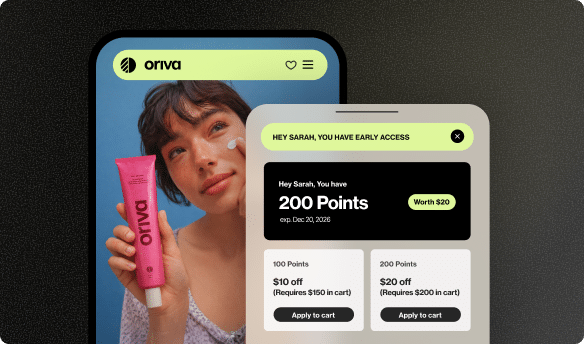
- Earning Rewards: Customers can earn points for buying things, writing reviews, or even just having a birthday! These points can then be used to get discounts, special products, or other cool perks. This makes shopping more exciting and rewarding. You can learn more about best loyalty programs and how they work.
- Feeling Special: Being part of a loyalty program makes customers feel like they’re part of an exclusive club. They get special offers and feel valued, which builds a stronger connection to the brand.
- Encouraging Repeat Purchases: If a customer is close to earning a reward, they’re more likely to make another purchase soon to reach it. This helps keep that retention curve from dropping too low.
- Turning One-Time Buyers into Regulars: Loyalty programs are excellent at convincing customers who might have only bought once to come back again and again. It gives them a clear benefit for staying loyal. You can see how this helps a business grow in real-world scenarios.
A well-designed loyalty program is like a magnet for repeat customers. It doesn’t just encourage them to buy more; it helps build a long-lasting relationship. Yotpo’s Loyalty software helps businesses create these amazing programs, making customers feel appreciated and excited to return, which directly helps flatten that retention curve.
Putting Reviews and Loyalty Together for Super Happy Customers
While customer reviews and loyalty programs are both super powerful on their own, they can also work together like a dream team!
Imagine this:
- A new customer comes to an online store and feels confident because they see lots of great reviews for the product they want to buy. (Thanks, Reviews!)
- They make their purchase and are happy. Then, the store invites them to join a loyalty program, where they can earn points for their purchase and for writing their own review. (Thanks, Loyalty!)
- The customer writes a great review, earns points, and gets closer to a reward. They feel special and want to come back for another purchase to get that reward. (Reviews and Loyalty working together!)
- Their positive review then helps the next new customer feel confident, and the cycle continues!
This kind of teamwork between tools helps businesses create an amazing experience for their customers, right from the very first visit. Happy customers are truly the best way to ensure that retention curve stays as high as possible. Yotpo helps businesses achieve this by offering best-in-class solutions for both Reviews and Loyalty, helping them create a full circle of trust and rewards for their customers. It’s all about creating an excellent customer experience.
The Big Takeaway: Why Retention Curves Matter
A retention curve is a simple but powerful tool. It’s like a special magnifying glass that helps businesses see how well they’re doing at keeping their customers over time. By understanding these curves, businesses can:
- See problems early: If the curve drops too fast, they know they need to make changes.
- Measure success: If the curve starts to flatten out or go up for new cohorts, they know their efforts are working.
- Make smart choices: They can decide to invest in things like getting more customer reviews or setting up a fun loyalty program to encourage people to return.
Ultimately, a strong retention curve means a healthy, growing business with many happy, loyal customers. Just like having a group of friends who always want to play with you, loyal customers are the best kind of treasure for any company!
Want to learn more about how businesses keep customers? Check out resources like 10 Ways to Improve Customer Retention.










 Join a free demo, personalized to fit your needs