






In today’s fast-paced digital world, sharing information, photos, and ideas online is super common. But imagine you’ve worked hard to create something special, like a cool design for your website, a catchy product description, or even amazing photos of your products. Then, someone else copies it and uses it on their own website without asking you. That doesn’t feel fair, right?
This is where something called a DMCA Takedown comes into play. It’s like a superhero for your creative work online, helping you protect what’s yours. Think of it as a way to tell the internet, “Hey, that’s mine! Please take it down.” Understanding DMCA is really important for anyone who creates content or runs an online business, because it helps keep things fair and protects your hard work.
The Big Idea Behind Copyright
Before we dive into DMCA, let’s chat about copyright. Imagine you draw a beautiful picture, write a story, or even take a fantastic photo. Copyright is a special legal right that says you, the creator, own that work. It means you get to decide who can copy it, share it, or use it.
Copyright protection automatically starts the moment you create something original and put it into a fixed form, like saving a picture on your computer or writing words on paper. It covers all sorts of things:
- Writings: Books, articles, blog posts, product descriptions.
- Music: Songs, melodies, lyrics.
- Art: Paintings, sculptures, drawings.
- Photos: Any picture you take with a camera or phone.
- Videos: Movies, YouTube clips, advertisements.
- Software: The code that makes computer programs work.
For businesses, copyright is a big deal. It protects your unique brand identity, your marketing materials, and even the amazing user-generated content (UGC) that your customers create about your products. If someone copies your product images or unique descriptions, they’re not just stealing content; they’re trying to unfairly use your hard work to benefit themselves.
In simple terms, copyright is about respecting creators and making sure they get to control how their original work is used. It’s like owning your favorite toy; no one else can play with it or take it without your permission.
What Does DMCA Stand For?
DMCA is a really important set of letters in the online world. It stands for the Digital Millennium Copyright Act. Wow, that’s a mouthful, right? Let’s break it down.
This law was created in the United States back in 1998. Why then? Because the internet was growing super fast, and people realized that old copyright laws, made for books and music, weren’t quite ready for websites, emails, and online sharing. The DMCA was made to update copyright rules for our digital age.
The main goal of the DMCA is to help copyright holders (the people who own the creative work) protect their stuff online. It gives them a way to ask websites and internet service providers to remove content that copies their original work without permission. It also tries to balance protecting creators with allowing the internet to be a place for sharing and information.
So, whenever you hear about someone’s photo, video, or writing being taken down from a website because it was copied, there’s a good chance the DMCA was involved. It’s the legal tool that helps keep online content fair and respectful of creators’ rights.
How a DMCA Takedown Works: Step by Step
Sending or receiving a DMCA Takedown Notice might sound complicated, but let’s break it down into easy steps. Imagine you’re playing a game, and someone snuck a peek at your secret plan. A DMCA takedown is how you get your plan back.
Step 1: Discovering the Copy
The first step happens when a copyright owner finds their creative work—maybe it’s a special product photo they took for their online store, a unique blog post, or a video—being used online without their permission. They might see it on another website, a social media platform, or even a search engine result.
It’s important to be sure it’s truly a copy and that you own the original. You can’t just claim something is yours if it isn’t!
Step 2: Sending the DMCA Takedown Notice
Once the owner is sure their work has been copied, they prepare a special request called a DMCA Takedown Notice. This isn’t just an angry email; it’s a formal document that needs specific information. They usually send it to the website where the copied content is, or to the company that hosts that website (the web host), or even to a platform like Instagram, YouTube, or Google.
What’s inside this notice?
| Information Needed | Why it’s Important |
|---|---|
| Proof of ownership | Shows you truly own the original work. |
| Where to find the original | Helps compare it to the copied version. |
| Where to find the copy | Points directly to the content that needs to be removed. |
| A clear statement | Formally declares you believe it’s copyright infringement. |
| Contact information | So the platform can reach you about the notice. |
Many online platforms, like social media sites or website hosts, have special forms or email addresses specifically for DMCA notices, making it a bit easier to submit them. This process is how businesses protect their unique branding, product imagery, and valuable visual user-generated content from being used by others without permission.
Step 3: The Website or Platform Acts
When the website host or platform receives a valid DMCA Takedown Notice, they usually act pretty quickly. They have a legal responsibility to do so. Here’s what typically happens:
- They will usually remove or disable access to the copied content right away. This means it won’t be visible to people anymore.
- They will also notify the person who uploaded the content that it has been removed because of a copyright complaint. This person might also get a warning or a “strike” on their account, depending on the platform’s rules.
This quick action helps to stop the spread of copied content and ensures that creators’ rights are respected. It’s a crucial part of maintaining a fair online environment for everyone, including businesses building their online presence with unique content.
Step 4: The Option for a Counter-Notice
What if the person who posted the content thinks it was a mistake? Maybe they had permission, or they believe their use falls under “fair use” (we’ll talk more about fair use later). In this case, they can send a DMCA Counter-Notice.
This counter-notice is like saying, “Hold on a minute, I think you made a mistake!” It also needs specific information, explaining why they believe the content should not have been taken down. If a valid counter-notice is sent, the platform might put the content back up after a certain number of days, unless the original copyright owner decides to take legal action in court. It’s a way for both sides to present their case without immediately going to court.
So, that’s the whole journey of a DMCA Takedown. It’s a structured way to handle copyright disagreements online, aiming to protect creators while also allowing for responses if there’s a misunderstanding.
Why DMCA is Important for Your Online Business
For anyone running an online store or a business that lives on the internet, protecting your unique content isn’t just a good idea—it’s essential! Think about all the hard work that goes into making your brand special: designing great products, writing clever descriptions, taking appealing photos, and gathering genuine feedback from your customers.
The DMCA is a powerful tool that helps you safeguard all that effort. Here’s why it’s super important for your business:
Protecting Your Brand’s Creative Works
Your online business thrives on being unique. This includes:
- Product Photos: Those amazing pictures you take to show off your items are a huge part of convincing people to buy. If someone else uses them, they’re essentially stealing your marketing efforts.
- Unique Product Descriptions: The words you use to describe your products aren’t just text; they reflect your brand’s voice and can persuade customers. Copying them makes your brand seem less special.
- Blog Articles and Guides: If you write helpful articles or guides on your website, they’re original content that builds trust and brings visitors to your site. Protecting these means protecting your expertise.
- Website Design Elements: Unique graphics or layouts on your site contribute to your brand identity.
By using DMCA, you can quickly get these copied elements removed from other sites. This helps maintain your brand’s authenticity, protects your investment in content creation, and prevents others from unfairly profiting from your hard work. It ensures that when customers see your content, they know it comes from you, building trust and strengthening your brand identity.
Safeguarding User-Generated Content (UGC)
One of the most valuable assets for modern businesses is User-Generated Content (UGC). This includes all the wonderful photos, videos, and written reviews that your actual customers create and share about your products. Imagine a customer posts a stunning photo of themselves using your product, or writes a heartfelt product review praising its quality. This content is incredibly powerful for building trust with new shoppers. It helps them see real people enjoying your products, which can really boost your conversion rates.
Yotpo Reviews is a fantastic tool that helps businesses like yours easily collect and show off these authentic customer reviews and visual UGC right on your website. When customers share their experiences, they are creating unique, original content that truly belongs to your brand (with their permission, of course!). This content is gold! If another company tries to take these genuine customer photos or reviews and use them as their own, they are not only stealing your content but also trying to trick potential customers into thinking they have the same trusted feedback.
The DMCA allows you to protect this invaluable UGC. If you find someone has copied your customers’ reviews or photos that you’ve collected through Yotpo Reviews and displayed on your site, you have a legal way to demand their removal. This ensures that the authenticity and power of your customer stories remain yours, helping you build a strong, trustworthy brand based on real experiences. It reinforces that the positive buzz around your brand is genuinely earned. Learn more about how UGC influences the consumer decision-making process.
What Happens After a Takedown Notice?
Once a DMCA Takedown Notice has been sent and the platform has acted, what happens next for everyone involved?
For the Uploader (the one whose content was removed):
- Content Removal: Their content, whether it was a photo, video, or text, is removed or made unavailable to the public.
- Platform Notification: They will receive a notification from the platform (like YouTube, Instagram, or their web host) explaining that their content was removed due to a copyright complaint.
- Account Strikes/Warnings: Many platforms have a “three-strikes” policy. If someone repeatedly infringes copyright, their account might be suspended or even banned. This is to encourage users to respect copyright.
- Opportunity for Counter-Notice: As we discussed, they have the option to send a counter-notice if they believe the removal was a mistake or unfair.
For the Copyright Holder (the one who sent the notice):
- Content Protection: Their original work is protected, and the infringing copy is removed from that specific location. This helps to maintain the uniqueness and value of their content.
- Peace of Mind: They can rest easier knowing their creative efforts are respected.
- Potential for Legal Action: If the uploader sends a counter-notice, the copyright holder then has to decide if they want to take further legal steps, which could involve going to court. However, many disputes are resolved with the takedown and counter-notice process, and legal action is less common.
The goal is usually to get the copied content removed, not necessarily to punish the uploader severely. It’s about protecting creative works and encouraging everyone to be responsible online. The DMCA process provides a clear path for resolving these issues without immediately resorting to expensive and lengthy court battles.
The Counter-Notice: Your Side of the Story
Imagine you’ve posted something online, and suddenly it disappears because someone sent a DMCA Takedown Notice. But you genuinely believe you had every right to post it! This is where a DMCA Counter-Notice becomes your voice.
A counter-notice is a formal statement you send back to the platform (like the website host or social media site) after your content has been taken down. In this notice, you are essentially telling them:
- “I believe this content was removed by mistake or because someone made a wrong identification.”
- “I swear, under penalty of law, that I have a good reason to believe this content was wrongly taken down.”
- “I agree to let a court handle this if the original copyright owner wants to sue me.”
When Might You Send One?
You might send a counter-notice if:
- You actually own the copyright: Maybe you created the work yourself, and the other person is mistaken.
- You have a license or permission: You bought the rights to use the image, video, or music, or the creator gave you specific permission.
- It’s fair use: You believe your use of the content falls under “fair use” (we’ll explain this next), like for criticism, parody, or education.
- It’s in the public domain: The work is so old that its copyright has expired, and anyone can use it freely.
Important Risks to Consider
Sending a counter-notice isn’t something to do lightly. You need to be very sure you are in the right. Why?
- Legal Action: By sending a counter-notice, you’re essentially saying, “Come at me, bro!” to the original copyright owner. You’re giving them the green light to take legal action against you in court if they still believe you’re infringing. If you’re wrong, this could lead to much bigger trouble and legal costs.
- Honesty is Key: You’re signing a statement under penalty of perjury, which means you’re swearing it’s true. Lying on a counter-notice can have serious legal consequences.
So, before sending a counter-notice, it’s always a good idea to carefully consider your reasons and, if possible, get advice from someone who understands copyright law. It’s a powerful tool, but like any powerful tool, it should be used wisely and with great care.
Fair Use: When You Can Use Someone Else’s Work
Sometimes, even if something is copyrighted, you might be allowed to use a small part of it without getting permission from the owner. This special allowance is called Fair Use. It’s like a loophole in copyright law that lets people use copyrighted material for certain purposes that benefit the public.
However, fair use is not a simple rule; it’s more like a balancing act. There’s no magical percentage you can use, like “10% is always fair use.” Instead, courts look at four main factors when deciding if something is fair use:
The Four Factors of Fair Use:
- The Purpose and Character of the Use:
- Is your use “transformative”? This means you added new meaning or a different message to the original work, rather than just copying it.
- Is it for commercial (making money) or non-commercial (not making money) purposes? Non-commercial, educational, or journalistic uses are often favored.
- Examples: Criticism, commentary, news reporting, teaching, scholarship, or research. Parody (making fun of something) is also a strong example of fair use.
- The Nature of the Copyrighted Work:
- Is the original work factual or creative? Using factual works (like a textbook) is more likely to be fair use than using highly creative works (like a painting or song).
- Has the original work been published or is it still unpublished? Using unpublished work is less likely to be fair use.
- The Amount and Substantiality of the Portion Used:
- How much of the original work did you use? Using a very small part is generally better than using a large chunk.
- Did you use the “heart” or the most important part of the original work? Even a small amount can be an infringement if it’s the most crucial part.
- The Effect of the Use Upon the Potential Market for or Value of the Copyrighted Work:
- Does your use harm the original creator’s ability to make money from their work? This is often the most important factor.
- If your use competes directly with the original work and takes away sales from the copyright owner, it’s less likely to be fair use.
As you can see, figuring out fair use can be tricky! It’s not a clear-cut “yes” or “no” answer. Because it’s so complex, it’s always safest to get permission if you’re not absolutely sure your use qualifies as fair use. For businesses, relying on fair use for important content can be risky, so creating original content or licensing it properly is usually the better, safer path.
Common Misunderstandings About DMCA
The internet is full of information, and sometimes, that information can be a bit mixed up, especially when it comes to legal topics like DMCA and copyright. Let’s clear up some common myths and misunderstandings:
“If I link to it, it’s okay to copy.”
Not true! Just because you include a link back to the original source doesn’t give you permission to copy someone else’s photos, text, or videos and put them directly on your site. Linking is generally fine, as it sends people to the original content. But copying the content itself is still copyright infringement, even if you give credit.
“If I give credit to the creator, it’s okay.”
Again, not true! While it’s always polite and professional to give credit, attribution doesn’t magically make copyright infringement legal. Giving credit shows you know who made it, but it doesn’t mean they gave you permission to use it. You still need their “yes” for most uses, unless it falls under fair use or is public domain.
“It’s on the internet, so it’s public domain.”
This is a big myth! The vast majority of content you find online—photos, articles, music, videos—is copyrighted. It belongs to someone. “Public domain” means the copyright has expired or was never applied, and it’s free for anyone to use. But you can’t assume something is in the public domain just because you found it online. Always check.
“It’s only a small amount, so it’s fine.”
Risky thinking! While the “amount used” is one factor in fair use, there’s no set rule like “you can use 10% of a photo.” Even a small amount can be an infringement if it’s considered the “heart” or most important part of the work, or if it harms the original creator’s ability to make money. It’s always about the context and the four fair use factors.
“No one will ever find out.”
Don’t bet on it! In today’s digital age, there are many tools and services that help copyright owners find where their content is being used online. Also, people who appreciate original content (or even your competitors!) might spot the copied content and report it. It’s always best to assume that if you copy something without permission, you could be found out.
Understanding these points helps you navigate the internet more responsibly and avoid accidentally breaking copyright laws. Always remember, if you didn’t create it and you don’t have permission, it’s generally best not to copy it directly.
How Yotpo Helps You Build and Protect Authentic Content
In the world of online business, having unique, trustworthy content is like having a superpower. It helps you stand out, build connections with customers, and ultimately, grow your business. Yotpo offers powerful tools that help you create and showcase this kind of content, which you can then protect with the understanding of DMCA.
Yotpo Reviews: Your Source for Authentic Customer Stories
Imagine your customers becoming your best marketers. That’s what happens with Yotpo Reviews! It’s a leading platform designed to help businesses like yours easily collect genuine reviews, ratings, and amazing visual user-generated content directly from your customers.
- Collecting Real Feedback: Yotpo makes it simple to ask customers for reviews after they buy something. This means you gather real, unfiltered opinions about your products. Learning how to ask customers for reviews effectively is a key part of this process.
- Showcasing Trust: These reviews, often accompanied by customer photos and videos, are incredibly powerful. They show new shoppers that real people love your products, helping them make confident buying decisions. You can learn more about the power of eCommerce product reviews.
- Original Content You Own: The beautiful thing about reviews and visual UGC collected through Yotpo is that they are original and unique to your brand. They are created by your actual customers about their real experiences with your products. This content becomes a valuable asset for your business.
- Protecting Your Unique Voice: Because this content is so unique and directly tied to your customer base, it’s something you’d definitely want to protect. If a competitor were to steal your customer’s glowing reviews or unique photos from your site, you could use DMCA principles to have that content removed, safeguarding your brand’s reputation and the authenticity of your customer feedback. Read about how visual UGC is reinventing marketing.
Yotpo Loyalty: Building a Community and More Content
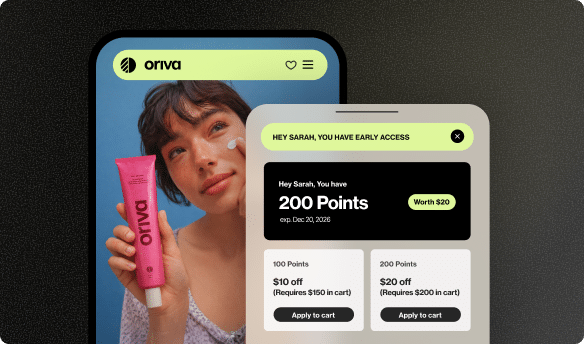
Beyond reviews, building strong relationships with your customers is key. Yotpo Loyalty is a top-notch software that helps you create exciting loyalty programs. These programs reward your customers for shopping with you, referring friends (what is a referral code), and engaging with your brand.
- Encouraging Engagement: Loyalty programs encourage customers to interact more with your brand, not just by buying, but also by sharing their experiences. This engagement can lead to more UGC, as happy loyal customers often share their rewards or positive brand interactions on social media. Product loyalty is a powerful concept for retention.
- Strengthening Word-of-Mouth: Loyal customers are often your biggest fans, spreading positive word-of-mouth marketing about your brand. Their social posts, stories, and recommendations create another layer of authentic content that contributes to your unique online presence. Find out more about the best loyalty programs.
- A Unique Digital Footprint: By using Yotpo’s Reviews and Loyalty products, you are continually generating a vast amount of original, customer-centric content. This content – from detailed reviews to joyful social shares – creates a unique digital footprint for your brand. This wealth of authentic content is not only great for marketing but is also a valuable asset that you can protect using DMCA if anyone tries to improperly copy or use it.
So, while Yotpo doesn’t file DMCA notices for you, it helps you build and manage the kind of genuine, high-quality content that makes DMCA protection so important. It empowers you to create content that truly belongs to your brand and helps it shine brightly and uniquely online.
Wrapping Up: Protecting Your Digital Creations
The internet is an amazing place for creativity, sharing, and building businesses. But just like in the real world, it’s important to respect what belongs to others and protect what’s yours. That’s exactly what the DMCA Takedown process helps us do.
We’ve explored how copyright gives creators ownership over their original works, from dazzling photos to clever product descriptions and heartfelt customer reviews. The DMCA then provides a practical way to enforce those rights online, helping you get copied content removed when it’s used without permission. Understanding this process is key for anyone creating content or running an online business, especially for maintaining trust and authenticity.
Remember that tools like Yotpo Reviews and Yotpo Loyalty play a crucial role in helping businesses generate a wealth of unique, authentic content – like genuine customer reviews and engaging visual user-generated content. This original content is not only fantastic for building your brand and connecting with your customers, but it also creates valuable assets that the DMCA can help you protect. By collecting and showcasing real customer experiences, you’re building a unique digital story that truly belongs to you, strengthening your online presence and safeguarding your brand’s integrity.
So, whether you’re a content creator, a small business owner, or just someone who enjoys sharing online, knowing about DMCA empowers you to act responsibly, respect others’ work, and stand up for your own digital creations. Keep creating, keep sharing, and keep protecting what makes your online presence truly special!










 Join a free demo, personalized to fit your needs