


Building a successful rewards program on Adobe Commerce goes far beyond setting up a basic points-for-purchase system. As consumer expectations lean toward instant digital gratification and hyper-personalized experiences, e-commerce managers have a unique opportunity to create retention frameworks that actually feel rewarding to join.
By tapping into your platform’s advanced headless capabilities and optimizing for AI-driven search behaviors, you can build a seamless ecosystem that naturally turns casual buyers into your most dedicated brand advocates. Let’s walk through ten actionable ways to modernize your approach.
Key Takeaways: Magento Loyalty Program
- Utilize new headless capabilities to effortlessly track customer seniority.
- Prioritize frictionless, digital-first reward redemptions.
- Optimize reward program data for Generative Engine Optimization (GEO) and AI Overviews.
- Automate habit loops to engage the massive “silent loyalist” segment.
- Prepare loyalty infrastructure for autonomous “agentic commerce” bots.
1. Leverage New Platform Architecture for Accurate Seniority Tracking
Modernizing a retention strategy begins at the foundational architecture level. For brands operating on headless or composable builds, recent updates to core e-commerce platforms offer significant advantages for tracking customer lifecycles without relying on heavy, latency-inducing database queries.
Specifically, within recent Adobe Commerce updates, developers can now utilize the date_of_first_order field via the GraphQL API. This seemingly minor technical addition is highly strategic. Instead of running complex logic to determine how long a customer has been active, headless storefronts can instantly pull this data to trigger “loyalty anniversary” rewards or automatic tier advancements. Recognizing these milestones is critical, as 41% of consumers cite recognition moments as a key touchpoint in their relationship with a brand.
“Utilizing core API fields reduces storefront latency while giving brands the immediate data they need to trigger meaningful, long-term emotional connections with their best shoppers.“
– Amit Bachbut, Director of Growth Marketing
Consider mapping this API endpoint directly to your retention platform. By doing so, you can automate customized email flows or push notifications that celebrate the exact day a shopper first engaged with your brand, offering them a unique perk that feels deeply personalized.
2. Implement Frictionless Redemption for Digital and Virtual Rewards
The mechanics of how customers redeem their earned perks are just as important as how they earn them. While legacy retention structures often rely heavily on physical product discounts or shipped merchandise, consumer preference is demonstrating a distinct shift. Today’s shoppers lean heavily toward experiential, digital, and virtual access as their primary reward incentives.
This evolution is largely driven by changing consumer values and expectations for immediate fulfillment. Industry evaluations emphasize that brands are increasingly transitioning away from purely transactional “earn-and-burn” mechanics toward emotion-based retention frameworks. Recent market analysis underscores this trend, noting that Gen Z and Millennials prioritize experiences and seamless digital touchpoints over physical reward trinkets. Furthermore, research indicates that 74% of these cohorts remain loyal to brands they inherently trust, preferring instant digital access—such as exclusive content, priority customer support, or virtual consultations—over physical goods that require extended shipping times.
To seamlessly accommodate this preference within the Adobe Commerce environment, technical teams should leverage the is_virtual field natively found within the CustomerOrder type. When a loyalty member decides to redeem their points for a digital reward, the checkout architecture must instantly adapt to the nature of that item. If the reward is flagged as virtual, the platform should automatically bypass and hide all shipping address fields, delivery calculators, and physical fulfillment tracking steps during the redemption flow.
Forcing a customer to manually input a physical shipping address just to download an exclusive digital lookbook or receive an early-access promo code introduces unnecessary friction that can degrade the user experience. By properly utilizing the is_virtual flag, brands eliminate these hurdles entirely. This streamlined redemption process aligns perfectly with the 72% of customers who demand a completely seamless digital experience from the brands they frequent. Ultimately, when a reward is frictionless to claim, the perceived value of your entire loyalty ecosystem increases significantly, encouraging ongoing participation.
3. Capitalize on Guest Checkout Account Merging
One of the largest areas of Customer Lifetime Value (CLV) leakage in the e-commerce lifecycle occurs during the guest checkout process. Shoppers frequently bypass formal account creation to speed up their purchase, inadvertently missing out on earning points, redeeming perks, and progressing through VIP tiers. Given that 89% of marketing tech investments are prioritized by CLV, capturing these “lost” interactions is vital for accurate data tracking and programmatic growth.
Within the Adobe Commerce architecture, guest checkouts often result in siloed data records that complicate long-term retention efforts. To resolve this, technical teams should consider activating native order management features—or utilizing advanced API endpoints—that automatically merge guest transactions with registered accounts based on matching email addresses. When a customer who previously checked out as a guest decides to formally create an account, the system can retroactively aggregate their past order history into their newly minted profile.
This architectural capability creates an immediate, highly effective “wow” moment for the user. The customer logs in for the very first time and discovers they already possess a robust balance of points waiting for them, simply because the system recognized their historical email data.
This strategy does more than just repair fractured CLV tracking in your database; it serves as a powerful, built-in incentive for shoppers to complete the registration process post-purchase. By eliminating the “start from zero” penalty that usually accompanies new account creation, brands can dramatically increase their active, authenticated user base. Furthermore, syncing this unified data with an advanced loyalty integration ensures that no transactional value is ever lost, laying the foundational layer for a truly robust and accurate retention framework.
4. Optimize for Generative Engine Optimization (GEO) and AI Overviews
The landscape of search and product discovery is undergoing a massive structural transformation. Shoppers are increasingly bypassing traditional search engine results pages, turning instead to Large Language Models (LLMs) and conversational engines to find the best brands and membership perks. With AI Overviews now intercepting roughly 14% of complex shopping queries, and traditional organic search clicks experiencing a steep 42% decline, relying on outdated SEO playbooks is no longer sufficient.
To maintain visibility, e-commerce managers must pivot their strategy toward Generative Engine Optimization (GEO). This involves structuring your site’s content specifically for machine readability. LLMs synthesize answers based on how clearly information is presented across the web. If a potential customer asks an AI engine, “Which sustainable coffee brands offer free shipping in their VIP tiers?”, you want the AI to immediately recognize and recommend your program.
Achieving this requires conducting periodic “AI Audits.” These are high-level strategy conversations aimed at evaluating how your public-facing membership landing pages are constructed. Rather than burying your tier benefits, earning rules, and exclusive perks inside visually heavy graphics or downloadable PDFs, technical teams should ensure this data is rendered in clear, semantic HTML. Utilizing distinct H2 and H3 tags, bulleted lists for earning structures, and dedicated FAQ schema markup helps LLMs parse the exact value your program offers.
“The strategic priority for retention has shifted from traditional link-building to optimizing reward program data for AI-driven discovery engines.“
– Davis Belcher, Content Marketing Manager
While reviews and user-generated content provide a constant stream of fresh, indexable language that LLMs love, the core architectural rules of your retention program must be explicitly stated in text form. By treating AI engines as your new primary audience for discovery, you ensure that the robust benefits you have built are accurately communicated to the next generation of shoppers.
5. Transition to Emotional and Value-Based Loyalty Models
The traditional “earn and burn” point system is rapidly becoming commoditized. Offering a standard 5% discount for repeat business no longer provides a competitive edge; it has become a baseline expectation. Modern shoppers expect brands to facilitate a community that aligns closely with their personal values and ethics. This shift in consumer psychology is evidenced by a concerning decline of “True Loyalty” to just 29% across typical e-commerce sectors, combined with the reality that 58% of consumers view a brand’s unethical behavior as an absolute dealbreaker.
To build deeper, more resilient affinity, brands should consider integrating value-based mechanisms directly into their VIP tier systems. Moving from a purely transactional relationship to one of “participate and belong” fosters an emotional bond that simple discounts cannot replicate.
A highly effective strategic implementation is the “points donation” feature. By leveraging modern API integrations within your e-commerce platform, you can allow members to convert their accrued points into direct charitable donations for causes your brand openly supports. For example, a customer might choose to spend 500 points to plant a tree or fund a meal, rather than taking a $5 discount on their cart.
This approach is remarkably effective for capturing younger demographics. Data reveals that Gen Z shoppers are 37% more likely to pay a premium to demonstrate allegiance to a brand that authentically shares their ethical stance. By transforming your retention engine into a platform for shared social impact, you elevate the customer relationship from a financial transaction to a collaborative, value-driven partnership.
6. Cater to the “Silent Loyalist” Phenomenon
Not every repeat customer wants to engage with gamified tiers, referral links, or VIP badges. While highly interactive point systems work well for brand enthusiasts, a significant portion of any brand’s revenue comes from high-frequency, habit-driven buyers who prioritize speed and predictability above all else. Industry data indicates that up to 53% of the customer base can be classified as “silent loyalists”.
These shoppers exhibit profound allegiance through their consistent replenishment cycles, yet they often ignore marketing emails and rarely check their point balances manually. To serve this segment effectively, brands should focus on removing friction rather than forcing engagement. E-commerce managers must recognize that requiring a silent loyalist to navigate through a multi-step redemption portal can actually introduce negative friction into a previously streamlined purchasing habit.
Instead, technical teams should leverage their platform’s architecture to implement automated replenishment workflows or “instant value” features. By utilizing saved payment integrations and secure digital wallets, you can apply earned loyalty discounts automatically at the cart level. If a shopper has enough points for a $10 discount, the system should ideally present this as a single-click checkbox during the standard checkout flow, rather than demanding they copy and paste a generated coupon code.
“For high-frequency shoppers, the greatest reward you can offer is speed. Removing friction and respecting their time builds deeper loyalty than any gamified point journey.“
– Mira Talisman, Growth CRO Team Lead
By prioritizing sheer utility—such as secure e-wallets, QR-code based expedited checkouts for omnichannel buyers, and automated subscription tiering—you effectively reward the silent loyalist in the currency they value most: their own time.
7. Prepare for the Shift Toward Agentic Commerce
The future of e-commerce involves not just human shoppers, but autonomous digital agents acting on their behalf. Agentic commerce—where consumers instruct AI bots to find the best products, compare prices, and execute purchases—is rapidly moving from a conceptual framework to a daily reality. Early data shows that conversions from AI referrals surged by 1,247% recently, and an estimated 63% of consumers now trust AI to find the best price for their routine purchases.
To prepare a retention program for bot-driven purchasing, technical teams must ensure that their site schema is incredibly robust. Machine-to-machine commerce relies entirely on structured data. If your loyalty program’s value is locked behind dynamic JavaScript pop-ups or gated user dashboards, autonomous agents cannot factor those discounts into their purchasing decisions.
E-commerce developers need to ensure that “member-only pricing,” “points accrual rates,” and specific tier benefits are clearly marked in the site’s metadata using structured schema markup. Consider a scenario where an AI shopping assistant is tasked with buying a monthly restock of specialized coffee beans.
The bot will scrape multiple storefronts to calculate the best total value. If your platform architecture explicitly broadcasts through machine-readable code that registered members receive a 10% discount and free shipping, the autonomous agent is highly likely to choose your store over a competitor with opaque or unreadable pricing structures.
Adapting to agentic commerce requires viewing your loyalty program not just as a marketing tool, but as a structured data asset. By making your retention perks fully visible to LLMs and purchasing bots, you ensure your brand remains highly competitive in an automated retail environment.
8. Scale Hyper-Personalization Using AI and Automation
As expectations for highly tailored shopping experiences rise, marketing teams are encountering an unprecedented operational bottleneck. Industry projections suggest that the sheer volume of content demand will grow 5x by 2027. Attempting to manually construct and map out personalized journeys for every conceivable customer segment is no longer sustainable or technically feasible. However, reverting to broad, generic segmentation is not an option either, as 87% of organizations leveraging AI personalization see significant engagement boosts.
The most effective way to close this gap is to scale hyper-personalization through AI-driven automation workflows deeply integrated with your commerce platform. By utilizing predictive analytics, e-commerce managers can automatically assemble and deliver genuine 1:1 content tailored to a member’s specific history.
Consider modernizing how you display loyalty catalogs. Rather than presenting every VIP member with the exact same static list of redeemable rewards, headless APIs allow you to dynamically render the VIP portal based on individual browsing graphs. If a customer frequently purchases skincare products, the AI algorithms can prioritize early-access serums or digital skincare consultations at the very top of their redemption page. Similarly, rather than sending a generic “Your points are expiring” warning, an automated workflow can dynamically populate an email with highly relevant product recommendations, explicitly showing the shopper exactly what they could acquire with their current point balance right now.
“Operationalizing AI models transforms generic segments into hyper-personalized, one-to-one member experiences without overwhelming the marketing team’s resources.”
– Amit Bachbut, Director of Growth Marketing
By allowing intelligent systems to curate the final mile of the customer experience, brands can maintain a high-touch feel for millions of members simultaneously, turning complex data into frictionless, personalized value.
9. Adapt B2B Features for Complex Loyalty Structures
For brands dealing with wholesale clients, distributors, or complex B2B purchasing dynamics, standard individual point systems generally fall short of generating meaningful retention. A B2B buyer placing a massive procurement order is motivated by different incentives than a direct-to-consumer shopper. To address this, organizations must look beyond traditional gamification and creatively adapt robust e-commerce architectures to serve advanced corporate retention strategies.
Modern enterprise platforms provide native B2B drop-in components—such as Company Accounts, Shared Catalogs, and Negotiable Quotes—that can be brilliantly repurposed to build powerful loyalty ecosystems. Consider transforming standard “Company Management” features into overarching “Corporate Tiers.” Instead of a single procurement officer accruing individual points, the platform can be configured so that all authorized buyers within an organization contribute to a shared, enterprise-wide reward pool.
This organizational approach elevates the loyalty conversation from a simple discount to a strategic business asset. Furthermore, tools like Quote Management can be deeply integrated with your reward architecture. When a wholesale client enters a complex quote negotiation for a bulk order, e-commerce managers can empower them to apply accrued corporate points directly against the quoted subtotal or use them to offset expensive freight costs.
Allowing B2B buyers to leverage their loyalty balance as a tangible negotiation lever transforms the relationship entirely. It provides a distinct financial incentive for procurement teams to consolidate their spending with your brand, ultimately locking in long-term wholesale contracts and significantly reducing churn among your highest-value accounts.
10. Measure True Advocacy and Long-Term Retention ROI
To accurately determine the financial health of your retention efforts, it is necessary to graduate from surface-level metrics to deep financial reporting. Historically, e-commerce managers relied heavily on vanity metrics—such as the total number of enrolled members or the volume of points issued in a given quarter. However, these figures do not effectively communicate bottom-line profitability.
Modern AI tools are enabling a dramatic shift in how teams operate, creating a 30-50% reduction in production costs and a 10x increase in content velocity. This operational efficiency frees up marketing analysts to focus on the metrics that truly matter: evaluating how advocacy powers sustainable growth.
Brands should pivot their measurement paradigm toward Customer Satisfaction Scores (CSAT) strictly correlated with membership tiers. If a shopper in your highest VIP tier registers a low CSAT score, it signals a critical disconnect in the perceived value of your rewards. Furthermore, the true financial return on investment (ROI) of a loyalty program is found in the offset of Customer Acquisition Costs (CAC).
E-commerce operators must calculate how consistently their top-tier members refer new, high-value shoppers to the brand. If your retention engine effectively turns your best buyers into your most active acquisition channel, the aggregate CAC for the brand drops significantly.
“True advocacy acts as a powerful profit multiplier. When measured correctly, it dramatically outpaces standard transactional metrics and proves the financial viability of your retention engine.” — Eli Weiss, VP Retention Advocacy
By aligning loyalty performance directly with CAC reduction and organizational profitability, teams can definitively prove the value of their retention infrastructure to executive leadership, ensuring continuous investment in community-building efforts.
How Yotpo Helps Maximize Your Strategy
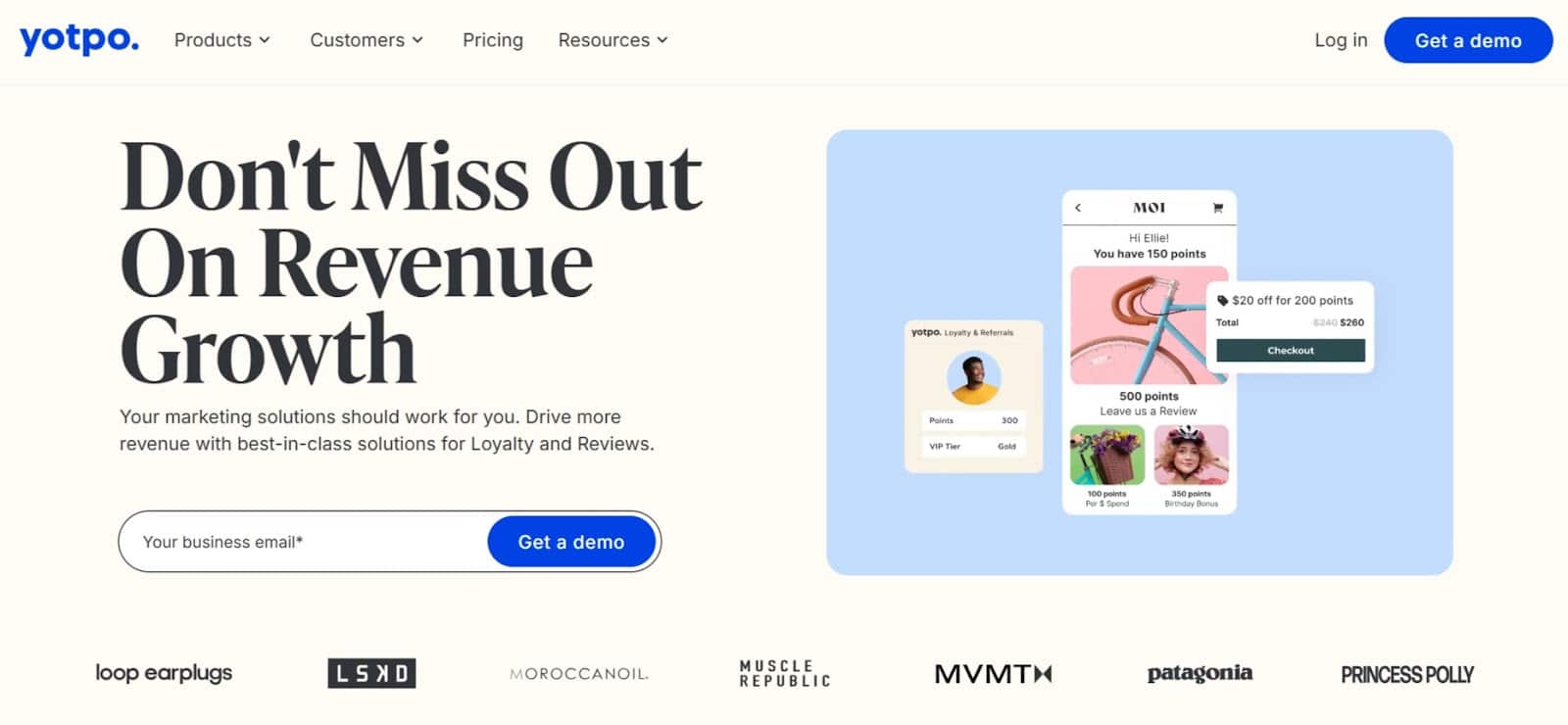
Consider combining Yotpo Loyalty and Yotpo Reviews to establish a frictionless, highly engaging retention engine. Shoppers who see reviews convert 161% higher than those who don’t, while incorporating visual user-generated content yields a 137% lift in purchase likelihood. Furthermore, utilizing Yotpo’s AI-powered Smart Prompts makes it 4x more likely to extract high-value topics from shoppers, perfectly complementing the tailored tier-structures, customizable rewards, and strategic guidance provided by a comprehensive loyalty solution.
Conclusion
Modern customer retention requires moving far beyond simple, transactional point systems. By embracing headless platform architectures, preparing for the realities of agentic commerce and AI Overviews, and catering to the friction-averse silent loyalist, brands can build deeply integrated experiences. Ultimately, a successful strategy centers on a genuine, value-driven exchange. When you respect your customers’ time, align with their values, and utilize technology to personalize their journey, casual shoppers naturally transform into your most powerful brand advocates.
FAQs: Magento Loyalty Program
What makes a magento loyalty program successful in the AI era?
Success in the AI era hinges on how effectively a brand can transition from manual point management to intelligent, automated value exchanges. Modern programs must be structured with machine-readable data (Generative Engine Optimization) so that AI Overviews and autonomous bots can easily parse membership perks. Furthermore, a successful setup utilizes predictive analytics to offer hyper-personalized, dynamic rewards based on individual browsing behaviors rather than relying on generic, static reward catalogs.
How does the new date_of_first_order field improve customer retention?
Available in recent Adobe Commerce architectural updates, the date_of_first_order field is a core API capability that allows headless storefronts to instantly recognize the exact tenure of a customer. This eliminates the need for slow, complex database queries just to determine when a shopper joined. As a result, brands can trigger automated, latency-free anniversary rewards and milestone recognitions, perfectly aligning with the 41% of consumers who state that recognition is a critical relationship touchpoint.
Why are digital and virtual rewards gaining traction?
The shift toward virtual rewards is largely driven by Millennials and Gen Z, demographics that heavily prioritize seamless experiences over the accumulation of physical goods. Recent marketing trend reports indicate that these generations value instant digital access—such as exclusive content downloads, VIP consultations, or early access codes. By offering virtual rewards and removing shipping friction at checkout, brands fulfill the modern expectation for immediate, frictionless gratification.
How can brands prepare their loyalty data for AI Overviews?
Brands must execute periodic AI Audits to ensure their membership pages, tier benefits, and earning rules are constructed using clear semantic HTML. Because Large Language Models (LLMs) parse text to synthesize answers for users, burying loyalty rules in images or complex PDFs harms discoverability. Utilizing distinct H2/H3 tags, clear bulleted lists, and FAQ schema markup ensures that when a shopper asks an AI engine for recommendations, your program’s specific benefits are easily extracted and highlighted.
What is a “silent loyalist” and how should brands engage them?
A “silent loyalist” is a high-frequency customer who purchases consistently due to deep-seated habit, but rarely engages with gamified marketing campaigns, referral links, or point dashboards. Industry research shows they can comprise up to 53% of a customer base. Brands should engage them by removing purchasing friction entirely—focusing on automated replenishment subscriptions and secure digital wallets that automatically apply discounts at checkout, respecting their desire for sheer speed.
How do generational differences impact loyalty program design?
Generational preferences require brands to move beyond a “one-size-fits-all” discount approach. Younger demographics increasingly favor brand ethics and value alignment over standard transactional tiers. Integrating features like points-for-charity donations helps capture Gen Z shoppers, who are proven to be highly willing to spend a premium with brands that authentically share their social and ethical values. The design must accommodate emotional belonging, not just financial savings.
What is agentic commerce and its effect on reward structures?
Agentic commerce is the rapidly emerging paradigm where consumers use autonomous AI bots to locate products, compare global prices, and execute transactions on their behalf. To adapt, e-commerce managers must ensure their website’s architecture utilizes rich schema markup to clearly dictate “member-only pricing” and automatic discount structures. If an AI bot cannot read your site’s code to confirm a loyalty discount, it will likely execute the purchase on a competitor’s site that offers greater transparent machine-readable value.
How can B2B companies leverage built-in tools for loyalty?
B2B purchasing requires enterprise-grade retention strategies that standard direct-to-consumer points cannot provide. Companies can adapt native Adobe Commerce features—like Company Management and Quote Management—to build sophisticated corporate-level tiers. This framework allows entire procurement teams to pool reward points into a shared corporate account, which can then be leveraged as a tangible financial asset to bridge pricing gaps during complex, high-volume wholesale negotiations.
Why is guest checkout merging crucial for customer lifetime value?
During guest checkouts, transactions are frequently unlinked from a user’s core profile, resulting in immediate Customer Lifetime Value (CLV) leakage. By leveraging automated account merging based on matching email addresses, brands can retroactively apply earned points the moment that guest finally registers an account. This instantly delivers unexpected value to the user, creating a powerful incentive for long-term engagement while simultaneously repairing fractured data for the marketing team.
How should brands measure the true ROI of a modern retention program?
Brands must abandon vanity metrics like basic program enrollment numbers and focus on metrics that prove financial impact and genuine advocacy. The true ROI of a loyalty program is demonstrated by measuring how top-tier VIP members offset the overall Customer Acquisition Cost (CAC) through high-quality referrals. Additionally, tracking Customer Satisfaction Scores (CSAT) correlated directly by membership tier provides clear, actionable insight into the actual perceived value of the retention engine.











 Join a free demo, personalized to fit your needs