








Considering a loyalty program? It’s a strategic decision. In today’s competitive eCommerce landscape, customer retention is just as critical as acquisition. A well-executed loyalty program serves as a powerful tool for converting one-time buyers into lifelong brand advocates. However, the path from concept to a revenue-driving program requires careful planning and precise execution.
Key Takeaways
- Strategy First: Before designing anything, you must define clear, measurable goals (KPIs), understand your customers’ motivations, and create a sustainable financial plan for your program.
- Thoughtful Design is Crucial: The success of your program depends on choosing the right structure (e.g., points-based, tiered), offering rewards your customers actually want, and branding it to feel like an exclusive part of your brand experience.
- Technology is Your Foundation: Selecting the right loyalty platform is a critical decision. Look for a strategic partner that offers deep eCommerce integration, customization, flexible reward structures, and robust analytics.
- Launch with a Bang: A successful launch requires a coordinated marketing campaign across email, social media, and your website to build excitement and drive initial sign-ups.
- Optimize Continuously: Launching is just the beginning. Use data and customer feedback to constantly analyze, test, and refine your program to ensure it remains effective and engaging over the long term.
This definitive checklist will guide you through every phase, helping you build a program that resonates with your customers and strengthens your bottom line.
Phase 1: Pre-Launch Strategy & Planning
Before defining point structures or rewards, you must establish a solid foundation. The success of your loyalty program implementation depends directly on the strategic work you do upfront. This phase is all about defining your objectives and understanding the audience you’re building for.
Define Your Goals and KPIs
To begin, clarify what you want to accomplish. A loyalty program shouldn’t be an afterthought; it must be a strategic tool tied to clear business objectives. Without specific goals, you can’t effectively measure success or find opportunities for improvement.
Start by asking the main questions:
- Do you want to increase purchase frequency?
- Are you trying to raise the average order value (AOV)?
- Is your main goal to improve customer lifetime value (CLV)?
- Do you want to drive non-transactional engagement, like generating reviews or social media follows?
Once you have your primary objectives, define the Key Performance Indicators (KPIs) you’ll use to track them. Vague goals like “increase loyalty” aren’t actionable. Instead, use the SMART framework (Specific, Measurable, Achievable, Relevant, Timely) to create concrete targets. Here’s how you can tie common goals to specific KPIs:
Goal: Increase Customer Retention
- Primary KPI: Repeat Purchase Rate
- Secondary KPIs: Customer Churn Rate, Time Between Purchases
- Example SMART Goal: Achieve a 15% increase in repeat purchase rate within the first six months of launch.
Goal: Boost Average Order Value
- Primary KPI: Average Order Value (AOV)
- Secondary KPIs: Items Per Order, Redemption Rate for High-Value Rewards
- Example SMART Goal: Increase AOV by 10% for loyalty program members within the first quarter.
Goal: Enhance Customer Lifetime Value
- Primary KPI: Customer Lifetime Value (CLV)
- Secondary KPIs: Purchase Frequency, Customer Longevity
- Example SMART Goal: Improve the CLV of enrolled customers by 25% over the next 12 months.
Goal: Drive Customer Engagement
- Primary KPI: Engagement Rate
- Secondary KPIs: Points Earned from Non-Purchase Activities, Review Submission Rate
- Example SMART Goal: Generate 500 new product reviews through the loyalty program in the first three months.
Understand Your Customers
Who are you building this program for? Your most loyal customers are your greatest asset, and the program must appeal directly to them. Don’t assume you know what they want. Analyze your data and ask them directly.
- Analyze Purchase Data: Identify your top customers. What do they buy? How often? What’s their average spend? This data helps you understand the behaviors you want to encourage.
- Conduct Surveys: Ask your customers what they value. Would they prefer a 10% discount or free shipping? Are they interested in exclusive access to new products? A simple survey can provide invaluable insights.
- Segment Your Audience: Not all customers are the same. You might have value-conscious shoppers, brand enthusiasts, and occasional buyers. Think about how you can tailor your program to appeal to different segments.
Analyze Your Financials
A loyalty program is an investment, and like any investment, it must be financially sound. You need to balance offering compelling rewards with maintaining healthy profit margins.
- Set a Budget: Figure out how much you can invest in the platform, marketing, and the rewards themselves.
- Calculate Your Reward Costs: This step is crucial. If you offer a $10 coupon, what does that cost you in terms of margin? A common approach is to set your reward cost as a percentage of total sales (e.g., 1-5%).
- Forecast Potential ROI: Use your goals and budget to project a potential return on investment. For example, if you expect your loyalty program to increase your repeat purchase rate by 10%, what does that translate to in revenue? This forecast helps secure stakeholder buy-in and sets realistic expectations.
In short, the pre-launch phase is about setting a clear direction. By defining your goals, understanding your customers, and organizing your financials, you create a strategic roadmap that will guide the rest of your loyalty program implementation.
Phase 2: Designing Your Loyalty Program
With your strategy in place, it’s time for the program design. In this phase, you’ll decide how customers earn points, what rewards they receive, and what your program will look and feel like. A well-designed program is easy to understand, engaging, and feels valuable to your customers.
Choose the Right Program Structure
Your program’s structure is its foundation. There are several popular models, and the best one for you depends on your brand, products, and customer base.
- Points-Based Programs: This is the most common loyalty program structure. Customers earn points for certain actions (usually purchases) and can redeem them for rewards. It’s simple, straightforward, and customers get it easily.
- Tiered Programs: Tiered programs create a sense of aspiration and exclusivity. Customers advance through different tiers based on spending or engagement, unlocking better rewards and perks at each level.
- VIP Programs: These programs focus on rewarding your best customers. Access might be based on a high spending threshold or be by invitation only. The rewards are typically high-value, like exclusive access to products or personal shopping services.
- Paid Programs: Customers pay an upfront fee to join and in return get instant, ongoing benefits like free shipping or exclusive discounts. This model works best for brands with high purchase frequency.
- Hybrid Models: Don’t hesitate to combine elements. Many successful loyalty programs integrate features from different structures. For example, you could have a points-based system with VIP tiers that unlock special earning accelerators.
Decide on Earning Actions
How will customers participate in your program? While earning points for purchases is standard, you can drive deeper engagement by rewarding other valuable actions. Think about all the ways a customer provides value to your brand.
Consider rewarding customers for:
- Making a purchase
- Creating an account
- Celebrating a birthday
- Following on social media
- Writing a product review
- Referring a friend
When you connect your loyalty program to other parts of your marketing ecosystem, you create a powerful cycle of engagement. This is where a solution with smart integrations provides an advantage. For instance, with Yotpo Loyalty, you can seamlessly reward customers for leaving feedback through Yotpo Reviews. This encourages more user-generated content and strengthens the customer’s connection to your brand.

Structure Your Rewards & Redemption
The rewards are the core of your program. If they aren’t appealing, participation will be low. Your rewards should be a mix of desirable, achievable, and exclusive items.
Common reward types include:
- Discounts (percentage off, dollar amount off, or free shipping)
- Free Products
- Exclusive Access (early access to sales, new products)
- Experiential Perks (invitations to special events, unique content)
Whatever you choose, make sure redemption is simple. Customers should be able to easily see what they can afford and apply it at checkout with a single click. A flexible loyalty solution is key here. A platform like Yotpo Loyalty gives you the freedom to create a wide range of custom rewards and configure frictionless redemption options.
Name and Brand Your Program
Finally, give your program a distinct identity. “Our Loyalty Program” is functional, but it lacks excitement. Brainstorm a name that reflects your brand’s personality and the value you’re offering. Is it a club? A collective? An insider group?
Develop a unique look and feel for your program that aligns with your overall brand identity. This includes a logo, specific colors, and a consistent tone of voice in all communications. A well-branded program feels like an integrated part of your brand experience, not just a marketing add-on.
Phase 3: Technical Implementation & Platform Selection
You have a solid strategy and a compelling design. Now it’s time to bring your loyalty program to life with the right technology. This phase is about choosing a platform that can support your vision and then configuring it correctly.
Key Features to Look for in a Loyalty Platform
Your loyalty software is the engine of your program. Choosing the right one is one of the most critical decisions you’ll make. Here are the essential features to look for:
- Seamless eCommerce Integration
- Customization and Branding
- Flexible Earning & Redemption Rules
- Robust Analytics and Reporting
- Third-Party Integrations with your marketing stack
- Scalability and Reliability
Evaluating Loyalty Program Providers
The loyalty platform market includes a range of options. When evaluating your choices, it’s important to look beyond just the features and consider the level of support and partnership the provider offers. Do you have the internal resources to manage a loyalty strategy on your own? Or would you benefit from a more hands-on, strategic partnership?
This is where the difference between a software provider and a strategic partner becomes clear. A true partner doesn’t just give you tools; they help you build and grow a successful program.
For example, Yotpo Loyalty approaches loyalty as a partnership. Instead of just giving you software, you get a dedicated Customer Success Manager who provides strategic guidance based on experience with thousands of eCommerce brands. This model is built for brands that want to continuously optimize their program with expert insights and robust, accurate reporting. Its flexibility and deep customization options allow you to create a unique, branded loyalty experience.
The Implementation Checklist
Once you’ve chosen your platform, it’s time for setup.
- Install the Platform: Connect the loyalty software to your eCommerce store.
- Configure Earning Rules: Set up all the ways customers can earn points based on your design plan.
- Set Up Your Rewards: Create your rewards and define their point cost.
- Design the On-Site Experience: Customize your loyalty widgets, pop-ups, and a dedicated landing page.
- Integrate with Your Marketing Stack: Connect the loyalty platform to your email and SMS providers.
- Migrate Existing Customers (If Applicable): Work with your new provider to migrate customer data.
- Test, Test, and Test Again: Before you announce your program, conduct thorough internal testing. Have multiple team members go through the entire customer journey to catch any bugs.
Phase 4: Launching & Promoting Your Program
You’ve completed the planning, design, and technical setup. Now it’s time to unveil your loyalty program. A successful launch is about building excitement and making sure everyone knows about the new value you’re offering.
Building Your Launch Strategy
Don’t just activate the program and hope people notice. A strategic launch plan builds momentum and maximizes initial sign-ups.
- Pre-Launch Hype: A week or two before launch, start teasing that something exciting is coming through email teasers, social media posts, and on-site banners.
- Launch Day Blitz: On launch day, execute a coordinated announcement across all your marketing channels. Send a dedicated email, feature it on your homepage, and post on social media. Offer a special sign-up bonus to drive immediate action.
- Post-Launch Onboarding: Your promotional efforts shouldn’t stop after launch day. Add the program to your email welcome series, post-purchase emails, and use on-site reminders for non-members.
Promotional Channels to Maximize Sign-Ups
- Email Marketing: Your most direct line to your customers.
- SMS Marketing: Send a text with a direct link to sign up.
- On-Site Promotion: Use homepage banners, dedicated landing pages, and pop-ups.
- Social Media: Announce the program and regularly post reminders about its benefits.
- In-Package Inserts: Include a small flyer in every shipment.
Training Your Customer Support Team
Your customer support team is your front line. Before you launch, hold a training session with them. Ensure they understand the program in detail, have access to an FAQ document, and know how to troubleshoot common issues. An empowered support team can turn a potentially frustrating situation into a positive customer experience.
Phase 5: Post-Launch Analysis & Optimization
Launching your loyalty program is a milestone, not the finish line. The most successful programs constantly evolve based on data and customer feedback. This final phase is about monitoring performance, listening to your members, and making continuous improvements.
Tracking Your Key Metrics
Remember the KPIs you set in Phase 1? Now it’s time to track them. Keep a close eye on:
- Enrollment Rate: How many of your customers are joining?
- Participation Rate: How many members are actively earning and spending points?
- Redemption Rate: How often are customers redeeming rewards?
- Repeat Purchase Rate: Compare the purchase frequency of members vs. non-members.
- Average Order Value (AOV): Are members spending more per transaction?
A platform with strong analytics is essential here. For example, using a solution with clear and accurate reporting gives you a direct view of your program’s ROI and provides the insights you need to make data-driven decisions.
Gathering Customer Feedback
Data tells you what is happening, but customer feedback tells you why. Actively solicit feedback from your program members. Send out surveys, monitor customer support tickets, and read reviews and social media comments to understand their experience.
Optimizing for Better Performance
Use your data and feedback to make iterative improvements.
- A/B test different rewards to see which have a higher redemption rate.
- Keep the program fresh by introducing new ways to earn points.
- Boost engagement by running limited-time offers, like a “double points weekend.”
- If you find that earning rewards is too difficult (or too easy), don’t be afraid to tweak the numbers. Just be sure to communicate any changes clearly.
Avoiding Common Pitfalls
As you manage your program, be aware of these common mistakes:
- Overly complex rules: Simplicity is key.
- Low-value rewards: The rewards must feel worth the effort.
- Poor communication: Keep members informed about their balance and new offers.
- Lack of active management: A loyalty program requires ongoing optimization to deliver long-term value.
Conclusion: Your Loyalty Program is a Marathon, Not a Sprint
Implementing a successful loyalty program is a big undertaking, but the rewards are well worth the effort. It’s a strategic investment that pays dividends in higher customer retention, increased lifetime value, and a stronger brand community.
By following this checklist, you can move methodically through each phase, from initial strategy to ongoing optimization. Remember that your program isn’t a one-time project; it’s a living part of your brand that should evolve with your business and your customers. Keep listening, keep testing, and keep finding new ways to delight your most valuable customers.
Frequently Asked Questions
What are some creative rewards beyond discounts?
Think about what your brand can offer that money can’t buy. Consider offering early access to new products, a free product with a purchase, exclusive access to limited-edition items, or invitations to digital or in-person brand events. Experiential rewards make customers feel like true insiders.
How do I name my loyalty program?
Brainstorm names that reflect your brand’s personality and the program’s value. Think about words that evoke exclusivity and community, like “The Insider Club,” “Brand Collective,” or “VIP Rewards.” A strong name makes the program feel more special than a generic “Loyalty Program.”
Should my loyalty program have tiers?
Tiers are a great way to motivate customers to spend more to unlock greater benefits. They create a sense of aspiration and make your top customers feel recognized. Just make sure the entry-level tier is still valuable enough to engage new members from the start.
How do I prevent loyalty program fraud?
A good loyalty platform will have built-in fraud prevention tools. You can also set rules, such as limiting the number of points that can be earned in a certain period or manually reviewing unusually large point accumulations. Clear terms and conditions are also essential.
What’s a good points-to-dollar ratio?
There’s no single right answer, as it depends on your profit margins. A common starting point is to have your reward cost be between 1-5% of a customer’s total spending. For example, if a customer spends $100, they might earn a reward worth $1 to $5. The key is to make it feel achievable without hurting your bottom line.
How do I announce changes to my loyalty program?
Be transparent and communicate clearly across all channels, especially email. Frame the changes positively, explaining how they will bring more value to members. If you are devaluing points or making rewards harder to get, give members plenty of advance notice so they can use their points before the change.
Can a B2B company have a loyalty program?
Yes, absolutely! B2B loyalty programs can be very effective. Instead of rewarding individual shoppers, you might reward entire companies for their continued business. Rewards could include service discounts, free training sessions, or early access to new features.
What is the difference between a loyalty program and a rewards program?
While the terms are often used interchangeably, a rewards program is typically purely transactional (e.g., spend X, get Y). A loyalty program aims to build a deeper, more emotional connection. It often includes non-transactional elements like tiers, experiential rewards, and a sense of community.
How can I make my loyalty program feel exclusive?
Use language that emphasizes community and insider status. Offer perks that aren’t available to non-members, such as exclusive content, “members-only” sales, or a surprise and delight gift on their birthday. The more unique the benefits, the more exclusive it will feel.
What are point expiration policies and should I have one?
A point expiration policy is a rule that makes points expire after a certain period of inactivity. It can encourage customers to make a purchase before their points are gone. If you implement one, make sure it’s clearly communicated and you send reminder emails before points expire to avoid frustrating customers.
How do I measure the ROI of my loyalty program?
Track the key metrics you defined in your planning phase. The core calculation is to compare the incremental lift in profit from program members against the total cost of the program (platform fees + reward costs). Look at KPIs like repeat purchase rate, average order value, and customer lifetime value for members versus non-members.
What are the biggest mistakes to avoid when launching a loyalty program?
The most common mistakes are making the program too complicated for customers to understand, offering rewards that aren’t valuable or achievable, having a poor user experience for redeeming points, and failing to promote the program effectively after launch.
How can I re-engage inactive loyalty program members?
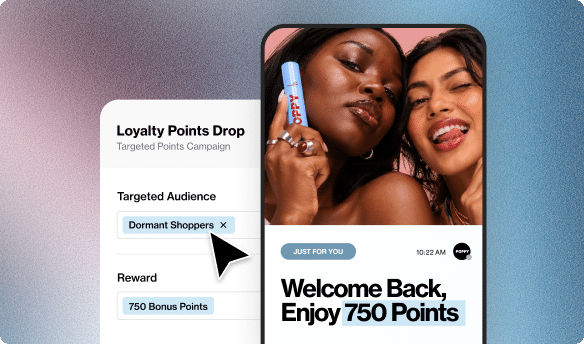
Run a targeted campaign specifically for them. Send an email reminding them of their current point balance and showcasing the rewards they’re close to unlocking. You could also offer them a small bonus point incentive to make their next purchase and get them active in the program again.





 Join a free demo, personalized to fit your needs