








What is Vertical Market?
Have you ever walked into a store that sells only one very specific kind of thing? Like a shop just for comic books, or a bakery that only makes gluten-free cakes, or maybe even a store that specializes in shoes for running? These kinds of businesses often operate in what we call a vertical market. It might sound like a fancy business term, but it’s actually pretty simple to understand, even if you’re just starting to learn about how businesses work.
Imagine the whole world of shopping as a giant supermarket. A horizontal market would be like that big supermarket where you can find almost anything: milk, bread, toys, clothes, and even electronics. It tries to sell to a very wide range of people with many different needs. On the other hand, a vertical market is like one of those specialty stores inside a big shopping mall. It focuses on serving a very specific group of customers who have a particular need or interest. These customers are all looking for similar things, and the business focuses all its energy on meeting those exact needs perfectly.
Why Do Businesses Choose a Vertical Market?
You might wonder why a business would choose to sell to only a small group of people instead of everyone. Well, there are some really good reasons! Think about it like this: if you want to be the best at something, it’s often easier to focus all your energy on one specific task.
Becoming an Expert
When a business focuses on a vertical market, it becomes an expert in that specific area. If you only sell running shoes, you’ll know everything about running shoes: different brands, what kind of shoes are best for different types of running, and even how to make sure the shoes fit perfectly. This means you can offer much better advice and products than a big supermarket that sells running shoes alongside a thousand other things. Customers who are serious about running will definitely prefer to go to the expert store!
Understanding Customers Better
In a vertical market, businesses get to know their customers really, really well. They understand their problems, their wishes, and what makes them happy. For example, a company that sells natural pet food knows that their customers care a lot about their pets’ health and natural ingredients. They can then create special products and talk about them in a way that truly speaks to those pet owners. This deep understanding helps businesses build strong relationships with their customers.
When you really know your customers, you can provide amazing customer experiences. For instance, gathering customer reviews and showing them off can be super helpful. If other customers, who are just like them, share how much they love your special pet food, new shoppers will trust you more. This kind of shared experience is really powerful.
Making Marketing Easier
It’s much easier to talk to a small, focused group of people than to try and talk to everyone in the world. If you sell skateboards, you know your customers are probably interested in skateboarding parks, cool new tricks, and skateboarder culture. You can advertise where they hang out, both online and offline, and use language that they understand and appreciate. This saves time and money because you’re not trying to reach people who don’t care about skateboards.
Less Competition (Sometimes)
While there might still be other businesses in the same vertical market, the competition can sometimes be less intense than in a wide, horizontal market. Because you’re specialized, you’re not competing with every big box store out there. Instead, you’re competing with other specialists, and you can stand out by being even better at serving that niche.
Examples of Vertical Markets
To make this even clearer, let’s look at some fun examples:
| Vertical Market | What it Focuses On | Example Business |
|---|---|---|
| Eco-friendly Clothing | Selling clothes made from sustainable materials that don’t harm the Earth. | A brand that only sells t-shirts made from organic cotton and recycled plastic. |
| Gaming Accessories | Products specifically for video gamers, like special keyboards, headsets, or controllers. | A store selling high-tech gaming mice, mechanical keyboards, and virtual reality gear. |
| Handmade Soaps | Soaps made by hand with natural ingredients, often with unique scents or designs. | A small business creating artisan soaps from goat’s milk and essential oils. |
| Vegan Snacks | Food items specifically for people who don’t eat animal products. | An online store specializing in plant-based jerky, cookies, and energy bars. |
| Smart Home Devices | Gadgets that connect to the internet to make your home smarter, like smart lights or thermostats. | A shop dedicated to smart plugs, security cameras, and voice assistants for homes. |
As you can see, these businesses aren’t trying to sell to everyone. They have a very clear idea of who their customers are and what those customers want.
How Do Businesses Find Their Vertical Market?
Finding the right vertical market is like finding a hidden treasure! Businesses usually do this by:
* Looking at their own passions: What do the business owners really love and know a lot about? If they love knitting, maybe a vertical market for special knitting supplies would be a good fit.
* Spotting a need: Sometimes, people notice that a certain group of customers isn’t being served very well. Maybe parents of toddlers can’t find good organic baby food in their area. That’s a need!
* Researching trends: What are people becoming more interested in? More people are thinking about healthy eating or helping the environment. This can open up new vertical markets.
Once a business picks its vertical, it needs to be really good at listening to its customers and building a strong community around its products. One way to do this is by encouraging customers to share their thoughts and experiences. For example, businesses often ask customers to write about what they liked or even share pictures of how they use the products. This is known as User-Generated Content (UGC), and it’s a fantastic way to connect with a specific vertical market because it shows real people using and loving the products.
Building Strong Relationships in a Vertical Market
Because vertical markets are all about connecting with a specific group, building strong relationships is super important. It’s not just about selling a product; it’s about becoming a trusted friend or go-to expert for that community.
Listening to Customers and Acting on Feedback
Imagine you run that eco-friendly clothing store. Your customers probably care a lot about where the materials come from and how the clothes are made. If they suggest a new type of organic fabric or ask for more transparency about your supply chain, you should listen! Getting customer reviews is a powerful way to gather this kind of feedback. Not only do reviews show others that your products are great, but they also give you valuable ideas on how to improve and serve your unique customers even better. This makes your bond with your vertical market stronger.
Creating a Sense of Community
People in a vertical market often feel like they are part of a special club. They share common interests and values. Businesses can make this feeling even stronger by:
* Sharing helpful content: If you sell gaming accessories, you could share tips for playing new games or interviews with famous gamers.
* Hosting events: Maybe an online meet-up for people who love handmade soaps, where they can share their favorite scents.
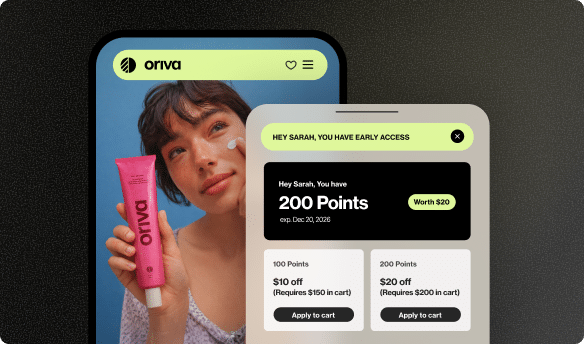
* Making customers feel special: Rewarding customers for their loyalty is a big one. For example, a loyalty program can make customers feel appreciated by giving them points, special discounts, or early access to new products. This encourages them to keep coming back to your special shop.
Think about it: if you’re a super fan of a specific type of board game, and there’s a store that not only sells all the best board games but also has a loyalty program that gives you special access to new releases or exclusive discounts, you’d definitely stick with that store, wouldn’t you? That’s the power of focusing on a vertical and building those connections.
The Benefits of Staying Focused
For businesses, staying focused on a vertical market offers several key advantages that help them grow and succeed:
* Easier to become a leader: It’s easier to become the number one choice in a small, specialized market than in a huge, general one.
* Stronger customer loyalty: When customers feel understood and valued, they’re much more likely to stick with a business. Loyalty programs, like those offered by Yotpo Loyalty, are fantastic tools for this. They turn happy shoppers into regular customers and even brand advocates.
* Higher profit margins: Because these businesses offer specialized products or services, and sometimes unique experiences, they can often charge a bit more for their items compared to a general store.
* Better word-of-mouth marketing: Happy customers in a vertical market love to tell their friends about great finds. If you’re the best eco-friendly clothing store, your customers will spread the word to other people who care about the environment. This is like free advertising and is incredibly powerful. You can learn more about how customers influence each other in things like the consumer decision-making process.
Businesses in vertical markets often use things like user-generated content, which includes photos and videos from real customers, to show off their unique community and products. This type of content truly resonates with other potential customers in that specific vertical. For example, a business selling gear for rock climbing could share amazing photos from their customers climbing mountains. This not only shows off the gear but also inspires others in the climbing community.
Challenges of Vertical Markets
Of course, nothing is perfect! Vertical markets also come with some challenges:
* Smaller customer base: By focusing on a specific group, you naturally have fewer potential customers than a general store. If that group suddenly changes its mind or its interests, the business might struggle.
* Dependence on specific trends: If the trend that your vertical market is based on fades away, your business might need to find a new focus. For example, if everyone stops caring about smart home devices, businesses selling only those might have a tough time.
* Growth can be slower: It might take more time to grow a specialized business compared to one that caters to everyone, simply because the pool of potential new customers is smaller.
However, many businesses find that the benefits of deep customer connections and expertise far outweigh these challenges. They thrive by being the very best at what they do for their chosen group of people.
How Yotpo Helps Businesses in Vertical Markets
So, how does all this business talk connect to something like Yotpo? Well, Yotpo helps businesses, especially those focused on specific vertical markets, build those strong relationships we talked about.
Imagine you’re running that special shop for running shoes. You want every customer to feel understood and cared for.
* Building Trust with Reviews: When customers visit your online store, they’ll want to know if other runners trust your shoes. With Yotpo Reviews, you can easily collect and display star ratings, written reviews, and even photos from your real customers. These reviews act like recommendations from friends, making new shoppers feel confident in your specialized store. For a vertical market, seeing reviews from people with similar interests (other runners!) is incredibly convincing. It shows that your business truly understands their needs and provides products that meet those needs. This helps improve your ecommerce conversion rate, which means more visitors turn into buyers.
* Keeping Customers Loyal with Rewards: Once a runner buys shoes from you, you want them to come back for their next pair or other running gear. This is where Yotpo Loyalty comes in. You can create a fantastic loyalty program that rewards customers for every purchase, referring friends (check out what a referral code is!), or even engaging with your brand. Maybe they earn points for buying shoes, and those points can be used for discounts on their next purchase or special access to new running accessories. A good loyalty program strengthens the bond within your vertical market, turning casual buyers into super fans who choose your specialized store every time. You can learn more about how to improve customer retention through such programs.
These two Yotpo products – Reviews and Loyalty – work like a team to help businesses in vertical markets connect deeply with their customers. Reviews build trust by showing off what existing customers love, and Loyalty keeps those customers coming back by making them feel special and appreciated. Both are essential for creating a successful and thriving business in any specialized market. Many successful businesses have used these strategies, and you can see some examples in Yotpo’s case studies.
Conclusion
So, what is a vertical market? It’s simply a business that chooses to be an expert in one specific area, serving a particular group of customers with unique needs. Instead of trying to be everything to everyone, these businesses focus all their energy on being the very best at one thing. They get to know their customers deeply, build strong communities, and offer products and experiences that perfectly match what their specific audience is looking for. This focused approach helps them build trust, create loyal fans, and often leads to great success. Tools like Yotpo Reviews and Yotpo Loyalty are super helpful for these businesses, allowing them to collect authentic customer feedback and reward their most dedicated shoppers, further strengthening their bond within their special market.










 Join a free demo, personalized to fit your needs