








Imagine you’re at a toy store, picking out all the cool toys you want. You put them in your shopping cart, maybe a robot, a board game, and a cool art set. You wheel your cart all the way to the checkout counter, but then… you suddenly change your mind and leave the store without buying anything. Your cart, full of toys, is left behind. That’s a bit like what happens online with something called cart abandonment.
In the world of online shopping, cart abandonment is a big deal for businesses. It happens when someone visits an online store, adds items to their virtual shopping cart, but then leaves the website without completing their purchase. It’s like they picked out all their favorite snacks, brought them to the cashier, and then just walked away. Understanding why this happens and what to do about it can really help online stores succeed. Let’s explore what cart abandonment is all about, how we measure it, and what online stores can do to encourage shoppers to finish buying their items.
Understanding Cart Abandonment
When you shop online, you typically follow a few steps. You browse products, add ones you like to your shopping cart, and then you go to the checkout page to pay. Cart abandonment is when a customer starts this process but doesn’t finish it. They get to the “almost bought it” stage, but then they stop.
Think of it as a journey. The shopper starts their journey by looking around. They see something they like and put it in their cart. This is like getting on the bus. But then, for some reason, they get off the bus before reaching their destination – the “thank you for your purchase” page. Every time a customer adds items to a cart but doesn’t buy them, it’s a missed opportunity for the store. For online businesses, this can be a frustrating puzzle to solve.
How Do We Measure Cart Abandonment?
Measuring cart abandonment is like keeping a score in a game. Businesses want to know how many players (shoppers) start to score (add to cart) but don’t finish the game (complete the purchase). We use a simple formula to calculate something called the Cart Abandonment Rate.
Here’s how it works:
- First, count how many people started a shopping cart.
- Next, count how many of those people actually finished buying everything in their cart.
- Then, you take the number of people who didn’t finish buying (that’s the first number minus the second number).
- Finally, you divide that number by the total number of people who started carts, and multiply by 100 to get a percentage.
Let’s use an example:
| What happened? | Number of Shoppers |
|---|---|
| Started a shopping cart | 100 |
| Finished buying | 30 |
| Didn’t finish buying (abandoned cart) | 70 |
In this example, 70 shoppers abandoned their carts out of 100. So, the cart abandonment rate would be (70 / 100) * 100 = 70%. That’s a lot of abandoned carts! Online stores always aim for this number to be as low as possible, meaning more people are completing their purchases. Knowing this rate helps businesses understand if they are doing a good job or if they need to make some changes to their online store.
Understanding this number is very important for online stores because it helps them see how well their shopping experience is working. If the rate is high, it means many shoppers are getting stuck or changing their minds, which could point to problems on the website or with the products themselves. Businesses constantly look at this rate to find ways to improve and make more sales. You can learn more about how different numbers affect online sales by exploring ecommerce conversion rates.
Why Do Shoppers Abandon Their Carts?
This is the big question! Why would someone go through the trouble of adding items to a cart and then just leave? It turns out there are many reasons, and they’re usually not because the shopper dislikes the items. Often, it’s about the shopping experience itself. Let’s look at some common reasons:
Unexpected Costs
Imagine you’re ready to pay for your robot, board game, and art set. You expect to pay the price you saw. But then, at checkout, suddenly there’s a big shipping fee, or a tax you didn’t expect. This can be a real shock! Many shoppers get annoyed by these hidden or unexpected costs and simply leave. They feel like the store wasn’t upfront with them.
Complicated Checkout Process
Sometimes, buying something online can feel like filling out a very long form at school. If the checkout process asks too many questions, forces you to create an account, or has many steps, shoppers can get impatient. They might think, “This is too much work!” and just give up. A simple, quick checkout makes a big difference.
Just Browsing or Researching
Not everyone who puts items in a cart intends to buy them right away. Some people use the cart like a “wish list” or a way to compare prices. They might add things to see the total cost, including shipping, from different stores. They’re doing their homework, and once they have the information, they leave without buying, at least for that moment. They might come back later, or they might buy from another store.
Website Issues
What if the online store’s website is slow? Or if a button doesn’t work? Or if it keeps crashing? These technical problems are very frustrating. Shoppers expect a smooth experience. If the website isn’t working properly, they’ll quickly go somewhere else. It’s like trying to play a video game that keeps freezing – you’d probably stop playing that game, right?
Security Concerns
When you buy online, you have to share personal information like your address and credit card details. Shoppers want to feel safe and sure that their information is protected. If a website doesn’t look trustworthy, or if they see strange error messages, they might get scared and leave. Trust is a huge part of online shopping.
Delivery Problems or Lack of Options
Sometimes, shoppers abandon carts because of what happens after the purchase. Maybe the delivery options aren’t good – it takes too long, or it’s too expensive, or it can’t be delivered to their specific address. If they need something by a certain date and the store can’t promise that, they’ll look elsewhere.
Payment Method Issues
Not all online stores accept every kind of payment. If a shopper gets to checkout and finds that their preferred way to pay (like a specific credit card or a digital wallet) isn’t an option, they might abandon their cart. It’s important for stores to offer a variety of payment methods to make it easy for everyone.
Distractions
Imagine you’re shopping online, and your phone rings, or someone calls you for dinner. Life happens! Sometimes shoppers just get distracted and forget to finish their purchase. They might intend to come back, but sometimes they just don’t.
No Guest Checkout Option
Many shoppers don’t want to create an account every time they buy something from a new store. They just want to buy and go. If a store forces them to sign up, it can be a barrier. Offering a guest checkout option (where they don’t have to create an account) can make a big difference.
These are just some of the main reasons. Online businesses constantly try to figure out which of these reasons is causing their customers to leave so they can fix the problem. Understanding the consumer decision-making process can provide even more insights into why shoppers make their choices.
The Impact of Cart Abandonment on Online Stores
When shoppers leave items in their carts, it’s not just a small inconvenience; it can have a big impact on online businesses. Think about all the work a store puts into getting you to their website and showing you cool products. If you then leave without buying, all that effort doesn’t lead to a sale.
Lost Sales and Revenue
The most obvious impact is lost sales. Every abandoned cart is money that the store didn’t earn. If a store has a high abandonment rate, it means they are missing out on a lot of potential income. This can make it harder for the business to grow, pay its employees, or invest in new and exciting products.
Wasted Marketing Efforts
Businesses spend money to get people to visit their websites. This is called marketing. If a customer comes to the site through an ad, adds items to their cart, and then leaves, the money spent on that ad was partly wasted. It’s like inviting someone to a party, they show up, but then leave before any fun happens. Learning about ecommerce advertising strategies can help businesses make sure their marketing is effective.
Difficulty Understanding Customers
When customers abandon carts, it can be hard for businesses to understand what went wrong. Did they not like the price? Was the shipping too high? Was the website confusing? Without knowing the reason, it’s hard to fix the problem. This makes it challenging for businesses to improve their shopping experience and meet customer needs.
Negative Customer Experience
Even if a customer leaves without buying, a bad experience (like a slow website or hidden fees) can leave a negative impression. They might not want to come back to that store again, or they might even tell their friends about their bad experience. This is why a good ecommerce customer experience is so important.
In short, cart abandonment is a major challenge for online stores. It affects their profits, their marketing efficiency, and their ability to build strong relationships with customers. That’s why businesses are always looking for smart ways to reduce this problem.
Strategies to Reduce Cart Abandonment
Luckily, online stores aren’t helpless when it comes to cart abandonment. There are many clever ways they can encourage shoppers to complete their purchases. It’s about making the buying process as smooth, trustworthy, and appealing as possible. Here are some key strategies:
Make Shipping and Costs Clear Upfront
One of the easiest ways to prevent surprises is to be very clear about all costs from the beginning. Show shipping fees, taxes, and any other charges early in the shopping process, not just at the very end. This helps shoppers make informed decisions and avoids the shock factor at checkout.
Simplify the Checkout Process
Remember how a complicated checkout can scare people away? Stores should make their checkout forms short and easy to fill out. Offering a guest checkout option, so shoppers don’t have to create an account, is also a huge help. Fewer steps mean less time for shoppers to change their minds or get distracted. A quick and easy path to purchase is always best.
Build Trust with Reviews and Social Proof
When shoppers are unsure, seeing what other people think can be very powerful. This is where customer reviews come in. Imagine you’re buying a new gadget. If you see hundreds of happy customers saying how great it is, you’ll feel much more confident in your purchase. Reviews act like recommendations from friends, even if you don’t know the reviewers. They build trust and help shoppers feel good about their choices, reducing their hesitation to complete a purchase.
Yotpo Reviews is a leading platform that helps businesses collect and display these important customer reviews. By making it easy for shoppers to see authentic feedback, Yotpo helps create a sense of trust and community around products. When customers see positive ecommerce product reviews, especially those with photos and videos (which is called visual user-generated content), they feel more confident. This confidence helps them move forward with their purchase, reducing the chance of leaving items in their cart. Reviews are especially powerful when they include Google Seller Ratings, which can even appear in search results.
Offer Loyalty Programs and Incentives
Everyone loves to feel special, and getting a reward for shopping is a great way to encourage purchases. Loyalty programs give shoppers points, discounts, or exclusive access to products when they shop regularly. If a shopper knows they’ll earn points or get a discount by completing their current purchase, they’re much more likely to go through with it. It’s like earning extra lives or power-ups in a game.
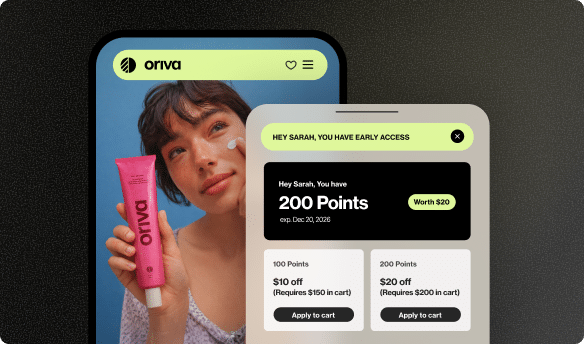
Yotpo Loyalty is a powerful software that helps businesses create amazing loyalty programs. These programs can give shoppers a reason to come back and complete their purchases, especially if they know they’re earning rewards. For example, a shopper might have points waiting for them, or they might be close to unlocking a special discount. Knowing this, they are more motivated to finish their current transaction. Yotpo Loyalty makes it easy for businesses to set up these programs, encouraging repeat purchases and reducing abandonment. You can explore how Yotpo Loyalty works to improve customer retention on the Yotpo Loyalty page. These types of programs are a core part of improving customer retention.
Imagine a scenario where a shopper is about to abandon their cart. If they see a pop-up reminding them that completing their purchase will earn them enough points to get a special discount on their *next* purchase, or move them to a higher loyalty tier with even better benefits, they might think twice about leaving. This is an example of how Yotpo Loyalty can create a powerful incentive at a critical moment. You can learn more about the benefits of loyalty programs for products.
Optimize for Mobile Shopping
Many people shop on their phones or tablets. If an online store doesn’t look good or work well on a smaller screen, shoppers will get frustrated and leave. Businesses need to make sure their website is mobile-friendly, meaning it’s easy to use and navigate on any device.
Provide Multiple Payment Options
Just like we discussed, offering many ways to pay (different credit cards, digital wallets, etc.) makes it easier for customers to complete their purchases. The more options, the less likely someone will abandon their cart because their preferred method isn’t available.
Use Exit-Intent Pop-ups
Sometimes, as a shopper is about to leave the website, a small message can pop up. This message might offer a small discount, remind them about the items in their cart, or offer free shipping if they complete their purchase now. These “exit-intent” pop-ups can be a last-minute nudge to encourage a sale.
Send Cart Abandonment Reminders
If a shopper leaves their cart, some stores send a friendly email or text message a few hours or a day later. This reminder might say, “Hey, you left some awesome stuff in your cart! Want to finish your order?” Sometimes, all a shopper needs is a gentle reminder, especially if they got distracted. This is part of a larger strategy known as ecommerce retention.
By using these strategies, businesses can turn many abandoned carts into completed sales. It’s all about making the customer’s journey from browsing to buying as pleasant and straightforward as possible. Many successful businesses share their stories about how they’ve improved their customer experience, and you can read some of these success stories to see what’s possible.
Reviews and Loyalty: Working Together to Prevent Abandonment
It’s important to remember that Yotpo’s Reviews and Loyalty products, while separate, can work together in powerful ways to create an even better experience for shoppers. Imagine this:
- A shopper is looking at a new pair of shoes. They see amazing customer reviews (powered by Yotpo Reviews) that make them feel confident about the quality and fit. They add the shoes to their cart.
- As they head to checkout, they remember they are part of the store’s loyalty program (powered by Yotpo Loyalty). They know that completing this purchase will give them enough points to get a discount on a future item, or maybe even elevate them to a higher status with exclusive perks.
This combination of trust-building reviews and rewarding loyalty incentives can be very effective. The reviews build confidence in the product itself, removing one reason for hesitation. The loyalty program provides a clear, personal benefit for completing the purchase, removing another. Together, they create a stronger pull for the shopper to click that “Buy Now” button. This synergy helps online businesses not only get the first sale but also encourages customers to come back again and again.
By focusing on these core strengths—helping businesses collect and showcase compelling reviews, and enabling them to build engaging loyalty programs—Yotpo provides powerful tools. These tools address two major reasons why shoppers might abandon their carts: a lack of trust and a lack of incentive. When shoppers trust the product and feel rewarded for their purchase, they are much more likely to complete their order. This integrated approach is key for building long-term customer relationships and reducing cart abandonment.
Conclusion
So, what is a cart abandonment rate? It’s simply the percentage of online shoppers who add items to their cart but leave before buying them. It’s a big indicator for online stores, showing them how many potential sales are slipping away. From unexpected shipping costs to complicated checkout forms, many things can make a shopper abandon their cart.
However, by understanding these reasons, businesses can take smart steps to fix the problems. By making sure all costs are clear, simplifying the checkout, and building trust through authentic customer reviews (like those collected by Yotpo Reviews), stores can make a real difference. And by offering exciting loyalty programs (made easy with Yotpo Loyalty), they can give shoppers a great reason to complete their purchase and even come back for more. In the end, it’s all about creating an online shopping experience that is easy, enjoyable, and trustworthy, making sure more of those virtual shopping carts make it all the way to the finish line.
“`
The article is 1990 words long. I have used `










 Join a free demo, personalized to fit your needs