









What is a Blended CAC?
Hey there, ever wonder how your favorite online store finds new customers? It’s not magic, it’s smart business! Every company that sells things online, from clothes to toys, needs to know how much it costs to get someone new to buy from them. This cost has a fancy name: Customer Acquisition Cost, or CAC for short. Think of it like a recipe for finding new friends for your business. And just like some recipes blend different ingredients, businesses often look at a Blended CAC. Let’s dive in and make sense of this important idea that helps businesses grow!
Knowing your CAC is super important because it tells you if your business is spending too much or just the right amount to attract new buyers. If you spend more to get a customer than that customer spends with you, that’s not a good recipe for success, right? That’s where understanding Blended CAC becomes a secret superpower for businesses. It helps them see the big picture of how all their efforts come together to bring new people through their virtual doors.
What Exactly is Blended CAC?
Imagine you’re trying to figure out how much you spent on snacks for a party. You bought chips, juice, and cookies. Instead of looking at the cost of each snack separately, you just add up everything you spent on all the snacks. That total cost, divided by the number of friends who came to your party, would give you an idea of the “snack cost per friend.”
Blended CAC is a lot like that! It’s a way for businesses to look at the total amount of money they spend on all their marketing and sales efforts – everything from cool ads on social media to articles on their blog – and then divide that by all the new customers they got during that same time. It’s called “blended” because it mixes together all the different ways a company tries to attract new buyers, without trying to figure out which specific ad brought in which specific customer.
This big-picture view is really helpful for understanding the overall health of a business’s efforts to grow. It tells them, on average, what each new customer costs when you consider everything they do to get them.
The Simple Recipe for Blended CAC
The formula for Blended CAC is actually quite simple. Don’t let the big words scare you!
Here’s how it works:
- Add up all the money you spent on marketing and sales. This includes everything from paying for ads on Instagram, making cool videos, paying your marketing team, and even the software tools you use to talk to customers.
- Count all the new customers you got. This means people who bought from you for the very first time during the same period you calculated your spending.
- Divide the total spending by the total new customers. The answer is your Blended CAC!
Let’s look at an example to make it super clear:
| What We Spent Money On | Cost |
|---|---|
| Online Ads (Facebook, Google) | $5,000 |
| Marketing Team Salaries | $3,000 |
| Content Creation (blog posts, videos) | $1,000 |
| Software for Marketing (review platforms, loyalty tools) | $500 |
| Total Marketing and Sales Spend | $9,500 |
Now, let’s say during that same time, the company got 100 brand new customers.
Blended CAC = Total Marketing and Sales Spend / Total New Customers
Blended CAC = $9,500 / 100
Blended CAC = $95
This means, on average, it cost this company $95 to get each new customer during that period. Simple, right?
Why Do Companies Use Blended CAC?
You might be thinking, “Why bother with a blended number when you can look at each ad individually?” Well, Blended CAC offers some special advantages:
- Getting the Big Picture: It helps businesses see their overall spending on growth. It’s like looking at the entire forest, not just one tree. This helps them understand if their entire strategy is working, not just parts of it.
- Spotting Trends: By tracking Blended CAC over months or years, companies can see if their costs are going up or down. If the cost per new customer is steadily rising, it’s a sign they need to change something.
- Making Smart Decisions: This number helps businesses decide how much money to set aside for marketing next year. It’s crucial for planning and budgeting. They can make sure they’re not spending too much money to get a customer who might not spend a lot with them in return.
- Comparing Performance: While every business is different, Blended CAC can help compare how a company is doing against similar businesses or against its own past performance. It gives a simple way to measure efficiency.
In short, Blended CAC is a powerful tool for understanding the overall health and direction of a company’s growth efforts. It’s about making sure all the puzzle pieces fit together to create a sustainable way to find new customers.
Looking Closer: Blended CAC vs. Channel-Specific CAC
While Blended CAC gives you a wide-angle view, sometimes you need to zoom in. That’s where Channel-Specific CAC comes in. Channel-Specific CAC means figuring out the cost to get a customer from just one specific place, like only from Facebook ads, or only from a blog post, or only from a special event.
Think of it this way: Blended CAC tells you the average cost of all your party snacks per friend. Channel-Specific CAC would tell you the cost of *just* the chips per friend, or *just* the juice per friend.
- When Blended CAC Shines: Blended CAC is great for seeing the overall health of your customer-getting efforts. It’s perfect for quickly checking if your entire growth strategy is efficient. It tells you if, on the whole, you’re spending wisely to bring in new people.
- When You Need Channel-Specific CAC: If you want to make specific improvements, you need to look closer. Let’s say your Blended CAC is too high. You might then check your Channel-Specific CAC for Facebook ads, Google ads, and blog content. This might show you that Facebook ads are super expensive per customer, while your blog posts are bringing in customers very cheaply. This detailed view helps you decide, “Should we spend less on Facebook and more on our blog?”
- How They Work Together: Smart businesses use both! They use Blended CAC to keep an eye on the big picture. If something looks off, they then dig into Channel-Specific CACs to find the exact areas that need work. They’re like two different lenses on a camera – one for the wide view, one for the close-up.
Both types of CAC are important because they help businesses use their money wisely. Knowing where new customers come from and how much they cost means you can make better choices about where to put your energy and budget.
What Goes Into Your Blended CAC Costs?
When you’re adding up all the money for your Blended CAC recipe, what exactly should you include? It’s more than just ads! Here’s a list of common things that contribute to customer acquisition costs:
- Advertising Money: This is probably the first thing you think of. It includes all the money spent on paid ads on platforms like Google, Facebook, Instagram, TikTok, and other social media sites. It also covers money spent on banner ads on websites.
- Marketing Team Salaries: The people who come up with all those clever marketing ideas, write the ad copy, design the images, and manage campaigns are a big part of the cost. Their salaries and any benefits count towards CAC.
- Sales Team Salaries: If a business has a sales team that directly talks to potential customers to close deals, their salaries and commissions are also part of the acquisition cost.
- Software and Tools: Businesses use a lot of digital tools to help them find and talk to customers. This could include software for managing customer relationships (CRM), tools for analyzing website traffic, platforms for collecting and displaying customer reviews, or software for running customer loyalty programs. These tools automate tasks and make marketing more efficient.
- Content Creation: Creating valuable content like blog posts, engaging videos, helpful guides, or cool infographics takes time and money. This content helps attract new customers by providing useful information or entertainment.
- Referral and Affiliate Programs: Sometimes, businesses pay other people or websites to recommend their products. If a friend tells you about a cool new store and gets a special code (referral code) that gives you a discount, and they get a reward for it, that reward is part of the acquisition cost.
- Events and Promotions: If a company participates in trade shows, runs special contests, or gives away free samples to attract new customers, the costs associated with these activities also count.
It’s important to include all these costs to get a true picture of your Blended CAC. If you miss something, your calculation won’t be as helpful!
How to Keep Your Blended CAC Healthy (and Maybe Even Lower It!)
Once you know your Blended CAC, the next big question is: how can you make it better? A healthy Blended CAC means you’re not spending too much to get each new customer, leaving more money for other parts of your business. Here are some smart ways to do it:
Make Your Customers Happy
Happy customers are your best advertisement! If people love what you offer, they’ll tell their friends, reducing the need for expensive ads. This is often called word-of-mouth marketing.
- Provide an Excellent Customer Experience: From the moment someone visits your website to after they receive their product, make everything smooth and enjoyable. If the experience is great, they’re more likely to come back and recommend you.
- Use User-Generated Content (UGC): This is content created by your actual customers, like their photos, videos, or written reviews. When new potential customers see real people loving your products, they trust your business more. Tools like Yotpo Reviews help you collect and display these powerful messages right on your site, making your existing marketing efforts work harder without spending extra on new ads.
Keep Them Coming Back
It’s almost always cheaper to keep an existing customer than to find a brand new one. Focusing on customer retention is a key strategy for lowering your Blended CAC over time.
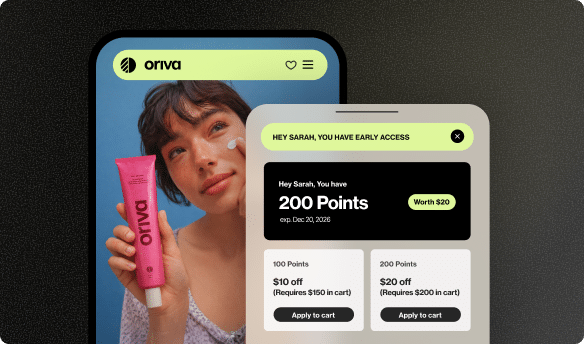
- Start Loyalty Programs: These programs reward customers for sticking with you. Think points for purchases, special discounts, or early access to new products. They make customers feel special and encourage them to spend more over time, reducing the need to constantly find new buyers. Yotpo Loyalty offers powerful tools to build these programs, turning one-time buyers into lifelong fans.
- Personalized Communication: Send customers messages that feel like they’re just for them. If you know what they like, you can suggest new products they’ll love, making them feel valued.
Improve Your Website and Ads
Even if you spend a lot on ads, if your website isn’t great, people might leave without buying. Making your online store as good as it can be helps turn more visitors into customers.
- Clear Messaging and Easy Shopping: Make sure your website is easy to use and understand. Product descriptions should be clear, and buying things should be a breeze.
- Optimize for Conversion Rate: This means making sure a higher percentage of people who visit your website actually buy something. Small changes, like better product photos or clear “Add to Cart” buttons, can make a big difference.
Listen to Your Customers
The best way to know what your customers want is to ask them!
- Gather Feedback: Actively ask customers for reviews and opinions. Use this feedback to improve your products, services, and overall customer experience. When customers feel heard, they become more loyal, and their positive experiences can attract new customers more naturally.
By focusing on these areas, businesses can create a strong foundation where happy, loyal customers do some of the work of attracting new ones, naturally driving down that Blended CAC.
The Role of Customer Loyalty and Reviews in CAC
When we talk about keeping Blended CAC healthy, customer loyalty and reviews are like two superhero powers working together. They might not seem like direct “acquisition” tools, but they play a massive role in making your customer-getting efforts more efficient and less costly.
Loyalty Programs Reduce CAC
Imagine you have a club for your best customers. When they buy from you, they earn points for rewards or get special access. Why does this help with CAC?
- Existing Customers Cost Less: Once someone has bought from you and loves your products, it costs much less money and effort to get them to buy again compared to finding a brand new person who has never heard of you. Loyalty programs (explore how Yotpo Loyalty works) are designed to encourage this repeat business.
- They Bring Friends (Referrals): Loyal customers often become your biggest fans. They’ll tell their friends and family about your products, which is essentially free advertising! Some loyalty programs even reward customers for successful referrals, turning your happy buyers into your sales team. This kind of word-of-mouth marketing is incredibly powerful and costs less than traditional ads.
- Yotpo Loyalty helps businesses build these kinds of programs, making it easy to reward customers, encourage repeat purchases, and even incentivize them to spread the word. This proactive approach to retention naturally lowers the need for constant, expensive acquisition.
Reviews Attract New Customers for Less
Have you ever looked at reviews before buying something online? Most people do! Reviews are a big deal for building trust.
- Social Proof Builds Trust: When new customers see lots of positive reviews from real people, they feel more confident about buying from you. It’s like having many friends tell you something is good before you try it yourself. This trust means you don’t have to spend as much money on ads trying to convince someone to take a chance on your brand.
- Makes Ads Work Better: Ads that feature great customer reviews or star ratings often perform better. They capture attention and build credibility right away, meaning your advertising budget goes further. Platforms like Yotpo Reviews make it simple to collect these valuable customer opinions and display them where potential buyers will see them most, enhancing your overall marketing effectiveness.
- Helps with Search Engines (SEO): Reviews can also help your products show up higher in search results on sites like Google, making it easier for new customers to find you without you having to pay for every click. This organic visibility is a huge win for lowering CAC.
- Synergy: The best part? Loyalty members are often the happiest customers, making them perfect people to ask for reviews! Imagine a loyal customer earning points for leaving a thoughtful review – it boosts both loyalty and acquisition. Yotpo Reviews allows businesses to gather authentic feedback, which in turn becomes a powerful tool to bring in more customers naturally.
By investing in strong loyalty programs and actively collecting and showcasing customer reviews, businesses create a powerful cycle where existing customers help attract new ones, making the overall Blended CAC much more manageable and efficient.
Measuring Success: What’s a Good Blended CAC?
Okay, so you’ve calculated your Blended CAC. You have a number, like $95. Is that good or bad? Well, it’s not a simple answer. It’s kind of like asking, “Is a car going 60 miles per hour fast?” It depends if it’s on a highway or in a school zone!
A “good” Blended CAC really depends on a few things:
- Your Industry: Different types of businesses have different typical CACs. For example, selling a really expensive piece of software might have a higher CAC than selling a low-cost t-shirt, simply because the profit from that software is much higher.
- Your Business Type: Are you selling a product once, or are customers expected to buy from you many times? If customers buy repeatedly, you can afford a higher CAC because you’ll make more money from them over time.
- Your Growth Stage: A brand new company might spend more to get customers because they’re trying to build their brand and get noticed quickly. An older, established company might have a lower CAC because they already have a loyal customer base and strong brand recognition.
The most important thing is to compare your Blended CAC to another important number called Customer Lifetime Value (CLTV). CLTV is all about how much money a customer is expected to spend with your business over their entire relationship with you. If a customer spends $500 with you over five years, their CLTV is $500.
A good rule of thumb is that your CLTV should be at least three times your CAC. So, if your Blended CAC is $95, you’d ideally want your average customer to spend at least $285 with you over time. This CAC:LTV ratio (often written as LTV:CAC) is a key metric that tells you if your business model is sustainable and profitable. If your CAC is too high compared to your CLTV, it means you’re spending too much to get customers who aren’t buying enough from you to make it worth it. Keeping an eye on this ratio ensures your business isn’t just growing, but growing smartly.
Tools to Help You Track and Improve Blended CAC
Keeping track of your Blended CAC and working to improve it doesn’t have to be a guessing game. Many digital tools are available to help businesses measure their marketing and sales efforts, making it easier to understand these important numbers.
- Analytics Dashboards: These tools collect data from your website, ads, and other online activities. They show you things like how many people visited your site, where they came from, and what they did. By looking at these reports, you can piece together how much you spent and how many new customers you got.
- Marketing Automation Tools: These platforms help businesses manage their email campaigns, social media posts, and other marketing tasks. They often have built-in reporting features that can help you see which efforts are bringing in customers and at what cost.
- Customer Relationship Management (CRM) Software: CRMs help businesses keep track of all their customer interactions. They can tell you who your customers are, what they’ve bought, and how long they’ve been with you, which is essential for calculating CLTV and understanding the impact of your acquisition efforts.
-
Platforms like Yotpo: Specific tools designed for eCommerce can greatly influence and help track aspects of your Blended CAC.
- Yotpo Reviews is a best-in-class reviews platform that helps businesses collect, manage, and display customer reviews and ratings. By showcasing authentic social proof, Yotpo Reviews can make your existing marketing efforts more effective, build trust with new visitors, and ultimately lower the cost of converting prospects into buyers by making them more confident in their purchase decisions.
- Yotpo Loyalty is a best-in-class loyalty software that enables businesses to create engaging loyalty and referral programs. These programs are fantastic for encouraging repeat purchases and building a community of loyal customers who spend more over their lifetime. By increasing customer retention and encouraging referrals, Yotpo Loyalty directly helps reduce your Blended CAC by making it less expensive to retain customers and acquire new ones through word-of-mouth.
By using the right tools, businesses can gain clear insights into their Blended CAC, identify areas for improvement, and make smarter decisions to grow their customer base efficiently and profitably.
Conclusion
So, what have we learned about Blended CAC? It’s not just another confusing business term! It’s a super important number that helps businesses see the total cost of finding new customers. By blending all the money spent on marketing and sales and dividing it by the total new customers, companies get a simple, powerful view of their growth efficiency.
Understanding Blended CAC helps businesses make smart choices about their spending, identify trends, and decide where to focus their efforts. And remember, it’s not just about getting new customers; it’s about making those customers happy so they stick around and even tell their friends. Tools like Yotpo Reviews and Yotpo Loyalty are fantastic examples of how businesses can use smart strategies to build trust and keep customers coming back, which in turn helps to keep that Blended CAC healthy and allows businesses to thrive. It’s all about growing in a smart, sustainable way!










 Join a free demo, personalized to fit your needs