


Transactional relationships are no longer sufficient to ensure customer retention. Consumers are looking for more; they want to connect with brands that share their values and represent something beyond profit. This is where brand purpose becomes essential.
A clearly defined and authentic brand purpose serves as the foundation for building deep, lasting customer loyalty. It transforms casual buyers into passionate advocates who feel a genuine connection to your brand. This article explores the critical link between brand purpose and loyalty and provides a roadmap for building an unbreakable bond with your customers.
Key Takeaways: Brand Purpose & Loyalty
- Purpose Drives Connection: Modern consumers, particularly younger generations, actively seek out brands whose values align with their own. A strong brand purpose creates an emotional connection that transcends transactions.
- Authenticity is Non-Negotiable: Your brand purpose must be genuine and consistently reflected in every action your company takes. Inconsistency or “purpose-washing” can damage trust and alienate customers permanently.
- Integrate Purpose Across All Touchpoints: For brand purpose to be effective, it cannot exist only in marketing campaigns. It must be woven into your products, customer service, company culture, and loyalty initiatives.
- Loyalty Programs Should Reflect Purpose: Move beyond simple points-for-purchases. Design loyalty programs that reward customers for engaging with your brand’s mission, such as through charitable donations, recycling programs, or community involvement.
- Technology is a Key Enabler: Specialized platforms can help you build, manage, and scale a purpose-driven loyalty program that is both meaningful and effective.
What is Brand Purpose and Why Does It Matter for Loyalty?
Brand purpose is your company’s reason for being, beyond generating revenue. It is the positive impact you aim to have on your customers, your community, and the world. It can be considered your brand’s North Star, guiding every decision, from product development to marketing campaigns and customer service interactions. It answers the fundamental question: “Why do we exist?”
In an increasingly crowded marketplace, brand purpose has become a powerful differentiator. Consumers today are more informed and discerning than ever before. They have countless options and are looking for reasons to choose one brand over another. Price and quality remain important, but they are often foundational requirements. The real tiebreaker is a brand’s values and principles.
The Shift in Consumer Behavior
We are seeing a significant shift in what drives consumer loyalty. A study from Deloitte found that purpose-driven companies report 30% higher levels of innovation and 40% higher levels of workforce retention. While this speaks to internal benefits, the external impact is just as profound. The same study revealed that more than half of consumers are influenced by a brand’s values and social impact when making purchasing decisions.
This trend is particularly strong among younger generations. Millennials and Gen Z are leading this charge, demanding transparency, authenticity, and accountability from the brands they support. They are more likely to research a company’s ethical practices, environmental impact, and social contributions before making a purchase. For these consumers, a purchase is a vote for the kind of world they want to live in. If your brand’s purpose aligns with their personal values, you are not just gaining a customer; you are gaining an advocate. This alignment is the essence of building a strong connection between brand purpose and loyalty.
From Transactional to Relational Loyalty
Traditional loyalty was often transactional, based on factors like price, convenience, or a simple points system. While these elements are still relevant, this form of loyalty is easily broken. A customer might switch brands the moment a competitor offers a better price or a more convenient option.
Purpose-driven loyalty, however, is relational. It is built on a much stronger foundation of shared values and a true emotional connection. When customers believe a brand genuinely cares about the same things they do, they form a bond that withstands competitive offers. They become more forgiving of occasional mistakes, are often willing to pay a premium, and are far more likely to recommend the brand to others. This creates true lifetime value and distinguishes a customer who simply buys from you from one who feels they belong with you.
In short, brand purpose matters for loyalty because it taps into a fundamental human need for connection and meaning. By standing for something more than your bottom line, you give customers a reason to believe in your brand, not just buy from it. This belief is the cornerstone of an unbreakable bond.
How to Define and Authenticate Your Brand’s Purpose
Defining your brand’s purpose is not a marketing exercise. It is a deep, introspective process that requires honesty, reflection, and a genuine commitment to making a positive impact. An authentic purpose cannot be manufactured; it must be discovered. Here is a step-by-step guide to help you uncover and articulate your brand’s unique reason for being.
1. Look Inward: Revisit Your Origin Story
Every brand has an origin story. Why was the company started in the first place? What problem was the founder trying to solve? Often, the seeds of your brand’s purpose can be found in its founding principles. Return to the beginning and ask some fundamental questions:
- What was the initial passion that sparked the business idea?
- What were the core values that guided the early decisions?
- Beyond financial goals, what did the founders hope to achieve?
This exercise can help you reconnect with the original “why” that has likely been the driving force behind your brand all along. It is about rediscovering the soul of your company.
2. Listen to Your Stakeholders: Involve Your Team and Customers
Your brand’s purpose should not be dictated from the top down. To be truly authentic, it needs to resonate with everyone your brand touches. This means involving both your internal team and your most loyal customers in the discovery process.
- Engage Your Employees: Your team members are the ones bringing your brand to life every day. Conduct workshops, surveys, and one-on-one interviews to understand what they believe the company stands for. Ask them what they are proud of and what motivates them to come to work. Their insights are invaluable because if your own team does not believe in your purpose, your customers never will.
- Talk to Your Customers: Your most loyal customers are your biggest fans for a reason. They have already formed a connection with your brand that goes beyond your products. Reach out to them and ask what they value about your brand. What makes them choose you over competitors? You might be surprised to learn that what they love most about you is not what you thought it was.
3. Identify Your Unique Strength: What Are You Uniquely Good At?
Every brand has a unique set of strengths and capabilities. What is the one thing your company does better than anyone else? This unique strength is often closely linked to your purpose. For example:
- If you are exceptionally good at simplifying complex technology, your purpose might be to empower people through accessible innovation.
- If your strength is in creating high-quality, durable products, your purpose could be to promote conscious consumption and reduce waste.
By identifying what you are uniquely good at, you can find a purpose that you are authentically equipped to deliver on. It ensures that your purpose is not just an empty promise but something you can back up with tangible actions.
4. Articulate Your Purpose: Keep It Clear, Concise, and Actionable
Once you have gathered all these insights, it is time to craft your purpose statement. This should not be a long, jargon-filled paragraph. The best purpose statements are short, memorable, and easy to understand. They should inspire action and serve as a clear guide for decision-making.
A good purpose statement typically has two parts:
- A verb: What action are you taking? (e.g., “To empower,” “To inspire,” “To create”)
- An outcome: What is the positive impact of that action? (e.g., “…a more connected world,” “…healthier communities,” “…a sustainable future”)
For example, Patagonia’s purpose is “We’re in business to save our home planet.” It is clear, powerful, and informs everything they do, from the materials they use to their political activism.
The Litmus Test: Authenticity
After you have defined your purpose, the most crucial step is to live it. Authenticity is everything. Your purpose must be reflected in your company culture, your business practices, and every interaction you have with your customers. If you claim to be an environmentally friendly brand but use wasteful packaging, customers will see right through it. This is where many brands fail. They treat purpose as a marketing slogan rather than a core business strategy.
To ensure authenticity, constantly ask yourself:
- Does this decision align with our purpose?
- Are we being transparent about our efforts, even when we fall short?
- Are we prepared to make tough choices, even if it means sacrificing short-term profit, to stay true to our purpose?
Building a purpose-driven brand is a long-term commitment. It requires courage, consistency, and a willingness to be held accountable. But when done right, it can create a level of trust and loyalty that is truly unbreakable.
Weaving Purpose into the Customer Experience
A well-defined brand purpose is an excellent starting point, but it is not enough to simply state it on your website. To build a genuine connection with your customers, your purpose must be a living, breathing part of their entire experience with your brand. It needs to be consistently and authentically woven into every touchpoint. Here is how you can make your purpose tangible for your customers.
Marketing and Communications: Tell Your Story
Your marketing channels are the most direct way to communicate your purpose. However, this is not about running a single “purpose-driven” campaign. It is about consistently telling a story that reflects your values.
- Content Creation: Create content that goes beyond your products. If your purpose is to promote a healthy lifestyle, your blog and social media could feature fitness tips, healthy recipes, and interviews with wellness experts. This shows that you are genuinely committed to your purpose, not just using it to sell products.
- Transparency in Messaging: Be open and honest about your journey. Share your successes, but also be transparent about your challenges. If you are working to become more sustainable, talk about the steps you are taking and the hurdles you are facing. This vulnerability builds trust and makes your brand more human and relatable.
- Community Building: Use your platforms to build a community around your shared purpose. Encourage user-generated content that showcases how your customers are living your brand’s values. This not only provides social proof but also strengthens the bond between your customers and your brand.
Product Development and Sourcing: Make Your Purpose Tangible
Your products are the most tangible manifestation of your brand. They should be a direct reflection of your purpose.
- Ethical Sourcing: If your purpose is related to social responsibility, ensure that your supply chain is ethical and transparent. This could mean using fair-trade ingredients, partnering with responsible manufacturers, or ensuring that your workers are paid a living wage.
- Sustainable Materials: For environmentally-focused brands, this means using recycled, upcycled, or biodegradable materials. Think about the entire lifecycle of your product, from creation to disposal. Can it be repaired? Can it be recycled?
- Purpose-Driven Innovation: Let your purpose guide your innovation. If your purpose is to make life easier for busy parents, your product development should focus on convenience, durability, and safety. Every new product should be a solution that aligns with your core mission.
Customer Service: Empower Your Team to Be Ambassadors
Your customer service team is on the front lines, interacting with your customers every day. They are your most important brand ambassadors.
- Empowerment and Training: Train your team on your brand’s purpose and empower them to make decisions that align with it. If your purpose is to provide exceptional customer care, give your support agents the authority to solve problems without needing to escalate every issue.
- Personalized Interactions: Encourage your team to go beyond scripted responses. A customer service interaction is an opportunity to build a relationship. A simple, genuine conversation about a shared value can turn a frustrated customer into a loyal advocate.
- Listen and Learn: Customer feedback is a gift. Use your customer service channels to listen to what your customers are saying about your purpose. Are you living up to their expectations? Where can you improve? This feedback loop is essential for staying authentic and relevant.
The Power of Consistency
The key to successfully weaving purpose into the customer experience is consistency. Every touchpoint should tell the same story. When your marketing messages, your products, and your customer service are all aligned with your purpose, you create a seamless and trustworthy brand experience. This consistency reinforces your authenticity and deepens the emotional connection with your customers, transforming casual buyers into lifelong fans. The link between brand purpose and loyalty is forged through these consistent, purpose-driven actions.
Leveraging Loyalty Programs to Reinforce Brand Purpose
Traditional loyalty programs are often a one-way street: customers spend money, and in return, they get points or discounts. While this can be effective at driving repeat purchases, it does little to build a deeper emotional connection. A purpose-driven loyalty program, however, can transform this transactional relationship into a meaningful partnership. It is an opportunity to reward customers not just for what they buy, but for who they are and what they believe in.
Moving Beyond Transactional Rewards
The first step in creating a purpose-driven loyalty program is to rethink the very nature of rewards. Instead of focusing solely on discounts and free products, consider rewards that align with your brand’s purpose and your customers’ values.
- Charitable Donations: Allow customers to donate their points to a charity that aligns with your brand’s mission. This not only supports a good cause but also gives your customers a sense of shared impact. They feel good about their purchases, knowing that they are contributing to something meaningful.
- Access to Exclusive Experiences: Offer rewards that money cannot buy. This could be an invitation to a volunteer day with your team, a workshop with a sustainability expert, or early access to a product made with a new, innovative material. These experiences create lasting memories and strengthen the sense of community.
- Non-Purchase-Based Engagement: Reward customers for actions that support your purpose, even if they do not involve a purchase. This could include things like recycling your product packaging, writing a review that helps other customers make informed choices, sharing educational content from your blog on social media, or completing a quiz about your brand’s sustainability practices.
By rewarding these types of engagement, you show that you value your customers for more than just their wallets. You are acknowledging them as partners in your mission.
Designing a Program That Reflects Your Values
The structure of your loyalty program should also reflect your brand’s purpose. This goes beyond the rewards themselves and extends to the overall experience.
- Tier Names and Branding: Get creative with your tier names. Instead of “Silver, Gold, Platinum,” use names that are meaningful to your community. A brand focused on outdoor adventure could have tiers like “Explorer, Adventurer, Trailblazer.” This small detail reinforces your brand’s personality and makes the program feel more special.
- Partnerships with Like-Minded Brands: Collaborate with other brands that share your values. This could involve offering co-branded rewards or exclusive discounts for each other’s customers. These partnerships not only provide more value to your loyalty members but also strengthen your brand’s positioning and introduce you to a new, like-minded audience.
- Communication and Storytelling: Use your loyalty program communications to tell the story of your collective impact. Share updates on how much has been donated to charity through the program, showcase customers who are making a difference, and celebrate milestones together. This turns your loyalty program from a simple marketing tool into a powerful community-building platform.
The Impact on Customer Loyalty
A purpose-driven loyalty program does more than just encourage repeat business. It fosters a sense of belonging and shared identity. Customers who are part of such a program feel like they are part of something bigger than themselves. They are not just members; they are advocates.
This deeper level of engagement has a direct impact on key business metrics. Customers in a purpose-driven loyalty program are likely to have a higher lifetime value, be more resilient to competitive offers, and be more vocal in their support for your brand. They are the customers who will stand by you, not just because of the points they have accumulated, but because they believe in what you stand for. This is how you build an unbreakable bond and truly understand the power of brand purpose and loyalty.
Measuring the Impact of Brand Purpose on Loyalty
Investing in a purpose-driven strategy is a significant commitment, and it’s essential to measure its impact. While some benefits like enhanced reputation are hard to quantify, several key metrics can show how your purpose is influencing customer loyalty and driving growth.
Key Performance Indicators (KPIs) to Track
To understand your efforts, you should track a mix of transactional, behavioral, and sentimental metrics.
1. Customer Lifetime Value (CLV)
CLV measures the total revenue a customer will likely generate over their entire relationship with your brand. When your CLV increases, it’s a strong sign that your purpose-driven initiatives are creating more valuable, long-term customer relationships. People connected to your brand’s purpose tend to buy more often and spend more over time.
2. Customer Retention Rate
This metric tracks the percentage of customers who stay with you over a set period. A high retention rate signals a loyal customer base. If this number climbs after you introduce purpose-driven strategies, it means your values are resonating and giving customers a compelling reason to remain loyal.
3. Net Promoter Score (NPS)
NPS gauges customer loyalty by asking one simple question: “How likely are you to recommend our brand to a friend?” A high score indicates that you have strong brand advocates. Customers who share your purpose are more likely to be “Promoters” who actively recommend your brand and fuel organic growth.
4. Redemption Rate of Purpose-Driven Rewards
If your loyalty program includes purpose-driven rewards, track how often customers redeem them. Are they donating points to charity or participating in brand-related experiences? A high redemption rate for these rewards directly shows how much customers value the mission-oriented aspects of your program.
Qualitative Feedback: Listening to the Voice of the Customer
Beyond the numbers, it is crucial to listen to what your customers are saying. Qualitative feedback can provide rich insights into the emotional connection they have with your brand.
- Customer Reviews and Testimonials: Pay close attention to your customer reviews. Are they mentioning your brand’s values or mission? Positive reviews that go beyond product quality and talk about your company’s purpose are a powerful indicator of a strong connection. Platforms that help you analyze review content can uncover trends and sentiments related to your brand purpose.
- Social Media Sentiment: Monitor social media conversations about your brand. Are people talking about your purpose-driven initiatives? What is the overall sentiment? Social listening tools can help you track mentions and understand how your purpose is being perceived in the public sphere.
- Surveys and Focus Groups: Do not be afraid to ask your customers directly. Conduct surveys or organize focus groups to get their feedback on your purpose-driven strategies. Ask them how important your brand’s values are in their purchasing decisions and what else you could be doing to live up to your purpose.
The Long-Term View
It is important to remember that building purpose-driven loyalty is a long-term strategy. You may not see a dramatic shift in these metrics overnight. The key is to track them consistently over time and look for positive trends. By combining quantitative data with qualitative insights, you can gain a clear understanding of how your brand’s purpose is creating a more loyal, engaged, and valuable customer base. This data-driven approach will not only help you prove the ROI of your efforts but also guide you in refining your strategy for even greater impact.
Purpose-Driven Loyalty in Action: Real-World Examples
Theory is helpful, but seeing how other brands have successfully integrated purpose and loyalty can provide both inspiration and practical ideas. Here are a few examples of companies that have built an unbreakable bond with their customers by putting purpose at the heart of their business.
ThirdLove: Championing Inclusivity for Every Body
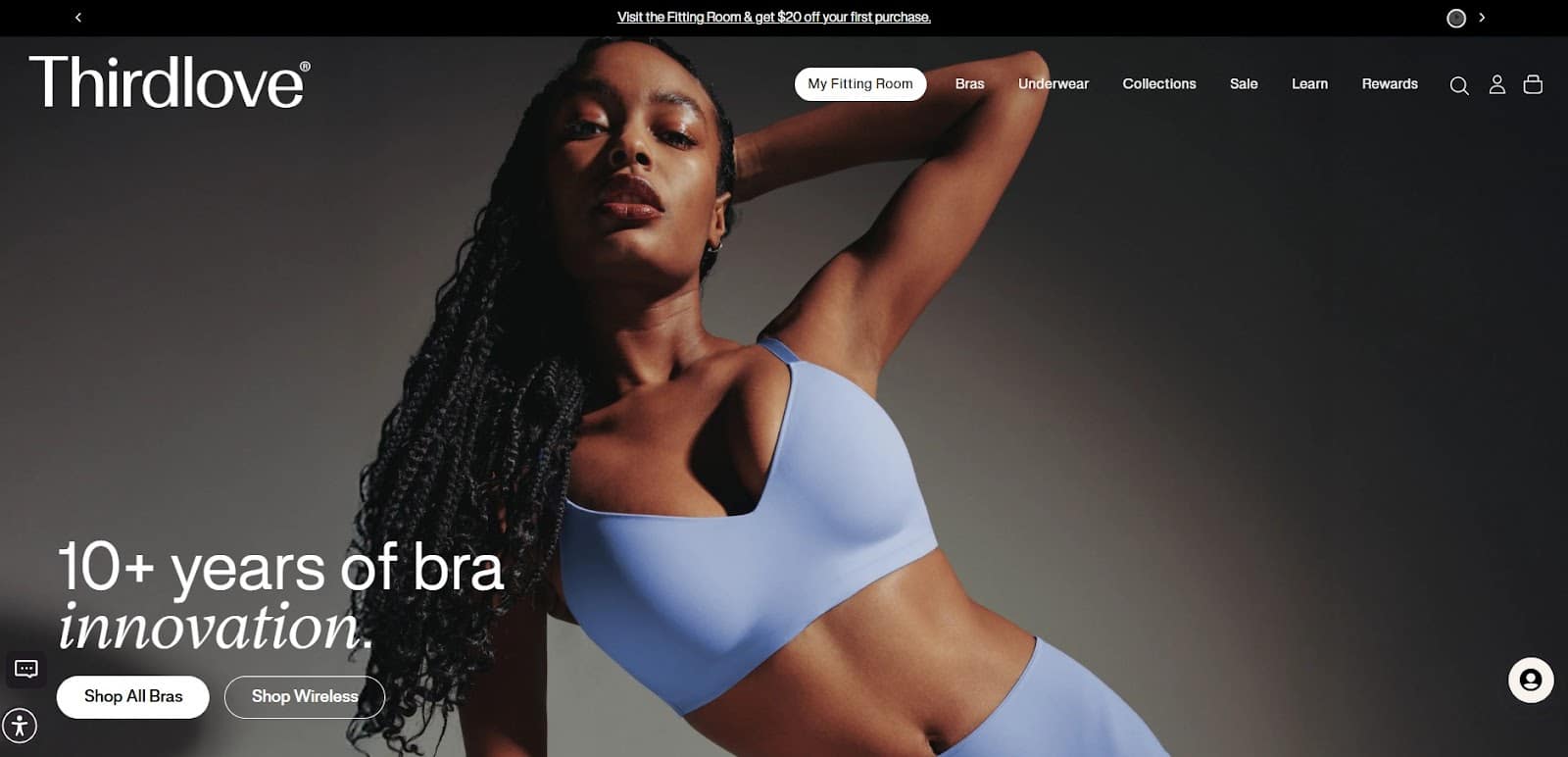
ThirdLove emerged in an industry long criticized for its narrow and unrealistic beauty standards. The brand’s purpose is clear: to create comfortable, well-fitting bras for every body. They challenged the status quo by recognizing that women come in all shapes and sizes, and that lingerie should be about feeling good, not conforming to an ideal.
- Purpose in Practice: ThirdLove’s commitment is most visible in its product innovation. They introduced half-cup sizes and developed an online Fit Finder® quiz to help customers find their perfect fit from the comfort of their homes. Their marketing consistently features women of different ages, sizes, and ethnicities, which makes the brand feel authentic and relatable.
- Building Loyalty: Customers are loyal to ThirdLove because the brand makes them feel seen and understood. The focus on fit and comfort builds deep trust. This loyalty isn’t just about a product; it’s about supporting a company that actively promotes body positivity and inclusivity, creating a community of women who feel confident and celebrated.
goodr: Making Fitness Fun and Accessible
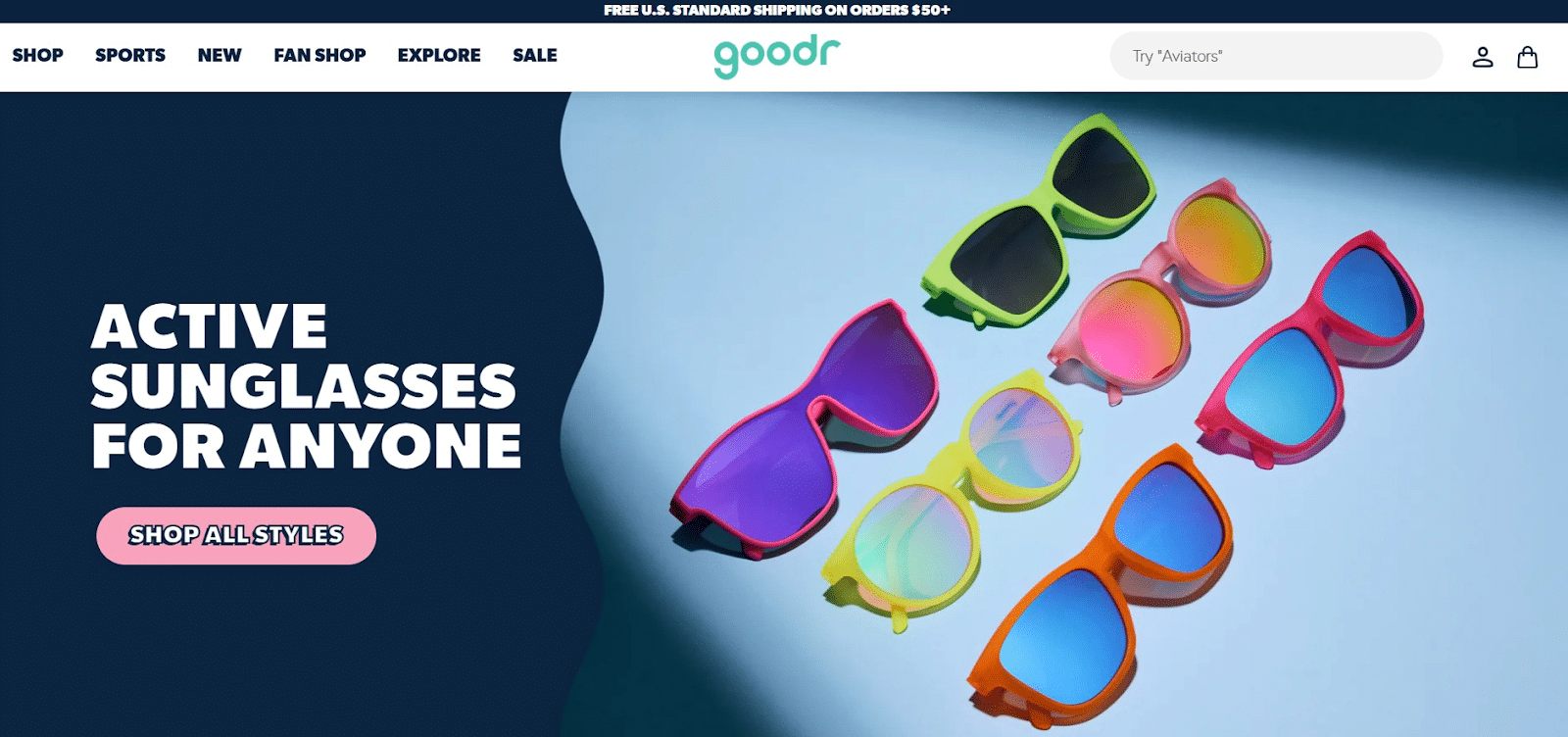
Running and fitness can often feel intimidating, dominated by high-performance athletes and expensive gear. goodr’s purpose is to make fitness fun and accessible for everyone. Their brand is built on the idea that you don’t have to be a serious athlete to enjoy being active.
- Purpose in Practice: This purpose comes to life through their vibrant, playfully named sunglasses (like “A Ginger’s Soul” or “Flamingos on a Booze Cruise”) that are stylish, functional, and affordable. The brand’s entire voice is irreverent and fun, which removes the pressure often associated with fitness. Additionally, goodr is a member of 1% for the Planet, donating a portion of its sales to environmental nonprofits.
- Building Loyalty: goodr doesn’t have a traditional loyalty program. Instead, its loyalty is built on a shared attitude. Customers are drawn to the brand’s lighthearted and inclusive spirit. Wearing goodr sunglasses is a way to signal that you’re part of a community that values fun over competition, creating a powerful sense of belonging.
Our Place: Connecting Cultures Through Cooking
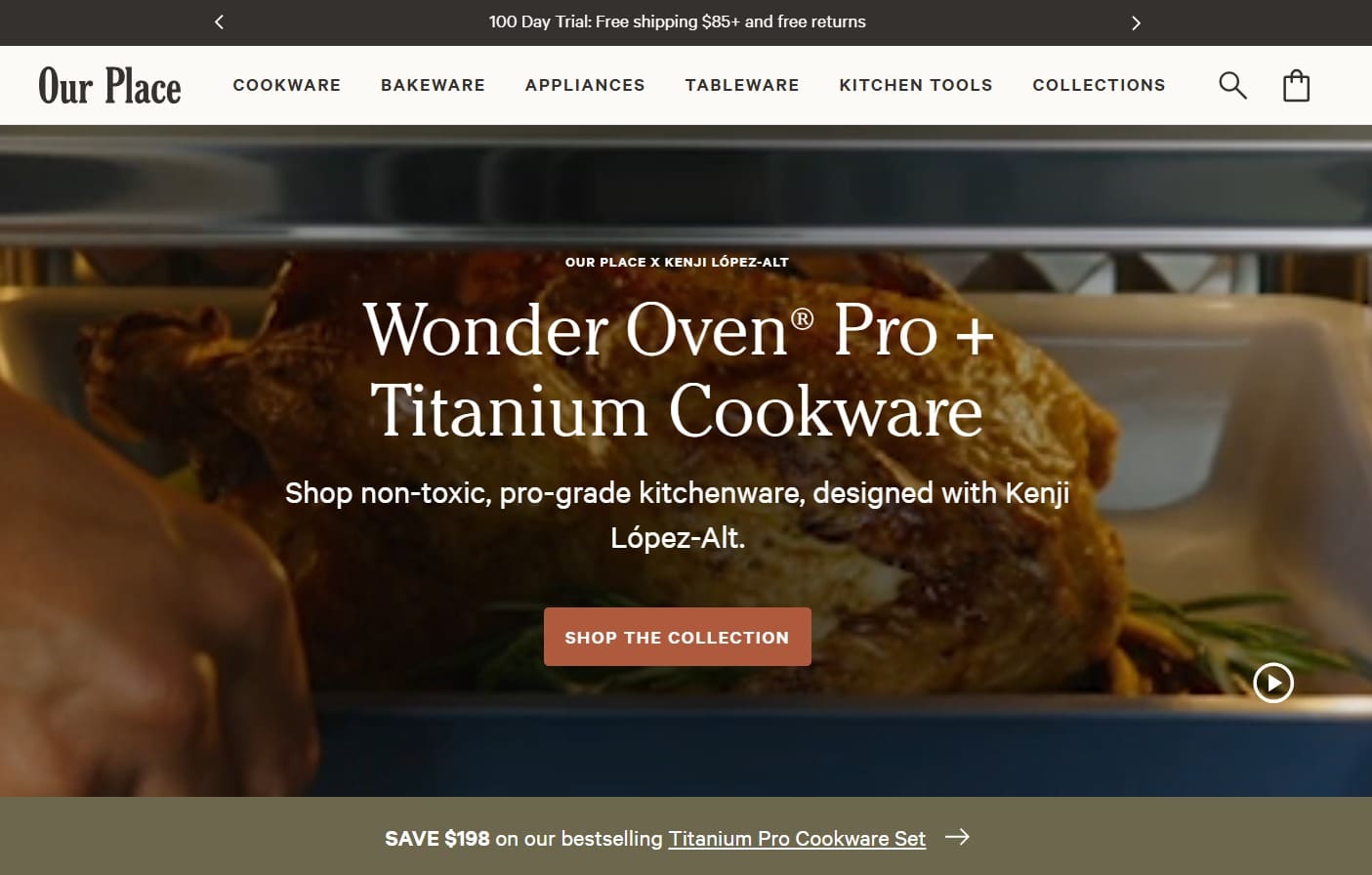
In a fast-paced world, Our Place aims to bring people back together through the tradition of home cooking. Their purpose is to build connections by celebrating cultural heritage and the joy of a shared meal. They believe that the kitchen can be a place of unity and discovery.
- Purpose in Practice: Their most famous product, the Always Pan, was designed to replace eight traditional pieces of cookware, simplifying the cooking process so people can focus more on connection. The brand’s marketing and social media are filled with stories and recipes from diverse cultures, celebrating the traditions that make every meal special.
- Building Loyalty: Customers are not just buying cookware; they are buying into a story of community. Our Place has fostered a loyal following by creating a brand that feels warm, inclusive, and meaningful. This emotional connection turns customers into advocates who are proud to share the brand’s mission of bringing people together, one home-cooked meal at a time.
These examples show that there are many ways to build a purpose-driven brand. The common thread is authenticity, consistency, and a genuine commitment to making a positive impact. When a brand’s purpose is real and deeply integrated into the business, it can create a level of loyalty that is truly inspiring.
The Role of Technology in Scaling Purpose-Driven Loyalty
A meaningful and manageable purpose-driven loyalty program requires the right tools. As your business grows, manually tracking engagement, personalizing rewards, and communicating your impact becomes impractical. Technology is the solution. Modern loyalty platforms are designed to scale your purpose-driven initiatives and create a seamless customer experience.
Centralizing Your Loyalty Efforts
A dedicated loyalty platform acts as the central hub for your entire program, allowing you to:
- Track Diverse Engagements: A robust platform moves beyond purchases to monitor a wide range of actions, like social media shares, reviews, and participation in recycling programs.
- Segment Your Audience: A platform lets you group your audience by behavior and values to offer more relevant rewards. For instance, you could create a special offer for customers who regularly donate their points.
- Automate Key Processes: Automation is crucial for scale. A platform can automatically award points, send personalized welcome emails, and notify members of new rewards, freeing up your team to focus on strategy and community building.
Selecting the Right Technology Partner
Choosing the right technology partner is a critical decision. It is essential to select a platform that not only provides the necessary tools but also understands the strategic nuances of building a purpose-driven program. A best-in-class solution should offer the flexibility to move beyond simple points and discounts, empowering a brand to create a unique, branded loyalty experience.
For instance, Yotpo Loyalty, as a best-in-class loyalty and referral solution, is designed with this flexibility and customization at its core. It enables brands to easily set up campaigns that reward customers for a wide range of purpose-driven actions, such as writing reviews, following on social media, or participating in custom events. Its robust analytics and reporting provide action-oriented insights, helping you understand what resonates with your customers and how to strengthen your program over time.

The Strategic Advantage of a Technology Partner
The right partner provides more than software; they act as an extension of your team. With a partner, you gain access to loyalty experts who can offer strategic guidance at every stage, helping you build a dynamic program that truly reflects your brand’s purpose. This approach ensures your program is well-executed, strategically sound, and positioned for long-term success.
Ultimately, technology makes your purpose-driven vision possible at scale. It handles the operational complexity, so you can focus on building a community of loyal advocates who are emotionally invested in your brand’s mission.
Conclusion: The Future of Loyalty is Purpose
In a world of endless choices, the brands that will win are the ones that stand for something. The connection between brand purpose and loyalty is no longer a “nice-to-have”; it is a fundamental business imperative. Customers are craving connection, meaning, and a sense of shared identity. They want to support brands that are not just selling products, but are also making a positive impact on the world.
Building a purpose-driven brand is not an easy path. It requires deep introspection, unwavering commitment, and the courage to make decisions that prioritize long-term value over short-term gain. But the rewards are immeasurable. An authentic brand purpose allows you to build a community of fiercely loyal advocates who will stand by you, champion your mission, and help you grow in ways you never thought possible.
The future of loyalty is not transactional; it is relational. It is about moving beyond points and discounts to create a sense of belonging. It is about building a brand that people are proud to be associated with. So, ask yourself: Why does your brand exist? And how can you invite your customers to be a part of that story? The answer to these questions is the key to building an unbreakable bond.
FAQs: Brand Purpose & Loyalty
What is the first step in developing a brand purpose?
The first step is to look inward and revisit your company’s origin story. Understand the initial passion and the core values that sparked the business. This foundational “why” is often the most authentic source for your brand’s purpose. Involving your team in this discovery process is also crucial to ensure the purpose resonates internally.
How can a small business with a limited budget implement a purpose-driven strategy?
A purpose-driven strategy does not have to be expensive. Small businesses can start by focusing on local community initiatives, such as sponsoring a local sports team or volunteering at a food bank. Authenticity is more important than budget. Be transparent about your efforts, tell your story through social media, and focus on making a genuine impact in a way that is manageable for your business.
How do I avoid “purpose-washing”?
“Purpose-washing” is the practice of marketing a brand as purpose-driven without having the actions to back it up. To avoid this, ensure your purpose is deeply integrated into your business operations. This means ethical sourcing, responsible manufacturing, and a company culture that reflects your stated values. Be transparent about your progress, including your challenges, and be prepared to be held accountable by your customers.
Can a brand have more than one purpose?
It is best to have one core purpose that acts as your North Star. This provides clarity and focus for your entire organization. However, this single purpose can be supported by several pillars or initiatives. For example, a brand’s core purpose might be to promote a healthy lifestyle, which could be supported by initiatives around clean ingredients, fitness education, and mental well-being.
How does brand purpose affect employee retention?
A strong brand purpose can have a significant impact on employee morale and retention. When employees believe in the company’s mission and feel that their work is contributing to a positive impact, they are more engaged, motivated, and loyal. A shared purpose creates a sense of camaraderie and makes the workplace more than just a job.
What is the difference between mission, vision, and purpose?
These terms are often used interchangeably, but they have distinct meanings. A mission statement defines what your company does and who it does it for. A vision statement describes the future you want to create. A purpose statement explains why your company exists. Purpose is the emotional and humanistic reason behind your work.
How often should a brand revisit its purpose?
While your core purpose should be timeless, it is good practice to revisit how you express and execute it every few years. The world changes, and so do customer expectations. A periodic review ensures that your purpose remains relevant and that your actions are still aligned with your core values.
Can a brand’s purpose evolve over time?
Yes, a brand’s purpose can evolve. As your company grows and learns, you may find new ways to make an impact. The key is that this evolution should be a natural progression of your core values, not a sudden pivot based on market trends. TOMS is a great example of a brand that evolved its purpose to create a more significant impact.
How do I communicate my purpose without sounding preachy?
The key is to show, not just tell. Instead of constantly talking about your purpose, demonstrate it through your actions. Share stories of your impact, feature your community partners, and let your customers be the heroes of the story. Authentic, story-based communication is much more powerful than self-congratulatory marketing messages.
What if my industry is not traditionally seen as “purpose-driven”?
Any brand in any industry can have a purpose. It is about finding what you can uniquely contribute. A financial services company could have a purpose of empowering financial literacy. A software company could have a purpose of helping small businesses succeed. It is about looking at your unique skills and resources and asking how you can use them to make a positive difference.
How can I measure the ROI of my purpose-driven initiatives?
You can measure the ROI by tracking key metrics like Customer Lifetime Value (CLV), Customer Retention Rate, and Net Promoter Score (NPS). You should also monitor qualitative data, such as customer reviews and social media sentiment. While some benefits are intangible, a consistent, positive trend in these metrics over time will demonstrate the financial value of your purpose.
What role do customer reviews play in a purpose-driven strategy?
Customer reviews are a powerful tool for building trust and transparency, which are key components of a purpose-driven brand. Encouraging authentic reviews shows that you value your customers’ opinions and are committed to continuous improvement. Platforms like Yotpo Reviews can help you collect and showcase reviews, turning customer feedback into a valuable asset that reinforces your brand’s credibility.
Can a loyalty program be too focused on purpose and not enough on traditional rewards?
It is all about balance. While purpose-driven rewards are great for building an emotional connection, many customers still appreciate tangible benefits like discounts and free products. The most effective loyalty programs offer a mix of both. Allow customers to choose the rewards that are most meaningful to them, whether that is a discount on their next purchase or a donation to a cause they care about.











 Join a free demo, personalized to fit your needs