








Have you ever bought something online or used a card at a store? It feels pretty simple, right? You swipe, tap, or type, and poof! Your new toy, book, or snack is yours. But behind that quick transaction, there’s a whole world of invisible steps and tiny helpers making it all happen. One of those tiny helpers, or perhaps a tiny toll booth, is called an interchange fee. It sounds like a big, grown-up word, but don’t worry, we’re going to break it down so simply, you’ll understand it like magic!
Imagine you’re on a long road trip, and you need to cross a big bridge. Sometimes, to use that bridge, you have to pay a small fee, right? An interchange fee is a bit like that for money. It’s a small amount of money that moves between banks every time you use a debit or credit card to buy something. It’s a key part of how card payments work in the world of shopping, especially for all those cool things you might buy from your favorite online stores. Understanding this little fee can actually help businesses make smart choices, which in turn can lead to even better shopping experiences for you!
Who are the Players in This Payment Game?
Think of a card payment like a team sport. Lots of different players are involved to make sure your money goes from your bank to the shop’s bank safely and quickly. Let’s meet the main players:
The Customer (That’s You!)
You’re the person with the card, ready to buy something awesome. You initiate the whole process when you decide to make a purchase. You trust that when you use your card, your money will go where it needs to go, and you’ll get what you paid for.
The Merchant (The Shop Where You Buy)
This is the business selling the goods or services. It could be your local toy store, a big clothing brand online, or even a small shop selling handmade crafts. The merchant wants to accept your card so it’s easy for you to buy things. They want to make sure you have a great experience and come back again, maybe leaving a positive customer review about your shopping experience.
The Acquiring Bank (The Merchant’s Bank)
Every shop that accepts card payments needs a bank account for those payments to land in. This bank is called the “acquiring bank” or “merchant bank.” It helps the shop process your card payment and makes sure the money eventually gets into their account. They’re like the shop’s financial goalie, catching all the incoming payments.
The Card Network (Visa, Mastercard, American Express, Discover)
These are the famous names you see on your cards! Visa, Mastercard, American Express, and Discover are the “roads” or “highways” that connect all the banks. They make sure that when you use your card, your bank and the shop’s bank can talk to each other. They set the rules for how payments travel safely and quickly across the world. They’re the traffic controllers of the payment world, making sure everything runs smoothly.
The Issuing Bank (Your Bank)
This is the bank that gave you your credit or debit card. It’s the bank that holds your money (for a debit card) or lends you money (for a credit card). When you make a purchase, your issuing bank talks to the card network to say, “Yes, this customer has enough money or credit!”
Here’s a quick look at who’s who:
| Player | What They Do |
|---|---|
| Customer | Buys something with their card. |
| Merchant | Sells products and accepts card payments. |
| Acquiring Bank | Processes card payments for the merchant. |
| Card Network | Connects banks and sets rules for transactions. |
| Issuing Bank | Gives the card to the customer and manages their account. |
Why Do These Fees Even Exist?
You might be thinking, “Why do we need another fee?” That’s a fair question! Interchange fees aren’t just for fun; they serve some really important purposes. They help make sure that using your card is safe, easy, and reliable. Here’s why they exist:
- For Security: Your bank (the issuing bank) takes on a risk every time you use your card. What if someone steals your card and uses it? Your bank often protects you from those bad guys. The interchange fee helps pay for this security and fraud protection. It’s like paying for a superhero to guard your money!
- For Convenience: Imagine having to carry huge stacks of cash everywhere you go, especially when buying big items online. Cards make shopping incredibly easy and quick. The fee helps pay for the complex systems and technology that make this convenience possible, whether you’re shopping from your couch or at a store.
- For Innovation: The world of payments is always changing. New ways to pay, like tapping your phone or using fancy new apps, are constantly being invented. The money from interchange fees helps banks and card networks invest in these new technologies, making your future shopping experiences even cooler and safer.
- For Rewards: Many credit cards offer rewards like points, cashback, or travel miles. These rewards aren’t free! Part of the interchange fee helps fund these programs, giving you a little something extra back for using your card.
So, these fees are really about making sure the whole payment system works well for everyone. They help cover the costs and risks involved in keeping your money safe and your shopping experience smooth.
How Does an Interchange Fee Work, Step-by-Step?
Let’s trace the journey of a payment and see where the interchange fee pops up. It’s like a secret handshake between the banks!
- You Make a Purchase: You find a cool T-shirt online for $20. You enter your card details and click “buy.”
- Information Travels to the Merchant’s Bank: The shop’s payment system sends your card info to the shop’s bank (the acquiring bank).
- The Card Network Connects: The acquiring bank sends the info to the card network (like Visa or Mastercard). The card network is like the central switchboard, finding your bank.
- Your Bank Checks Everything: The card network sends the info to your bank (the issuing bank). Your bank quickly checks if you have enough money or credit and if everything looks legitimate. If all is good, your bank says, “Approved!”
- Approval Travels Back: The “approved” message goes back through the card network, then to the acquiring bank, and finally to the shop’s payment system. All this happens in seconds!
- The Interchange Fee is Paid: When your bank approves the payment, it sends the full $20 to the shop’s bank. But wait! A tiny part of that $20, say $0.20 (this is the interchange fee), stays with your bank. So, your bank might only send $19.80 to the shop’s bank. This is the fee your bank keeps for lending you the money or processing your debit.
- The Shop Gets Paid: The shop’s bank receives the money (minus the interchange fee, and usually a few other small processing fees). They then put it into the shop’s account.
So, in simple terms, the interchange fee is paid by the shop’s bank to your bank. It’s a payment from the bank that receives the money to the bank that gave the card. This ensures that your bank is compensated for the services they provide to you, making card usage possible.
What Makes Interchange Fees Change?
Interchange fees aren’t always the same. They can be a bit like chameleons, changing depending on different situations. This is why it can be tricky for businesses to predict exactly how much they’ll pay. Here are some things that make the fees go up or down:
Type of Card (Debit vs. Credit)
Generally, using a debit card often has a lower interchange fee than using a credit card. Why? Because debit cards use money directly from your bank account, which is less risky for your bank. Credit cards involve your bank lending you money, which comes with more risk, so the fee is usually a bit higher.
Where You Shop (Online vs. In-Store)
Believe it or not, buying something online can sometimes have a slightly higher interchange fee than buying it in a physical store. When you’re in a store, you often swipe or tap your card, which is seen as more secure because both the card and you are physically present. Online, there’s no physical card, just numbers typed into a website, which can carry a tiny bit more risk of fraud. This extra risk can sometimes mean a slightly higher fee.
How You Pay (Swiping, Tapping, Typing)
The way you interact with the payment machine matters!
- Swiping/Tapping: These methods (especially chip cards or contactless taps) are often more secure and might have lower fees.
- Typing (Card Not Present): When you type in your card details online or over the phone, it’s considered “card not present.” As mentioned, this can sometimes have higher fees due to the increased fraud risk.
The Kind of Business
Different types of businesses might have different interchange fees. For example, a big supermarket might have different fees than a small craft shop or a charity. This is because some industries are seen as having different risks or transaction volumes.
How Much You Spend
While interchange fees are often a percentage of the purchase, they can also have a fixed small amount added on top. So, a $5 purchase might have a different fee structure compared to a $500 purchase, even if the percentage is the same.
It’s a complex system, but the main takeaway is that these fees are designed to balance risk and convenience across all the different ways we pay. Businesses try their best to understand these fees to manage their costs effectively.
Why Should a Business Owner Care About Interchange Fees?
For a business owner, especially one running an online store, every little cost adds up. While interchange fees seem small, they can become a significant expense when you’re selling hundreds or thousands of products every day. Imagine selling a $10 item and losing $0.20 to fees. That’s $200 for every 1,000 items sold! Business owners care about these fees for a few important reasons:
- Impact on Profit: The most direct reason is that these fees reduce how much money a business makes on each sale. The less a business pays in fees, the more profit they keep, which can then be reinvested into making their business better.
- Pricing Decisions: If fees are high, a business might need to adjust its prices slightly to cover those costs. They want to offer fair prices to customers while still making enough money to keep their doors open.
- Encouraging Different Payment Methods: Some businesses might try to encourage customers to use payment methods that have lower fees, or they might offer small discounts for using those methods.
- Planning and Budgeting: Knowing what to expect in fees helps businesses plan their finances better. It’s like knowing how much gas your car will need for a trip; it helps you prepare.
More Money to Invest in Happy Customers
This is where it gets really interesting for you as a customer! When businesses understand and manage their transaction costs, they can be smarter with their money. Instead of spending too much on fees, they can invest those savings into things that truly make their customers happy and keep them coming back. And what are some of the best ways to make customers happy and loyal?
Think about it: when a customer loves what they buy, they often want to tell others. That’s where customer reviews come in handy. Businesses gather these thoughts to show off how great their products are. These reviews help new shoppers trust the business and make purchases. A business that makes it easy for customers to share their experiences and then uses those product reviews to improve and attract more people is a business focused on long-term success. It’s a powerful way to turn happy customers into true brand champions, which is much more valuable than saving a few pennies on a single transaction.
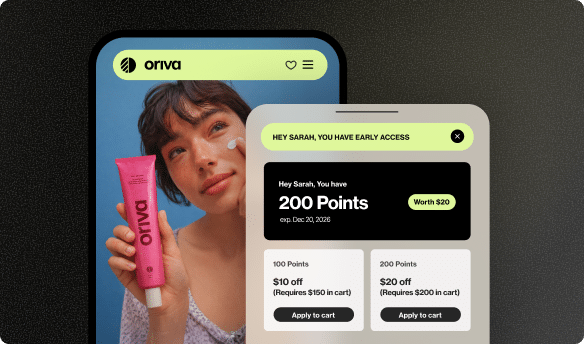
And what about keeping those customers coming back? That’s where loyalty programs shine. Imagine getting a special treat or discount just for being a regular customer! Businesses use these programs to say ‘thank you’ and encourage more shopping. This helps businesses earn more from each customer over time, making every sale even better. Investing in a good loyalty rewards program creates a deeper relationship with customers, making them feel valued and special. When customers feel appreciated, they’re more likely to spend more, refer friends, and stick with the brand for years. This focus on customer retention builds a strong foundation for any business, far outweighing the small costs of transaction fees.
So, while interchange fees are a necessary part of accepting card payments, smart businesses look beyond them. They see that managing these costs frees up resources to invest in things like gathering authentic user-generated content and building robust customer loyalty. These strategies don’t just save money; they grow the business by creating a community of happy, repeat customers. This is how businesses build a lasting connection with you, the customer, which is truly invaluable.
Finding Balance: Fees and Happy Customers
For any business, the trick is to find a good balance. They need to understand the costs of accepting card payments, like interchange fees, but they also need to make sure that accepting these payments is easy and convenient for you. If a business only focused on the cheapest ways to pay, it might make shopping harder for its customers, and then those customers might just go somewhere else! Nobody wants that.
That’s why businesses choose payment partners and strategies that help them keep costs reasonable while still offering you a smooth, secure, and enjoyable shopping experience. They know that a happy customer who comes back again and again is the best kind of customer. Investing in things like excellent customer service, easy-to-use websites, and rewarding loyalty programs ultimately pays off much more than just trying to avoid every tiny fee. It’s all part of building a successful eCommerce customer experience that encourages growth and sustained relationships.
FAQs About Interchange Fees
Let’s tackle some common questions you might have about these fees!
Are interchange fees the only fees businesses pay to accept cards?
No, they’re not! Interchange fees are just one piece of the puzzle. Businesses also pay other fees to their acquiring bank and the card networks for processing transactions, fraud monitoring, and other services. Think of it like paying for the bridge toll (interchange fee) and also paying for the gas, maintenance, and insurance for your car (other processing fees).
Can businesses just get rid of interchange fees?
Unfortunately, no. Interchange fees are a fundamental part of the global card payment system. They’re built into the rules set by card networks and banks. While businesses can’t eliminate them, they can choose payment processors who offer clear pricing and help them understand where their money is going. Being informed helps them make better decisions.
Do interchange fees change often?
Yes, they can! Card networks like Visa and Mastercard review and update their interchange rates periodically, usually twice a year. These changes are often small but can impact businesses. It’s another reason why businesses need to stay on top of their payment processing costs.
How do loyalty programs help businesses succeed despite fees?
That’s a fantastic question and a smart way to think about it! While interchange fees are a cost per transaction, loyalty programs focus on increasing the lifetime value of each customer. If a customer spends $10 and the business pays $0.20 in fees, they still made $9.80. But if that loyalty program encourages the customer to come back 5 more times and spend $50 over the year, that initial $0.20 fee becomes a very small cost for a much larger stream of revenue.
Loyalty programs, like those offered by Yotpo, build strong relationships. They turn one-time buyers into repeat customers. These repeat customers are often more profitable because:
- They don’t cost as much to acquire (the business doesn’t have to spend money on advertising to get them back).
- They tend to spend more over time.
- They often tell their friends, leading to new customers through word-of-mouth marketing.
So, by investing in loyalty programs, businesses create a steady stream of revenue that makes those small transaction fees much less impactful in the long run. It’s all about making each customer connection as valuable as possible, turning initial sales into lasting relationships.
Wrapping It Up: Understanding the Little Fees that Matter
So, there you have it! An interchange fee isn’t some scary monster lurking in your payment, but a small, necessary part of how banks and card networks work together to make your shopping experiences smooth and secure. It’s the tiny toll that helps keep the payment roads open and safe for everyone.
For businesses, understanding these fees is really important. It helps them manage their money wisely. And when businesses manage their money wisely, they can invest in making your experience even better – by offering great products, listening to your feedback through customer reviews, and rewarding you for your loyalty. So the next time you tap your card, you’ll know there’s a whole world of cooperation happening behind the scenes, ensuring your money travels safely and efficiently, paving the way for many more happy shopping trips.
In the end, it’s all about creating valuable connections. Whether it’s connecting buyers and sellers through payment systems, or connecting brands with their biggest fans through Yotpo Reviews and Yotpo Loyalty, every part of the e-commerce journey contributes to a thriving ecosystem.










 Join a free demo, personalized to fit your needs