








What is a User Flow?
Imagine you want to buy a cool new toy online. What steps do you take? You might search for it, click on a website, look at different toys, pick one you like, add it to a cart, and then pay for it. That whole journey, from wanting the toy to actually buying it, is what we call a user flow. It’s like a map that shows every step a person takes to complete a task or reach a goal on a website or app.
Think of it as a path. For businesses online, making this path super clear and easy to follow is incredibly important. A good user flow means customers can find what they need, get answers to their questions, and complete their purchases without any hiccups. It’s all about making the customer’s experience smooth and enjoyable, which in turn helps businesses grow.
Why Understanding User Flows Matters for Everyone
User flows might sound like a fancy technical term, but understanding them is beneficial for both customers and the companies they interact with. For customers, a well-designed flow means less frustration and more satisfaction. It’s the difference between easily finding a gift for a friend and getting lost on a confusing website.
For businesses, knowing their user flows is like having a secret superpower. It helps them see exactly what their customers are doing, where they might get stuck, and what makes them happy. This insight allows them to improve their website or app, making it easier for people to buy things, sign up for programs, or find information. When businesses make things easier, customers are more likely to stick around and become loyal. It truly connects with the idea of a great ecommerce customer experience.
Making Things Easier for Customers
Ever tried to do something online and just couldn’t figure it out? Maybe a button was hard to find, or the instructions weren’t clear. That’s often a sign of a poorly designed user flow. When companies take the time to map out every possible step a customer might take, they can smooth out these rough patches. They make sure buttons are obvious, information is easy to read, and the path to a goal is straightforward. This thoughtfulness leads to a much better experience for you!
Helping Businesses Understand What Customers Want
By studying user flows, businesses gain a deep understanding of their customers’ needs and behaviors. They can see which pages people visit most, where they spend the longest, and which steps cause them to leave. This information is gold! It helps businesses make smart decisions about how to improve their site, what new features to add, or how to better communicate with their audience. It’s all about listening to what the customers’ actions are telling them.
Leading to Happier Customers and More Success
When a user flow is great, customers feel happy and confident. They complete their tasks, get what they came for, and feel good about their interaction with the business. Happy customers often become repeat customers, and they might even tell their friends about their good experience! This kind of positive word-of-mouth is fantastic for businesses. It also helps improve a business’s ecommerce conversion rate, meaning more people complete their goals.
Key Elements That Make Up a User Flow
Just like a good story has a beginning, middle, and end, a user flow also has distinct parts. Understanding these elements helps us draw a clearer picture of the customer’s journey.
The Starting Point: Where Does the Journey Begin?
Every journey has a start! In a user flow, the starting point is where a customer first interacts with a business online. This could be anything from:
- Clicking on an ad they saw on social media.
- Typing something into a search engine (like “best running shoes”).
- Receiving an email from a brand they like.
- Just visiting a website directly because they remembered it.
Knowing these starting points helps businesses understand how people discover them and what their initial intentions might be. It’s the very first impression, after all!
The Steps: What Actions Do They Take?
Once a customer starts their journey, they take a series of steps. These are the actions they perform to move closer to their goal. For example, if someone wants to buy a hat, their steps might include:
- Looking through different hat categories.
- Clicking on a specific hat they like.
- Reading the description and looking at pictures.
- Adding the hat to their shopping cart.
- Creating an account or logging in.
Each step needs to be simple and clear, guiding the customer smoothly to the next action.
Decision Points: Making Choices Along the Way
Throughout their journey, customers often come to points where they need to make a choice. These are called decision points. For instance:
- “Should I buy this blue shirt, or do I want to see if they have it in red?”
- “Do I want to sign up for their newsletter to get a discount, or just check out as a guest?”
- “Do I add more items to my cart, or am I ready to pay now?”
Businesses try to make these decisions easy by providing clear options and helpful information, like displaying product reviews to help customers decide, which is something Yotpo Reviews excels at.
The Ending Point: Achieving the Goal
The ending point is the final destination of the user flow, where the customer achieves their goal. This could be:
- Successfully buying a product.
- Signing up for a rewards program using tools like Yotpo Loyalty.
- Finding the answer to a question in a help section.
- Filling out a contact form.
A satisfying ending point means the customer completed what they set out to do, and the business achieved its objective.
How Businesses Use User Flows to Shine
Companies don’t just guess what customers want; they use user flows to understand and improve. By carefully mapping out these journeys, businesses can find ways to make their online presence more effective and user-friendly.
Making Websites and Apps Better
Imagine trying to navigate a maze without a map. That’s what a poorly designed website can feel like! Businesses use user flows to create a clear “map” for their sites and apps. They look at the flow and ask questions like, “Is this button in the right place?” or “Is this information easy to find?” By doing this, they can rearrange things, change text, or add new features to make sure customers have a hassle-free experience. This is crucial for a positive ecommerce customer experience.
Finding and Fixing Problems
One of the biggest benefits of user flows is helping businesses spot where customers might be struggling. If many people start a purchase but then leave right before paying, that’s a problem! A user flow map can highlight this “drop-off point.” Then, the business can investigate: Is the shipping cost too high? Is the payment form too complicated? Are there not enough ecommerce product reviews to build confidence? Once they find the issue, they can fix it, making the flow smoother for everyone who comes after.
Creating Amazing Customer Experiences
Ultimately, all this work on user flows is about creating an amazing experience for customers. When a business makes it easy and enjoyable to interact with them, customers feel valued. This isn’t just about making sales; it’s about building relationships. A great user flow contributes to customer retention, which is about keeping customers coming back. You can learn more about improving retention at 10 Ways to Improve Customer Retention.
Collecting customer feedback is also a big part of this. Asking customers what they think about their journey can provide invaluable insights. For example, businesses often ask for reviews after a purchase, using platforms like Yotpo Reviews, to understand if the process was smooth. These reviews become part of the experience for future customers.
Examples of User Flows in Action
Let’s look at some everyday examples to really understand user flows. You’ve probably experienced these yourself without even realizing you were following a “flow”!
The “Buying a New T-shirt Online” Flow
This is a classic example that most of us are familiar with. Here’s a typical flow:
- Start: You open your web browser and search for “cool graphic t-shirts.”
- Step 1: You see a search result for an online store and click on it.
- Step 2: You browse through different t-shirt designs, looking at pictures and descriptions.
- Decision Point: You find a t-shirt you like. Do you read the product reviews? Yes, good idea! You see lots of happy customers mentioned in the reviews powered by solutions like Yotpo Reviews, which helps you trust the brand.
- Step 3: You select your size and color.
- Step 4: You click the “Add to Cart” button.
- Decision Point: Do you want to keep shopping for more items, or are you ready to check out? You decide to check out.
- Step 5: You go to the checkout page, enter your shipping information and payment details.
- Step 6: You click “Place Order.”
- End: You see an order confirmation page and receive a confirmation email. Success!
Each of these steps is part of the user flow, and a smart business tries to make every single one as easy and helpful as possible. Seeing those positive reviews from other customers can be a huge help in your decision-making, influencing you to move forward in the flow. This demonstrates the power of user-generated content in the consumer decision-making process.
The “Joining a Loyalty Program” Flow
Many businesses love to reward their best customers with loyalty programs. Let’s see that flow:
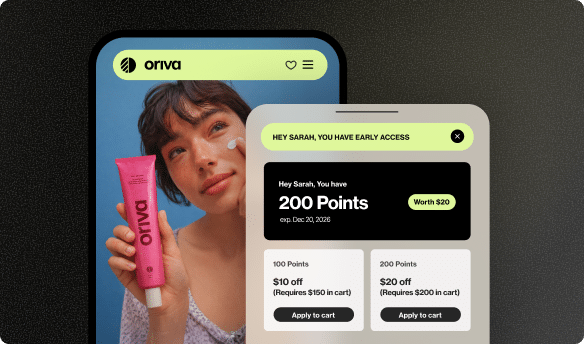
- Start: You’re browsing your favorite online store, and a pop-up appears or you see a banner advertising a “Rewards Program.”
- Step 1: You click on the “Join Now” button or link because you’re interested in earning points and discounts.
- Step 2: You land on the loyalty program’s page, which clearly explains how it works (e.g., “Earn 1 point for every $1 spent!”). You might see success stories or testimonials from other members.
- Decision Point: Does it sound appealing enough to join? Yes, it does!
- Step 3: You click “Sign Up” and fill in your name, email, and create a password.
- Step 4: You agree to the terms and conditions.
- Step 5: You click “Complete Registration.”
- End: You receive a welcome email to the loyalty program and see your first points added to your account. You’re now a member, thanks to an intuitive flow designed by software like Yotpo Loyalty.
This flow encourages repeat business and helps customers feel appreciated. It’s a great way to boost ecommerce retention and build a strong community. You can find more insights on this at Best Loyalty Programs.
Mapping Your Own User Flow: A Simple Guide
Creating a user flow map isn’t just for big companies; anyone can do it! It’s a fantastic way to understand any process better, even for personal tasks.
1. Identify Your Goal: What Do You Want to Achieve?
Before you draw anything, think about the main goal. What is the customer trying to do? Is it to buy a product? Sign up for a newsletter? Find customer support? Be super specific. For example, “A customer successfully purchases a blue widget.”
2. Know Your Customer: Who Are They?
Think about the person who will be using your website or app. What do they usually like? What are they looking for? Are they tech-savvy or new to online shopping? Understanding your audience helps you design a flow that makes sense to them. This involves understanding the consumer decision-making process.
3. Draw It Out: Visualizing the Path
Get a piece of paper and a pencil, or use a simple drawing tool online. Use different shapes to represent different parts of the flow:
- Rectangles: For actions or pages (e.g., “Product Page,” “Add to Cart”).
- Diamonds: For decision points (e.g., “Do they want to continue shopping?”).
- Arrows: To show the direction of the flow from one step to the next.
Start with your starting point, draw an arrow, then the first action, then a decision point if needed, and so on, until you reach the end goal. Don’t worry about making it perfect at first; just get all the steps down.
4. Test and Improve: Always Look for Better Ways
Once you have your map, it’s time to test it! Try following the flow yourself, or even better, ask someone else to try. As you go through each step, ask:
- Is this step clear?
- Is anything confusing?
- Are there too many steps?
- Could anything be easier?
Businesses often collect customer reviews and feedback to help with this testing. If customers report difficulties, the user flow needs adjusting. It’s an ongoing process of tweaking and making things better, which is key for excellent ecommerce customer experience.
The Role of Customer Engagement in User Flows
Making a user flow smooth isn’t just about good design; it’s also about keeping customers engaged and interested. When customers feel connected and informed, they’re much more likely to complete their journey and come back for more.
User-Generated Content: Building Trust Along the Way
Imagine you’re buying a new gadget. Wouldn’t you want to see what other people, just like you, think about it? That’s where User-Generated Content (UGC) comes in. This includes things like customer photos, videos, and social media posts about a product. When businesses include UGC in their user flows, it helps customers feel more confident. For instance, seeing a customer’s photo of a dress on an actual person can help you decide if it’s right for you. UGC is a powerful tool in the consumer decision-making process and can really make a difference. You can learn more about this at What Is User-Generated Content?.
Reviews and Ratings: Guiding Decisions
Think back to buying that t-shirt. If you saw a t-shirt with no reviews versus one with hundreds of five-star reviews and glowing comments, which would you pick? Most likely, the one with reviews! Reviews and ratings are a vital part of many user flows, especially when it comes to online shopping. They build trust, answer unspoken questions, and give customers the confidence they need to move from “thinking about it” to “buying it.” Platforms like Yotpo Reviews make it easy for businesses to collect and display these crucial insights right where customers need them, influencing key decision points in the user flow. This directly impacts ecommerce conversion rate.
Loyalty Programs: Encouraging Repeat Journeys
Once a customer completes a user flow, a great business wants them to come back! This is where loyalty programs become super effective. By rewarding customers for their purchases or other actions (like writing a review), businesses encourage them to start new user flows in the future. For example, if you earn points for every dollar you spend, you’re more likely to return to that store to use your points and earn more. Tools like Yotpo Loyalty help businesses create engaging programs that keep customers coming back, improving ecommerce retention and creating a strong community of repeat buyers. This shows how crucial loyalty can be in the customer journey.
Best Practices for Creating Awesome User Flows
Making a great user flow isn’t just about drawing boxes and arrows; it’s about following some smart rules that make a big difference for your customers.
Keep It Simple, Silly!
The fewer steps, the better. If a customer can achieve their goal in three clicks instead of ten, they’ll be much happier. Every extra step is a chance for someone to get confused or leave. Think about how you can simplify and streamline the path.
Provide Clear Instructions and Feedback
Don’t make customers guess what to do next. Use clear, simple language for buttons and instructions. Also, give them feedback! If they click “Add to Cart,” show a little message saying “Item added!” or update the cart icon. This lets them know their action worked and encourages them to keep going. This ties into the overall ecommerce customer experience.
Make It Easy to Fix Mistakes
Everyone makes mistakes! What if a customer accidentally adds the wrong size t-shirt to their cart? They should be able to easily go back and change it, or remove the item, without having to start all over again. A “back” button or an “edit cart” option is essential.
Personalize When You Can
Imagine a website that remembers your preferences or suggests products you might like based on your past purchases. That feels special, right? Personalization can make a user flow feel more tailored and enjoyable, encouraging customers to continue their journey. It’s about showing you understand them.
Ensure It Works Great on All Devices
Many people use their phones to shop and browse online. So, it’s super important that your user flow works just as smoothly on a small phone screen as it does on a big computer monitor. Buttons should be easy to tap, and text should be easy to read, no matter the device.
| Practice | Why It Matters | Example |
|---|---|---|
| Simplicity | Reduces confusion, faster completion | One-page checkout instead of five. |
| Clarity | Customers always know what to do | Button says “Buy Now” instead of “Proceed.” |
| Feedback | Confirms actions, builds confidence | “Item added to cart!” message appears. |
| Error Recovery | Prevents frustration, reduces abandonment | Easy “undo” option for accidental deletions. |
| Mobile-Friendly | Reaches more users, consistent experience | Large, tappable buttons on a phone screen. |
Measuring Success: How Do You Know Your Flow is Working?
After all the hard work of designing and improving user flows, how do businesses know if their efforts are paying off? They measure! Just like a coach tracks how well a team is playing, businesses track how well their user flows are performing.
Conversion Rate: The Ultimate Goal Achieved
One of the most important measurements is the conversion rate. This simply means the percentage of people who complete the desired goal of the user flow. If 100 people start a purchase flow and 50 of them actually buy something, that’s a 50% conversion rate. A higher conversion rate means the user flow is doing a great job guiding customers to their goal. Improving this rate is a major focus for online businesses, and you can delve deeper into it at Ecommerce Conversion Rate.
Drop-off Points: Where Do People Leave?
Businesses also look for “drop-off points.” These are the specific steps in a user flow where a lot of people tend to leave or get stuck. By identifying these points, businesses can pinpoint problems and make targeted improvements. For example, if many people leave on the shipping information page, maybe the form is too long, or the shipping options are confusing. This kind of analysis is vital for marketing campaign measurement and overall site health.
Customer Feedback: What Do They Say?
Numbers tell one story, but direct feedback from customers tells another! Businesses actively ask for customer opinions through surveys, reviews, and direct questions. If customers consistently say a part of the website is confusing, that’s a clear signal that the user flow needs attention. Gathering customer reviews and using them to understand the user journey is invaluable for ongoing improvements.
Conclusion
So, what is a user flow? It’s simply the path a customer takes to complete a task on a website or app. But it’s so much more than that for online businesses. By carefully designing and understanding these paths, companies can make sure their customers have easy, enjoyable, and successful experiences.
From finding a product and checking out to joining a loyalty program, every step matters. When businesses put their customers first and focus on creating clear, smooth user flows, everyone wins. Customers get what they need without fuss, and businesses grow by building trust and strong relationships. It truly is about making the online world a better, more helpful place for us all.



 Join a free demo, personalized to fit your needs