








What is Gross Merchandise Volume? (GMV)?
Have you ever seen a super busy online store, maybe one selling cool new video games, stylish clothes, or even ingredients for amazing recipes? Imagine all the money those stores collect from selling their stuff before they pay for anything else. That big total number is often called Gross Merchandise Volume, or GMV for short. It’s like looking at the giant register tape at the end of a very busy day, showing every single sale made!
GMV is a really important number for businesses, especially those that sell things online. It helps them see exactly how much stuff they’re moving and if their business is growing bigger and bigger. While GMV doesn’t tell them how much profit they’re making (that’s a different story with more numbers!), it gives a clear picture of how popular their products are and how much shopping activity they’re seeing. Understanding GMV helps online businesses make smart choices to grow even more, ensuring they keep their digital shelves stocked with items people love and find easy to buy.
Understanding GMV: The Big Picture of Sales
Let’s break down GMV even more. Think about your favorite video game. When you play, you want to know the total score, right? GMV is kind of like that total score for an online business – it’s the grand total value of everything sold.
What Exactly is GMV?
Simply put, GMV is the total value of all the goods or services sold over a certain period of time. This is the value before certain costs are taken out. Imagine you have a lemonade stand. If you sell 10 cups of lemonade at $1 each, your GMV for that day is $10. It doesn’t matter how much the lemons or sugar cost you; it’s just the full price of everything you successfully sold.
For online stores, GMV adds up the price of every item someone buys. If someone buys a new gaming headset for $70, a cool t-shirt for $25, and a fun board game for $30, that store’s GMV from just that one customer’s order would be $125. It’s really about the total final price customers pay for the items themselves, not extra things like how much it costs to ship them to your house or any taxes on the purchase.
Why GMV Matters for Businesses
Why do businesses care so much about this number? Well, GMV acts like a quick health check for an online store. Here’s why it’s so important:
- Shows Growth: A rising GMV means more products are being sold. This is a good sign that the business is growing and becoming more popular with shoppers.
- Measures Activity: It helps businesses understand how busy they are. A high GMV means lots of customers are visiting and buying things.
- Attracts Support: If a business needs money to grow even faster (maybe to buy more products or hire more people), a strong GMV can show people who might want to invest that the business is successful at selling things.
- Compares Performance: Businesses can compare their GMV from one month to the next, or this year to last year. This helps them see if they’re improving or if certain events (like holidays) cause their sales to jump.
So, while GMV doesn’t tell a business absolutely everything, it’s a super important number that gives a clear snapshot of how much selling activity is happening and how big the store’s reach is.
How to Calculate GMV: Simple Math for Big Numbers
Calculating GMV isn’t too tricky! It’s mostly about adding up the value of every single sale. Think of it like counting all the coins in a treasure chest, but only counting the coins you got from selling actual treasures.
The Basic Formula
The simplest way to think about GMV is:
GMV = Total Value of All Goods and Services Sold
For example, if an online store sells 5 comic books at $10 each and 3 collectible figures at $25 each in one day, the calculation would be:
- Comic books: 5 * $10 = $50
- Collectible figures: 3 * $25 = $75
- Total GMV = $50 + $75 = $125
It’s just adding up the final price paid for every item sold before anything else is considered.
What’s Included and What’s Not?
This is a key part of understanding GMV. It’s important to know what makes it into the GMV calculation and what stays out:
Included in GMV:
- The final price of every product a customer buys.
- The full value of any services sold (if the business sells services, like online courses).
- This value is usually before any later returns or refunds are processed. It counts the sale at the moment it happens.
Not Included in GMV:
- Shipping Fees: The money customers pay to have items delivered. This money often goes to the shipping company or covers the cost of delivery, so it’s not part of the product’s own value.
- Sales Taxes: Money collected that goes to the government.
- Returns and Refunds: GMV is a gross amount, meaning it’s counted before any items are sent back or money is given back to customers. It’s about what was sold, not what was kept.
- Discounts Applied by the Merchant: If a store gives a customer a discount, the GMV usually reflects the final, discounted price the customer paid for the item, not its original, higher price. So, if a $20 toy is sold for $15 because of a sale, the $15 goes towards GMV.
Here’s a handy table to help you remember:
| Included in GMV | Not Included in GMV |
|---|---|
| Final price of items sold | Shipping fees |
| Value of services sold | Sales taxes |
| Value of returned items | |
| Money given back for refunds |
Example Calculation:
Let’s say an online snack store sells these items in one day:
- 15 bags of gummy bears at $3 each
- 7 boxes of chocolate bars at $5 each
- 12 bags of chips at $2 each
Here’s how we find the GMV for that day:
- Gummy bears: 15 * $3 = $45
- Chocolate bars: 7 * $5 = $35
- Chips: 12 * $2 = $24
GMV = $45 + $35 + $24 = $104
This $104 is the total value of all the snacks sold that day. It doesn’t include how much it cost to ship them, any sales tax, or if someone decided to return a bag of chips later.
Why GMV is Different from Other Business Numbers
Businesses use many different numbers to understand how they are doing. GMV is just one of them, and it tells a specific part of the story. It’s easy to confuse GMV with other terms, but they each show something different about a company’s finances.
GMV vs. Net Revenue
Imagine you have a lemonade stand again. Your GMV would be the total amount of money customers paid you for all the lemonade. But then, let’s say you had to give back $2 because a customer bought too many cups and returned some. Your “net revenue” would be what you have left after giving back that money.
- GMV: This is the big, gross number. It’s the total value of everything sold before taking out things like returned items or the cost of making the product.
- Net Revenue: This is what a business actually keeps after they account for things like customer returns, discounts, and sometimes other smaller fees. It’s a more accurate picture of the money flowing into the business after certain adjustments.
So, GMV shows how much stuff went out the door in total sales value, and Net Revenue shows how much money stayed in the business’s bank account after those common adjustments.
GMV vs. Profit
This is another important difference. Let’s go back to that lemonade stand. You sold $10 worth of lemonade (that’s your GMV). But you had to buy lemons, sugar, and cups. Let’s say those cost you $4. Then, you might have had to pay your friend $1 to help you sell. So, your total costs were $5.
- GMV: As we know, this is the $10 total from selling lemonade. It’s just about the sales value.
- Profit: This is what’s left after you pay for all your expenses. In our lemonade example, $10 (sales) – $5 (costs) = $5 profit. Profit tells a business if it’s truly making money after all their hard work and expenses, like paying staff, rent, and marketing.
GMV is just about how much value of goods was sold. Profit tells you if the business is actually successful at earning money after covering all their costs.
What Influences a Business’s GMV?
Many things can make a business’s GMV go up or down. It’s like a recipe where many ingredients contribute to the final taste. For online stores, a lot of different factors play a role in how much stuff they sell and how much money customers spend.
Product Appeal and Variety
One of the biggest drivers of GMV is simply what a business sells. If a store has awesome products that people really want, and offers a good variety of choices, more customers are likely to buy, which naturally boosts GMV. Think about a store with unique items versus a store that sells things nobody cares much about.
- Cool Products: Selling trendy, high-quality, or very useful items naturally attracts more buyers because people are searching for them.
- Lots of Choices: Offering a wide range of sizes, colors, styles, or types of products can make more people find something they love, increasing the chances of a sale.
Marketing and How People Find Products
Even the coolest products won’t sell if no one knows about them! That’s where marketing comes in. Businesses use many ways to tell people about their products and get them to visit their online store.
- Getting the Word Out: Advertising online, on social media, or through friends telling friends can bring many new customers. This is why powerful word-of-mouth marketing is so effective.
- Easy Discovery: Making it simple for customers to find what they’re looking for, whether through good search results on Google or easy-to-use websites, encourages more purchases. Effective ecommerce advertising strategies are key to reaching the right people at the right time.
The more people who know about a store and its products, and the easier it is for them to find what they want, the more chances there are for sales, directly pushing up GMV.
Customer Experience and Trust
Imagine walking into a physical store where everyone is friendly, the aisles are clear, and everything is easy to find. You’d probably want to shop there again, right? Online shopping is very similar. A great customer experience makes people feel good about buying from a store.
- Shopping Made Easy: A website that’s simple to use, with clear pictures and descriptions, makes buying less of a hassle and more enjoyable.
- Building Trust: Customers want to feel confident that they’re buying good products from a reliable business. This trust is often built through clear communication, helpful information, and transparency. Showing what other customers think through product reviews can be a huge trust-builder for new shoppers.
When customers trust a store and have a smooth, positive shopping experience, they are much more likely to complete their purchases, which adds to GMV. It’s all about making shoppers feel comfortable and happy.
Repeat Customers and Loyalty
One of the best ways to keep GMV consistently high is by having customers who come back again and again. These are loyal customers, and they are incredibly valuable to any business.
- Coming Back for More: Happy customers don’t just buy once; they return for future needs, increasing their total spending over time.
- Feeling Special: When businesses make customers feel appreciated and valued, those customers are more likely to stick around and keep shopping with them.
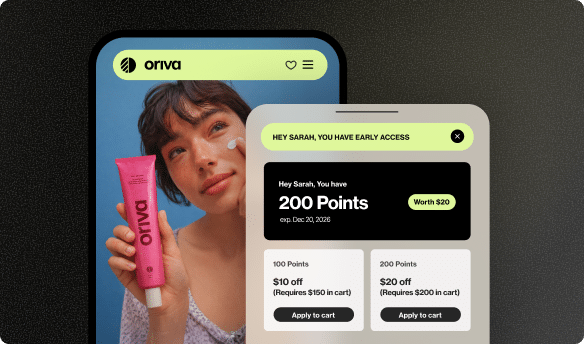
This is where loyalty programs become really powerful. Yotpo’s Loyalty software helps businesses create special programs that reward customers for every purchase. These rewards, like points that can be turned into discounts or exclusive access to new items, encourage shoppers to choose that store over others. This consistent repeat business is a strong engine for driving GMV higher over the long run because it focuses on ecommerce retention.
Ways to Keep Customers Coming Back:
- Offer special deals or points for loyal shoppers to make them feel rewarded.
- Provide amazing customer service that makes shoppers feel heard and valued.
- Make the shopping experience super easy and enjoyable every single time they visit.
- Listen to customer feedback and use their insights to improve products or services, often gathered through helpful reviews. This helps improve customer retention.
How Businesses Use GMV to Grow
GMV isn’t just a number; it’s a powerful tool! Businesses use it in many smart ways to help them grow and succeed. It’s like a speedometer that tells them how fast their sales engine is running and if they are on track to reach their destinations.
Tracking Growth Over Time
One of the most common uses of GMV is simply to track how a business is doing over time. Is it selling more this year than last year? Is this month better than the previous one? By comparing GMV figures from different periods, businesses can quickly spot trends and understand their performance.
- If GMV is steadily going up, it means their marketing, products, or customer service efforts are likely working well.
- If GMV is staying flat or going down, it tells them they might need to change things up, like trying new ads, offering different products, or improving their online store.
It’s a straightforward way to measure progress and see if a business is on the right path to expansion and bigger sales.
Setting Goals and Making Plans
Just like you set goals in a game or for your school projects, businesses set goals for their GMV. They might say, “We want our GMV to reach $20,000 next quarter!” Once they have a clear goal, they can make a solid plan to reach it.
- If the goal is to significantly increase GMV, they might plan to launch exciting new products, run big holiday sales, or invest more in advertising.
- If GMV is already high, they might focus on keeping their existing customers super happy to maintain that success and encourage them to spend more.
GMV helps businesses draw up a clear roadmap for their future sales and strategic moves.
Understanding Market Share
For really big online marketplaces (like platforms where many different sellers offer their products to a huge audience), GMV can show how big a slice of the total market pie they have. If an online marketplace has a very high GMV compared to its competitors, it means lots of people are choosing to buy and sell on their platform. This is a sign of great influence and popularity in the online shopping world.
Attracting Investors
When a business wants to expand even further and needs more money to do so, they might look for investors. Investors are people or groups who give money to businesses in the hope that the business will grow successfully and they’ll get more money back later.
A high GMV can be very attractive to investors. It shows that the business has a strong track record of sales and that many customers are actively buying from it. This indicates a bustling, active business with strong customer demand, which often looks like a very good opportunity for investment.
The Role of Customer Feedback in Boosting GMV
Imagine wanting to buy a new toy, but you don’t know if it’s fun or if it breaks easily. What do you do? You probably ask your friends, right? Or you look up reviews online to see what other kids think. The same thing happens with online shopping, and what customers say has a huge impact on GMV.
Why Reviews and User-Generated Content Matter
Customers really trust what other customers say. When someone sees a product with lots of good reviews, they feel much more confident and excited about buying it. This is why customer feedback is so crucial for online stores:
- Building Trust: Reviews act like personal recommendations from people who have actually used the product. When many people say good things, new shoppers feel safer spending their money.
- Helping Decisions: Reviews give shoppers extra information about a product, helping them decide if it’s the right fit for their needs. This makes them more likely to complete a purchase rather than just looking and leaving.
- Social Proof: Seeing other happy customers and their experiences makes new shoppers feel like they’re making a good choice and are part of a popular trend.
This kind of feedback, especially when customers share their own pictures or videos of products, is called user-generated content (UGC). It’s incredibly powerful for encouraging sales because it feels real and authentic.
Yotpo’s Reviews product helps businesses gather and show off these valuable customer opinions right on their websites. By making it easy for shoppers to see what others think, businesses can build trust and encourage more people to buy, directly leading to higher GMV.
Turning Feedback into More Sales
Businesses don’t just collect reviews; they use them strategically to increase their sales and improve their offerings:
- Featuring Good Reviews: They highlight glowing reviews on their product pages, in online ads, and on social media to attract new customers.
- Improving Products: Sometimes, reviews point out ways to make products or services even better. When a business listens to this feedback and improves, customers are happier, leading to more sales and better experiences.
- Increasing Conversions: When a customer sees lots of positive reviews and user-generated content, they are much more likely to click the “buy” button. This process of turning website visitors into actual buyers is called increasing the ecommerce conversion rate.
Businesses use smart ways to ask customers for reviews, often right after a purchase. Tools like Shopify product reviews make it simple to show these reviews right on the product page, where they can have the biggest impact on someone deciding to buy. The more positive feedback a business can show, the more likely it is to boost its GMV by building confidence and excitement in shoppers.
Building Customer Loyalty for Consistent GMV
Think about your favorite toy, game, or snack. You probably keep buying or playing with it because you love it and trust it, right? Businesses want to be that favorite for their customers, because loyal customers are fantastic for consistent GMV.
The Power of Repeat Business
It’s often much easier and cheaper for a business to sell to someone who has already bought from them, rather than constantly trying to find a brand new customer. These repeat customers are super important for a steady and growing GMV.
- Steady Sales: Loyal customers provide a reliable stream of income because they come back regularly to make purchases.
- Spending More: Over time, loyal customers often spend more with a business. They trust it, so they’re willing to buy more products and try new things. This concept of keeping customers coming back is sometimes called ecommerce retention.
- Spreading the Word: Happy loyal customers also tell their friends and family about the great store, bringing in even more new customers through word-of-mouth recommendations.
How Loyalty Programs Help
Loyalty programs are special ways businesses reward their best customers for sticking around and making repeat purchases. They’re designed to make customers feel valued and give them extra reasons to choose that business again and again.
- Earning Rewards: Customers might earn points for every dollar they spend, which they can then use for discounts, free shipping, or special exclusive items.
- Exclusive Benefits: Loyal customers might get early access to new products, special birthday gifts, or invitations to sales that others don’t get to see.
- Feeling Connected: These programs help build a community around the brand, making customers feel like they are part of something special and appreciated.
Yotpo’s Loyalty software is designed to help businesses create these powerful programs. By giving customers exciting incentives to return, Yotpo helps businesses boost customer retention and encourage repeat purchases. This direct link between loyalty and returning customers means a more consistent and often higher GMV for the business. You can explore case studies to see how real businesses have successfully used loyalty programs to drive growth, and read about some of the best loyalty programs out there.
Making Sense of GMV for Your Favorite Online Stores
So, we’ve learned that Gross Merchandise Volume (GMV) is a super important number for any online store. It’s not about how much profit they make, but it’s like their grand total of sales. It helps them see how much stuff they’re selling and how busy their online store is. Think of it as the scoreboard for sales volume – a clear count of all the successful sales transactions.
A high GMV shows that a business is doing a fantastic job of getting its products into the hands of many happy customers. It’s a key sign that people love what the store is selling and are excited to buy from it. For a business, this means they’re active and reaching a lot of shoppers.
When online stores focus on things like offering great products, making shopping easy, earning trust through customer reviews, and building loyalty with programs that reward repeat shoppers, they are all working towards increasing that big, important GMV number. This growth means they can keep bringing you more of the cool stuff you love, showing just how much activity and excitement is happening in the world of online shopping.
It’s a fundamental way to understand the size and reach of an online business, celebrating all the successful sales transactions before diving into the smaller details. So next time you shop online, remember the GMV! It’s the pulse of how much is being sold, and a big indicator of a vibrant online store.










 Join a free demo, personalized to fit your needs