













“Yotpo is a fundamental part of our recommended tech stack.”
 Laura Doonin, Commercial Director

CommerceGPT: edition 03

The Invisible Brands of ChatGPT
In this chapter, I want to dig into something I’ve been thinking about a lot lately: are all eCommerce categories created equal in the eyes of AI? Are products like $500 gadgets and niche gear getting most of the LLM attention, while basics like t-shirts and shampoo stay invisible?
The short answer is no. Let’s unpack why.
Before we dig in, let’s start with this chart.
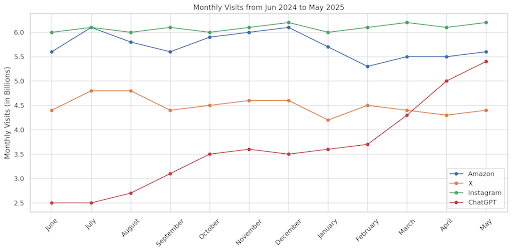
Take a look at ChatGPT’s total visits compared to Amazon, X, and IG. It’s been skyrocketing at a pretty insane rate.
Out of the 5.7b inbound visits to ChatGPT last month, 3.1b were referred out, and 59 million of those referrals were to eCommerce sites.
77.6% of those referrals went to marketplaces. Amazon alone got 0.38% of all ChatGPT traffic. Then it’s a long tail: Etsy (0.19%), eBay (0.09%), Temu (0.08%).
So if you’re not seeing it in your analytics, that doesn’t mean it’s not happening.
ChatGPT isn’t a traditional channel. It’s an invisible layer shaping how people decide. It starts upstream, during discovery and education, and plants seeds that often bloom as branded search or direct visits days later.
Now let’s zoom in.
TL;DR:
This chapter builds on last week’s deep dive on Bing. If you missed that, I recommend starting there. edition 02- Why You Should Care About Bing
Let’s zoom out first. No, not all categories benefit equally from this AI shift. There’s growing evidence that certain verticals, especially high-ticket or complex ones, see stronger performance from AI tools.
Others, mostly lower-cost or habitual purchase categories, lag behind. But the reasons might surprise you. We’ll discuss more in this newsletter.
Early data shows clear gaps. High-consideration products outperform. These are expensive or technically complex items, like TVs, laptops, niche appliances, or luxury goods. Shoppers face decision fatigue in these categories. AI thrives here. It narrows options, explains trade-offs, and acts like a smart salesperson.
Adobe reports 87% of users prefer AI help for large or complex purchases. Experts estimate that AI can drive 2–5 times higher conversion in these verticals.
Take outdoor pizza ovens. If someone asks ChatGPT for the best compact pizza oven, and Ooni has strong reviews, it gets featured. That’s qualified traffic with high intent.
So the takeaway for brands in these categories is clear: structured specs, benefit-driven descriptions, and strong reviews are now your growth engine.
Commodity Categories and AI Blind Spots
On the flip side, apparel, home goods, and grocery underperform. Not because people don’t shop there, but because AI doesn’t see enough signal to guide decisions.
For things like paper towels or shampoo, there’s no need to ask a chatbot. These are habitual buys. For groceries, AI helps a bit with recipes, but not much else.
Fashion is more nuanced. It’s personal. AI can’t fully grasp taste or fit. People enjoy browsing. They don’t want a quick answer. So for now, AI drives inspiration, not conversion. But that could change fast with Google’s AI Mode and similar tools.
The Visibility Spread: Winners vs. Everyone Else
When we looked at ChatGPT traffic across brands, it wasn’t even close. Over 50% of brands get under 2% of traffic from ChatGPT. 20% get under 0.5%. Only 7% break 6%.
The gap is already wide. And visibility depends on how well AI understands you, not how well-known your brand is.
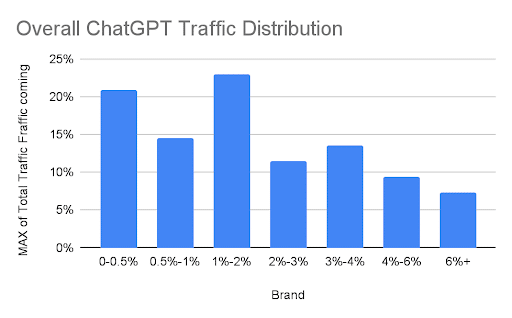
Based on the analysis we did, there is a clear “winners” and “losers”
Top-performing categories share one trait: shoppers want guidance.
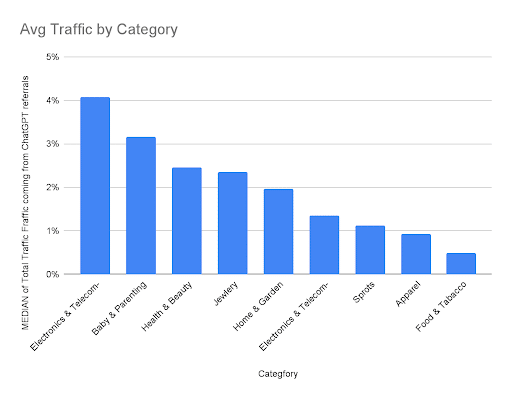
Where people hesitate, compare, or need reassurance, that’s where AI thrives.
Now the opposite. Sports & Fitness underperforms, despite brands like Nike and Adidas. Why? Their content isn’t optimized for AI, and they rely heavily on offline sales.
In Arts & Crafts, only one brand breaks 3%. Most barely register. Weak structure and limited discoverability are likely reasons.
Even big marketplaces struggle. AI prefers individual product recs, not aggregated listings.
Apparel: A Split Story
Apparel looks weak overall. But when you zoom in, it’s a tale of extremes.
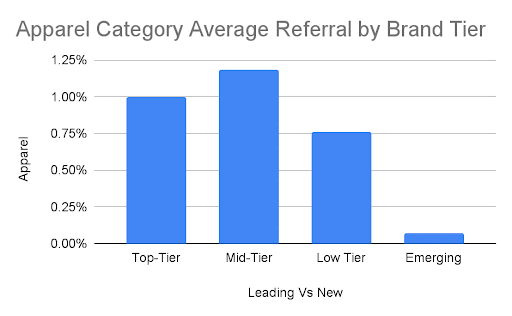
Among the top five apparel brands online, Zara dominates ChatGPT traffic with a 66.5% share. The rest, Gap (12.8%), Skechers (9.0%), Uniqlo (6.4%), and Victoria’s Secret (5.4%), lag well behind.
Why? Zara’s backend is clean. Metadata is structured. Descriptions are clear. Page layouts are simple. The site is LLM-friendly.
Others? Not so much. Clutter, heavy branding, inconsistent formatting—all confuse the AI. When ChatGPT has to guess, it skips.
Emerging DTC brands also pull the category down. Most aren’t playing the AI game yet. Schema is missing. Pages are unstructured. Traffic reflects that.
So while apparel’s median is low, Zara proves what’s possible.
Fashion and accessories were super interesting, as the theory was that we would barely see any significant income traffic from GPT. But I was surprised (and quite happy) that some of our strongest brands see 5%+ of their incoming traffic coming from ChatGPT, and for the best one, I noticed a remarkable 14.6% of their traffic.
So I had to dive deeper and understand why. What I noticed was that this brand couple of the key things I mentioned in the last newsletter that make the LLM crawler’s life much easier and ranking the page with high relevance/authority for EACH ONE of their products
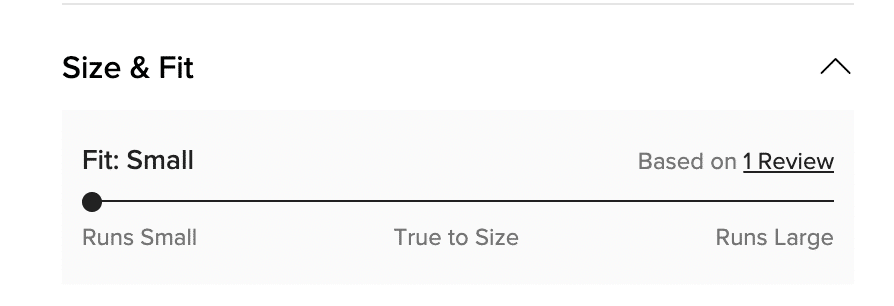
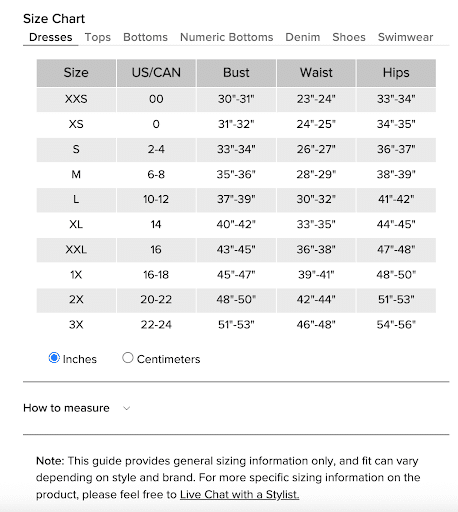
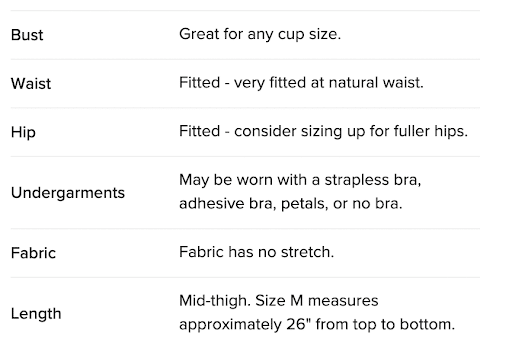
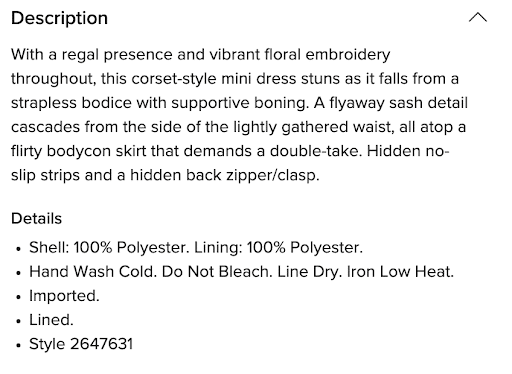
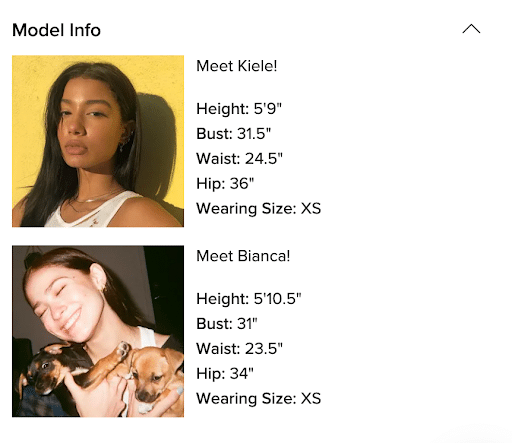
All of it structured and easy for the LLM to read. While browsing the super impressive product page, I couldn’t stop thinking about how all of the provided data is being used to answer any type of question along the customer journey.
Then I wanted to challenge myself and look at the product page of the site that got low traffic from ChatGPT (0.81%) and see if I could notice what they were doing wrong, or not as good.
I admit, it looked quite well, at least from the information POV it provides, they even provided an FAQ within the product page.
So… I did what everyone would have done, and I went to do a deep research on ChatGPT. I asked it to analyse both product pages, and give me its point of view on what is working for each product page and what’s not.
To make it even more interesting, I asked it to guess which one got more traffic from it :)
And the results were:
LULU won the fight because:
And the last one was beyond the hands of Spanx but was a factor (not sure how big though) – Brand/domain authority, both are strong, but Lulu won here due to raw traffic that the site gets
So Lulus wins on crawl-friendliness, review depth, and overall traffic, making it an easy pick-up for LLMs when users ask for a “romantic midi dress for a wedding.”
Still worth taking everything with a grain of salt, as on average the overall referral traffic is ±5% and almost 95% coming from Organic or Paid.
Having said that, AI tools like ChatGPT may be quietly shaping your funnel
Final Thoughts
Right now, ChatGPT traffic is still small for most, around 5% average. But it’s likely influencing far more than you can see. Shoppers who click through are usually closer to purchase. And branded search spikes might be the clue that AI planted the seed.
This chapter is getting long. I’ll cover the technical checklist for making your site AI-visible in the next one. But for now, remember:
You’re not optimizing for humans anymore. You’re optimizing for assistants that behave like trusted product advisors.
And most of them are blind unless you show them exactly what to see.
— Tomer

“Yotpo is a fundamental part of our recommended tech stack.”
Laura Doonin, Commercial Director




 Join a free demo, personalized to fit your needs