


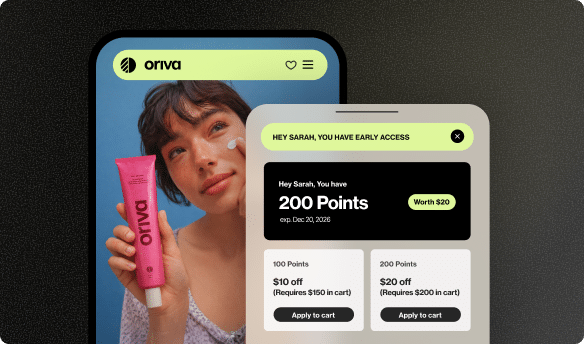







Acquiring a new customer is expensive—and the costs are steadily rising. If your growth strategy depends entirely on a constant influx of new customers, you are contending with an inefficient cycle of acquisition and attrition. The most effective antidote is customer loyalty. It is the engine that drives sustainable, profitable growth for modern e-commerce brands.
This guide will explore its critical importance and detail how to build a program that not only retains customers but transforms them into passionate brand advocates.
Navigating the New Era of E-commerce Growth
For years, the conventional growth model was straightforward: invest heavily in advertising to acquire customers. However, the digital landscape has fundamentally changed. Ad saturation, evolving privacy standards, and heightened competition mean brands now pay a premium for a single click. Relying solely on acquisition is a formula for shrinking margins and operational uncertainty. The most strategic path forward is to shift focus inward—to the customers you have already earned.
Defining True Customer Loyalty
The term “customer loyalty” is frequently used, but its definition is often misunderstood. It represents a deep, resilient relationship between a customer and a brand.
Beyond Repeat Purchases
A customer making multiple purchases is not inherently loyal; they may simply be a repeat buyer. The motivation could be a lower price, convenient shipping, or a temporary discount. This defines a transactional relationship.
True loyalty is an emotional connection. A loyal customer chooses your brand even when a competitor offers a slight price advantage or faster delivery. They remain with you because they believe in your brand, value your products, and feel appreciated. They are more likely to forgive an occasional misstep, such as a delayed shipment, because they trust you to resolve it.
Loyalty vs. Satisfaction: A Critical Distinction
Customer satisfaction can be temporary. A customer may be satisfied with a single transaction but never return. They received what they paid for, and the experience met their expectations.
Loyalty, conversely, is a long-term commitment. It is the difference between a customer stating, “The shipping was prompt,” and declaring, “I only buy my running shoes from this brand.” Satisfaction is centered on the transaction; loyalty is centered on the brand.
The Telltale Signs of a Truly Loyal Customer
You can identify a loyal customer through several key behaviors:
- They choose you first: When they need a product you offer, their first destination is your store, not a search engine.
- They spend more over time: Their average order value (AOV) and customer lifetime value (CLV) are significantly higher than those of a typical shopper.
- They engage beyond transactions: They open your emails, interact with your SMS messages, and write product reviews.
- They recommend you to others: They become voluntary brand ambassadors, driving powerful and authentic word-of-mouth marketing.
- They provide honest feedback: They are invested in your success and will offer constructive feedback on your products and services.
In short, loyalty is about building a relationship that transcends the transaction. It is the most durable competitive advantage a brand can possess.
The Financial Case for Loyalty: A Data-Driven Perspective
Focusing on customer loyalty is not merely a branding exercise; it is one of the most financially sound decisions your business can make. The impact of retaining customers reflects directly on your bottom line. Let’s examine the quantitative benefits.
The Power Trio: Customer Lifetime Value (CLV), Average Order Value (AOV), and Purchase Frequency
These three metrics are the lifeblood of a healthy e-commerce business, and a robust loyalty strategy enhances them all.
- Customer Lifetime Value (CLV): The logic is simple: the longer a customer remains with your brand, the more they spend. Research indicates that a 5% increase in customer retention can boost profitability by 25% to 95%. Loyal customers are the foundation of a high CLV.
- Average Order Value (AOV): Loyal customers trust your brand and product quality. This trust makes them more willing to try new products, purchase higher-priced items, and add more to their cart in a single transaction. They are not solely focused on finding the lowest price.
- Purchase Frequency: Loyal customers return more often. Instead of making a single purchase, they integrate your brand into their regular buying habits, leading to a steady and predictable stream of orders.
Your Marketing Multiplier: Word-of-Mouth and User-Generated Content (UGC)
What is more powerful than your own marketing? Your customers marketing for you. Loyal customers are your most authentic and effective marketing channel.
- Word-of-Mouth: Consumers trust recommendations from friends and family far more than they trust advertisements. A loyal customer who praises your brand to their network provides you with high-converting marketing at no cost.
- User-Generated Content (UGC): Loyal customers are often willing to share their experiences through valuable product reviews, photos, and videos. This social proof is incredibly effective. For example, a gallery of real customers using your product provides more authenticity than a polished studio photograph, boosting conversion rates by showing shoppers that your products are a trusted choice.
Building a Competitive Moat: Predictable Revenue and Reduced Churn
A business built on one-time buyers is inherently volatile, subject to the whims of fluctuating ad costs and market trends. A business built on loyalty is stable and resilient.
- Predictable Revenue: A strong base of loyal, repeat customers creates a predictable revenue stream. This stability simplifies forecasting, inventory planning, and strategic investments.
- Reduced Churn: Customer churn, the rate at which you lose customers, is a silent inhibitor of growth. A loyalty program is a direct defense against it. By providing compelling reasons for customers to stay, you lower your churn rate and build a more sustainable business.
To summarize, investing in loyalty is a direct investment in your most critical financial metrics and your long-term stability.
The Modern Loyalty Blueprint: Three Pillars for Sustainable Growth
A successful loyalty program is not built on chance; it is founded on a strategic framework. A well-designed program requires a solid foundation. Here are the three essential pillars of a modern, effective loyalty strategy.
Pillar 1: Develop Deep Customer Understanding
You cannot foster loyalty without understanding who your customers are and what motivates them. Generic, one-size-fits-all strategies are no longer sufficient. Deep customer insight is the starting point for all subsequent efforts.
Gathering Actionable Data
Data provides direct insight into your customers’ needs and behaviors. This analysis should extend beyond basic demographics to include:
- Purchase History: What have they bought? When did they buy it? How much did they spend?
- Browse Behavior: Which products and categories do they view most frequently?
- Engagement Data: Are they opening your emails, clicking your SMS links, or leaving reviews?
- Customer Feedback: What are they communicating in reviews, surveys, and support interactions?
Segmentation That Drives Results with RFM Analysis
Once collected, this data should be used for segmentation—grouping customers based on shared characteristics or behaviors. This enables personalized communication and tailored offers.
A powerful method for this is RFM (Recency, Frequency, Monetary) analysis, which segments customers based on:
- Recency: How recently did they make a purchase?
- Frequency: How often do they purchase?
- Monetary Value: How much have they spent?
Using the RFM model, you can identify your most valuable customers (high on all three metrics), promising new customers (high recency, low frequency), and customers at risk of churning (low recency). This allows you to tailor your loyalty strategy, such as offering exclusive perks to your top tier while sending a re-engagement offer to those at risk.
Pillar 2: Create a Rewards System with Perceived Value
A loyalty program is fundamentally a value exchange. In return for a customer’s continued business, you must offer something they genuinely find valuable. If your rewards are uninspired or unattainable, your program will not succeed.
Exploring the Rewards Arsenal: Points, Tiers, and Experiences
You have many tools at your disposal. The most effective programs often combine several reward types:
- Points-Based Systems: The classic model where customers earn points for purchases and other actions, which can be redeemed for discounts, free products, or other perks. It is straightforward and easy to understand.
- VIP Tiers: Tiered programs create a sense of progression and exclusivity. Customers unlock new, more valuable benefits as they increase their spending and advance through ranks (e.g., from Silver to Gold). This gamifies the experience and encourages higher spending.
- Experiential Rewards: Sometimes the most compelling rewards are not discounts but unique experiences that cannot be bought, such as early access to new products or invitations to exclusive events. These foster a deep emotional connection.
How to Structure a Program That Converts
The key is to design a program that feels both generous and achievable.
- Establish a Strong Earning Rate: Ensure customers feel they are making meaningful progress with every purchase.
- Offer a Welcome Bonus: Provide new members with a points bonus for signing up to deliver instant gratification.
- Reward More Than Purchases: Encourage engagement by awarding points for actions like creating an account, following on social media, leaving a review, or on their birthday.
- Simplify Redemption: The process for using rewards should be intuitive and seamless, not cumbersome.
Pillar 3: Deliver a Seamless, Omnichannel Brand Experience
Loyalty is cultivated through every interaction a customer has with your brand. An effective loyalty program must be integrated across the entire customer journey.
Bridging the Gap Between Digital and Physical
If you operate both online and physical retail stores, your loyalty program must function flawlessly across both channels. A customer should be able to earn points online and redeem them in-store, and vice versa. This creates a unified experience where the customer feels recognized regardless of their shopping method.
The Role of Email and SMS in Nurturing Loyalty
Your loyalty program should not be a secret. Actively communicate with members through the channels they already use.
- Email: Use email for member updates, such as points balance summaries, reward notifications, and exclusive member promotions.
- SMS: For time-sensitive updates, SMS is highly effective. Send a text to notify a customer they have unlocked a new VIP tier or that their points are nearing expiration.
By integrating your loyalty program with your email and SMS strategies, you keep it top-of-mind and consistently reinforce the value of membership.
A Step-by-Step Guide to Building a Loyalty Program with Yotpo

Understanding the importance of loyalty is the first step; implementing a successful program is the next. While designing and launching a loyalty program may seem challenging, the right partner and platform can simplify the process.
This section details how Yotpo Loyalty provides the tools and strategic guidance to realize your loyalty objectives. Yotpo’s platform is designed specifically for e-commerce brands seeking to build lasting customer relationships.
Step 1: Begin with a Strategy, Not Just Software
A common pitfall is activating a tool without a clear plan. An effective loyalty program starts with a strategy tailored to your brand’s unique goals. This is where Yotpo’s approach is distinctive.
The Power of a Partnership Approach
Yotpo provides more than just software; it offers a strategic partnership. A key differentiator is the dedicated support you receive from the outset. You are paired with Customer Success Managers (CSMs) who are experts in e-commerce loyalty. They assist not only with technical setup but also with:
- Defining your program’s objectives (e.g., increasing purchase frequency, boosting AOV).
- Analyzing customer data to inform the program’s structure.
- Designing a rewards and tier system that resonates with your target audience.
- Planning your launch and promotional strategy.
This expert guidance ensures your program is built on a solid strategic foundation, leveraging Yotpo’s extensive market experience and data-driven insights.
Step 2: Design a Flexible, On-Brand Program
Your loyalty program should be a natural extension of your brand, not a generic, disconnected feature. Yotpo Loyalty is engineered for deep customization and flexibility, allowing you to create a unique brand experience.

Customizing Your Points and Rewards Structure
With Yotpo, you have complete control over how customers earn and redeem points. You can configure:
- Custom Earning Rules: Define the number of points earned per dollar spent and create special bonus point events.
- Varied Redemption Options: Allow customers to redeem points for fixed-amount discounts, percentage-off coupons, free shipping, or even specific free products.
- Flexible Point Expiration: Implement strategies to create urgency, such as setting points to expire after a period of inactivity, which encourages repeat purchases.
Crafting Compelling VIP Tiers
Tiered programs are highly effective at driving engagement, and Yotpo simplifies their implementation and management. You can:
- Create Unlimited Tiers: Design as many tiers as needed (e.g., Bronze, Silver, Gold).
- Set Clear Entry Requirements: Base tier progression on points earned, money spent, or number of orders.
- Offer Exclusive Perks: Reward higher tiers with increasing benefits, such as better point multipliers, exclusive access to sales, and members-only products. Yotpo’s flexibility in structuring these tiers is a key advantage.
This level of customization ensures your program aligns perfectly with your brand identity and business objectives.
Step 3: Drive Engagement with Strategic Earning Actions
An effective loyalty program rewards customers for their engagement, not just their spending. Yotpo enables you to create a rich, interactive experience by rewarding a wide range of valuable actions.
Rewarding More Than the Final Purchase
Within Yotpo Loyalty, you can easily establish campaigns to award points for actions such as:
- Creating an account
- Following your brand on social media
- Celebrating a birthday
- Leaving a product review
- Referring a friend
These “earning campaigns” make the program more engaging while encouraging behaviors that contribute to brand community growth and other key business goals.
Step 4: Measure, Analyze, and Optimize for Success
Launching your program is just the beginning. To ensure long-term success, you must understand its performance. Yotpo Loyalty provides robust reporting and analytics tools that offer clear insights into your program’s effectiveness.
Leveraging Robust Reporting and Analytics
The analytics dashboard provides a clear view of key metrics, including:
- Program ROI: Track the exact revenue generated by your loyalty program.
- Member Engagement: Monitor program enrollment and the frequency of point earnings and redemptions.
- Top Performing Rewards: Identify which rewards are most popular to optimize your offerings.
- Tier Performance: Analyze the spending habits and lifetime value of customers in each VIP tier.
This data is crucial for making informed decisions, testing new strategies, and continuously refining your program to maximize its impact on customer retention and your bottom line.
In essence, Yotpo Loyalty provides a comprehensive, strategically-supported toolkit that empowers you to build, manage, and optimize a world-class loyalty program.
Building a Trust Flywheel with Loyalty and Reviews

Social proof is essential for building trust, and customer reviews are its most authentic form. By integrating Yotpo Loyalty with Yotpo Reviews, you can create a powerful, self-perpetuating cycle:
- Incentivize High-Quality Reviews: Use your loyalty program to offer points to customers for leaving a review post-purchase. Offer bonus points for including a photo or video to generate valuable UGC.
- Generate More Authentic Content: This incentive dramatically increases the volume of your reviews, providing fresh social proof for new shoppers.
- Boost Conversions: Displaying these reviews on your product pages increases conversion rates and attracts new customers.
- Enroll New Customers: These new customers then make a purchase and are invited to join your loyalty program, restarting the cycle.
This flywheel effect leverages the integration between Loyalty and Reviews to simultaneously drive new acquisitions and deepen engagement.
Navigating the Loyalty Platform Landscape
Choosing the right technology partner for your loyalty program is a critical decision. The market offers a range of options, from simple applications to complex enterprise solutions. Making the right choice depends on understanding your business needs and knowing what to look for.
Key Factors to Consider When Choosing Your Platform
As you evaluate your options, focus on these crucial factors:
- Strategic Support: Does the provider act as a true partner? Look for platforms that offer dedicated strategic guidance, such as CSMs who help design and optimize your program, rather than merely providing technical support. This is a significant differentiator.
- Flexibility and Customization: Can you build a program that accurately reflects your brand? Avoid rigid systems that enforce a one-size-fits-all model. You need control over rewards, tiers, earning rules, and branding.
- Integration Capabilities: How well does the loyalty platform connect with your other marketing tools, particularly your email and SMS platforms? Deep, seamless integration is essential for creating personalized, omnichannel experiences.
- Analytics and Reporting: Can you easily measure the ROI and performance of your program? Robust, intuitive analytics are non-negotiable for data-driven decision-making.
A Look at the Market Options
The loyalty space includes several known players. Platforms like Loyalty Lion and Smile provide tools for creating points and referral programs. Others, such as Okendo, Stamped, and Rivo, also offer loyalty features, often alongside their core reviews or UGC products.
When comparing these alternatives, it is important to look beyond surface-level feature lists and ask critical questions based on the factors above. While many platforms can help you create a basic points system, Yotpo’s emphasis on a strategic partnership model, deep customization, comprehensive analytics, and seamless integration into a broader retention marketing platform provides a more holistic and powerful solution for growth-focused brands. The focus is not just on launching a program but on ensuring its long-term success.
Sidestepping Pitfalls: Overcoming Common Loyalty Program Challenges
Even well-designed strategies can encounter obstacles. Launching a loyalty program is a significant step, but it is wise to prepare for common challenges. Here is how to proactively address them.
Challenge: Low customer engagement with the program.
A common frustration is low sign-up rates or a lack of activity from members. This usually indicates a lack of awareness or a perceived lack of value.
The Solution:
- Implement a Comprehensive Promotional Strategy: Do not expect customers to discover the program organically. Promote it across all channels: add banners to your homepage, create dedicated email campaigns explaining the benefits, mention it in post-purchase flows, and empower your customer service team to advocate for it.
- Deliver Immediate Value: Offer an instant sign-up bonus. A small point award for creating an account can provide the necessary incentive for customers to join.
- Simplify the Value Proposition: The program’s benefits should be immediately clear. If a customer must decipher a complex set of rules, they will lose interest. Lead with your most compelling perks.
Challenge: The program is too confusing for customers and internal teams.
Complexity is a barrier to engagement. If customers do not understand how to earn or redeem points, they will ignore the program. If your own team cannot explain it easily, the problem is compounded.
The Solution:
- Prioritize Clarity: Use simple, direct language. Instead of technical ratios, state the value clearly (e.g., “Earn 1 point for every $1 spent”). Create a concise FAQ page that explains the rules in plain terms.
- Streamline Redemption: The process of converting points into a reward should be effortless. A one-click redemption button within the shopping cart is far more effective than requiring a customer to copy and paste a code.
- Train Your Team: Ensure all staff, especially those in customer-facing roles, understand the program thoroughly. They should be its strongest advocates.
Challenge: Difficulty in proving the program’s return on investment (ROI).
While you may intuitively feel the program’s impact, you need data to validate its performance. Without clear metrics, a loyalty program can be perceived as a cost center rather than a revenue driver.
The Solution:
- Select a Platform with Robust Analytics: This is non-negotiable. You need a dashboard that clearly displays key metrics: revenue from loyalty members versus non-members, repeat purchase rates, changes in AOV, and overall program ROI. Yotpo Loyalty’s analytics are specifically designed to provide this clarity.
- Track Key Segments: Monitor the behavior of your loyalty members. Are your VIPs spending significantly more? Is the program successfully converting first-time buyers into repeat purchasers? Segmented data tells a powerful story.
- Consider Indirect Value: Remember that loyalty also influences other areas. Are your members leaving more reviews or referring more new customers? These contributions have tangible value.
By anticipating these challenges, you can build a program that is well-designed, resilient, engaging, and demonstrably valuable to your business.
Conclusion: Making Loyalty Your Strategic Advantage in 2026
The e-commerce landscape will only become more competitive. The brands that thrive will not be those that spend the most on advertising, but those that build genuine, lasting relationships with their customers. Customer loyalty is no longer a secondary consideration; it is the core of a sustainable, profitable, and defensible business.
By understanding your customers, offering real value, and delivering a seamless experience, you can transform one-time shoppers into lifelong advocates. This requires a strategic approach and the right technology partner, but the return is immense. A strong loyalty program creates a competitive moat around your business, driving predictable revenue, amplifying your marketing, and building a brand that customers don’t just purchase from, but truly value. In 2026 and beyond, that is the ultimate strategic advantage.
FAQs
How long does it take to see results from a loyalty program?
Initial results, such as an increase in sign-ups, can be seen almost immediately after a strong promotional launch. However, the most significant financial impacts—like a measurable increase in Customer Lifetime Value (CLV) and repeat purchase rate—typically become evident within three to six months as members have time to engage, earn rewards, and modify their purchasing habits.
Can a loyalty program work for a small business?
Certainly. Loyalty is not exclusive to large retailers. For a small or growing business, a loyalty program can be particularly impactful. It serves as a cost-effective strategy to compete with larger brands by fostering a strong community and maximizing the value of every acquired customer. It helps you retain your hard-won customers and turn them into a volunteer marketing force.
What is the biggest mistake brands make with loyalty programs?
The most common mistake is focusing exclusively on the transaction. A program that only offers simple discounts can feel impersonal. The most successful programs reward engagement, create a sense of community, and provide exclusive perks and experiences that make members feel valued. Overlooking the emotional connection is a primary reason why some programs fail to gain traction.
How is a loyalty program different from offering discounts?
Discounts are a short-term tactic designed to drive a single sale. They often attract price-sensitive shoppers with no allegiance to your brand who will leave for a better deal. A loyalty program is a long-term strategy designed to build a relationship. It uses a structured system of rewards and recognition to encourage repeat business and foster an emotional connection, transforming a transactional shopper into a loyal brand advocate.











 Join a free demo, personalized to fit your needs