


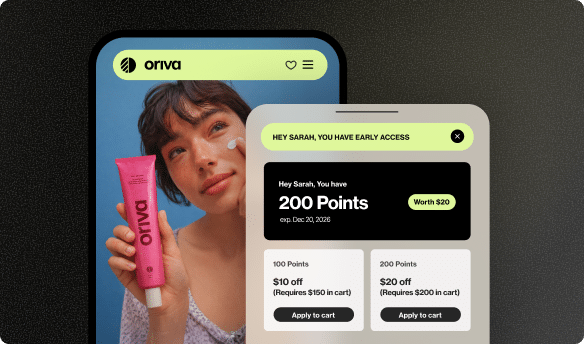







Getting new customers is always a priority. However, keeping the customers you already have is one of the best ways to grow your business sustainably. This is where a well-designed loyalty program becomes a game-changer. It’s more than just a discount system; it’s a strategic tool for building real, lasting relationships with your customers. This guide covers everything you need to know about loyalty programs, from their key benefits to the steps for building a successful one yourself.
Key Takeaways
- Boosts Key Metrics: A loyalty program is proven to increase customer retention, lifetime value (LTV), and average order value (AOV).
- Creates Brand Advocates: It turns your most loyal customers into a powerful marketing force by encouraging referrals and word-of-mouth promotion.
- Gathers Valuable Data: Loyalty programs provide crucial first-party data on customer behavior, allowing for deeper personalization and targeted marketing.
- Multiple Structures Exist: Common program types include points-based, tiered, paid (VIP), value-based, and hybrid models. The right choice depends on your brand and customers.
- Technology is Essential: A dedicated platform like Yotpo Loyalty is necessary to manage the complexities of a modern program, from tracking points to providing robust analytics.
The Core Concept: What Exactly is a Loyalty Program?
Most of us have been part of a loyalty program, whether it was earning a free coffee or collecting airline miles. But to really get why they are so important for online businesses, we need to look closer at what they do and why they work.
Beyond Discounts: A Definition for Modern eCommerce
At its core, a loyalty program is a marketing strategy made to encourage customers to come back again and again. It works by rewarding them for their continued business. While discounts and freebies are common rewards, a modern loyalty program creates a value exchange that builds an emotional connection. It makes customers feel seen and appreciated.
Think of it as an exclusive club for a brand’s best customers. This membership gives them access to unique perks, which strengthens their bond with the brand. It turns simple purchases into the foundation of genuine loyalty.
Why Loyalty Programs Are No Longer Optional
Not long ago, a loyalty program might have been seen as a “nice-to-have” marketing tactic. Today, it’s a vital part of any solid customer retention strategy. The numbers back this up. Getting a new customer can cost five times more than keeping an existing one. On top of that, research from Bain & Company shows that improving customer retention by just 5% can boost profits by 25% to 95%.
These stats point to a clear business reality: focusing on your current customers is a direct route to better profitability. In a market where shoppers have endless choices, a loyalty program makes your brand stand out. It gives customers a strong reason to return, shifting the focus from one-time sales to long-term customer value.
The Tangible Benefits: What a Loyalty Program Does for Your Business
Putting a loyalty program in place delivers real results that directly affect your bottom line. A good program isn’t just about making customers feel good; it’s a tool for driving key business metrics.
Boosts Customer Retention and Lifetime Value (LTV)
The number one benefit of a loyalty program is better customer retention. By giving people clear reasons to make another purchase, you raise the chances that a first-time buyer will become a long-term fan.
This has a direct impact on Customer Lifetime Value (LTV), a crucial metric for growth. LTV is the total amount of money a business expects to get from a single customer over time. Customers in a loyalty program tend to buy more often and stick around longer, which greatly increases their LTV.
Increases Average Order Value (AOV)
Loyalty programs can also encourage customers to spend more in a single purchase. When people know they’re close to a reward or the next membership tier, they are often motivated to add a few more items to their cart.
You can encourage this by setting up your program with clear milestones. For example, a simple notification like, “You’re only $15 away from your next reward!” can be a very effective way to increase the Average Order Value (AOV) of your members.
Creates Brand Advocates and Drives Referrals
Your most loyal customers are also your best marketers. Customers who feel valued are more likely to share their positive experiences with friends and family. A well-designed loyalty program can formalize this by rewarding referrals.
By offering points or exclusive discounts to customers who bring in new buyers, you turn your loyal base into an active customer acquisition channel. This kind of word-of-mouth marketing is especially powerful because it comes from a trusted source.
Gathers Valuable First-Party Data
In today’s privacy-focused world, collecting first-party data is more important than ever. A loyalty program gives you a ton of information about what your customers like and how they shop, including:
- Products they buy most often.
- How frequently they make purchases.
- Which rewards and offers they find most appealing.
- Important dates, like birthdays, and their engagement history.
This data allows you to personalize your marketing with great precision. You can send targeted offers, recommend relevant products, and create a shopping experience that feels unique to each person, which strengthens their loyalty even more.
Differentiates You from Competitors
When a customer is deciding between your store and another that sells similar products, a great loyalty program can be the deciding factor. A unique and compelling program can set you apart from the competition. It changes the focus from who has the lowest price to who offers the best overall customer experience. When customers are invested in your brand’s ecosystem, they are much less likely to be tempted by a competitor’s small discount.
Exploring the Landscape: Common Types of Loyalty Programs
Not all loyalty programs are built the same way. The type you choose should fit your brand, your customers, and your business goals. Here are some of the most common models.
The Points-Based Program
This is the most classic and simple model. Customers earn points for certain actions—mostly purchases, but also for things like creating an account, writing a review, or following the brand on social media. These points can then be traded in for rewards.
- How it Works: Customers usually earn a certain number of points for every dollar spent (e.g., 10 points for every $1).
- Pros: The system is easy for customers to understand and for businesses to manage. It’s flexible enough to offer a wide variety of ways to earn and redeem.
- Cons: If not done carefully, it can feel more like a transaction than a relationship.
- Example: Sephora’s Beauty Insider program lets members earn one point for every dollar spent, which they can redeem for product samples, discounts, or exclusive events.
The Tiered Program
Tiered programs create a journey for customers to aspire to. Members unlock better benefits and a higher status as they spend more. This gamifies the shopping experience and makes top customers feel special.
- How it Works: Customers are sorted into tiers (e.g., Bronze, Silver, Gold) based on how much they’ve spent or how many points they’ve earned. Each higher tier comes with better perks.
- Pros: It gives customers a strong reason to spend more to reach the next level. The exclusivity of the top tiers helps create powerful brand advocates.
- Cons: Tiered programs can be more complicated to run. It’s important to make sure even the lowest tier has enough value to keep new members interested.
- Example: Starbucks Rewards uses a tiered system where customers earn “Stars” to move up to levels that unlock benefits like free drink refills and the ability to redeem for food and merchandise.
The Paid (VIP) Program
This model asks customers to pay a recurring fee (monthly or yearly) for instant, ongoing benefits. It’s a high-commitment approach that requires a very strong value proposition.
- How it Works: Customers subscribe to the program and immediately get access to exclusive perks that other shoppers can’t get.
- Pros: It creates a highly committed group of customers and a predictable stream of revenue. Members are psychologically driven to shop more to get the most out of their investment.
- Cons: The upfront cost is a big hurdle, so the benefits have to be extremely compelling.
- Example: Amazon Prime is the most famous VIP program. Members pay an annual fee for a wide range of benefits, including free two-day shipping, streaming services, and exclusive deals.
The Value-Based Program
A value-based program connects customer loyalty to a shared belief or cause. Instead of just focusing on transactional rewards, the program contributes to a charity or reflects the brand’s ethical values.
- How it Works: The brand promises to make a donation or contribution for purchases made by loyalty members.
- Pros: It builds a deep, emotional connection with customers who share the same values, which can be a powerful way to stand out.
- Cons: Authenticity is everything. The brand has to be genuinely committed to the cause, or the program will seem like a shallow marketing trick.
- Example: TOMS built its brand on a “One for One” model, donating a pair of shoes for every pair sold. This idea of connecting purchases to a greater good is the heart of a value-based approach.
The Hybrid Program
A hybrid program mixes elements from two or more program types to create a custom solution. This is often the best approach for eCommerce businesses that want to achieve several goals at once.
- How it Works: A brand might use a points-based system inside a tiered structure. For example, all members earn points, but Gold-tier members earn them faster and get access to exclusive rewards.
- Pros: This model gives you the most flexibility to design a program that perfectly fits your business needs and what motivates your customers.
- Cons: The main risk is making the program too complicated. Clarity and simplicity are still key, even in a hybrid model.
- Example: Many modern eCommerce brands use a hybrid approach, such as a tiered system that also includes points, referral rewards, and special birthday bonuses.
Building Your Program: A Step-by-Step Framework
Creating a loyalty program that gets results takes a structured approach. This framework will help you design a program that engages customers and hits your business goals.
Step 1: Define Your Goals First, set specific, measurable goals for your program. Vague goals like “increase loyalty” won’t work. Instead, focus on clear targets. Examples include:
- Increase the repeat purchase rate by 15% within 12 months.
- Boost AOV for program members by 10% in the next six months.
- Generate 500 new customers through referrals in the first quarter.
Step 2: Understand Your Audience Design the program around what motivates your target customers. Use data, not guesses, to understand who they are.
- Analyze Purchase Data: Find your most frequent shoppers and high-spenders to see what their buying habits are.
- Conduct Surveys: Ask customers directly what kinds of rewards they would value. Find out if they prefer discounts, free shipping, exclusive products, or early access to sales.
- Segment Your Audience: Tailor your program to appeal to different groups of customers, from new buyers to long-time loyalists.
Step 3: Choose Your Program Structure Based on your goals and audience research, pick the program type (or hybrid mix) that makes the most sense.
- For simplicity and wide appeal, a points-based program is a great place to start.
- To reward your top spenders and create an aspirational structure, a tiered program is perfect.
- If you have a very engaged community and a strong value proposition, a paid program can be highly effective.
Step 4: Design Your Earning and Redeeming Rules This is the operational heart of your program. You need to define how customers will earn rewards and what those rewards will be.
Earning Actions:
- Purchases: The foundation of most programs (e.g., 10 points per $1 spent).
- Engagement: Reward actions other than purchases, like creating an account, writing a review, or following on social media.
- Special Occasions: Give bonus points for a customer’s birthday or membership anniversary.
- Referrals: Offer points to both the referrer and the new customer to encourage advocacy.
Redemption Options (Rewards):
- Discounts: Percentage-off, fixed-dollar-amount, or tiered discounts.
- Free Products: Offer exclusive or popular items as redeemable rewards.
- Free Shipping: A consistently popular and effective incentive.
- Experiential Perks: Give early access to new collections, invitations to special events, or personal styling sessions.
Step 5: Name and Brand Your Program Come up with a creative, memorable name for your program that fits your brand identity. A unique name like “The Insider’s Club” is more engaging than a generic title like “Rewards Program.” Design a simple logo and keep the branding consistent across all program messages.
Step 6: Promote Your Program Everywhere An effective loyalty program needs a multi-channel promotion strategy to build awareness and get people to sign up.
- On-Site: Use banners, pop-ups, and a dedicated landing page that clearly explains the program’s benefits.
- Email Marketing: Announce the launch to your email list and include program information in your regular newsletters.
- Post-Purchase: Encourage sign-ups on the order confirmation page and in shipping notification emails.
- Social Media: Run campaigns to build awareness and drive enrollment.
Step 7: Measure, Analyze, and Optimize Launching the program is just the beginning. Long-term success comes from constantly tracking performance and making improvements based on the goals you set in Step 1.
- Key Metrics: Watch your enrollment rate, redemption rate, repeat purchase rate, and the LTV of members versus non-members.
- Gather Feedback: Ask members for their opinions to find out what they like and where you can improve.
- Iterate: Use data and feedback to refine the program. Try out new rewards, change point values, and run special promotions to keep things interesting.
Choosing the Right Technology: Powering Your Loyalty Program
A modern loyalty program has a lot of moving parts—tracking points, managing tiers, segmenting customers, and sending personalized messages. Trying to do all of this by hand is not only inefficient, but it also limits what your program can achieve. A dedicated technology platform is essential for success.
The Challenge: From Concept to Reality
Without the right tools, a loyalty strategy can be hard to put into action. An effective system needs to:
- Accurately track points for many different actions in real-time.
- Automatically move customers between tiers based on their activity.
- Provide a smooth user experience for customers to check balances and redeem rewards.
- Integrate with other marketing channels.
- Deliver powerful analytics to measure ROI and make data-driven decisions.
How Yotpo Loyalty Builds Best-in-Class Programs

A specialized platform like Yotpo Loyalty is built to handle these complexities for eCommerce brands. It gives you the infrastructure and strategic tools to build a program that is both powerful and easy to manage. With Yotpo Loyalty, you get a team of eCommerce loyalty experts who use their experience to help you design and optimize a dynamic program.
Key capabilities of Yotpo Loyalty include:
- Flexibility and Customization: Every brand is different, and your loyalty program should be too. Yotpo lets you create a fully customized experience with a wide range of earning rules, reward types, and VIP tiers. This allows you to go beyond generic models and build a program that truly matches your brand identity.
- Robust Reporting and Insights: You can’t manage what you don’t measure. Yotpo provides a clear reporting dashboard to help you understand every part of your program’s performance. This makes it easy to track ROI, identify your most valuable customers, and make smart decisions.
- Market Experience and Maturity: As an established leader in the loyalty space, Yotpo offers a reliable, feature-rich, and scalable platform that has been proven to work for thousands of eCommerce brands. The platform is founded on a partnership approach, giving you access to experts who provide strategic guidance.
You can even create synergies with other tools. For example, you can award loyalty points to customers who leave product feedback with Yotpo Reviews, creating a virtuous cycle of engagement and user-generated content.

Loyalty Program Examples to Inspire You
Looking at successful loyalty programs can give you great ideas for your own. Here are a few examples from eCommerce brands that are great at driving retention and building a community.
- Princess Polly: The Polished Perks Program Apparel brand Princess Polly uses a tiered loyalty program that encourages both purchases and ongoing engagement.
- Program Structure: A hybrid model that combines points and tiers (“Bestie,” “Super Fan,” “VIP”).
- What Makes It Effective:
- Multiple Earning Options: Customers earn points not just for spending but for actions like creating an account, following on social media, and leaving reviews.
- Clear Tiers: The benefits of each tier are clearly laid out, giving customers a strong reason to advance to higher levels for perks like early access to sales.
- Referral Program: A built-in referral system rewards both the advocate and the new customer, turning loyal shoppers into a powerful acquisition channel.
- TULA Skincare: The TULA Rewards Program TULA Skincare’s program is a strong example of how to make customers feel like valued insiders through a well-designed tiered system.
- Program Structure: A classic tiered program (“TULA Star,” “TULA Supernova,” “TULA Superfan”).
- What Makes It Effective:
- Aspirational Rewards: Higher tiers unlock great benefits like free shipping on all orders, early access to new products, and a faster point-earning rate.
- Birthday Bonuses: TULA rewards members with a special gift during their birthday month, a simple but very effective personal touch.
- Ease of Use: The program is seamlessly woven into the shopping experience, with a clear dashboard where customers can track their points and available rewards.
- Starbucks: The Starbucks Rewards Program
- Program Structure: A tiered, points-based system. Customers earn “Stars” for every dollar spent, with higher earnings for using a pre-loaded Starbucks Card via the app. The program has two main tiers, with the higher tier unlocking more valuable perks.
- What Makes It Effective: The program’s success comes from its seamless mobile app experience. It offers an easy way to order ahead, pay, and track rewards. Gamification through special challenges and “Double Star Days” keeps customers engaged. The program enhances the customer’s in-store experience while also providing a sense of community through digital channels.
Common Pitfalls and How to Avoid Them
While loyalty programs have huge potential, some mistakes can weaken their effectiveness. Knowing these common pitfalls is the first step to avoiding them.
Overly Complicated Rules
If customers can’t easily understand how to earn and redeem points, they will lose interest. A program with confusing rules creates friction.
- How to Avoid It: Keep it simple. Use a straightforward earning rule (e.g., 10 points per $1). Make the redemption process clear and easy. Create a dedicated FAQ page to answer common questions.
Unattainable or Unappealing Rewards
A loyalty program only works if the rewards are desirable. If the rewards are too hard to get or aren’t things your customers actually want, the program won’t be motivating.
- How to Avoid It: Offer desirable and achievable rewards. Use customer data and surveys to find out what your audience values. Offer a mix of rewards at different point levels so both new and long-time members have something to work toward.
Poor Communication and Promotion
A loyalty program can’t succeed if customers don’t know it exists or forget they’re members.
- How to Avoid It: Promote the program consistently. Feature it on your website, in emails, and on social media. Send members regular updates on their point balance and remind them of available rewards.
A Stagnant Program
A loyalty program is not a one-and-done project. Customer preferences change, and your program needs to adapt. A program that never changes will eventually become boring.
- How to Avoid It: Continuously analyze and optimize. Regularly check your performance metrics. Ask for feedback from members. Introduce new rewards and run special promotions to keep the program fresh and exciting.
Conclusion: Your Next Step Towards Building Lasting Loyalty
In today’s eCommerce market, building a sustainable business takes more than just competitive pricing. The most successful brands are the ones that build strong, lasting relationships with their customers. A well-designed loyalty program is one of the best tools for doing this.
It’s more than just a system of points and discounts. A loyalty program is a strategic framework for encouraging repeat business, increasing customer lifetime value, and creating a community of passionate brand advocates. By setting clear goals, understanding your customers, and using the right technology, you can build a program that delivers real results and makes your brand stand out.
Frequently Asked Questions
How do I choose a name for my loyalty program?
A great name is creative, memorable, and reflects your brand’s personality. Avoid generic names like “Rewards Program.” Think about what makes your brand unique. Brainstorm words related to community, exclusivity, or your brand’s values. A name like “The Adventure Club” for an outdoor brand is much more engaging.
What are the best kinds of rewards to offer?
The best rewards are ones your customers actually want. A mix is often effective. Transactional rewards like discounts and free shipping are always popular. Experiential rewards like early access to new products or invitations to exclusive events can create a stronger emotional connection. Survey your customers to find out what excites them.
How should I promote my new loyalty program?
Promote it everywhere. Announce the launch with a dedicated email campaign and social media posts. Add a prominent banner to your website’s homepage. Use pop-ups to encourage sign-ups. Mention it on your order confirmation pages and in shipping notification emails. The more visible it is, the faster it will grow.
Can a B2B business benefit from a loyalty program?
Absolutely. While the structure might be different, the core principle is the same. B2B loyalty programs can reward clients for repeat orders, referrals, or long-term contracts. Rewards might include service discounts, free training sessions, or early access to new features, strengthening the business relationship.
What’s the main difference between using points and tiers?
Points are transactional; customers earn them for specific actions and redeem them for rewards. Tiers are relational; they reward customers with a higher status and ongoing benefits based on their overall spending or engagement. Many of the most effective programs use a hybrid model, combining both to motivate different behaviors.
How often should I communicate with my loyalty members?
Regular communication is key to keeping members engaged. Send monthly statements showing their point balance and available rewards. Email them about special promotions, like double-point days. A personalized birthday message with bonus points is also a great touch. The goal is to stay top-of-mind without spamming them.
What is a good redemption rate for a loyalty program?
A healthy redemption rate is typically around 20% or higher. A low rate might suggest your rewards are either not appealing enough or too difficult to earn. A very high rate could mean you are giving away too much value. Monitor this metric closely and adjust your program as needed to find the right balance.
Is it better to offer a percentage discount or a fixed-dollar discount?
It depends on your AOV. Fixed-dollar discounts (e.g., “$10 off”) are often more appealing for lower-priced items and can encourage customers to spend a bit more to use the coupon. Percentage discounts (e.g., “15% off”) are usually more attractive for higher-priced purchases. Test both to see what resonates best with your customers.
How can I prevent loyalty program fraud?
Set clear terms and conditions. Monitor for unusual activity, like someone creating multiple accounts to farm sign-up bonuses or referring fake customers. A good loyalty platform will have built-in fraud detection tools to help you identify and manage suspicious behavior.
What’s the best way to handle expiring points?
Point expiration can encourage customers to redeem their rewards, but it can also create a negative experience if not handled well. If you choose to have points expire, be transparent about the policy. Send multiple email reminders to customers well before their points are set to expire, giving them a chance to use their hard-earned rewards.
Should my loyalty program be free to join?
For most eCommerce brands, a free-to-join program is the best way to maximize enrollment and engagement. Paid or VIP programs can work, but they require an exceptionally strong and clear value proposition to convince customers to pay an upfront fee.
How can I re-engage inactive members?
Run a targeted “win-back” campaign. Send an email to members who haven’t purchased in a while, reminding them of their current point balance and perhaps offering them bonus points as an incentive to come back. You could also highlight new rewards they might not have seen.
What is the single most important factor for a successful loyalty program?
Simplicity. If your program is easy to understand, easy to join, and easy to use, customers will engage with it. Complicated rules, confusing redemption processes, and hidden terms will drive people away. Focus on creating a clear and straightforward value exchange.











 Join a free demo, personalized to fit your needs