


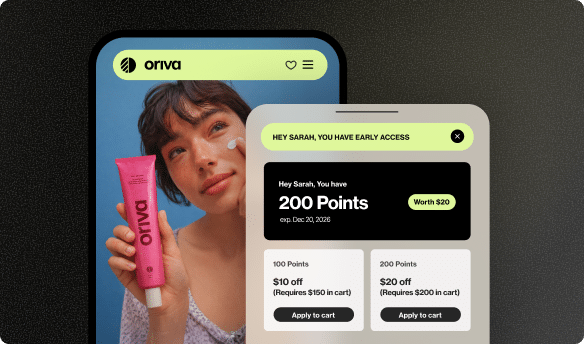







A long-standing business principle says that getting a new customer costs five times more than keeping an existing one. In today’s competitive e-commerce world, this idea is more important than ever. Brands spend a lot of money to bring people to their stores, but the real question is: what happens after that first purchase? Many find it tough to turn one-time buyers into loyal, repeat customers. This is where customer loyalty software makes a huge difference, acting as the engine for building lasting relationships.
In this guide, we’ll break down what this software is, why it’s so important for growth, and how to launch a successful program that gets real results.
Key Takeaways
- Retention is Cost-Effective: Keeping an existing customer is significantly cheaper than acquiring a new one. Loyalty programs are a direct investment in your most valuable audience.
- Drives Key Metrics: A well-run loyalty program directly boosts Customer Lifetime Value (LTV), Average Order Value (AOV), and customer retention rates.
- Core Features Matter: When choosing software, look for flexible rewards, tiered programs, powerful referral systems, and deep analytics to measure ROI.
- Strategy First: A successful program starts with a clear strategy, not just technology. Define your goals before you build the reward structure.
- Integration is Powerful: While loyalty software is a strong standalone tool, its value increases when connected with other marketing tools, like a reviews platform.
Why Customer Loyalty is Critical for E-commerce Growth
Building a loyal customer base isn’t just a nice-to-have; it’s a core driver of profitable and sustainable growth. When you focus on loyalty, you’re investing in customers who already know and trust your brand. This strategic focus leads directly to real, measurable results.
- Increased Customer Lifetime Value (LTV): Loyal customers buy more often and spend more over time. A good loyalty program encourages repeat business, steadily increasing the total revenue you get from each customer. Even a small improvement in retention can have a big impact on your profits.
- Higher Average Order Value (AOV): Loyalty programs often encourage customers to spend more to unlock the next reward or perk. Someone might add another item to their cart just to hit a point threshold, which directly boosts AOV.
- Improved Customer Retention: The main goal of a loyalty program is to keep customers coming back. By offering real value and making them feel appreciated, you give them a strong reason to choose you over a competitor for their next purchase.
- Reduced Customer Acquisition Cost (CAC): When you keep more customers, you don’t have to rely as heavily on expensive ads to grow. Better yet, your most loyal customers often become your best marketers, spreading the word and bringing in new, high-intent shoppers for a fraction of the usual cost.
Ultimately, focusing on customer loyalty creates a positive cycle. Rewarding your best customers leads to them spending more and telling others about your brand, which in turn fuels more efficient growth for your business.
What is Customer Loyalty Software?
At its heart, customer loyalty software is a specialized toolkit that lets businesses create, manage, and analyze customer loyalty programs. It automates the process of rewarding customers for their repeat business and engagement with your brand. Instead of using manual tracking or old-school punch cards, this software gives you a central platform to build smart, data-driven retention strategies.
Common Types of Customer Loyalty Programs
Loyalty programs aren’t one-size-fits-all. The right approach depends on your products, customers, and business goals. Here are some of the most common models.
- Points Programs: This is the classic model where customers earn points for every dollar they spend. They can then redeem these points for discounts, free products, or other rewards. It’s simple, easy to understand, and very effective.
- Tiered Programs: These programs create different membership levels (like Bronze, Silver, Gold). The rewards get better as customers move up the tiers, motivating them to spend more to advance. Higher-tier benefits often include perks like early access to new products or free shipping.
- VIP Programs: Often part of a tiered system, these programs focus on giving top-tier service and exclusive value to a brand’s biggest spenders. The goal is to make them feel like true insiders.
- Paid Programs: Amazon Prime is a perfect example. Customers pay a recurring fee to join and get significant, ongoing benefits, like free shipping on all orders. This model works best for brands where customers buy frequently.
- Value-Based Programs: These programs build a deeper, emotional connection. Instead of just transactional rewards, you could offer to donate to a charity on the customer’s behalf with each purchase, connecting your brand with their personal values.
From Concept to Launch: Building a Successful Loyalty Program
While understanding the types of loyalty programs is important, building one that drives real results requires a strategic plan. It’s more than just picking software; it’s about creating an experience that resonates with your customers. Here’s how you can approach it, step-by-step.
Step 1: Start with a Strategy-First Approach
A common mistake is launching a program without clear goals. Before you do anything else, define what you want to achieve. Is your main objective to increase purchase frequency, boost your average order value, or drive more customer referrals?
This is where a partnership approach makes a difference. For instance, Yotpo Loyalty begins by helping you pinpoint these specific business goals. Working with loyalty experts ensures you design a program tailored to your customers from day one, rather than using a generic template.

Step 2: Design a Flexible and Appealing Reward Structure
With a clear strategy, you can start building your program. The key is flexibility. You want to reward customers not just for spending money, but for engaging with your brand in meaningful ways.
- Earning Points: Think beyond the standard points-per-dollar model. Reward valuable actions like creating a store account, following your brand on social media, celebrating a birthday, or even leaving a product review.
- Redeeming Rewards: Offer a variety of redemption options that your customers will actually want. This could include percentage-off coupons, fixed-dollar discounts, free shipping, or even exclusive free products.
Step 3: Implement Strategic VIP Tiers
Tiers are a fantastic way to gamify the shopping experience and give your best customers a reason to keep spending. You can create different levels with increasing benefits. For example:
- Bronze Tier: Earn 1 point per dollar.
- Silver Tier (Spend $250): Earn 1.25 points per dollar + Free shipping on all orders.
- Gold Tier (Spend $500): Earn 1.5 points per dollar + Early access to sales + An exclusive annual gift.
Platforms like Yotpo Loyalty make it easy to set up and manage a sophisticated tiered program, giving you full control over the benefits and entry requirements for each level.
Step 4: Measure Success with Robust Analytics
Once your program is live, you need to know if it’s working. That’s why deep analytics are so important. You should be able to track key metrics that show the real-world impact of your efforts. Look for reports that cover:
- Program ROI: See exactly how much revenue your loyalty program is generating compared to its cost.
- Member Activity: Track new member sign-ups, how many points are being earned and redeemed, and overall engagement.
- Referral Program Performance: Monitor how many referral links are shared, how many new customers are acquired, and the revenue driven by your advocates.
This data is crucial for proving the value of your retention efforts and for making smart decisions to improve your program over time.
Actionable Best Practices for a High-Performing Loyalty Program
Launching a program is just the start. To make sure it succeeds in the long run, follow these best practices:
- Ensure Program Visibility. Don’t hide your program! Feature it clearly on your homepage, create a dedicated landing page explaining the benefits, and mention it in your email footers and post-purchase messages.
- Make Rewards Both Attainable and Desirable. If customers feel like rewards are impossible to reach, they won’t even try. Offer a mix of easy-to-get rewards (like points for a social follow) and bigger, aspirational rewards to keep them motivated.
- Maintain Simplicity and Clarity. Avoid complicated rules or confusing language. The value proposition—how to earn points and what you can get—should be crystal clear. The easier your program is to understand, the more people will join.
- Extend Beyond Transactional Rewards. While discounts are great, think about offering exclusive, “money-can’t-buy” experiences. This could be early access to new products, invites to private events, or access to a members-only community. These perks build a stronger emotional connection.
- Use Data to Personalize the Experience. Use the data from your loyalty software to send personalized offers. Acknowledge a customer’s birthday with bonus points. Send special promotions based on their VIP tier or what they’ve bought before. Personalization shows you value them as an individual.
Conclusion
In the fast-paced world of e-commerce, focusing on customer loyalty isn’t optional anymore—it’s essential for sustainable growth. This strategy helps you build a stronger business by increasing customer lifetime value, improving retention, and creating a community of passionate brand advocates. A platform like Yotpo provides the crucial combination of flexible tools, deep analytics, and expert guidance needed to build a loyalty program that delivers clear, measurable results. By rewarding customers for their loyalty, you can turn one-time sales into lasting, profitable relationships.
Frequently Asked Questions
What is the difference between a rewards program and a loyalty program?
While the terms are often used together, a rewards program is usually transactional: a customer does action X to get reward Y. A loyalty program is a broader, long-term strategy. It often includes a rewards system but also works to build an emotional connection through things like VIP tiers, exclusive access, and personalized communication.
How do you measure the ROI of a loyalty program?
Measuring ROI involves tracking metrics like the repeat purchase rate of members vs. non-members, changes in average order value, and the customer lifetime value of participants. Advanced software like Yotpo Loyalty provides built-in ROI reporting by comparing the extra revenue from members against the cost of the rewards and the platform.
How much does customer loyalty software typically cost?
Pricing varies quite a bit. Some platforms charge a flat monthly fee based on your number of orders or customers, while others use a tiered model that unlocks more features at higher prices. Look for transparent pricing that makes sense for your business size and growth goals.
Can a small business benefit from a loyalty program?
Absolutely. A loyalty program can be one of the best marketing tools for a small business. It helps you compete with larger retailers by building a strong community and getting the most value out of every customer you have. A simple points-based program can start encouraging repeat business right away.
What are some examples of successful loyalty programs?
Many top brands have built amazing loyalty programs. Sephora’s Beauty Insider is famous for its desirable tiered perks and rewards bazaar. Starbucks Rewards uses a mobile-first approach to smoothly combine payments and rewards, which drives an incredible amount of repeat business. The common thread is that they all deliver clear value and create a sense of exclusivity for their members.
What are the most common mistakes to avoid when launching a loyalty program?
The biggest mistakes are making the program too complicated, offering rewards that aren’t valuable to your customers, and not promoting it enough. If it’s hard to understand or the rewards aren’t exciting, people won’t engage.
How long does it take to see results from a loyalty program?
You can often see initial engagement, like sign-ups, right away. However, seeing a significant impact on metrics like LTV and retention can take a few months as customers accumulate points and start redeeming rewards.
Should my loyalty program be free to join?
For most e-commerce brands, a free program is the best way to maximize participation. Paid programs, like Amazon Prime, can work well but are usually best for brands with very high purchase frequency where customers can easily see the value of the fee.
How do I promote my new loyalty program?
Promote it everywhere! Announce it to your email and SMS lists, post about it on social media, add a banner to your website’s homepage, and include information in your order confirmation emails. Make sure your existing customers know all about it.
Can I reward customers for things other than purchases?
Yes, and you absolutely should! Great loyalty programs reward customers for engagement. With platforms like Yotpo, you can offer points for actions like creating an account, following on social media, leaving a product review, or on their birthday.
What’s more important: the rewards themselves or the customer experience?
They are both critical and work together. Great rewards get people interested, but a smooth, personalized, and engaging experience is what keeps them active in the program long-term.
How often should I update my loyalty program?
It’s a good idea to review your program’s performance quarterly. You don’t need to make huge changes all the time, but you might want to introduce new rewards or run special promotions (like double points weekends) to keep things fresh and exciting.
Do loyalty points have to expire?
It’s a strategic choice. Point expiration can create a sense of urgency and encourage customers to shop. However, you need to be careful not to penalize loyal but infrequent shoppers. A good approach is to have points expire only after a long period of customer inactivity (e.g., 12 months).











 Join a free demo, personalized to fit your needs