


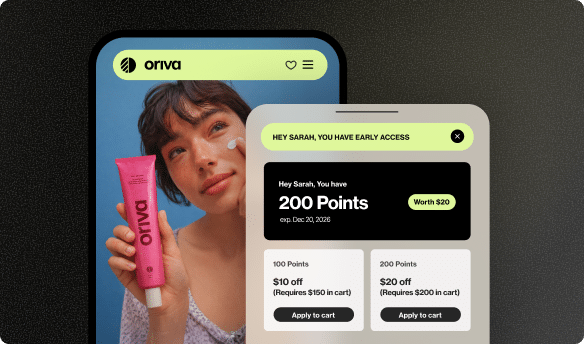







What if your best customers consistently chose your brand, increased their spending over time, and became vocal advocates? This outcome isn’t just a hopeful wish; it is the direct result of a well-executed customer loyalty scheme. In today’s competitive eCommerce landscape, acquiring a new customer is significantly more expensive than retaining an existing one. A loyalty program is a powerful engine for profitability and sustainable growth.
Key Takeaways
- Retention is Profitable: Increasing customer retention by just 5% can boost profits by 25% to 95%, as loyal customers spend more and are cheaper to sell to than new prospects.
- Multiple Program Types Exist: The most common loyalty schemes include points-based, tiered, VIP/paid, and value-based models. The most effective programs often use a hybrid approach, blending elements to create a unique experience.
- Strategy is Crucial: A successful loyalty program requires clear goals, a deep understanding of your customers, transparent rules, and a compelling brand identity.
- Technology is a Must: Modern loyalty schemes are powered by dedicated platforms that automate tracking, manage rewards, and integrate with other eCommerce tools to provide a seamless customer experience and valuable data insights.
This definitive guide will show you how to build a loyalty program that transforms one-time buyers into lifelong advocates. We will cover everything from the fundamental types of programs to creative strategies and successful real-world examples that drive significant business growth.
What is a Customer Loyalty Scheme? (And Why It’s Non-Negotiable)
A customer loyalty scheme is a marketing strategy designed to encourage customers to continue engaging with a business. It is a structured system that rewards repeat customers for their ongoing patronage, serving as a formal acknowledgment of their value to the brand.
However, a loyalty scheme is much more than a simple rewards mechanism. It’s a powerful tool for building genuine, lasting relationships that foster an emotional connection and brand affinity.
Beyond Discounts: The Real Goal of a Loyalty Program
While discounts and free products are common rewards, the true purpose of a loyalty scheme is to achieve critical business objectives. A well-designed program can:
- Increase Customer Retention: It provides a compelling incentive for customers to return to your store instead of turning to a competitor.
- Boost Customer Lifetime Value (LTV): Loyal customers spend more over time. A loyalty scheme actively encourages and rewards this behavior.
- Foster Brand Advocacy: Satisfied, loyal customers often become a brand’s most effective marketers, sharing positive experiences and recommending products to their networks.
- Gather Valuable Data: Loyalty programs offer crucial insights into customer purchasing habits and preferences, enabling more effective personalization and targeted marketing efforts.
The Hard Numbers: Key Statistics on Customer Retention
For those still considering the impact, the data is conclusive. Investing in customer loyalty is no longer a discretionary expense; it is a strategic imperative with a measurable return on investment.
- According to research by Bain & Company, increasing customer retention rates by just 5% can increase profits by 25% to 95%.
- The probability of selling to an existing customer is 60-70%, whereas the probability of selling to a new prospect is only 5-20%.
- A study from Invesp shows that loyal customers spend 67% more on average than new ones.
In short, focusing on loyalty is one of the most efficient and profitable growth strategies available to any eCommerce business.
The Core Types of Customer Loyalty Schemes
Not all loyalty programs are structured the same. The optimal framework for your brand depends on your product catalog, customer base, and strategic goals. Let’s explore the most common types of customer loyalty schemes.
1. The Points-Based Program
This is the most traditional and widely recognized type of loyalty program. Customers earn points for specific actions, which they can then redeem for rewards.
- How it works: Customers typically earn a set number of points for every dollar spent. They can also earn points for non-transactional activities, such as writing a product review, following the brand on social media, or on their birthday.
- Pros: The model is simple for customers to understand and for businesses to manage. The “earn-and-burn” cycle provides clear value and encourages repeat purchases.
- Cons: Because it is a common model, it can be difficult to differentiate your program from competitors. It risks feeling purely transactional if not enriched with other elements.
- Best for: Brands with high-frequency purchases, such as those in the beauty or food and beverage industries, or businesses seeking a straightforward entry into customer loyalty.
2. The Tiered Program
A tiered program gamifies the loyalty experience by creating different membership levels. Customers unlock enhanced benefits and a higher status as their engagement or spending increases.
- How it works: Customers start in a base tier and advance by meeting certain spending thresholds or accumulating points. Each subsequent tier offers more valuable and exclusive rewards, such as better point multipliers, free shipping, or early access to new products.
- Pros: Tiers create a sense of aspiration and exclusivity that motivates customers to increase their spending to reach the next level. This model is highly effective at recognizing and rewarding a brand’s most valuable customers.
- Cons: This structure can be more complex to implement and communicate clearly. The benefits of higher tiers must be substantial enough to justify the effort required to reach them.
- Best for: High-margin businesses or brands with a dedicated customer base, such as those in fashion, travel, or beauty.
3. The VIP/Paid Program
This model requires customers to pay a recurring fee (monthly or annually) to join an exclusive club that provides immediate and ongoing benefits.
- How it works: After paying the membership fee, customers gain access to a suite of premium perks. The most prominent example is Amazon Prime, where members pay for benefits like expedited shipping, streaming services, and exclusive deals.
- Pros: This model generates a predictable, recurring revenue stream. Members are highly invested and exhibit strong loyalty, as they are motivated to maximize the value of their membership.
- Cons: It is a challenging model to launch successfully. A brand needs a strong reputation and a highly compelling value proposition to convince customers to pay for loyalty.
- Best for: Established brands with a large, loyal customer base that can offer a set of benefits valuable enough to warrant a recurring fee.
4. The Value-Based (or Mission-Driven) Program
This type of program connects with customers on an emotional level by aligning rewards with a shared value or social cause.
- How it works: Instead of personal discounts, a customer’s purchase contributes to a charitable donation or another shared goal. For example, a brand might pledge to plant a tree for every five purchases a customer makes.
- Pros: It builds a powerful emotional bond and fosters a community around shared values. This approach is especially effective with purpose-driven consumers.
- Cons: The reward is less tangible for the customer than a direct discount. It works best when the mission is genuinely integrated into the brand’s core identity.
- Best for: Brands with a strong ethical or social mission.
5. The Hybrid Program
The most effective customer loyalty schemes often combine elements from different models to create a unique and compelling experience.
- How it works: A hybrid program might use a points-based system as its foundation but add exclusive tiers for top spenders. It could also incorporate value-based elements, allowing customers to donate their points to a partner charity.
- Pros: It offers maximum flexibility to create a program perfectly tailored to your customers and brand. You can blend the simplicity of points with the aspirational nature of tiers and the emotional connection of a value-based program.
- Cons: It can introduce complexity. Clear communication is essential to ensure customers understand how to earn and redeem rewards across different program elements.
- Best for: Nearly any eCommerce brand. A hybrid approach allows you to create a dynamic and engaging program that can evolve with your business.
Designing Your Winning Loyalty Scheme: A Step-by-Step Framework
Developing a winning loyalty program requires a structured approach. This framework outlines the essential steps for designing a scheme based on careful planning and a deep understanding of your customers.
Step 1: Define Your Goals
First, establish what you want your program to achieve. Clear objectives will inform every subsequent decision. Common goals include:
- Increasing customer retention rate (CRR) by a specific percentage.
- Boosting average order value (AOV) by encouraging customers to meet reward thresholds.
- Improving purchase frequency by incentivizing more frequent transactions.
- Growing your marketing lists by offering points for email or SMS sign-ups.
- Driving more user-generated content (UGC) by rewarding customers for writing reviews or sharing photos.
Select one or two primary goals to maintain focus, with the option to expand your objectives as the program matures.
Step 2: Understand Your Customers
A successful loyalty scheme must be designed for its intended audience. A program that excites one demographic might not resonate with another. You must understand what motivates your customers.
- Analyze your data: Identify your top customers. Examine their purchase history, frequency, and average spending.
- Engage them directly: Use surveys or polls to ask what kinds of rewards they would find most valuable. Do they prefer a 15% discount, free shipping, or early access to new products? Direct feedback is invaluable.
Step 3: Choose Your Program Type (or a Hybrid)
Based on your goals and customer insights, select the program structure that aligns with your strategy.
- If your primary goal is simplicity and driving repeat purchases, a points-based system is a strong starting point.
- If you want to reward your top spenders and create an aspirational experience, a tiered program is an effective choice.
- To address multiple motivations, a hybrid model offers the most versatility. For instance, combining points and tiers allows all customers to participate while giving top spenders a special status.
Step 4: Structure Your Rewards and Earning Rules
The effectiveness of your program hinges on its earning and redemption rules. They must be simple, transparent, and valuable.
Earning Rules Ensure the earning mechanism is straightforward. A rule like “Earn 5 points for every $1 spent” is much clearer than a complex, fractional calculation.
Crucially, you should reward more than just purchases. Encourage community engagement by offering points for valuable actions such as:
- Creating an account
- Writing a product review
- Following your brand on social media
- Celebrating a birthday
- Referring a friend
Redemption Rules Offer a variety of rewards to appeal to different customer preferences. These can include:
- Fixed-value discounts: ($10 off your next purchase)
- Percentage-based discounts: (15% off your next order)
- Free products: (Redeem 1,000 points for a specific item)
- Free shipping: A consistently popular and effective reward.
- Experiential rewards: (Early access to sales, exclusive digital content)
Step 5: Name and Brand Your Program
Give your loyalty scheme a name that reflects your brand’s personality and makes customers feel like they are part of an exclusive group. A generic title like “The Rewards Program” is a missed opportunity.
Your program’s name should be:
- Creative and memorable: Think “Beauty Insider” (Sephora) or “REI Co-op.”
- Easy to understand: The name should hint at the value customers will receive.
- Aligned with your brand: The visual identity and language should be consistent with your overall marketing.
Step 6: Choose the Right Technology Partner
Modern loyalty schemes cannot be managed effectively with spreadsheets. A robust technology platform is essential to automate, manage, and scale your program. A dedicated partner manages the operational complexity by tracking points, managing tiers, automating rewards, and integrating seamlessly with your eCommerce platform. This allows your team to focus on strategy and customer engagement rather than administrative tasks.
Yotpo Loyalty: A Partner in Customer Retention
With extensive experience in the eCommerce space, Yotpo Loyalty provides a best-in-class loyalty and referrals solution designed to maximize customer lifetime value. It enables brands to build highly customized, on-brand programs that engage customers at every stage of their journey. With a team of eCommerce loyalty experts, Yotpo helps you develop a dynamic program powered by a flexible platform that can evolve with your brand.
Key capabilities include:
- Flexible Reward Structures: Build a points-based, tiered, or hybrid program with advanced customization. Offer a wide variety of rewards, from discounts and free products to exclusive experiential perks.
- Rewarding Community Engagement: Yotpo simplifies the process of rewarding customers for over 15 unique actions beyond purchases. This includes writing reviews, referring friends, engaging on social media, and more.
- VIP Tiers: Easily create and customize tiers to make your best customers feel recognized, driving them to increase their spending to unlock the next level of benefits.
- Referral Marketing: Empower your loyal customers to become brand ambassadors with a fully integrated and easy-to-manage referral program.
- Powerful Integrations: Yotpo Loyalty works seamlessly with other tools like Yotpo Reviews. You can reward customers with loyalty points for leaving a review, which in turn generates the social proof needed to convert new shoppers. These new customers then join the loyalty program, creating a virtuous cycle of growth.

Creative Customer Loyalty Scheme Ideas to Inspire You
Once you have established the foundation of your program, you can implement creative strategies to enhance engagement. Here are some ideas to make your loyalty program stand out.
Reward More Than Just Purchases
Rewarding non-transactional behaviors is key to building a community, not just a customer list. Offer points for:
- Completing a profile: This provides valuable zero-party data for personalization.
- Visiting a specific landing page: Drive traffic to new collections or strategic content.
- Submitting a photo or video review: Generate authentic user-generated content for your marketing channels.
Offer Experiential Rewards
Sometimes, the most valuable rewards are not discounts but unique experiences that money cannot buy. Consider offering:
- Early access to new product launches or major sales events.
- Invitations to exclusive online or in-person events.
- A personal consultation with one of your product experts.
- The opportunity to vote on a new product color or design.
Gamify the Experience
Incorporate game-like mechanics to make participation more engaging.
- Introduce challenges: “Make three purchases this month to unlock 500 bonus points.”
- Use progress bars: Visually show customers how close they are to their next reward or tier.
- Award badges: Create digital badges for milestones like “First Purchase,” “Top Reviewer,” or “Super Referrer.”
Surprise and Delight
Not every reward needs to be part of the formal program. Occasionally surprising your most loyal customers with an unexpected gift can create a powerful and memorable experience. This could be:
- A complimentary product included in their order.
- Bonus points added to their account with a personalized note.
- A handwritten thank-you card from a company leader.
Winning Examples of Loyalty Schemes in Action
Examining successful loyalty programs in practice can provide valuable insights. Let’s look at a few brands that excel with their customer loyalty schemes.
1. Sephora’s Beauty Insider
- Program Type: Tiered & Hybrid
- Why it works: Sephora’s Beauty Insider program is a benchmark for tiered loyalty. It features three public tiers (Insider, V.I.P., and Rouge) based on annual spending, each unlocking progressively better perks. The program masterfully blends points-based rewards with the aspirational quality of tiers. Its “Rewards Bazaar” is constantly updated with new products, making point redemption exciting and fresh.
2. Starbucks Rewards
- Program Type: Points-Based & Gamified
- Why it works: Starbucks has built a loyalty empire through its mobile app. The program is simple: earn “Stars” for purchases and redeem them for free items. Starbucks also incorporates gamification brilliantly with “Double Star Days” and personalized challenges that encourage members to visit more often or try new products, effectively driving purchase frequency.
3. REI Co-op
- Program Type: Paid/VIP
- Why it works: REI’s loyalty program is a lifetime membership that costs a one-time $30 fee. In return, members receive an annual 10% dividend on most purchases, access to member-only sales, and discounts on gear rentals. The model works because it aligns perfectly with the brand’s community-focused ethos. Customers are not just joining a rewards program; they are becoming members of a cooperative.
4. Princess Polly
- Program Type: Tiered & Hybrid (Powered by Yotpo Loyalty)
- Why it works: The fashion retailer Princess Polly uses Yotpo Loyalty to power its tiered program. Customers earn points for purchases and for community-building actions like leaving reviews and engaging on social media. The program offers tiered rewards that are highly desirable to its audience, such as early access to sales and exclusive content. By integrating Yotpo Loyalty and Reviews, Princess Polly creates a seamless experience where customers are rewarded for generating the social proof that drives more sales.
Measuring Success: The KPIs That Matter
To determine if your loyalty scheme is effective, you need to track the right Key Performance Indicators (KPIs). Focus on these essential metrics:
- Customer Retention Rate (CRR): The percentage of customers who continue to purchase from you over a given period. This is the ultimate measure of loyalty.
- Customer Lifetime Value (LTV): The total revenue a business can reasonably expect from a single customer account. Your loyalty program should be actively increasing this number.
- Purchase Frequency: How often an average customer makes a purchase. A good program will encourage more frequent transactions.
- Average Order Value (AOV): The average amount a customer spends per transaction. Tiers and point thresholds can motivate customers to add more to their carts.
- Program Redemption Rate: The percentage of earned points that are redeemed. A low rate may indicate that your rewards are not compelling enough or that the redemption process is too complex.
Common Pitfalls to Avoid
Even well-intentioned loyalty schemes can underperform. Avoid these common mistakes:
- Overly Complex Rules: If customers cannot easily understand how to earn and redeem points, they will disengage. Prioritize simplicity and clarity.
- Low-Value Rewards: Do not offer rewards that your customers do not find valuable. A minor discount on an irrelevant product is not a compelling incentive.
- Poor Communication: You must actively promote your program. If customers are unaware of it or forget they are members, it cannot deliver results.
- A “Set It and Forget It” Mentality: A loyalty program is not a one-time project. Continually monitor its performance, gather customer feedback, and introduce new features to keep it fresh and engaging.
Conclusion: Your Loyalty Scheme is a Relationship, Not a Transaction
A customer loyalty scheme is one of the most powerful assets in an eCommerce marketer’s toolkit. An effective program moves beyond simple, transactional rewards to foster a genuine, emotional connection with your customers. It transforms buyers into a community of advocates who not only spend more but also champion your brand.
By understanding the different program types, following a strategic framework, and choosing the right technology partner, you can build a loyalty scheme that drives retention, increases lifetime value, and creates a sustainable competitive advantage for your brand.
Further Questions on Loyalty Schemes
How do I choose between a points-based and a tiered program?
The choice depends on your business goals and customer behavior. A points-based program is excellent for encouraging frequent, smaller purchases and is easy for customers to understand. A tiered program is better for motivating customers to increase their overall spending to unlock exclusive status and benefits, making it ideal for brands with high-value items or a wide range of customer spending levels.
What is the role of personalization in a loyalty scheme?
Personalization is key to making members feel valued. Instead of offering generic rewards, you can use purchase data to offer personalized discounts on products a customer frequently buys or might like. You can also send personalized birthday rewards or create special challenges based on their past activity. This level of detail makes the program feel less transactional and more like a one-to-one relationship.
How do you calculate the ROI of a loyalty program?
To calculate ROI, compare the program’s financial gains to its costs. The gains include the increased LTV of members, higher AOV, and improved retention rates. The costs include the platform subscription fees and the margin cost of redeemed rewards. A simple formula is: (Gain from Investment – Cost of Investment) / Cost of Investment. A positive ROI indicates the program is profitable.
How can a loyalty program help collect zero-party data?
Zero-party data is information a customer intentionally shares with a brand. You can incentivize this by offering loyalty points for actions like completing a profile, sharing style preferences, indicating their birthday, or answering a short quiz. This valuable data allows you to create highly personalized marketing campaigns and product recommendations.
Can loyalty programs work for B2B businesses?
Absolutely. While the rewards might differ, the principle remains the same. B2B loyalty programs can offer rewards like credits on future orders, early access to new product lines, exclusive training sessions, or dedicated account support. The goal is to reward continued partnership and make your business an indispensable part of their operations.
How important is a mobile app for a loyalty scheme?
A mobile app can be a powerful tool but isn’t always necessary. For brands where customers shop frequently on the go, like coffee shops or fast-fashion retailers, an app provides a convenient way to track points and redeem rewards. For other businesses, a well-designed, mobile-responsive web page for the loyalty program is often sufficient.
What are the best non-monetary rewards to offer?
Non-monetary rewards can build a stronger emotional connection. Great examples include early access to sales, invitations to exclusive online events, a “vote on the next product” feature, free consultations with experts, or simply a shout-out on social media. These perks make customers feel like insiders.
How do you prevent loyalty program fraud?
Preventing fraud requires a combination of clear rules and smart technology. Set limits on how many points can be earned in a certain period, monitor for unusual account activity (like creating multiple accounts), and require email verification. A robust loyalty platform will often have built-in security features to help detect and prevent fraudulent behavior.
How often should you update your loyalty program?
You should review your program’s performance quarterly and consider making updates annually or whenever you notice a decline in engagement. This doesn’t mean a complete overhaul. It could be as simple as introducing new rewards, launching a seasonal challenge, or adding a new tier to keep the program fresh and exciting for your members.
What is the best way to handle expiring points?
Point expiration can encourage redemption, but it must be communicated clearly and fairly. A common best practice is to have points expire after a period of inactivity (e.g., 12 months), not from the date they were earned. Always send multiple email reminders to customers before their points are set to expire to give them a chance to use them.
How can a referral program be integrated into a loyalty scheme?
Integrating a referral program is a fantastic strategy. You can use your loyalty program to reward existing members with a significant number of points for successfully referring a new customer. The new customer also gets a welcome discount, creating a win-win situation. This turns your most loyal customers into your best marketers.
What makes a good name for a loyalty program?
A good name is creative, on-brand, and hints at exclusivity or value. Avoid generic names like “Rewards Club.” Instead, think about your brand’s personality. Is it playful, sophisticated, or community-focused? A name like Sephora’s “Beauty Insider” or REI’s “Co-op” works because it aligns perfectly with the brand and makes members feel like they belong to something special.
How do you re-engage inactive loyalty program members?
To re-engage inactive members, send targeted email campaigns highlighting their current point balance and what they can redeem. You could offer them a small bonus point gift to get them started again or run a “we miss you” campaign with a special, limited-time offer. Remind them of the value they’re missing out on.











 Join a free demo, personalized to fit your needs