








Effective marketing requires moving beyond broad generalizations to achieve a genuine customer connection. Many eCommerce brands find it challenging to personalize their engagement, but the solution isn’t just knowing who your customers are, but understanding what they do. This is the principle of behavioral segmentation, a strategy that groups customers based on their actions.
Key Takeaways
- Action Over Identity: Behavioral segmentation focuses on what customers do (purchases, site visits, engagement) rather than who they are (demographics), providing a more accurate predictor of future actions.
- Four Core Types: The most common types of behavioral segmentation are based on Purchase Behavior, Usage Behavior, Benefits Sought, and the Customer Journey Stage. Understanding these helps create a well-rounded strategy.
- Drives Business Growth: When implemented correctly, this strategy enhances personalization, improves marketing ROI, increases customer lifetime value (LTV), and reduces churn by allowing for more relevant customer interactions.
- Practical Applications: Leading eCommerce brands use behavioral data to power sophisticated loyalty programs that reward valuable actions and leverage customer reviews to identify and engage brand advocates.
What is Behavioral Segmentation?
Behavioral segmentation is the practice of dividing an audience into groups based on their demonstrated actions and behaviors. Unlike strategies that rely on static traits, this approach focuses on dynamic data, analyzing how customers interact with your brand.
Beyond Demographics: Shifting Focus from “Who” to “What They Do”
For years, marketers relied on demographic data (age, gender, income) and geographic data (city, country). While this information identifies who is buying, it fails to explain the critical why. Two individuals with identical demographic profiles can exhibit entirely different purchasing habits. One may be a loyal, high-value customer, while the other is a price-sensitive, one-time buyer.
Behavioral segmentation addresses these nuances by answering critical questions:
- What products do they view most frequently?
- What is their typical purchase cadence?
- Do they frequently abandon their shopping carts?
- How do they respond to marketing communications?
- Do they purchase primarily during promotional events?
Understanding these actions allows you to move past assumptions and engage in relevant, meaningful conversations with your customers.
The Strategic Advantage of Behavioral Segmentation in eCommerce
Adopting a behavioral segmentation strategy is a fundamental shift that directly impacts your bottom line. When marketing efforts are tailored to specific customer actions, you unlock powerful competitive advantages.
- Enhanced Personalization: Deliver messages, offers, and product recommendations that resonate with individual customer needs and preferences.
- Improved Marketing ROI: Focus your budget on targeted campaigns that engage consumers most likely to convert, re-engage, or demonstrate loyalty, thereby optimizing your marketing spend.
- Increased Customer Lifetime Value (LTV): By understanding the drivers of repeat purchases, you can design campaigns that foster customer retention and turn one-time buyers into long-term brand advocates.
- Superior Customer Experience: Customers feel understood, which builds trust and improves their entire journey with your brand, from initial discovery to post-purchase engagement.
- Reduced Customer Churn: Identify at-risk customers by monitoring behavioral changes, such as a decline in purchase frequency. This allows you to implement targeted re-engagement campaigns before they are lost.
In essence, behavioral segmentation enables a more intelligent and efficient marketing approach. It facilitates the development of data-driven relationships that foster loyalty and support sustainable business growth.
Core Types of Behavioral Segmentation
You can analyze behavioral data through various lenses. For practical application, most strategies focus on four primary types of behavior. A clear understanding of these categories is foundational to constructing effective segments for your business.
1. Purchase Behavior
This is among the most powerful and widely used forms of segmentation. It examines the specifics of a customer’s transactional history. This analysis focuses on patterns in how customers make purchases. Key data points include:
- Purchase Frequency: The rate at which customers buy (e.g., daily, weekly, monthly).
- Average Order Value (AOV): The typical amount spent per transaction.
- Product Categories: The types of products purchased.
- Last Purchase Date: The time elapsed since their most recent purchase.
This data can be leveraged to create highly profitable segments. For instance, you can target high-AOV customers with exclusive access to new products, re-engage lapsed customers with a tailored offer, or cross-sell complementary items to customers who recently purchased from a specific product category.
Example: The “VIP Customer” Segment A classic application is creating a “VIP” or “Loyal Customer” segment. This group comprises customers with high purchase frequency and a high AOV. You can cultivate their loyalty by offering exclusive perks, early access to sales, or dedicated customer support, thereby reinforcing their value to your brand.
2. Usage Behavior
This type of segmentation centers on how customers interact with your digital assets, such as your website or mobile application. It analyzes their digital footprint to reveal engagement patterns. Important metrics include:
- Session Frequency: How often users visit your site.
- Time on Page: The duration spent viewing specific products or content.
- Feature Utilization: Engagement with tools like product filters, customer reviews, or embedded videos.
- Pages Visited: The specific path a user takes before completing a purchase or exiting the site.
This information is invaluable for optimizing the user experience. If a segment of users repeatedly visits a product page without purchasing, you might follow up with an email containing additional product details or relevant customer reviews.
Example: The “Window Shopper” Segment This segment consists of users who visit your site frequently and browse multiple products but rarely complete a purchase. You could target them with a subtle incentive, such as an offer for a small discount on their first order or an email highlighting your risk-free return policy to build purchasing confidence.
3. Benefits Sought
This is a more sophisticated form of segmentation that groups customers based on the primary value they seek from a product. This approach addresses the “why” behind a purchase, as customers purchase solutions, not just products. Common benefits sought include:
- Price: Seeking the most cost-effective option.
- Quality: Willingness to invest more for premium materials and durability.
- Convenience: Prioritizing fast shipping and a seamless checkout process.
- Prestige: Purchasing based on brand status and exclusivity.
By identifying the primary benefit a customer group values, you can align your messaging accordingly. For price-sensitive shoppers, communications should emphasize discounts. For those who prioritize quality, marketing should feature testimonials and product guarantees.
Example: “Bargain Hunter” vs. “Quality Seeker” A “Bargain Hunter” segment would receive marketing focused on sales and coupon codes. In contrast, a “Quality Seeker” would be targeted with content that tells the product’s story, showcases 5-star reviews, and highlights superior craftsmanship. The products may be identical, but the messaging is fundamentally different.
4. Customer Journey Stage
This segmentation method groups customers based on their position in the sales funnel. A new visitor requires different information than a loyal, repeat customer. This tracks a customer’s progression across several stages:
- Awareness: The customer has just been introduced to your brand.
- Consideration: The customer is actively evaluating your products.
- Purchase: The customer has made a purchase decision.
- Retention: The customer has made a purchase, and the goal is to encourage repeat business.
- Advocacy: The customer has become a loyal brand enthusiast who refers others.
You can develop automated workflows to nurture customers through each stage. A new subscriber might receive a welcome email series, while a recent buyer should receive a request for a product review.
Activating Behavioral Segmentation: Practical Applications
Understanding the theory is essential, but its value is realized through practical application. The following use cases demonstrate how to apply behavioral segmentation to achieve measurable results.
Building a Sophisticated Customer Loyalty Program
Effective loyalty programs aren’t merely about offering discounts; they’re about recognizing and rewarding your most valuable customers in a meaningful way. Behavioral segmentation is key to creating a program that feels personalized and impactful. A generic, one-size-fits-all program is rarely effective. Different customer behaviors should be rewarded differently.
- Yotpo Loyalty is engineered with this principle of flexibility, allowing you to build a strategic program that drives retention. You can establish dynamic VIP tiers based on specific behaviors like spending habits (AOV) or purchase frequency. You can also reward a spectrum of valuable actions beyond transactions, such as writing reviews or referring friends. This ensures that your most valuable customers receive the most significant rewards. A key differentiator is the strategic support from eCommerce loyalty specialists who help design a program tailored to your business objectives.
Leveraging User-Generated Content (UGC) and Reviews
Customer reviews offer more than social proof; they are a rich source of behavioral data. The feedback, photos, and videos your customers share provide direct insight into what they value.
- Yotpo Reviews is designed not only to collect reviews but also to transform them into conversion-driving assets and valuable data points. You can segment customers by review rating to identify brand advocates or analyze review content to find users who value specific attributes like “comfort” or “quality.” Yotpo’s competitive advantage lies in its strategic focus on boosting conversion through intelligent display widgets and its extensive syndication network with partners like Google and Target.
A Framework for Building Your Behavioral Segmentation Strategy
Developing a behavioral segmentation strategy can be broken down into a logical, five-step process. This framework will guide you from raw data to targeted campaigns that deliver measurable results.
Step 1: Define Your Business Goals Before analyzing your data, you must clearly define what you aim to achieve. Are you trying to increase the repeat purchase rate, improve LTV, or boost engagement? Select one or two primary objectives to begin.
Step 2: Identify Your Data Sources and Tools Next, determine where your customer behavior data resides. For most eCommerce businesses, this data is distributed across several platforms:
- eCommerce Platform: (e.g., Shopify, BigCommerce) This is the source of all transactional data.
- Website Analytics: (e.g., Google Analytics) This provides data on website usage.
- Marketing Tools: Solutions for loyalty and reviews are critical. A tool like Yotpo Loyalty provides data on points balances and VIP status, while Yotpo Reviews offers insights from customer feedback and ratings.
Step 3: Identify Key Behavioral Segments With your goals established, it is time to create your segments. Begin with those most likely to provide a quick return on investment. Consider categories like:
- High-Value Customers: VIPs, recent high-spenders.
- At-Risk Customers: Lapsed customers, one-time buyers.
- Engaged Customers: Recent positive reviewers, active loyalty program members.
Step 4: Activate Your Segments with Targeted Campaigns This is where your strategy becomes operational. For each segment, develop a targeted marketing campaign designed to elicit a specific action.
- For your VIP segment, send an exclusive offer or early access to a new product.
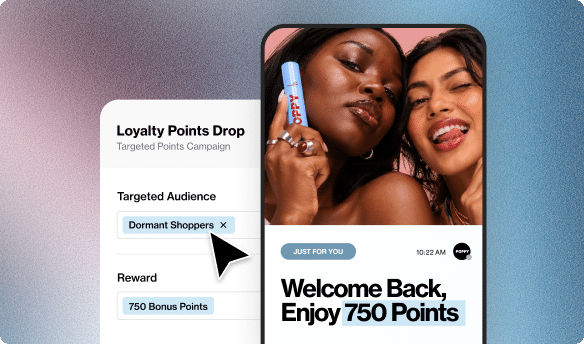
- For your Lapsed Customer segment, send a “We Miss You” email that includes loyalty points they can use.
- For your Recent Reviewer segment, thank them and invite them to join your loyalty program to earn rewards for future reviews.
Step 5: Analyze, Test, and Refine Behavioral segmentation is not a static activity. Customer behaviors evolve, and your strategy must adapt accordingly. Track key metrics for each campaign, A/B test different elements, and refine your segment definitions over time based on performance data.
Challenges and Best Practices in Behavioral Segmentation
While highly effective, implementing a behavioral segmentation strategy can present certain challenges. Awareness of these potential hurdles and knowledge of the best practices to overcome them are crucial for long-term success.
Potential Hurdles to Overcome
- Data Quality and Integration: The effectiveness of your segments depends on the quality of your data. Inaccurate, incomplete, or siloed data will undermine your efforts.
- Resource Constraints: Smaller teams may feel they lack the time or expertise to manage a complex segmentation strategy.
- Over-Segmentation: It is possible to become too granular. Creating too many micro-segments can result in a complicated and unmanageable strategy with diminishing returns.
- Privacy Compliance: The collection and use of behavioral data require transparency and adherence to privacy regulations like GDPR and CCPA.
Best Practices for Success
- Start Small and Scale: Begin with two or three high-impact segments. Demonstrate the ROI with these groups first, then gradually expand.
- Utilize Best-in-Class Tools: The most effective way to overcome data silos is to use specialized tools that excel in their function. When data from your loyalty program and reviews solution can be easily accessed and analyzed, creating powerful segments becomes significantly more efficient.
- Maintain a Goal-Oriented Focus: Always connect your segments to your primary business objectives. For every segment you create, ask: “What action do I want this group to take?”
- Combine Data Types: The most effective segments often layer behavioral data with other data types, such as demographics or purchase history.
- Continuously Monitor and Adapt: Customer behavior is not static. Allocate time each month or quarter to review the performance of your segments and campaigns.
- Ensure Transparency: Make your privacy policy clear and easily accessible. Provide customers with straightforward options for managing their data preferences.
The Future of Behavioral Segmentation
The evolution of behavioral segmentation is accelerating, driven by technological advancements and rising customer expectations.
AI and Predictive Analytics
The most significant development is the expanding role of Artificial Intelligence (AI) and machine learning. Historically, marketers have created segments based on past behavior. The future lies in predicting future behavior. AI algorithms can analyze vast datasets to identify patterns that enable the creation of predictive segments, such as customers “predicted to churn” or those with a “predicted high LTV.”
Hyper-Personalization at Scale
As AI becomes more sophisticated, the market will shift from segmentation to true one-to-one personalization. The future eCommerce experience will be one where every element is dynamically tailored to each visitor based on their real-time behavior. This will mark a transition away from static segments toward a fluid, automated dialogue.
The Central Role of Connected Data
This hyper-personalized future cannot be realized with a fragmented collection of disconnected tools. The ability to manage data and execute real-time personalization depends on having best-in-class solutions that can work together. Having rich, connected data from powerful tools for loyalty and reviews creates the foundation upon which AI can build truly personalized experiences, ensuring all marketing efforts are perfectly synchronized.
Conclusion: From Actions to Relationships
Ultimately, behavioral segmentation is about more than data; it is about developing a deeper understanding of your customers. It requires listening to the signals they provide through their actions and responding in a way that is helpful, relevant, and respectful. By moving beyond generic marketing, you transition from treating customers as mere transactions to building genuine, lasting relationships. This is not a one-time initiative but an ongoing commitment. For the brands that embrace it, the rewards are substantial: a loyal customer base that drives revenue and becomes their most powerful marketing asset.
Frequently Asked Questions
- What is the difference between demographic and behavioral segmentation? The primary distinction lies in the data used. Demographic segmentation groups people by static attributes like age or gender—who they are. Behavioral segmentation groups them by their actions, such as purchase history or website activity—what they do. While demographics provide context, behavior is often a more accurate predictor of future actions.
- How many behavioral segments should I create? There is no single correct number; however, it’s wise to start small. Begin with two to four high-impact segments that align with your primary business goals, such as “VIPs,” “At-Risk Customers,” and “Brand Advocates.” It is more effective to manage a few well-defined segments with targeted campaigns than to create dozens of micro-segments that are difficult to track.
- What tools are necessary to begin with behavioral segmentation? At a minimum, you need data from your eCommerce platform (e.g., Shopify) and website analytics (e.g., Google Analytics). However, to effectively activate your segments, you need marketing solutions that can consolidate this data and power targeted campaigns. Specialized tools like Yotpo Loyalty and Yotpo Reviews are ideal, as they provide a comprehensive view of customer behavior and the features to act upon it.
- How does Yotpo facilitate behavioral segmentation? Yotpo provides best-in-class products to help eCommerce brands leverage behavioral data effectively.
- Yotpo Loyalty: This product enables you to create VIP tiers and reward customers based on behavioral milestones such as spending levels, purchase frequency, or review submissions.
- Yotpo Reviews: This solution provides valuable data on customer sentiment and feedback, which can be used to create segments of brand advocates or customers interested in specific product features. The synergy between these products allows data from one area to inform the strategy in another, creating a highly cohesive approach.
- Can behavioral segmentation be used for new customers? Yes. While you lack purchase history for new visitors, you can segment them based on their on-site behavior. For example, you can create segments for users who have visited multiple product pages, spent a significant amount of time on the site, or subscribed to your newsletter without making a purchase. Targeting these early behaviors can effectively guide new visitors toward their first purchase.
- What is RFM analysis and how does it relate to behavioral segmentation? RFM stands for Recency, Frequency, and Monetary value. It’s a model used to analyze customer value based on three key behaviors: how recently they purchased, how often they purchase, and how much they spend. It’s a powerful and popular method of behavioral segmentation that helps identify your best customers (high scores in all three) and those who are at risk of churning (low scores).
- How do I measure the success of my behavioral segmentation strategy? Success is measured against the goals you set in the beginning. Key metrics to track include conversion rates for specific campaigns, customer lifetime value (LTV) by segment, repeat purchase rates, and customer churn rates. If a campaign targeting “At-Risk Customers” successfully brings a percentage of them back to purchase, that’s a clear win.
- What are some common mistakes to avoid? A common mistake is over-segmenting and creating too many groups to manage effectively. Another is relying on poor-quality or incomplete data, which leads to inaccurate segments. Finally, avoid a “set it and forget it” mentality; segments need to be regularly reviewed and refined as customer behaviors change.
- Can I segment based on the device a customer uses? Absolutely. This is a form of usage behavior. You can create segments for “mobile shoppers,” “desktop shoppers,” or “app users.” This allows you to tailor the user experience, such as sending mobile-friendly campaigns or promoting your app to users who primarily shop on their phones.
- What’s the difference between behavioral segmentation and personalization? Think of segmentation as grouping people with similar behaviors (e.g., all VIP customers). Personalization is tailoring content for an individual within that group (e.g., showing a specific VIP a product recommendation based on their unique browsing history). Segmentation is the foundation that makes true one-to-one personalization possible at scale.
- How can loyalty program data improve my segmentation? Loyalty data is a goldmine for behavioral segmentation. You can segment customers based on their VIP tier, points balance, reward redemption history, or referral activity. This helps you identify your most engaged customers and create highly targeted campaigns to keep them active.
- How often should I update my customer segments? It depends on your business cycle and the specific segment. Some segments, like “Cart Abandoners,” are real-time and dynamic. Broader segments like “VIPs” or “Lapsed Customers” should be reviewed and updated regularly, perhaps monthly or quarterly, to ensure they accurately reflect recent customer activity.
- Are there ethical considerations when using behavioral data? Yes, transparency and privacy are paramount. You must be clear with customers about what data you are collecting and how you are using it in your privacy policy. Always provide easy ways for users to opt-out or manage their data preferences. Using data to improve the customer experience is good; using it in ways that feel intrusive or violate trust is not.











 Join a free demo, personalized to fit your needs